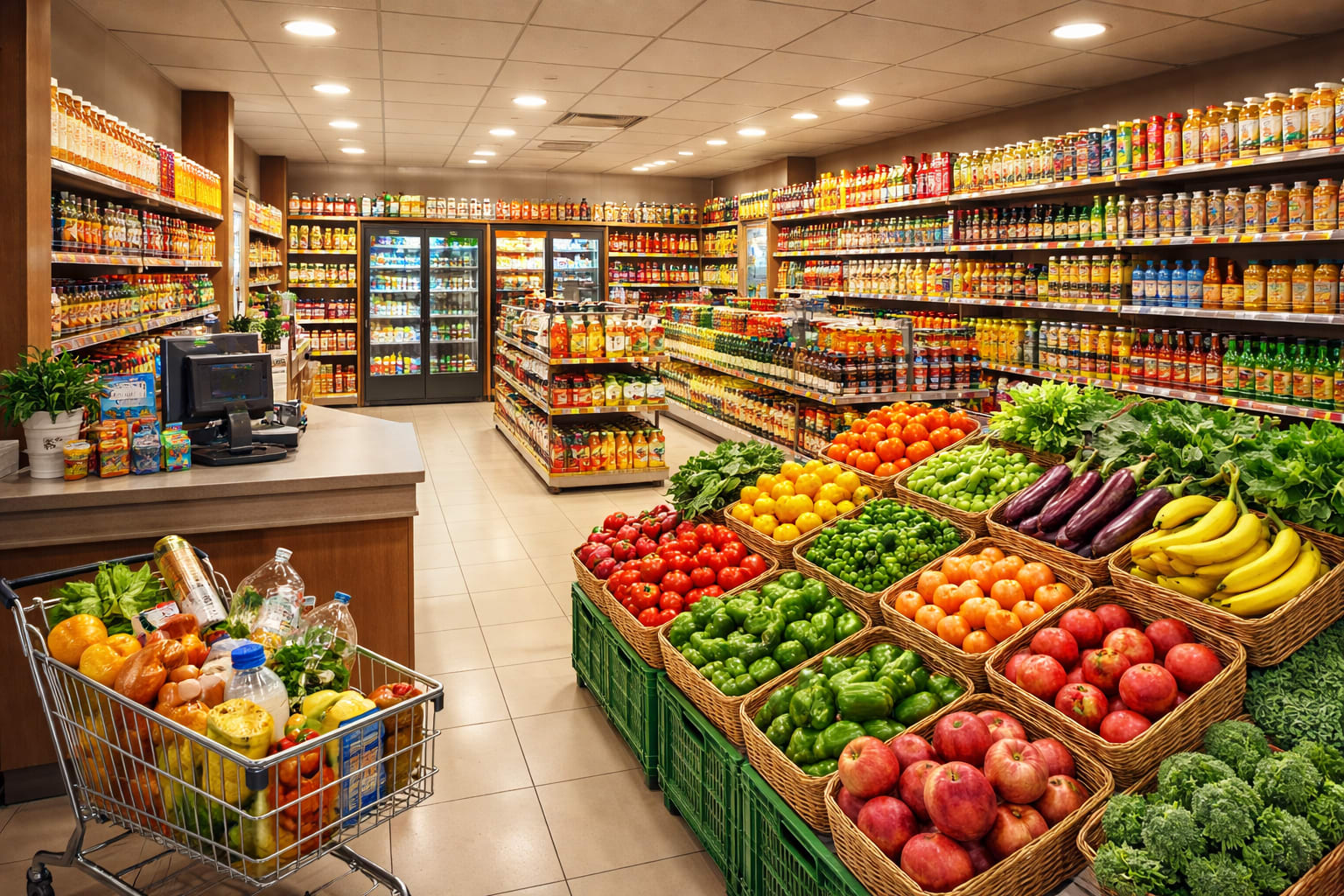
Daily Essentials Franchise in Agra UP
Daily Essentials Franchise in Agra – A Practical Business Opportunity
- Daily essentials — groceries, household items, personal care products, and everyday food staples — represent one of the most consistent and dependable categories in retail.
- Unlike fashion, electronics, or other discretionary segments that are highly sensitive to trends, seasons, and disposable income, daily essentials are purchased repeatedly by every household, regardless of economic conditions.
- This makes the category inherently resilient, offering business owners a steady stream of footfall and repeat customers throughout the year.
- For investors in Agra exploring franchise opportunities, a daily essentials store offers a business model built around steady, recurring demand rather than seasonal or discretionary spending.
- Agra's mix of dense residential neighborhoods, growing urban infrastructure, and consistent tourist inflow creates a favorable environment for retail formats centered on everyday necessities.
- Households in the city need groceries, personal care items, and household essentials on a weekly — often daily — basis, making this category far less vulnerable to market fluctuations compared to other retail segments.
About The Daily Essentials Franchise
- A daily essentials franchise focuses on products that households need regularly — groceries, packaged foods, personal care items, cleaning supplies, and similar everyday goods.
- Unlike specialty retail formats, this category is built around high-frequency, repeat purchases rather than occasional or seasonal buying.
- The business model relies on consistent footfall from nearby residential areas rather than drawing customers from across the city.
- Daily essentials retail typically requires efficient inventory turnover, since many products have limited shelf life or are purchased frequently.
- The Buyzaar Mart's store formats — Mini Mart, Super Mart, and Hyper Mart — are all built around this daily essentials retail category.
Why Daily Essentials Are a Stable Business Category
- Daily essentials fall into the category of non-discretionary spending, meaning demand remains relatively stable regardless of broader economic conditions.
- Households continue purchasing groceries and daily-use items even during periods of reduced discretionary spending elsewhere.
- This consistent demand creates a more predictable revenue base compared to categories tied to seasonal trends or optional purchases.
- High purchase frequency — customers shopping multiple times a week — supports steady, recurring footfall for well-located stores.
- These characteristics make daily essentials retail a comparatively defensive business category for investors seeking stability.
Why Agra Is a Strong Market for Daily Essentials Retail
- Agra's substantial and growing population creates consistent underlying demand for daily essentials across its residential neighborhoods.
- Many parts of the city are still served primarily by unorganized kirana stores, leaving room for an organized, branded alternative.
- Rising incomes and changing consumer expectations are increasing demand for hygienic, transparent, and consistently stocked retail options.
- The city's mix of established colonies and newer residential developments offers multiple catchment opportunities for daily essentials stores.
- Lower real estate and operational costs in Agra, compared to metro cities, support a more accessible entry point for this business category.
Categories Typically Covered in a Daily Essentials Store
The product mix in a daily essentials store is designed to meet everyday household needs efficiently and consistently.
- Staple groceries such as rice, pulses, cooking oil, and packaged food items.
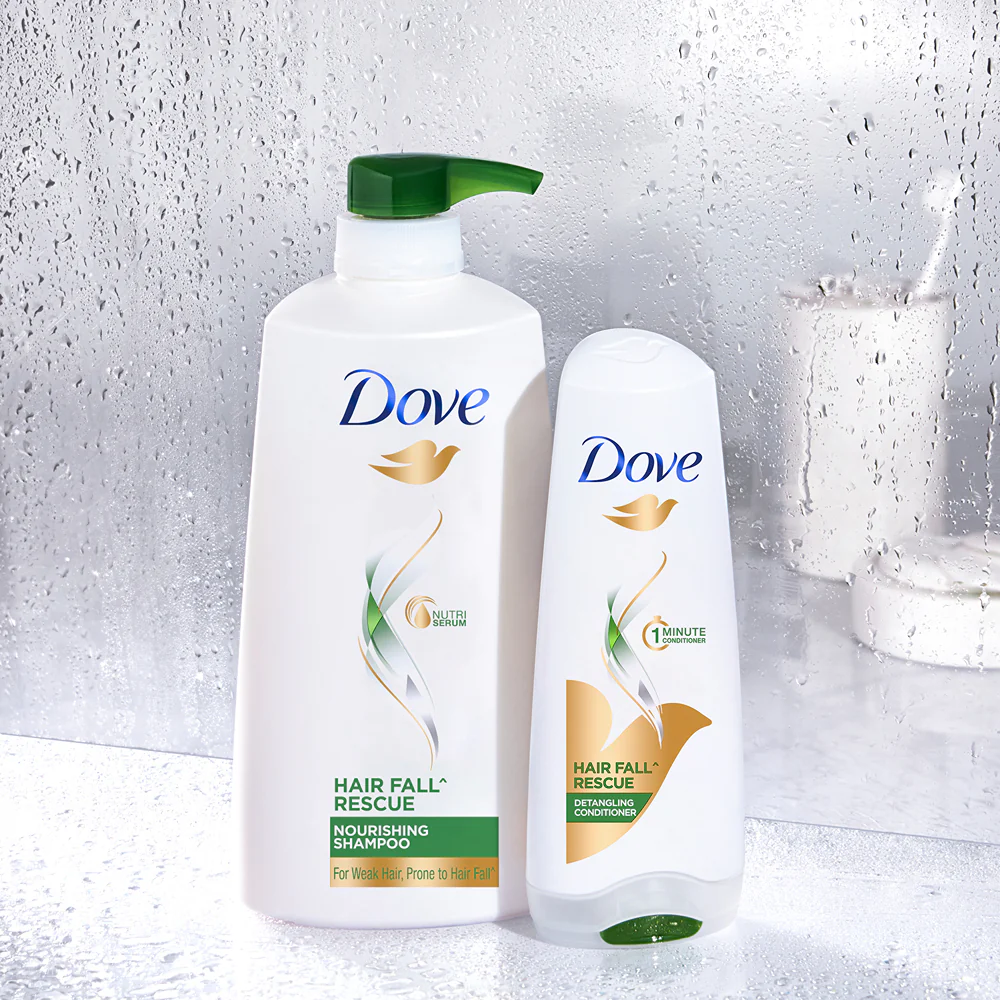
- Personal care and hygiene products, including soaps, shampoos, and oral care items.
- Household cleaning supplies and related consumables.
- Packaged snacks, beverages, and other frequently purchased convenience items.
- Basic dairy and bakery products, depending on the store format and local demand.
Store Formats Available for a Daily Essentials Franchise
- Selecting the right store format is essential when starting a Daily Essentials franchise.
- Each format is designed to match different catchment sizes, footfall levels, and customer needs, giving entrepreneurs the flexibility to choose based on their location and investment capacity.
1. Mini Mart (600 – 1,000 sqft)
- A compact format suited to smaller residential catchments, focused on core daily essential categories.
- It's ideal for entrepreneurs looking to enter the franchise business with a smaller footprint and lower initial investment.
- This format works well in neighborhood locations with steady local demand.
2. Super Mart (1,001 – 3,000 sqft)
- A mid-sized format offering a broader product range, suited to larger residential neighborhoods.
- It allows for expanded categories beyond daily essentials, catering to customers who prefer variety along with convenience.
- This format is a good fit for growing residential and semi-commercial areas.
3. Hyper Mart (3,001 – 8,000 sqft)
- The largest format, offering an extensive range of daily essentials along with additional categories, suited to high-footfall commercial areas.
- It's designed for entrepreneurs aiming for scale, with the ability to serve a larger customer base under one roof.
- This format works best in prime commercial zones and high-traffic locations.
Total Investment by Format for Agra
- Choosing the right retail format is key to planning your investment in Agra.
- Below is a breakdown of the total investment required for each format, based on store size, to help you make an informed decision.
1. Mini Mart (600 – 1,000 sqft)
- Total Investment starting at ₹15,25,000 (at 600 sqft)
- A Mini Mart is the ideal low-investment format for entrepreneurs starting out in Agra.
- It suits residential areas and local markets, offering daily essentials and FMCG products in a compact space.
- Investment scales up gradually as the sqft increases within this range.
2. Super Mart (1,001 – 3,000 sqft)
- Total Investment starting at ₹26,63,407 (at 1,001 sqft)
- The Super Mart format offers a wider product range across groceries, personal care, and household items.
- It works well in busy commercial areas of Agra where customers seek variety and convenience.
- Investment rises with store size and stock requirements.
3. Hyper Mart (3,001 – 8,000 sqft)
- Total Investment starting at ₹78,89,960 (at 3,001 sqft)
- Hyper Mart is a large-format retail destination covering groceries, electronics, apparel, and more under one roof.
- It's best suited for prime locations and malls with high footfall in Agra.
- This format demands a higher investment for infrastructure and inventory.
Why High Purchase Frequency Matters for Investors
- Daily essentials customers typically shop multiple times a week, unlike categories with longer purchase cycles such as electronics or furniture.
- This frequent shopping pattern supports more consistent daily and weekly revenue compared to businesses reliant on occasional large purchases.
- Repeat customers also build familiarity and loyalty over time, supporting stable long-term footfall for a well-run store.
- High purchase frequency reduces dependency on large, infrequent transactions, smoothing out overall revenue patterns.
- This characteristic is one of the key reasons daily essentials retail is considered a comparatively stable business category.
How Inventory Management Supports This Business Model
- Efficient inventory turnover is critical in daily essentials retail, given the frequent purchase cycle and, in some categories, limited shelf life.
- Centralized inventory systems help track stock levels accurately, reducing the risk of both stockouts and overstocking.
- A Hassle-Free Inventory Assurance, offered by The Buyzaar Mart, helps protect franchise partners from losses linked to expired or damaged stock.
- Real-time inventory tracking allows for faster identification of fast-moving and slow-moving products, supporting better purchasing decisions.
- This operational discipline is particularly important in a category where product freshness and availability directly affect customer satisfaction.
How the Company-Managed Model Supports Daily Essentials Retail
- The Company-Managed model means trained staff and centralized systems handle daily store operations, rather than requiring the investor's direct involvement.
- This is particularly useful in a category where consistent execution — accurate billing, proper stock rotation, clean store presentation — directly impacts customer retention.
- Investors benefit from standardized processes that have already been tested across multiple store locations.
- Technology-enabled reporting provides visibility into sales and inventory performance without requiring daily physical presence.
- This model reduces the operational learning curve for first-time investors entering the daily essentials retail category.
Choosing the Right Location in Agra for a Daily Essentials Store
- Residential neighborhoods with consistent daily foot traffic tend to offer the strongest catchment for this category.
- Proximity to apartment complexes, gated colonies, or dense housing pockets supports steady, recurring demand.
- Good visibility from main roads or neighborhood entry points helps improve walk-in customer traffic.
- Limited presence of existing organized daily essentials retail nearby improves the store's competitive positioning.
- A structured location survey helps assess whether a specific site in Agra is well suited to this business category.
Realistic Expectations Around Returns
- Break-even timelines for daily essentials retail typically fall within the 12 to 18 month range common to organized grocery retail.
- Returns are closely tied to location quality, consistent product availability, and operational execution.
- Profit-sharing terms between investor and franchisor should be reviewed carefully to understand expected earnings.
- A well-located daily essentials store in a growing Agra neighborhood can offer steady, predictable performance over time.
- Investors should approach the category with realistic expectations rather than assuming immediate profitability.
Advantages of Choosing a Daily Essentials Franchise in Agra
- Stable, non-discretionary demand provides a defensive business foundation compared to more discretionary retail categories.
- Multiple store format options allow investors to align investment size with local catchment potential.
- Lower current competition from organized retail brands in many parts of Agra supports early-mover advantages.
- The Company-Managed model reduces the operational burden typically associated with running a retail business.
- Structured support systems, including inventory protection and transparent investment breakdowns, reduce common first-time investor risks.
Documents and Application Process
- Documents typically required: ID Proof: Aadhar/Pan/Voter ID, and relevant financial documents.
- Step 1: Submit an inquiry through the official Buyzaar Mart website, specifying Agra as your target city.
- Step 2: Discuss investment capacity, preferred format, and any identified property with the franchise development team.
- Step 3: Undergo a location survey if a site has been identified, or request assistance finding a suitable location.
- Step 4: Review the investment breakdown and profit-sharing terms in detail.
- Step 5: Sign the franchise agreement and proceed through store setup, staffing, training, and launch.
Ongoing Support for Daily Essentials Franchise Partners in Agra
- Structured location surveys to help identify commercially viable sites within the city.
- A transparent, itemised investment breakdown tailored to the chosen store format.
- Centralized inventory management support to maintain optimal stock levels and reduce wastage.
- A Hassle-Free Inventory Assurance, protecting against losses from expired or damaged stock.
- Technology-enabled billing and reporting systems for ongoing performance visibility, regardless of the investor's daily availability.
Frequently Asked Questions (FAQs)
Q1. What products are covered under a daily essentials franchise?
- Groceries, personal care items, household supplies, and everyday packaged foods.
Q2. Why is daily essentials retail considered stable?
- Because it involves non-discretionary spending that remains consistent regardless of economic shifts.
Q3. Which store formats fall under this category?
- Mini Mart, Super Mart, and Hyper Mart all focus on daily essentials retail.
Q4. How much investment is required in Agra?
- Investment ranges from ₹15,25,000 for a Mini Mart to ₹78,89,960 for a Hyper Mart.
Q5. Is Agra a good market for daily essentials retail?
- Yes, its large population and low organized retail penetration support strong demand potential.
Q6. Do I need retail experience to start this franchise?
- No, the Company-Managed model handles daily operations for you.
Q7. How does inventory management work in this category?
- Through centralized systems and inventory protection against expired or damaged stock.
Start Your Daily Essentials Franchise Journey in Agra
- Daily essentials retail offers a practical, demand-driven business opportunity for investors who want to serve everyday household needs in Agra.
- Join The Buyzaar Mart franchise network and build a neighborhood retail store designed around reliability, convenience, and professional management.
- Email: info@thebuyzaarmart.com
- Phone / WhatsApp: 9217991727
- Business Hours: Monday to Saturday, 09:00 AM – 07:00 PM

Store Features & Services
Discover our comprehensive range of services designed to provide the best shopping experience for urban and semi-urban households
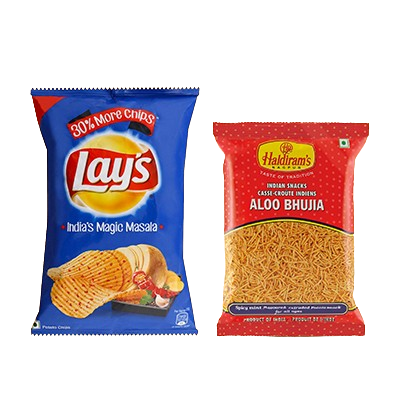
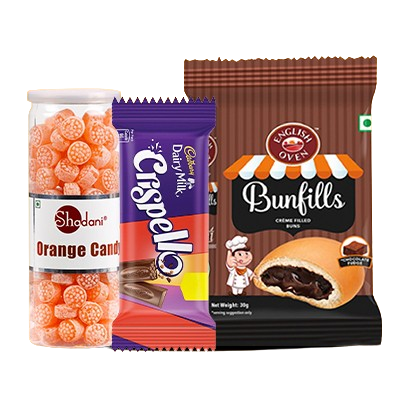
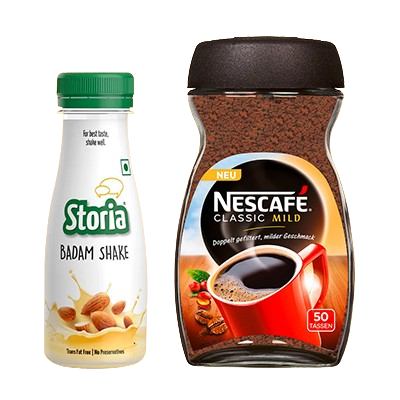
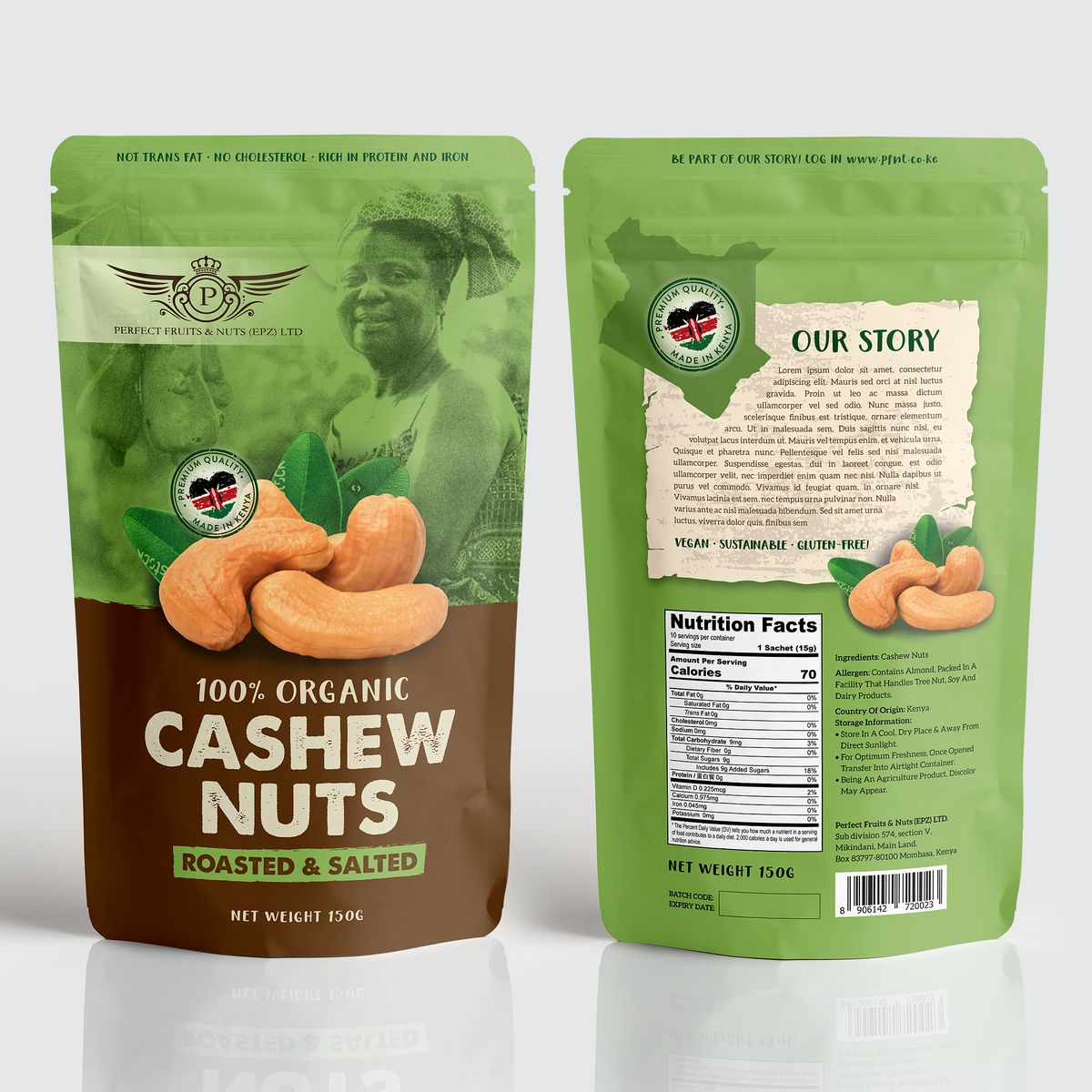
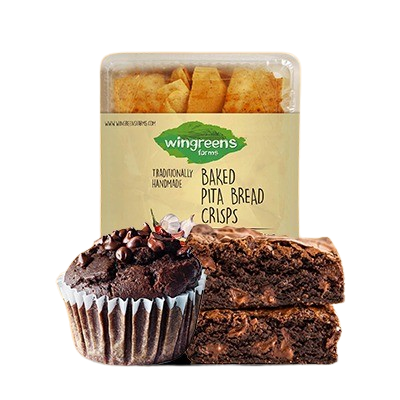

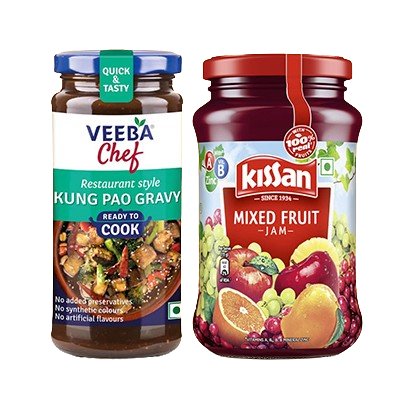
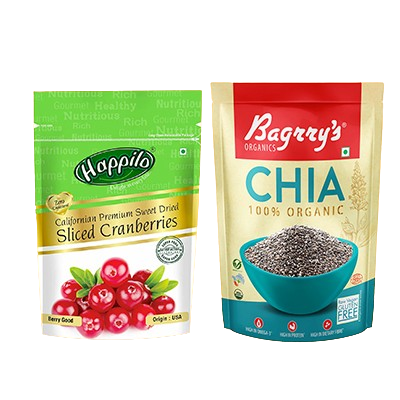





Wide Product Range
Daily-need items under one roof!

Affordable Pricing
Value-conscious pricing strategy!

POS-Enabled Billing System
Modern point-of-sale technology!

Customer Relationship Management (CRM)
Building lasting customer relationships!

Uniform Branding & Store Design
Consistent professional identity!
Localized Product Flexibility
Adapted to local preferences!