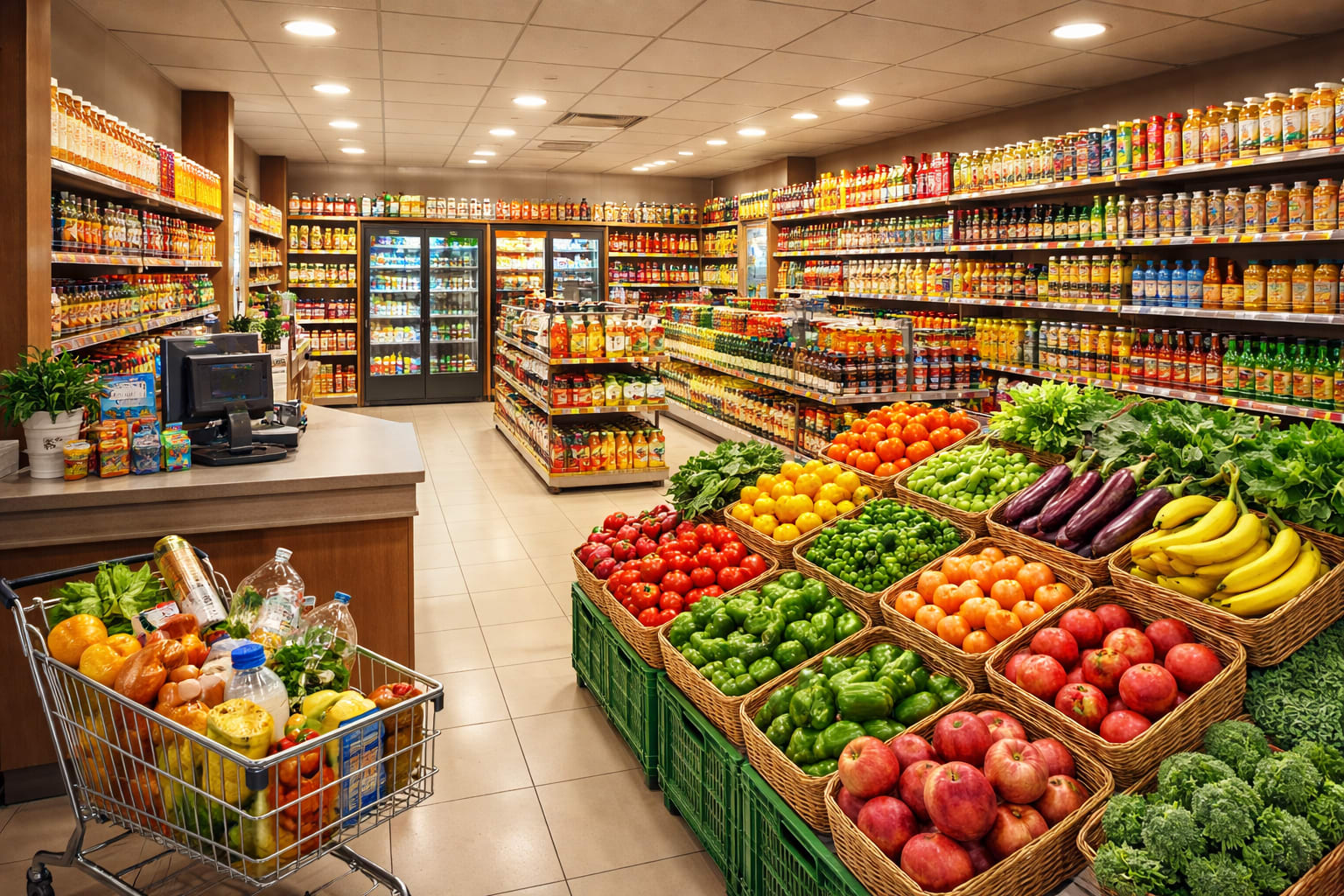
Buyzaar Mart Franchise Aligarh
Buyzaar Mart Franchise in Aligarh — Market Opportunity and Business Case
- Aligarh's retail landscape is at a turning point. A city long associated with its lock manufacturing industry and Aligarh Muslim University is now seeing steady residential expansion and a consumer base that's outgrowing the unorganized kirana model.
- For entrepreneurs evaluating where to place a grocery retail investment, understanding the underlying business case for a Buyzaar Mart franchise in Aligarh matters as much as knowing the application steps.
The Retail Market Opportunity in Aligarh
- Aligarh city holds a population of close to 9 lakh within municipal limits, with the surrounding district crossing 36 lakh — a large base for grocery demand that doesn't depend on a single locality alone.
- Organized retail penetration in Aligarh remains low relative to metro cities, meaning the bulk of daily grocery spending still flows through unbranded, inconsistent kirana outlets.
- Aligarh Muslim University and its affiliated institutions create a distinct, high-volume consumer segment — students, faculty, and staff — whose purchasing pattern is less seasonal than typical residential demand.
- The city's manufacturing and trading base, built around locks, hardware, and brassware, has produced a population that's economically active and accustomed to regular commercial spending.
- New residential development in colonies like Dodhpur, Ramghat Road, Sir Syed Nagar, Quarsi, and Swarna Jayanti Nagar signals ongoing demand growth rather than a saturated, static market.
- Aligarh's location on NH91, within reach of Delhi-NCR, keeps supply chain and logistics costs more manageable than in more remote district towns — a direct input into franchise profitability.
- The city's mixed economic base — trading families, government employees, university staff, and a growing salaried middle class — means demand isn't concentrated in a single income bracket, which reduces the risk of relying on one customer segment.
Why the Timing Favors Early Entrants
- Because branded grocery retail hasn't yet established a strong footprint across most Aligarh localities, an early franchise partner faces limited direct competition from other organized players.
- Consumer behavior is visibly shifting toward valuing billing transparency, consistent stock, and hygienic packaging — exactly what an organized store offers over a traditional kirana shop.
- Being an early mover in a specific locality also builds a stronger local reputation before competitors arrive, which matters in a market where word-of-mouth carries significant weight.
- Real estate and setup costs in a tier-2 city like Aligarh remain considerably lower than in metro markets, improving the investment-to-footfall ratio for a new franchise partner.
- As more residential colonies develop on the city's outskirts, an early store in an emerging locality can build customer loyalty ahead of the area's peak population growth, rather than entering once the market is already crowded.
- Franchise brands generally prioritize early support and marketing attention toward their first few outlets in a new city, meaning early Aligarh partners may benefit from more direct brand focus than partners entering an already well-established market.
Understanding the Business Model Behind the Franchise
- The Buyzaar Mart operates as a structured retail system, not a loosely branded kirana upgrade — store layout, inventory planning, staff training, and customer engagement all follow a standardized framework.
- The brand's positioning as a "Friendly Neighbourhood Store" is deliberate: it targets daily essentials and FMCG needs rather than competing with large-format hypermarkets on scale alone.
- Two ownership models — FOCM (Franchise Owned, Company Managed) and FOCO (Franchise Owned, Company Operated) — let an investor choose between a more passive or a more hands-on role.
- The Hassle-Free Inventory Assurance, where expired and damaged stock is bought back, functions as a direct margin protection mechanism that independent grocery owners typically don't have access to.
- All outlets operate under FSSAI and GST compliance, which matters both for legal standing and for building customer trust in a market where organized retail is still relatively new.
- The standardized framework also means a franchise owner isn't reinventing pricing strategy, vendor negotiation, or store design — reducing the trial-and-error period that typically costs new independent shopkeepers money in their first year of operation.
Store Format Economics — Mini Mart, Super Mart, Hyper Mart
- Mini Mart: 600–1,000 sq. ft., investment starting from ₹15 Lakh — the lowest-risk entry point, suited to testing a locality before committing to a larger format.
- Super Mart: A larger footprint and wider assortment than a Mini Mart, suited to busier commercial stretches with higher daily footfall.
- Expected gross margins across formats generally fall in the 18% to 20% range on sales, with actual performance shaped by location, footfall, and product mix.
- Choosing the right format is less about maximum size and more about matching investment to the specific locality's density — a Hyper Mart in a quiet residential lane may underperform, while a Mini Mart on a high-traffic stretch may hit capacity limits.
- Ongoing costs — rent, staff salaries, electricity, and miscellaneous expenses — sit with the franchisee separately from the one-time setup investment, and should be factored into the overall business case.
- A working capital cushion beyond the headline investment figure is also worth planning for, to comfortably absorb the first few months of operations before footfall and sales stabilize.
- Franchise partners scaling beyond their first outlet often reuse the same format that performed best in their initial location, since local demand patterns tend to repeat across similar Aligarh localities.
Product Categories That Drive Store Revenue
- Staple groceries — rice, wheat, pulses, flour, sugar, edible oils, and spices — forming the base of daily repeat purchases.
- Packaged and branded FMCG products across major categories, which typically carry stronger margins than loose staples.
- Dairy products including milk, curd, paneer, and butter, which drive frequent footfall due to their short shelf life and daily need.
- Packaged snacks, beverages, and ready-to-eat products, increasingly popular among the student and working population near AMU.
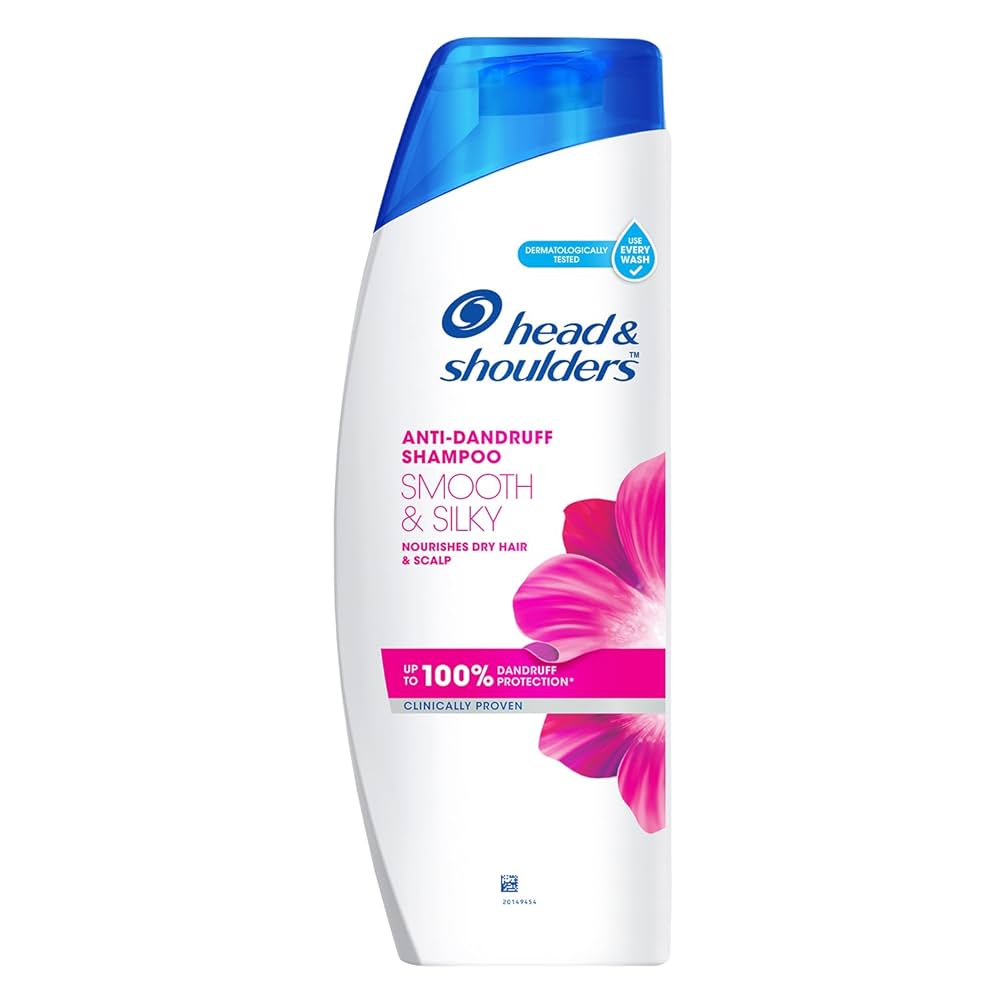
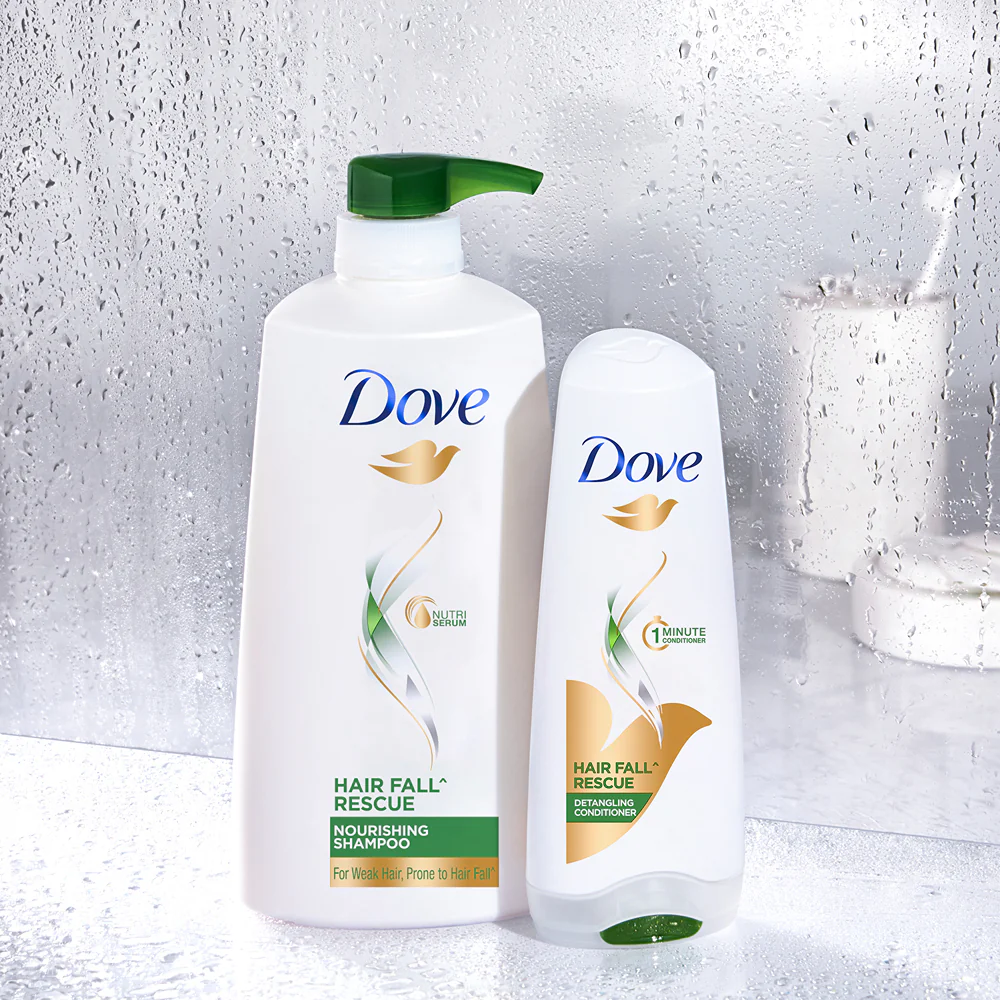
- Household cleaning, laundry, and personal care items, which build basket size beyond just food purchases.
- Baby care, mother care, and health and wellness products, which help position the store as a genuine one-stop destination.
- Fresh produce, where applicable to the format, along with stationery, utility items, and — in Hyper Mart formats — devotional items, toys, and pet care essentials.
- This assortment breadth is deliberate: it's designed to increase basket size and repeat-visit frequency rather than depend on a single high-margin category.
- A wider category mix also protects against seasonal dips in any one segment — for example, festive gifting and hamper sales can offset slower periods in staple grocery sales.
Franchise Support That Directly Impacts Profitability
- Site survey and formal location approval before any investment is committed, reducing the risk of choosing a commercially weak Aligarh location.
- POS technology for billing, inventory tracking, and sales reporting, which reduces shrinkage and improves stock accuracy compared to manual systems.
- Replenishment guidance and supplier coordination, helping avoid both stock-outs and overstocking — two of the most common profitability drains in independent grocery retail.
- The expired and damaged goods buyback policy, which protects margin on an ongoing basis rather than as a one-time launch benefit.
- Local marketing support at launch and during seasonal or festive periods, driving footfall without the franchise owner having to build a marketing function from scratch.
- Periodic performance audits and dashboards, giving the owner visibility into what's actually working rather than relying on guesswork.
- Staff training that covers not just billing and stocking but also customer service standards, which directly affects repeat-visit rates in a locality where trust and familiarity strongly influence shopping choices.
Risks a Franchise Structure Helps Reduce
- Location risk: Independent shop owners often lease first and evaluate viability later; the formal site survey process here reverses that order, reducing the chance of committing capital to a weak location.
- Inventory loss risk: Expired and damaged stock is one of the most common silent profit-drains in grocery retail; the buyback policy directly addresses this rather than leaving it to the owner to absorb.
- Operational inexperience risk: First-time entrepreneurs often lose money in year one to inefficient staffing, poor stock rotation, or inconsistent pricing — training and standardized systems are designed to shorten or remove this learning curve.
- Supply inconsistency risk: Coordinated procurement reduces the stock-outs and price fluctuations that independent stores often face when dealing directly with multiple unorganized suppliers.
- Brand trust risk: A new, unbranded store has to earn customer trust from zero; an established brand identity gives a new Aligarh outlet a head start with residents who may already be aware of Buyzaar Mart stores elsewhere in Uttar Pradesh.
Who the Business Case Suits Best
- First-time entrepreneurs in Aligarh who want a structured entry into retail rather than the trial-and-error of an independent store.
- Salaried professionals looking to build a second income stream through a more passive FOCM arrangement.
- Local business families in Aligarh's established trading community wanting to formalize a diversification into organized retail.
- HNI investors comparing Aligarh against metro markets, drawn by lower entry costs and lower existing competition in organized grocery retail.
- Anyone evaluating retail as an asset class rather than a lifestyle business — the scalable, standardized model supports moving from one outlet to multiple locations over time.
FAQs
Q1. Is Aligarh a good market for a grocery franchise right now?
Yes — low organized retail penetration combined with a large, steadily growing population makes it a favorable entry point.
Q2. What is the minimum investment required?
Investment starts from ₹15 Lakh for a Mini Mart format of 600–1,000 sq. ft.
Q3. What profit margin can a franchise owner expect?
Generally 18% to 20% gross margin on sales, depending on location, footfall, and product mix.
Q4. Which store format is best for a first-time investor in Aligarh?
A Mini Mart is typically the lowest-risk entry point for testing a locality before scaling up.
Q5. Does the brand help identify a good location?
Yes, a formal site survey and approval process is conducted before any investment is finalized.
Q6. What product categories perform best in an Aligarh store?
Staples, dairy, FMCG packaged goods, and personal care items tend to drive the most consistent footfall and basket size.
Q7. How does the franchise reduce common retail risks?
Through formal site approval, an expired-goods buyback policy, coordinated procurement, and structured staff training.
Q8. How do I start exploring this opportunity?
Submit the franchise inquiry form at www.thebuyzaarmart.com or contact the team directly by phone or email.
Explore the Aligarh Franchise Opportunity
- Aligarh's daily consumer economy offers one of the most reliable opportunities for a branded grocery retail store.
- Join The Buyzaar Mart franchise network and bring your neighborhood a modern daily needs store built on trust, convenience, and professional retail systems.
- Email: info@thebuyzaarmart.com
- Phone / WhatsApp: 9217991727
- Business Hours: Monday to Saturday, 09:00 AM – 07:00 PM

Store Features & Services
Discover our comprehensive range of services designed to provide the best shopping experience for urban and semi-urban households
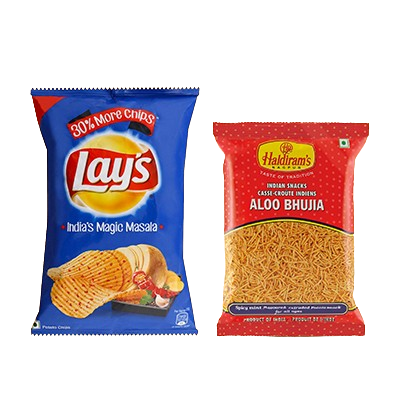
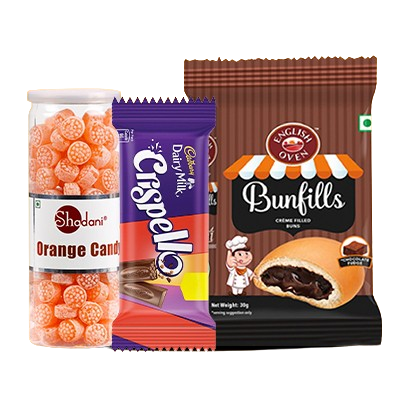
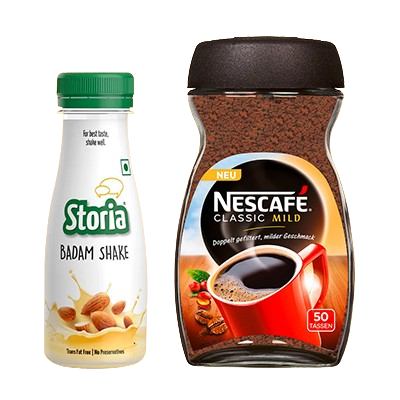
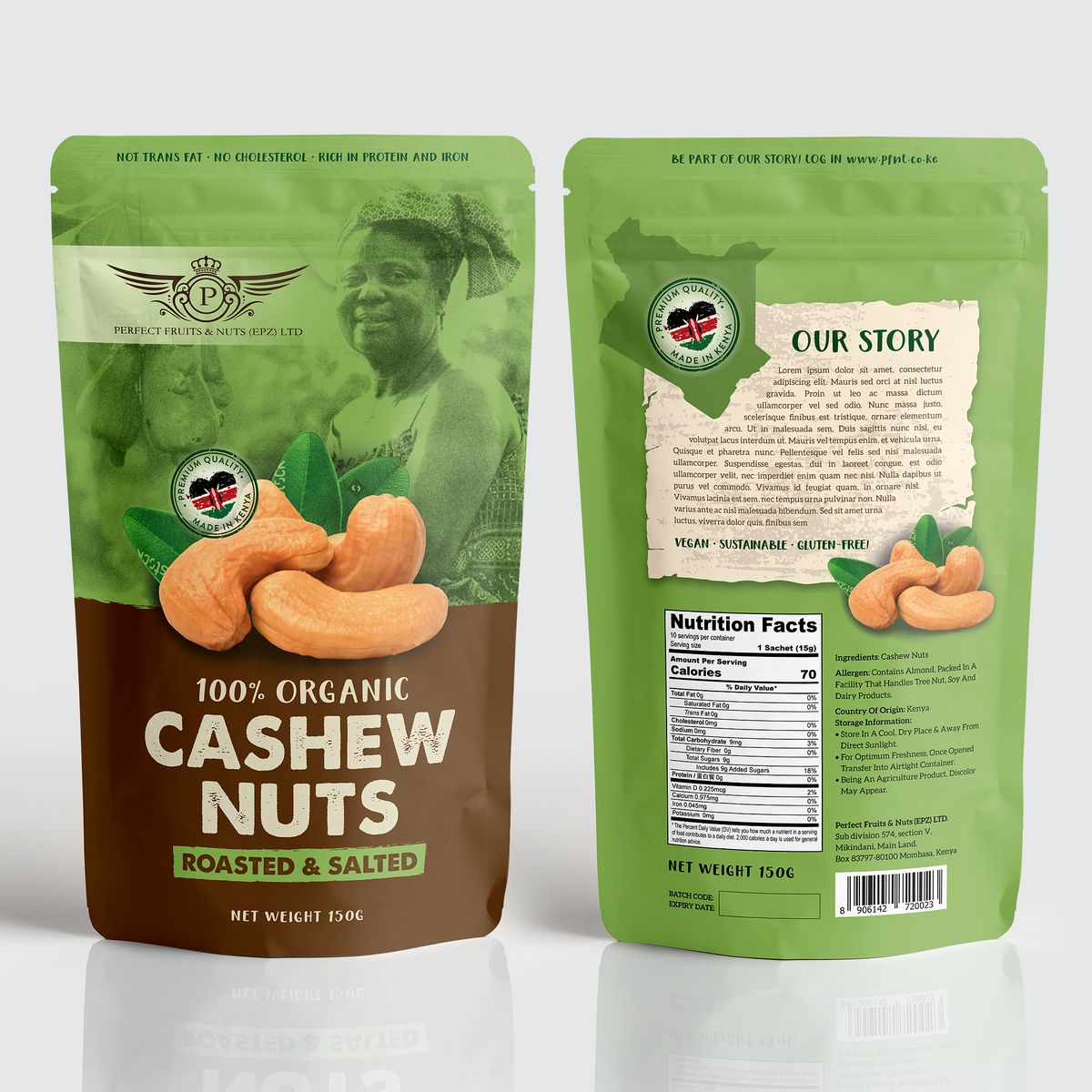
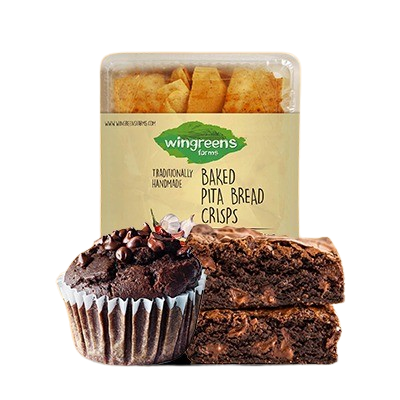

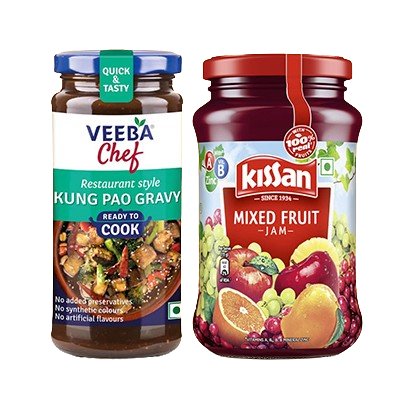
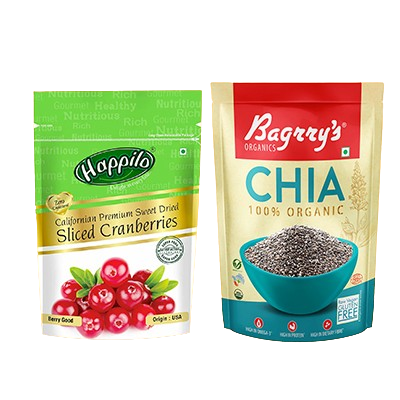


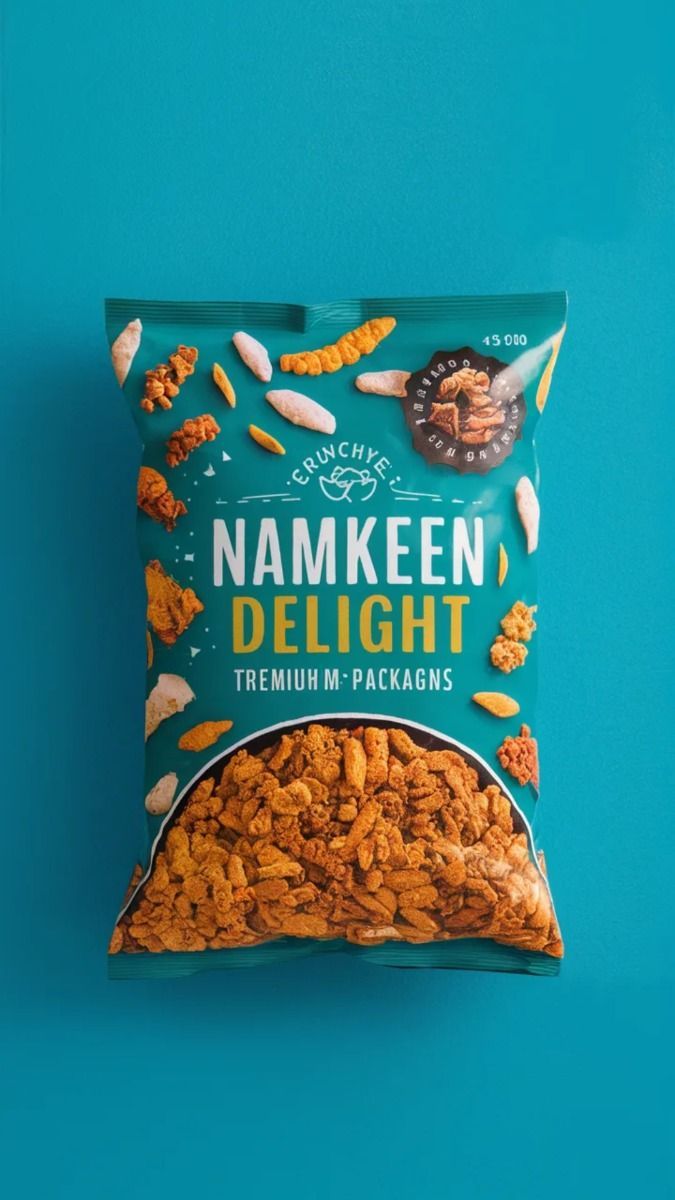
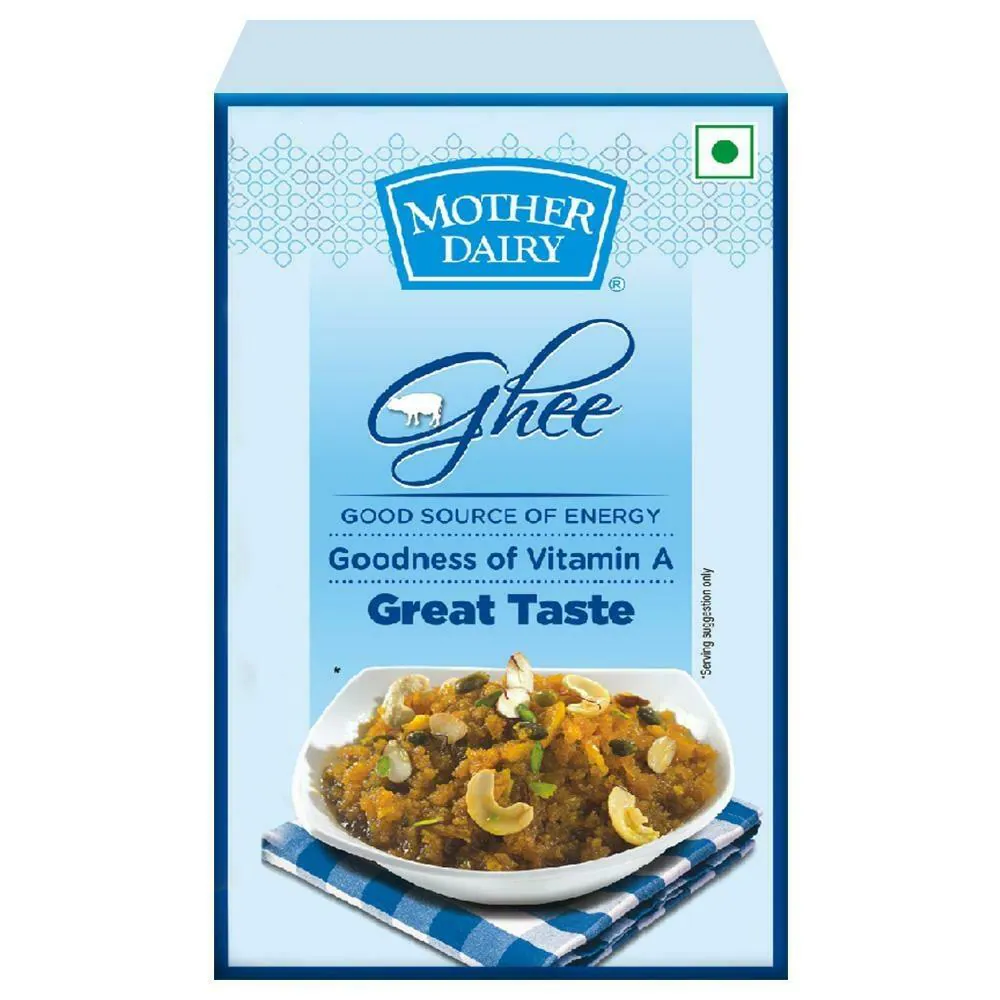
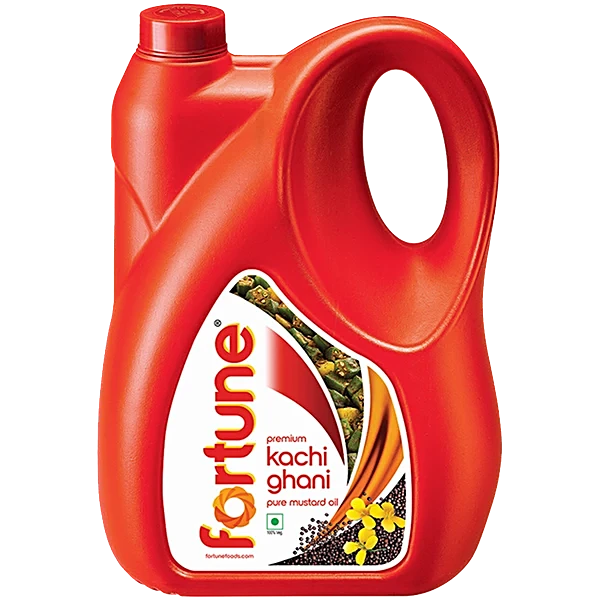
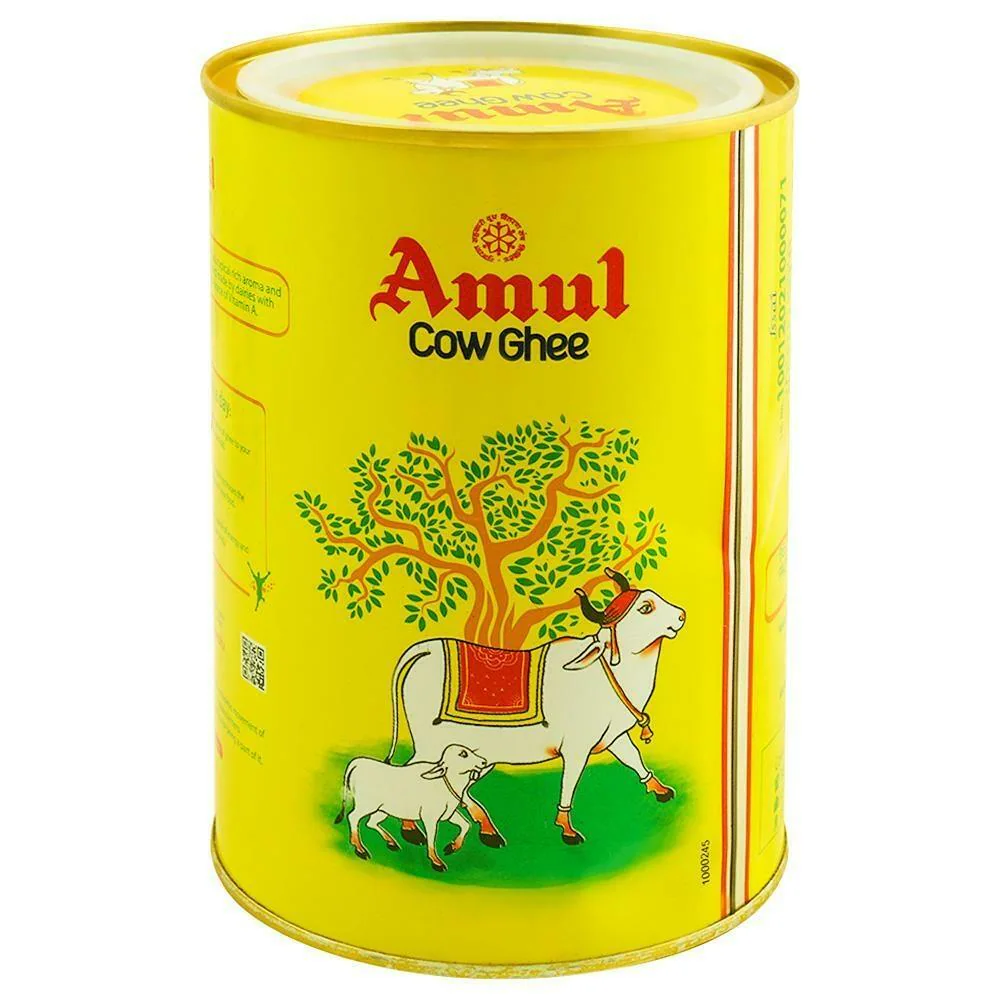


Wide Product Range
Daily-need items under one roof!

Affordable Pricing
Value-conscious pricing strategy!

POS-Enabled Billing System
Modern point-of-sale technology!

Customer Relationship Management (CRM)
Building lasting customer relationships!

Uniform Branding & Store Design
Consistent professional identity!
Localized Product Flexibility
Adapted to local preferences!