Grocery Franchise Investment in Aligarh | The Buyzaar Mart
Grocery Franchise Investment in Aligarh: Category-Specific Financial Breakdown
- Grocery retail behaves differently from general retail when you look closely at the numbers.
- Perishables carry wastage risk that electronics or apparel never face.
- Inventory turns over far faster.
- Compliance costs like FSSAI licensing apply in ways that don't touch every retail category.
- If you are evaluating a grocery franchise investment in Aligarh specifically, these category-level details matter more than generic retail benchmarks.
- This guide breaks down the financial picture through a grocery-specific lens — inventory economics, perishable-category margins, compliance costs, and what actually drives returns in this category — using The Buyzaar Mart's model as a reference.
What Makes Grocery Investment Different from General Retail
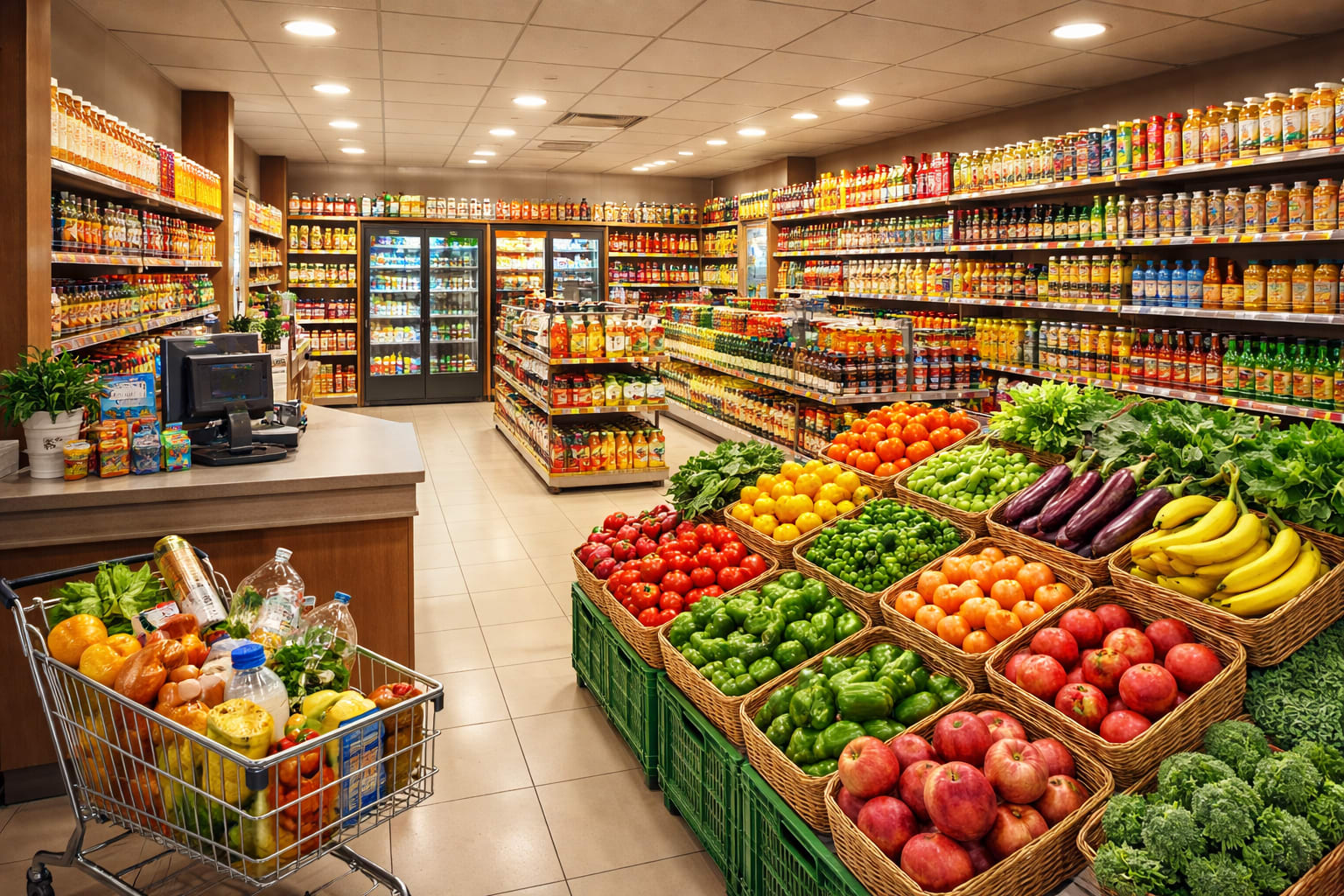
- Before looking at numbers, it's worth understanding why grocery deserves its own financial analysis rather than being treated like any other retail category:
- Extremely high purchase frequency: Unlike apparel or electronics, grocery items are bought weekly or even daily, which means a grocery store's revenue is driven by repeat-visit frequency rather than occasional big-ticket transactions.
- Perishable inventory risk: Categories like fresh produce, dairy, and bakery carry a built-in wastage factor that non-grocery retail simply does not face, directly affecting net margin calculations.
- Faster inventory turnover: Grocery stock typically turns over multiple times per month, meaning working capital gets recycled faster than in categories where inventory can sit for months.
- Lower average transaction value, higher transaction count: Grocery businesses depend on volume rather than high-ticket sales, which changes how you should think about footfall versus average basket size when projecting revenue.
- Category-specific compliance costs: FSSAI licensing, weights and measures certification, and food safety standards apply specifically because groceries involve consumable and perishable goods.
- These distinctions mean that generic retail investment benchmarks can be misleading if applied directly to a grocery-specific decision.
Breaking Down Grocery-Specific Cost Components
- Beyond the standard franchise investment components, grocery retail carries a few category-specific cost factors worth budgeting for separately:
- Refrigeration and cold storage equipment, necessary for dairy, frozen items, and fresh produce, representing a meaningful chunk of fit-out costs that a non-perishable retail format would not need.
- Higher inventory replenishment frequency, since perishable stock needs more frequent restocking cycles than packaged goods, which affects logistics costs and staff time allocation.
- Wastage provisioning, a cost category that should be explicitly built into your financial model rather than treated as an afterthought, since unsold perishable stock is a genuine and recurring expense.
- FSSAI compliance and food safety training, a category-specific requirement that adds a modest but necessary cost layer compared to non-food retail formats.
- Weighing and packaging equipment, relevant for loose grocery items like grains, pulses, and fresh produce sold by weight.
Investment Slabs Viewed Through a Grocery Lens
- The same format tiers apply, but here's how they specifically play out for grocery-focused stores:
- Mini Mart (Rs 15.2–26.5 lakh): At this scale, perishable categories are typically kept limited (basic dairy, eggs, and a small fresh produce section) to manage wastage risk within a smaller, more controllable inventory footprint.
- Super Mart (Rs 26.5–78.8 lakh): This format can support a fuller grocery assortment, including expanded fresh produce, dairy, and frozen sections, since higher footfall helps offset the wastage risk of a broader perishable range.
- Hyper Mart (Rs 78.8 lakh–2 crore): At this scale, a comprehensive grocery department becomes viable, including full fresh produce, meat/dairy, and bakery sections, supported by higher inventory turnover and dedicated cold storage infrastructure.
- Choosing a format based purely on general retail logic without factoring in your ability to manage perishable categories can lead to avoidable wastage losses, particularly for first-time grocery franchise investors.
How Inventory Turnover Affects Your Working Capital Needs
- Grocery retail has a specific advantage that general retail investment analysis often overlooks: fast inventory turnover reduces the working capital actually tied up at any given time.
- Packaged FMCG goods typically turn over every few weeks, meaning your capital is recycled multiple times per month rather than sitting idle in slow-moving stock.
- Fresh produce and dairy turn over even faster, often within days, which reduces capital lock-up but increases the operational discipline required to avoid spoilage losses.
- This turnover speed means grocery businesses often need proportionally less working capital per rupee of revenue compared to categories like apparel or electronics, where inventory can sit for months before selling.
- However, faster turnover also means more frequent restocking decisions, requiring more active day-to-day inventory management than slower-moving retail categories.
- Understanding this dynamic helps investors realize that grocery's working capital efficiency is a genuine financial advantage, even though it requires more hands-on operational attention.
Margin Analysis: Where Grocery Profit Actually Comes From
- The commonly cited 18–20% margin figure is a blended average across categories, and it's worth understanding how different grocery sub-categories contribute differently:
- Packaged FMCG and household items typically offer more predictable, stable margins since there's no spoilage risk and pricing is generally fixed by the manufacturer or distributor.
- Fresh produce can offer higher margins on paper but carries wastage risk that reduces effective realized margin if not managed carefully.
- Dairy and bakery often operate on thinner margins individually but drive strong footfall and repeat visits, indirectly supporting sales across other higher-margin categories.
- Personal care and household essentials frequently carry some of the best margins in a grocery store's overall mix, making shelf space allocation to these categories financially important.
- A well-run grocery franchise actively manages this category mix rather than treating all products as equally profitable, which is a key driver of whether actual realized margin meets or falls short of the 18–20% benchmark.
Compliance Costs Specific to Grocery Investment
- Grocery retail carries specific regulatory costs that should be factored into your investment planning for Aligarh:
- FSSAI license fees and renewal costs, mandatory for any store selling packaged food, groceries, or fresh produce.
- Weights and measures certification, required for stores selling loose items like grains, pulses, or fresh produce by weight.
- Food safety training costs for staff, an ongoing operational requirement rather than a one-time expense.
- Cold chain compliance, relevant if you stock frozen or refrigerated items, requiring adherence to specific storage temperature standards.
- These costs are generally modest relative to overall investment but represent a category-specific line item that a general retail financial model might not account for.
Step-by-Step Financial Planning for Grocery-Specific Investment
- Here is how to approach the investment decision with grocery-specific factors built in:
- Estimate your perishable category exposure based on your chosen format, and budget for wastage provisioning as a genuine, recurring cost rather than an unexpected loss.
- Factor refrigeration and cold storage costs into your fit-out budget separately from general shelving and interior costs.
- Model working capital needs based on turnover speed, recognizing that grocery's fast inventory cycling reduces capital lock-up compared to slower-moving retail categories.
- Plan your category mix deliberately, balancing high-footfall categories like dairy with higher-margin categories like packaged goods and personal care.
- Budget for FSSAI and food safety compliance costs as a distinct line item in your overall investment plan.
- Build a conservative wastage assumption into your margin projections, rather than assuming the full theoretical margin will be realized across all categories.
Realistic Return Expectations for Grocery-Specific Investment
- Putting the category-specific factors together, here is a realistic financial picture:
- Net realized margins slightly below the theoretical 18–20% benchmark in the early months, as new store operators learn to manage perishable wastage effectively.
- Improving margin performance over time as category mix optimization and inventory management practices mature.
- A payback period of approximately 18–24 months, consistent with general retail benchmarks, though grocery's faster inventory turnover can support smoother cash flow throughout that period.
- Strong resilience to economic downturns, since grocery spending remains relatively stable even when discretionary retail categories see reduced demand.
Frequently Asked Questions (FAQs)
Q1. How does grocery investment differ financially from general retail?
Grocery involves perishable wastage risk, faster inventory turnover, and category-specific compliance costs that general retail formats don't face.
Q2. Does perishable inventory reduce my actual margin?
Yes, wastage should be factored into your margin projections rather than assuming full theoretical margin realization.
Q3. Is grocery's fast inventory turnover a financial advantage?
Yes, it generally reduces working capital lock-up compared to slower-moving retail categories, though it requires more active management.
Q4. What additional compliance costs apply to grocery investment?
FSSAI licensing, weights and measures certification, and food safety training are grocery-specific requirements.
Q5. Which grocery categories typically offer the best margins?
Packaged FMCG, household essentials, and personal care items generally offer more stable and often higher margins than fresh perishables.
Q6. Should I start with a smaller perishable range as a new investor?
Yes, starting with a limited, more manageable perishable assortment helps control wastage risk while you build operational experience.
Q7. Is grocery a more stable investment than other retail categories?
Yes, since grocery spending is largely non-discretionary, it tends to be more resilient during economic slowdowns than categories like fashion or electronics.
Start Your Grocery Franchise Investment in Aligarh
Aligarh's growing consumer economy and strong connectivity offer one of the most reliable opportunities for a branded grocery franchise investment in the region.
Join The Buyzaar Mart franchise investment network and bring your neighborhood a modern daily needs store built on trust, convenience, and professional retail systems.
Email: info@thebuyzaarmart.com
Phone / WhatsApp: 9217991727
Business Hours: Monday to Saturday, 09:00 AM – 07:00 PM

Store Features & Services
Discover our comprehensive range of services designed to provide the best shopping experience for urban and semi-urban households




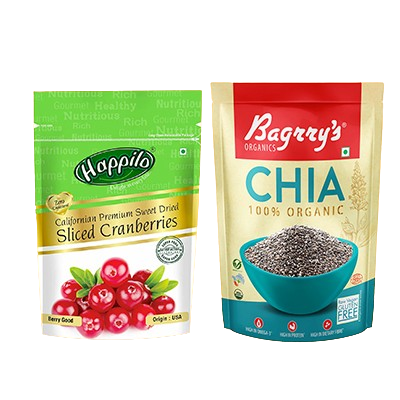




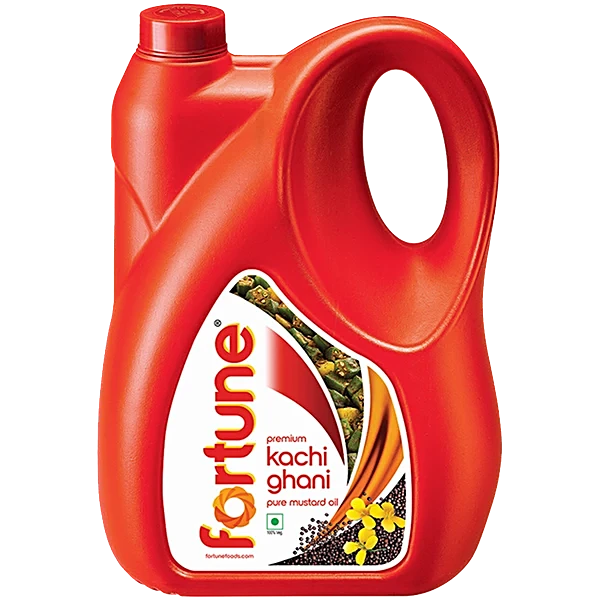
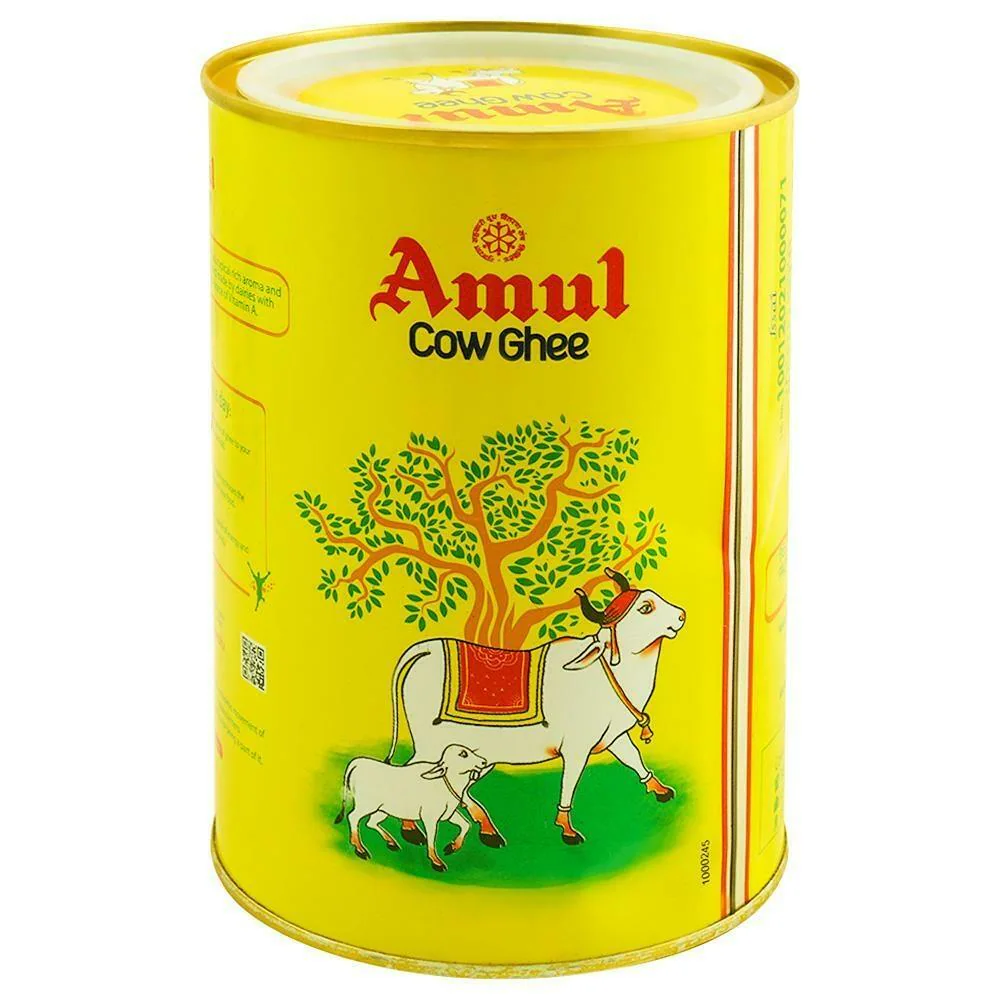




Wide Product Range
Daily-need items under one roof!

Affordable Pricing
Value-conscious pricing strategy!

POS-Enabled Billing System
Modern point-of-sale technology!

Customer Relationship Management (CRM)
Building lasting customer relationships!

Uniform Branding & Store Design
Consistent professional identity!
Localized Product Flexibility
Adapted to local preferences!