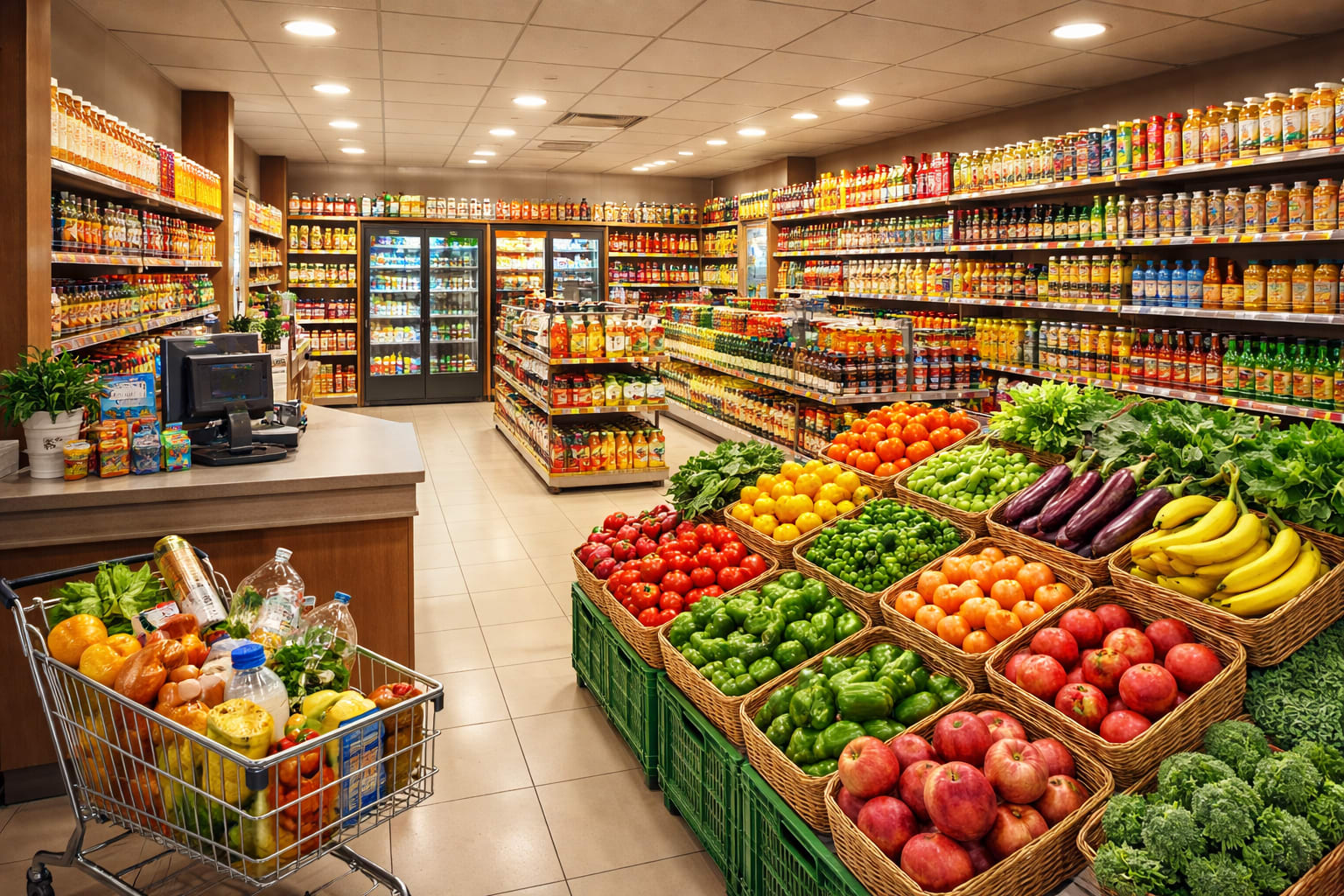
How to Take Franchise of Grocery Mart in Aligarh | The Buyzaar Mart
How to Take a Grocery Mart Franchise in Aligarh: Costs, Funding & Setup Guide
Taking a grocery mart franchise is less about finding an opportunity — that part is straightforward — and more about planning the financial and operational side correctly. If you are exploring "how to take a franchise of a grocery mart in Aligarh," this guide focuses on the practical side of the decision: how much money you actually need, how to arrange funding, what the ongoing cost structure looks like, and how to set up the store once the deal is finalized, using The Buyzaar Mart as a reference model.
Why Aligarh Makes Sense for a Grocery Mart Franchise Right Now
- Retail is still transitioning from unorganized to organized: A large share of grocery shopping in Aligarh still happens through traditional kirana stores, leaving significant room for a branded, professionally run mart to capture market share.
- Residential expansion is ongoing: Areas like Dodhpur, Ramghat Road, Sasni Gate, and Vijaygarh Road continue to see new housing projects, which steadily grows the customer base for nearby retail stores.
- A large student and working population: Aligarh Muslim University and several other colleges bring in thousands of students and staff who regularly need daily essentials, personal care items, and packaged food.
- Reasonable real estate costs compared to metro cities: Commercial rental and property costs in Aligarh remain considerably lower than in Delhi-NCR or other larger cities, making the overall investment more manageable.
- Good logistics connectivity: The city's location along NH91 keeps it well connected to Delhi-NCR, supporting efficient centralized supply chain operations for franchise brands.
These factors combine to make Aligarh a financially sensible city to take on a grocery mart franchise, both in terms of upfront cost and long-term growth potential.
Understanding the Full Cost Structure Before You Commit
- Brand or franchise fee, which is typically a one-time payment giving you the rights to operate under the brand name and use its systems.
- Store setup and interior costs, covering shelving, refrigeration units, signage, flooring, and electrical work needed to bring the space up to brand standards.
- Initial inventory investment, required to stock the store adequately at launch across all product categories.
- Security deposit and rental costs, if the property is leased rather than owned, which should be factored into your monthly operating budget.
- Technology and POS system costs, generally bundled into the franchise package but worth confirming during discussions.
- Working capital buffer, needed to cover the first few months of operating expenses before the store reaches a stable sales rhythm.
Understanding these components in advance helps applicants avoid being under-capitalized after signing the franchise agreement — a common mistake among first-time retail entrepreneurs.
Investment Slabs by Store Format
- Mini Mart: Requiring roughly 600–1,000 sq. ft. of retail space, this format typically needs an investment of Rs 15–23 lakh, including the brand fee, making it the most accessible option for first-time franchise takers.
- Super Mart: A mid-size format needing around 1,000–3,000 sq. ft., with investment ranging between Rs 23–56 lakh, suited for busier commercial locations or larger residential catchments.
- Hyper Mart: The largest format, requiring 3,000+ sq. ft. and an investment between Rs 56 lakh and Rs 1.8 crore, designed for entrepreneurs targeting a full-scale supermarket experience in a prime location.
For most applicants in Aligarh, the Mini Mart or Super Mart format offers a practical balance between manageable investment and genuine business scale, with the option to expand to a Hyper Mart later.
Funding Options to Consider
- Personal savings and family funding, often used to cover the initial portion of the investment, particularly the franchise fee and part of the setup cost.
- Business loans from banks or NBFCs, many of which offer specific retail or franchise business loan products with structured repayment terms.
- MSME and government-backed loan schemes, which are sometimes accessible to small retail businesses and can offer relatively favorable interest rates.
- Property-backed loans, where existing property is used as collateral to secure a larger loan amount at comparatively lower interest rates.
- Partnership investment, where two or more individuals pool resources to jointly take on a larger format like a Super Mart or Hyper Mart, sharing both investment and profits.
It is advisable to have a clear repayment plan mapped against the expected payback period of the business before finalizing any loan or funding arrangement.
Step-by-Step Process to Take the Franchise
- Reach out to the franchisor with your interest. Share your city, budget range, and general timeline for starting the business.
- Discuss format options in detail. Based on your investment capacity, narrow down whether a Mini Mart, Super Mart, or Hyper Mart makes the most sense for your situation.
- Identify and propose a location. Share details of your shortlisted property, including size, frontage, and surrounding residential or commercial density.
- Complete the site feasibility evaluation. The franchisor's team typically reviews the location for footfall potential and competition before approving it.
- Finalize funding arrangements. Secure any required loans or partner contributions ahead of signing, so there are no delays once the agreement is ready.
- Review and sign the franchise agreement. This defines investment terms, margin structure, supply obligations, and operational responsibilities for both sides.
- Begin store construction and fit-out. This includes interior design, shelving installation, signage, and setting up billing and POS infrastructure.
- Place your initial inventory order. Working with the centralized supply system, plan your opening stock across grocery, household, and personal care categories.
- Train your staff before launch. Cashiers and floor staff typically go through training on billing systems, customer service, and stock handling procedures.
- Plan and execute your store launch. A well-planned opening with local marketing and promotional offers helps build early footfall and repeat customers.
Licenses and Registrations Required
- GST registration, required for tax compliance and proper invoicing on all sales.
- FSSAI license, mandatory for any store selling packaged food, groceries, or fresh produce.
- Shop and establishment registration, which formally authorizes the commercial operation of the store.
- Trade license from the Aligarh Municipal Corporation, needed to legally run a retail business within city limits.
- Fire safety clearance, particularly relevant for Super Mart and Hyper Mart formats given their larger floor area.
Franchise brands generally provide guidance through this documentation process, helping first-time applicants avoid common compliance delays.
Expected Margins and Payback Period
- Gross margins typically around 18–20%, made possible through centralized bulk procurement negotiated by the franchisor.
- Monthly sales potential ranging from approximately Rs 10–16 lakh for a Mini Mart up to Rs 48 lakh–2 crore for a Hyper Mart, depending on location and footfall.
- A payback period of roughly 18–24 months, giving franchise partners a reasonably predictable timeline for recovering their initial investment.
- Steady, recurring monthly revenue, since grocery and household essentials represent high-frequency, non-discretionary spending.
Practical Tips Before Signing the Agreement
- Get complete cost clarity in writing, including the brand fee, setup costs, and any recurring charges, before signing anything.
- Visit an existing outlet if possible, to observe daily operations, customer footfall, and staff workflow firsthand.
- Clarify the supply and replenishment terms, understanding how often stock is delivered and what happens during shortages or delays.
- Understand the exit or termination clauses, so you are clear on your options if circumstances change after signing.
- Plan your working capital conservatively, budgeting for at least a few months of lower-than-expected sales during the initial settling-in period.
Frequently Asked Questions (FAQs)
Q1. What is the minimum investment to take a grocery mart franchise?
Investment typically starts around Rs 15–23 lakh for a Mini Mart, going up depending on the format selected.
Q2. Can I fund the franchise partly through a bank loan?
Yes, many applicants combine personal savings with business loans or MSME schemes to fund the investment.
Q3. How much space do I need for a grocery mart?
Space requirements range from around 600 sq. ft. for a Mini Mart to 3,000+ sq. ft. for a Hyper Mart.
Q4. Do I need retail experience to take this franchise?
No, training and operational support are typically provided, making it accessible to first-time entrepreneurs.
Q5. What licenses are required after taking the franchise?
GST registration, an FSSAI license, shop establishment registration, and a local trade license are generally required.
Q6. How long does it take to recover the investment?
Most franchise partners can expect a payback period of approximately 18–24 months under stable operations.
Q7. Can I take the franchise with a business partner?
Yes, partnership funding is a common approach, especially for larger formats like Super Mart or Hyper Mart.
Start Your Grocery Mart Franchise Journey in Aligarh
Aligarh's growing residential and student population offers one of the most reliable opportunities for a branded grocery retail store.
Join The Buyzaar Mart franchise network and bring your neighborhood a modern daily needs store built on trust, convenience, and professional retail systems.
Email: info@thebuyzaarmart.com
Phone / WhatsApp: 9217991727
Business Hours: Monday to Saturday, 09:00 AM – 07:00 PM

Store Features & Services
Discover our comprehensive range of services designed to provide the best shopping experience for urban and semi-urban households
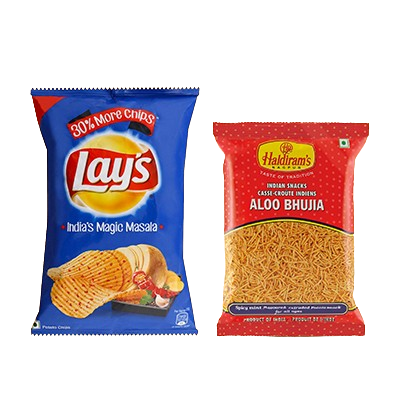

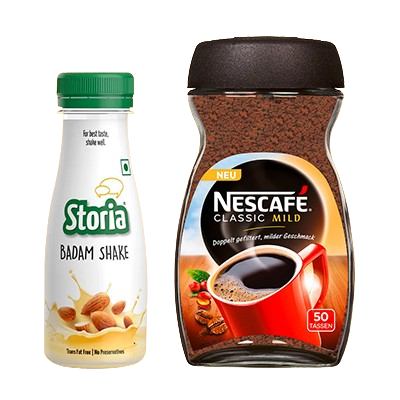


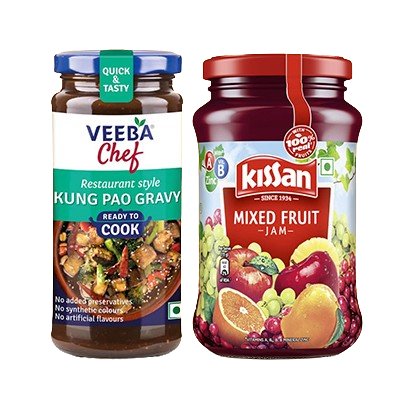
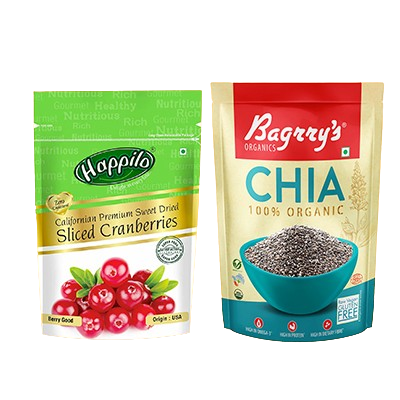




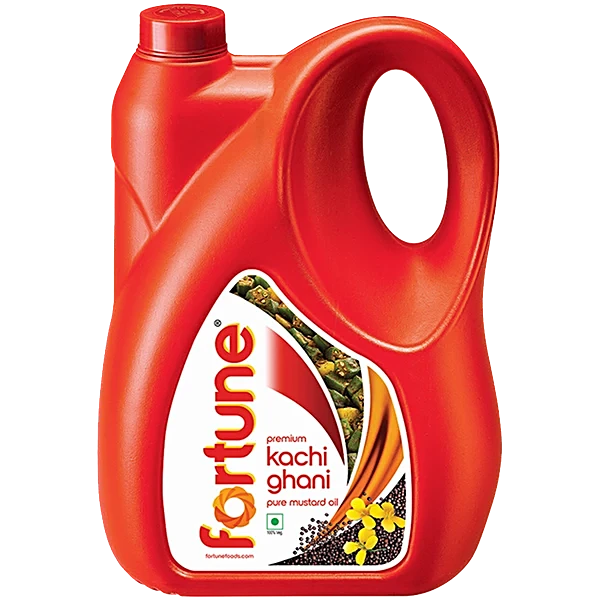
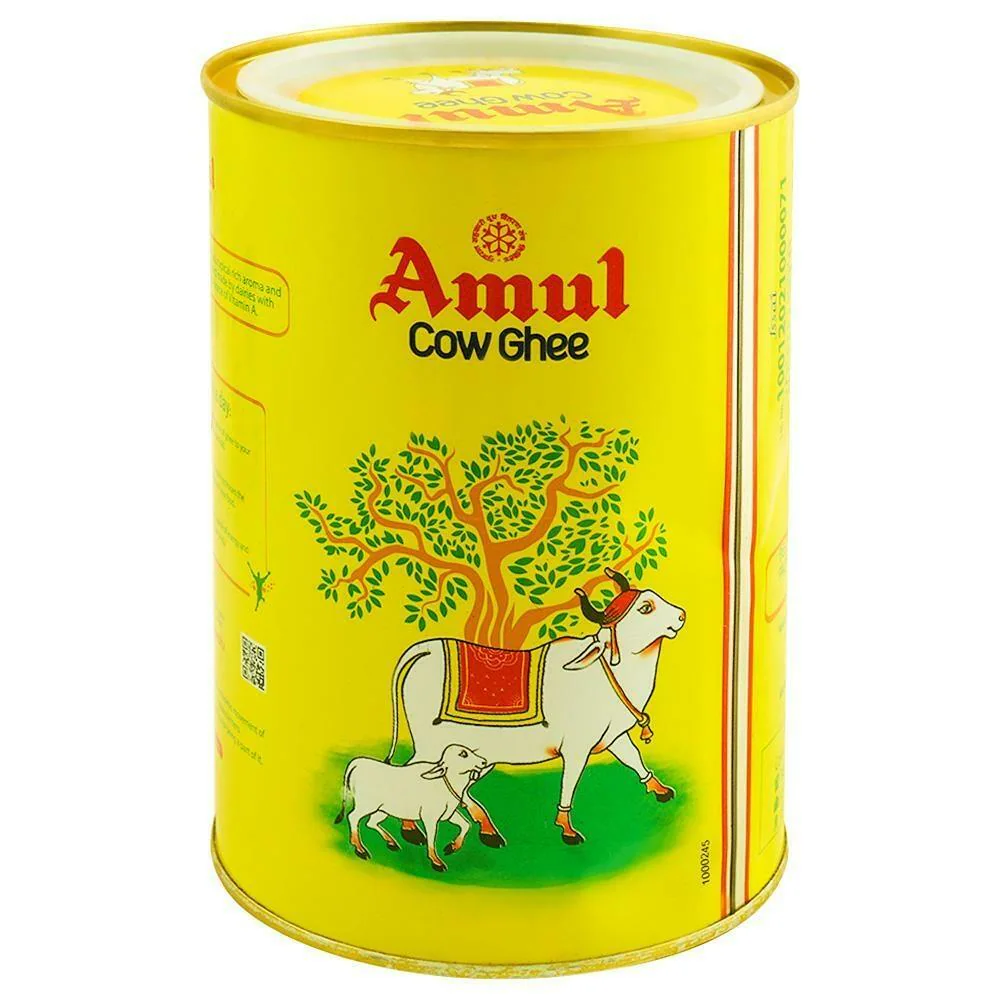




Wide Product Range
Daily-need items under one roof!

Affordable Pricing
Value-conscious pricing strategy!

POS-Enabled Billing System
Modern point-of-sale technology!

Customer Relationship Management (CRM)
Building lasting customer relationships!

Uniform Branding & Store Design
Consistent professional identity!
Localized Product Flexibility
Adapted to local preferences!