
Mart Franchise Starting 15 Lakh in Aligarh | The Buyzaar Mart
Mart Franchise Starting at Rs 15 Lakh in Aligarh: A Readiness Checklist
If Rs 15 lakh is roughly what you have to work with, the real question isn't just "what does this get me" — it's "am I actually ready to take this on, and how does it stack up against other options at the same price point." This guide is built as a practical readiness checklist for anyone evaluating a mart franchise starting at Rs 15 lakh in Aligarh, covering how to self-assess before applying, how this option compares to alternative uses of the same capital, and what separates a well-prepared applicant from one likely to struggle after opening.
First, a Quick Reality Check on What Rs 15 Lakh Buys
- A Mini Mart format of roughly 600–1,000 sq. ft., not a full supermarket-sized outlet.
- A lean team of 2–3 staff, meaning you will likely be hands-on in daily operations, at least initially.
- A focused, not exhaustive, product range, covering core grocery, household, and personal care essentials rather than an extensive supermarket catalog.
- A realistic monthly sales ceiling of roughly Rs 10–16 lakh, scaling with footfall and location strength rather than product breadth.
- An 18–24 month payback horizon, similar to larger formats, but on a smaller absolute capital base.
- A tighter margin for error on layout decisions, since limited floor space means every shelf and category placement decision has a proportionally bigger impact on sales than it would in a larger-format store.
Checklist Item 1: Do You Have Working Capital Beyond the Rs 15 Lakh?
- Confirm what the Rs 15 lakh actually covers — Typically this includes the brand fee, store fit-out, initial inventory, and basic POS technology, not property purchase or ongoing rent.
- Budget separately for rental deposits and monthly rent if you are leasing rather than owning your commercial space in Aligarh.
- Set aside a 3–4 month operating buffer to cover salaries, utilities, and restocking during the settling-in period before sales stabilize.
- Avoid stretching to your absolute financial limit, since unexpected costs — a slower-than-expected launch, seasonal dips, or delayed supply — are common in the first few months of any new store.
- Account for local statutory and municipal costs separately — registration renewals, minor compliance fees, and signage permissions are small individually but add up if not budgeted for upfront.
- Keep a contingency fund distinct from your operating buffer — a separate reserve for genuinely unexpected events (equipment repair, a delayed shipment, a slow festive season) prevents you from dipping into funds meant for salaries or restocking.
Checklist Item 2: Is Your Chosen Location Actually Mini Mart-Suited?
- Look for genuine residential density within easy walking distance, since a Mini Mart depends on frequent, small-basket, repeat visits rather than destination shopping trips.
- Avoid oversized commercial spaces that exceed your format, as paying rent for unused floor area erodes margins without adding sales.
- Check for direct line-of-sight visibility from the main road, since compact stores rely heavily on passive footfall and visibility rather than heavy marketing budgets.
- Assess nearby competition realistically, distinguishing between areas with too many similar shops versus a genuine gap in organized retail.
- Evaluate ease of last-mile delivery access to the site — a location with awkward loading access can quietly inflate your restocking time and cost, which matters more for a lean-staffed Mini Mart than a larger store with dedicated logistics support.
- Check for complementary nearby businesses — proximity to a chemist, a school, or a residential society entrance often generates natural incidental footfall that a standalone location on a quiet stretch would not get.
Checklist Item 3: Are You Personally Ready for Hands-On Involvement?
- Expect to be present regularly, especially in the first few months, since a 2–3 person team benefits significantly from direct owner oversight during the launch phase.
- Be prepared to handle staff management directly, including hiring, basic training reinforcement, and covering shifts if needed.
- Plan to personally monitor early sales data, since spotting which categories perform well versus poorly is critical for a compact store with limited shelf space.
- Consider your other commitments honestly, since this format works best for someone who can dedicate meaningful time, not just capital.
- Be ready to make quick, small daily decisions — reordering a fast-moving item, adjusting a shelf, handling a customer complaint — since a lean team typically defers these calls to the owner rather than a dedicated manager.
- Assess your comfort with variable daily routines — unlike a passive investment, a hands-on Mini Mart means your week will genuinely be shaped by store needs, especially in the first two to three months.
Checklist Item 4: How Does This Compare to Other Rs 15 Lakh Options?
- Versus a fixed deposit or mutual fund investment — A mart franchise offers active income potential and business ownership, but with meaningfully more risk and required time commitment than a passive financial investment.
- Versus starting an unbranded, independent grocery shop — A franchise provides supply chain support, brand trust, and operational systems that an independent shop owner would have to build from scratch, often at similar or higher effective cost once trial-and-error is accounted for.
- Versus other franchise categories at the same budget (such as food and beverage kiosks or small service franchises) — Grocery retail generally offers steadier, less seasonal demand, since daily essentials are purchased consistently regardless of external factors like weather or trends.
- Versus real estate or rental property investment — A mart franchise typically offers a faster payback period (18–24 months) compared to most rental property investments, though it comes with active management responsibility that property investment does not.
Checklist Item 5: Are You Clear on the Format's Growth Path?
- Understand the upgrade path to Super Mart, which typically requires an additional investment in the Rs 23–56 lakh range once your Mini Mart proves stable.
- Plan for profit reinvestment, treating early profits as a potential funding source for future expansion rather than purely personal withdrawal.
- Consider whether multiple Mini Mart locations might suit your goals better than upgrading a single store, particularly if you have identified more than one strong location in Aligarh.
- Keep growth plans flexible, since actual store performance in the first year will tell you far more about the right next step than planning too rigidly in advance.
- Set a clear internal milestone for reviewing growth options — for example, revisiting expansion plans only after 8–10 consistent months of stable sales, rather than reacting to a single strong month.
- Document what's working before scaling it — before opening a second Mini Mart or upgrading format, be clear on which specific factors (location type, product mix, staffing approach) actually drove your first store's success, so you can replicate rather than guess.
Step-by-Step Process Once You've Completed the Checklist
- Confirm your total available capital, including the Rs 15 lakh franchise investment plus rental and working capital buffers.
- Shortlist 2–3 potential locations, rather than committing to the first available space, to compare footfall and rental terms.
- Reach out to the franchisor with your budget and shortlisted locations — being specific at this stage speeds up the feasibility review.
- Undergo site evaluation and approval, where the franchisor assesses your proposed location against catchment and competition criteria.
- Review and sign the franchise agreement, confirming exactly what is included in the Rs 15 lakh investment.
- Plan your compact store layout, prioritizing high-turnover categories given the limited floor space.
- Complete fit-out and initial stocking, working closely with the centralized supply system for your opening inventory.
Licenses You Will Still Need
- GST registration for tax compliance and billing.
- FSSAI license, mandatory for packaged food and grocery sales.
- Shop and establishment registration, authorizing your retail operation.
- Trade license from the Aligarh Municipal Corporation, required for legal operation within city limits.
- Fire and safety compliance certification, where applicable based on store size and local municipal rules.
- Signage approval, if required locally before installing exterior storefront branding.
Frequently Asked Questions (FAQs)
Q1. Is Rs 15 lakh enough to start a mart franchise in Aligarh?
Yes, it typically covers a Mini Mart format, though additional working capital for rent and initial operating costs should be planned separately.
Q2. Do I need to be present in the store daily?
At this investment level, hands-on involvement, especially in the early months, generally improves outcomes significantly.
Q3. How does this compare to starting an independent shop?
A franchise offers supply chain support and brand trust that an independent shop would need to build from scratch over time.
Q4. Can I upgrade to a bigger format later?
Yes, many partners start with a Mini Mart and later expand to a Super Mart as the business stabilizes and profits allow.
Q5. What if my chosen location doesn't get approved?
You can propose an alternative location, as franchisors typically require adequate footfall and catchment before approving any site.
Q6. How long before I see stable monthly sales?
Most new stores take a few months to stabilize, which is why a working capital buffer beyond the initial investment is important.
Q7. Is this a good option compared to other investments at Rs 15 lakh?
It offers active business ownership and faster payback than many passive investments, but requires meaningfully more time and involvement.
Q8. What's the biggest layout mistake Mini Mart owners make?
Overcrowding shelves with too many low-turnover items instead of prioritizing high-demand daily essentials in a compact space.
Q9. Should I plan for a second outlet from day one?
Not immediately — it's better to stabilize your first Mini Mart for several months before seriously evaluating expansion.
Start Your Mini Mart Franchise Journey in Aligarh
Aligarh's dense residential colonies and growing consumer base offer strong opportunities for a well-planned Mini Mart franchise.
Join The Buyzaar Mart franchise network and bring your neighborhood a modern daily needs store built on trust, convenience, and professional retail systems.
Email: info@thebuyzaarmart.com
Phone / WhatsApp: 9217991727
Business Hours: Monday to Saturday, 09:00 AM – 07:00 PM

Store Features & Services
Discover our comprehensive range of services designed to provide the best shopping experience for urban and semi-urban households


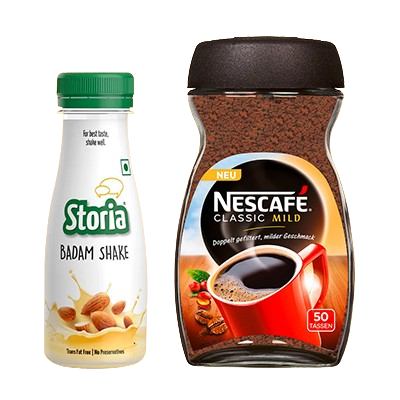


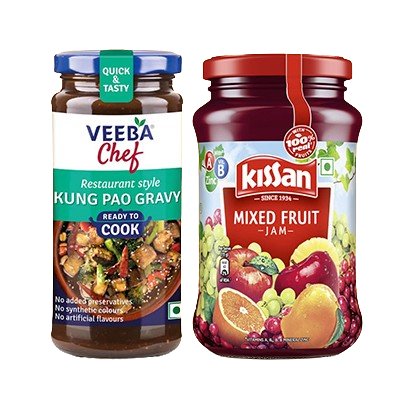








Wide Product Range
Daily-need items under one roof!

Affordable Pricing
Value-conscious pricing strategy!

POS-Enabled Billing System
Modern point-of-sale technology!

Customer Relationship Management (CRM)
Building lasting customer relationships!

Uniform Branding & Store Design
Consistent professional identity!
Localized Product Flexibility
Adapted to local preferences!