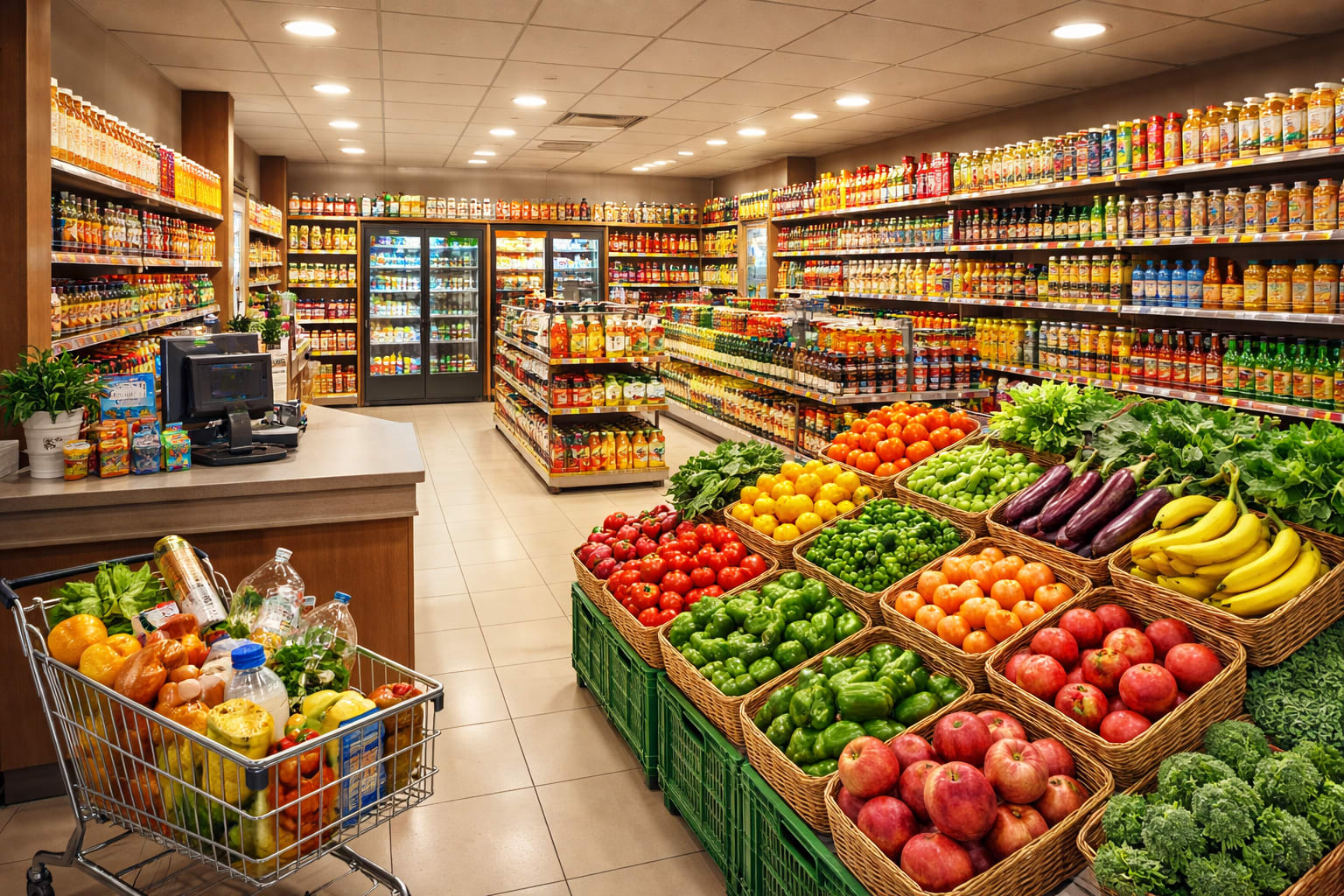
How to Invest in Grocery Franchise in Amroha | Step-by-Step Guide
How to Invest in a Grocery Franchise in Amroha with The Buyzaar Mart
Why Investors Look at Grocery Retail
- Grocery sells daily-need products such as staples, snacks, beverages, personal care and household items, so sales continue in good and slow economic periods.
- Customers buy these products repeatedly, which gives a grocery store a steady flow of walk-ins compared with businesses that depend on occasional purchases.
- Stock moves quickly, so money invested in inventory returns to the business through sales within a reasonable cycle when stock is managed well.
- Organised grocery is still developing in smaller district towns, so a well-run branded store has room to grow its customer base.
- A physical store is a visible local asset, with brand value, customer relationships and a business history that can be built over many years.
- A franchise lets an investor enter this sector with the support of a tested brand instead of experimenting with an unknown format.
Why Amroha Is Worth Considering
- Amroha has a broad base of households, traders, farmers and working families who buy groceries every week.
- Nearby areas such as Hasanpur, Dhanaura and Gajraula can bring additional shoppers who want better choice and clean, fixed-price stores.
- Many families still buy from small shops with limited range and no proper billing, so customers are open to a trusted organised option.
- Festival and wedding seasons increase purchases of staples, dry fruits, beverages and gift items, which helps the store during peak months.
- Growing use of UPI and digital payments supports POS-based billing and loyalty programmes.
- A first-mover advantage in the town can help a branded store win loyal customers before the market becomes crowded.
About The Buyzaar Mart as an Investment Brand
- The Buyzaar Mart is a supermarket and grocery franchise network from Noida, designed for urban and semi-urban households.
- Operating stores are present in Kanpur, Noida, Gangoh, Saharanpur and Haridwar, and the company is preparing a new outlet in Ghaziabad.
- The company is FSSAI licensed, GST registered and MSME certified, which supports compliance for a food retail business.
- Its brand associations include HUL, ITC, Nestle, Dabur, Parle, Tata Consumer, Marico, Patanjali and Britannia, which helps stores stock brands people already trust.
- The brand pillars are simplicity, reliability, affordability with quality and ownership with legacy, which describe how stores are planned and supported.
- The company handles setup, technology, training and supply guidance, which reduces the load on a new investor.
Two Ways to Invest
- FOCM – Franchise Owned, Company Managed: You invest in the store and own the outlet, while the company provides systems for operations, branding, technology, training and performance review.
- Rent, staff salaries, electricity and other running costs are paid by the franchisee, so you manage your own store budget.
- The company prepares the layout, interior, branding and launch, so the store follows the Buyzaar format.
- The agreement is for five years, and the company assists with renewal procedures at the end of the term.
- This route suits an investor who wants to be present, make local decisions and build the store as a family business.
- FOCO – Franchise Owned, Company Operated: You provide the capital and the space, and the company operates the store, including staff, marketing, merchandising and supply chain.
- The store must be at least 2,000 sq ft, and the agreement is structured for 10 years.
- The investor bears the rent and receives a revenue share on monthly sales, as defined in the agreement.
- This route suits an investor who prefers a hands-off role and has a suitable large property or can arrange one.
- Ask the team for the latest terms, because conditions can change over time.
Total Investment Needed in Amroha
- A Buyzaar Mart Mini Store of 600–1000 sq ft needs a total investment of roughly ₹15 lakh to ₹20 lakh.
- The final figure depends on the store size, the location, the arrangement and the amount of interior work required.
- Super Mart and Hyper Mart formats need a higher total investment, which the company can calculate for your property.
- Keep additional working capital for rent, salaries and electricity, since a new store needs time to build steady sales.
- The investment calculator on the franchise page can help you estimate the total for your chosen format and area.
- Confirm the final amount, the agreement and the payment schedule with the company in writing before paying.
Choosing the Right Store Format for Your Capital
- Mini Mart (600–1000 sq ft): The lowest-entry format, with grocery and staples, beverages, snacks, personal care, homecare and stationery.
- Super Mart (1000–3000 sq ft): Adds dairy and fruits and vegetables, which bring customers more often.
- Hyper Mart (3000–8000 sq ft): Adds gifts, toys and frozen ready-to-eat items for a larger family shopping range.
- Match the format to your capital, your property, the local footfall and your comfort with managing a larger store.
- Starting with a well-planned Mini Mart is a practical choice for most first-time investors in a new town.
How Returns Work in Grocery Retail
- The brand mentions an effective gross margin of 18–20%, depending on location, store size and sales volume.
- Gross margin is the difference between selling price and product cost, and it is not the same as net profit.
- Rent, staff salaries, electricity, marketing and other expenses are deducted from gross margin before you see actual earnings.
- Sales volume matters greatly, because a store with more footfall and larger baskets spreads its fixed costs better.
- Good stock management protects returns, since unsold and expired goods lock up money and reduce profit.
- Returns cannot be promised, and each store performs according to its location, service quality and management.
Planning Your Working Capital
- List monthly fixed costs such as rent, salaries and electricity before you decide the final store size.
- Keep a cash reserve so that the store can continue smoothly during the first months while customers discover it.
- Do not put every available rupee into the store setup, because daily operations also need money.
- Follow opening stock guidance from the company, and avoid buying extra quantity only because of a discount.
- Track weekly sales and expenses so that you notice cash problems early and can correct them quickly.
- If you plan to arrange funds through a bank loan, discuss the repayment schedule with the bank and a chartered accountant first.
Due Diligence Before You Invest
- Visit running Buyzaar Mart stores, such as those in Noida or Saharanpur, and observe customers, staff, stock and billing.
- Speak to existing franchise owners if possible, and ask about support, supply, margins and challenges.
- Read the franchise agreement fully, including duration, renewal, exit, fees and responsibilities of both parties.
- Check the company’s registrations, such as FSSAI, GST and MSME, and keep copies of all documents you receive.
- Ask for the latest investment estimate, the payment schedule and what each payment includes.
- Show the agreement to a lawyer or chartered accountant before you sign anything.
Location Decides Your Investment Result
- Choose a site near dense residential areas, markets or schools where families pass every day.
- Prefer ground-floor premises with wide frontage, good visibility and enough parking.
- Check the minimum space requirement of 600 sq ft carpet area before finalising a property.
- Study the competition around the site, including kirana stores, bakeries and other supermarkets.
- Negotiate rent, deposit and lease conditions carefully, because rent is a fixed cost that continues every month.
- The company surveys population, purchasing capacity and local demand before approving any proposed location.
Documents Needed to Invest
- Applicant identity proof, such as Aadhaar, PAN or Voter ID.
- Highest education certificate, such as 10th, 12th, graduation or post-graduation.
- Bank details through a cancelled cheque or a passbook copy.
- Ownership documents or a rental agreement for the proposed store.
- A signed declaration in PDF form along with the franchise application.
- Always provide correct and complete information, since false details can cancel an application or end a franchise.
Step-by-Step Investment Process
- Inquiry: Fill the form on the website or call the team, and attend an introductory meeting.
- Application: Submit the franchise application with your documents and proposed location.
- Site survey: The company checks the site and, if suitable, approves it, and a site visitation fee may apply as stated in the application declaration.
- Agreement: Review and sign the agreement after KYC and legal documentation, and make the payment.
- Setup: Layout, interiors, branding, POS and opening stock are arranged for your store.
- Training: You and your staff learn operations, billing and customer service.
- Launch: The store opens with local marketing and customer acquisition support.
Support That Helps Protect Your Investment
- Site selection guidance reduces the chance of choosing a weak location.
- POS billing and sales tracking help you see exactly what is selling and what is not.
- Replenishment guidelines and procurement systems help keep shelves full without heavy overstocking.
- The brand takes back expired and damaged goods, which lowers a common loss in grocery retail.
- Training for owners and staff improves service quality from the first day.
- Regular audits and performance dashboards show where the store can improve.
Risks to Understand Before You Invest
- A poor location can reduce footfall and make rent heavy compared with sales.
- Weak stock control can lead to dead stock, shortages and lower profit.
- Untrained or careless staff can damage customer experience and repeat sales.
- Fixed costs continue every month, even when sales are slow at the beginning.
- Competition from nearby shops can pressure prices, so service and range become important.
- A careful plan, reserve cash and regular monitoring help reduce these risks, but they cannot remove them.
Frequently Asked Questions
Q1. What total amount is needed to invest in a grocery franchise in Amroha?
A Mini Mart of 600–1000 sq ft needs about ₹15–20 lakh in total, depending on size, location and interiors.
Q2. Can I invest without grocery experience?
Yes, the company provides training, billing software and support.
Q3. What is the minimum store area?
At least 600 sq ft of carpet area is required.
Q4. Can I be a passive investor?
The FOCO model is meant for that, with a minimum store size of 2,000 sq ft.
Q5. What margin does the brand mention?
An effective gross margin of 18–20%, which varies with location and sales.
Q6. Who pays rent and salaries in FOCM?
The franchisee pays rent, salaries, electricity and other running costs.
Q7. What happens to expired stock?
Buyzaar Mart takes back expired and damaged goods.
Start Your Grocery Franchise Investment in Amroha
Amroha's daily consumer economy offers one of the most reliable opportunities for a branded grocery retail store.
Join The Buyzaar Mart franchise network and bring your neighborhood a modern daily needs store built on trust, convenience, and professional retail systems.
Email: info@thebuyzaarmart.com
Phone / WhatsApp: 9217991727
Business Hours: Monday to Saturday, 09:00 AM – 07:00 PM

Store Features & Services
Discover our comprehensive range of services designed to provide the best shopping experience for urban and semi-urban households
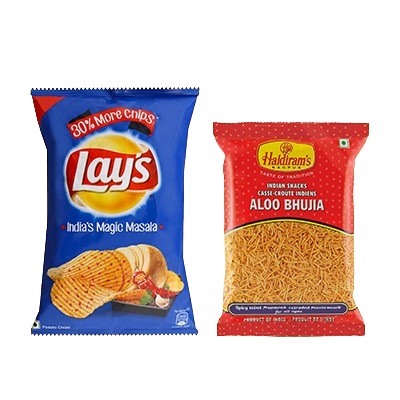
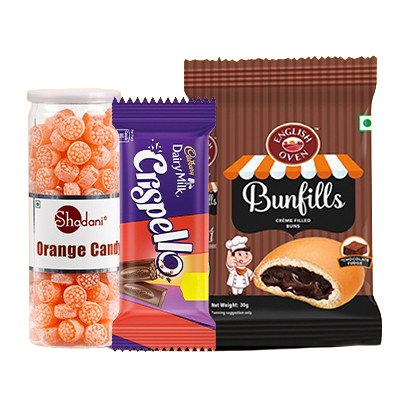
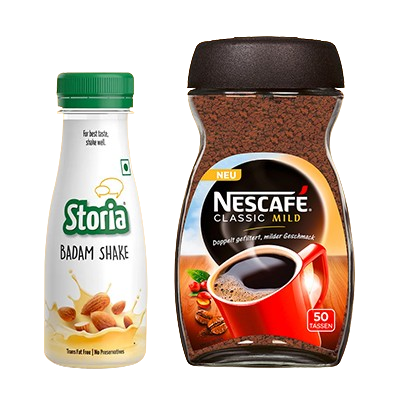
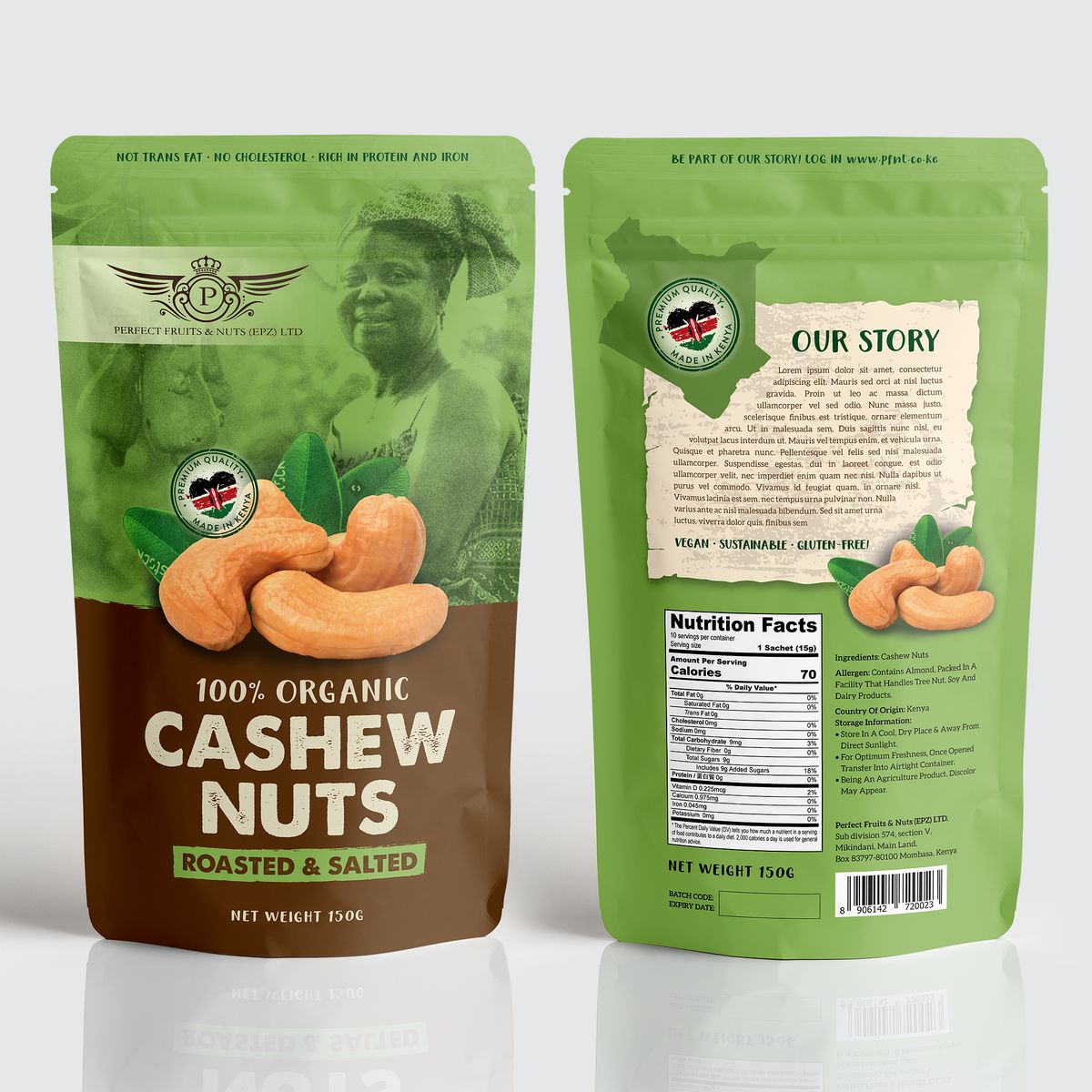
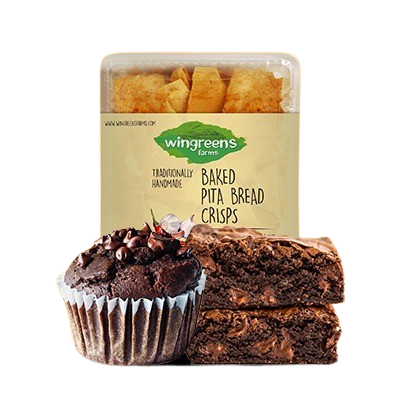

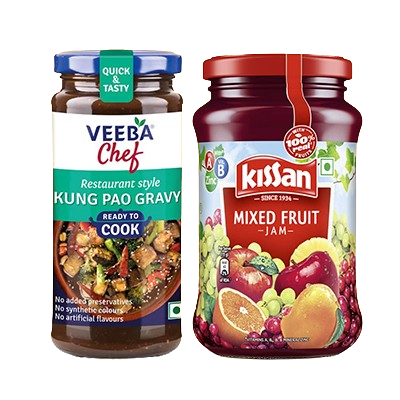
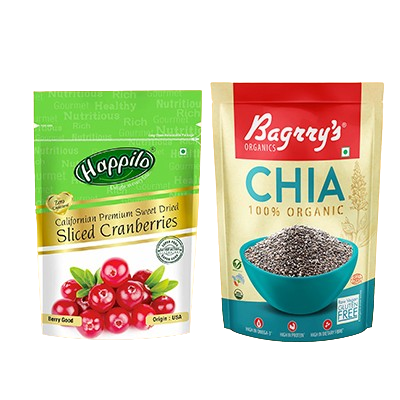
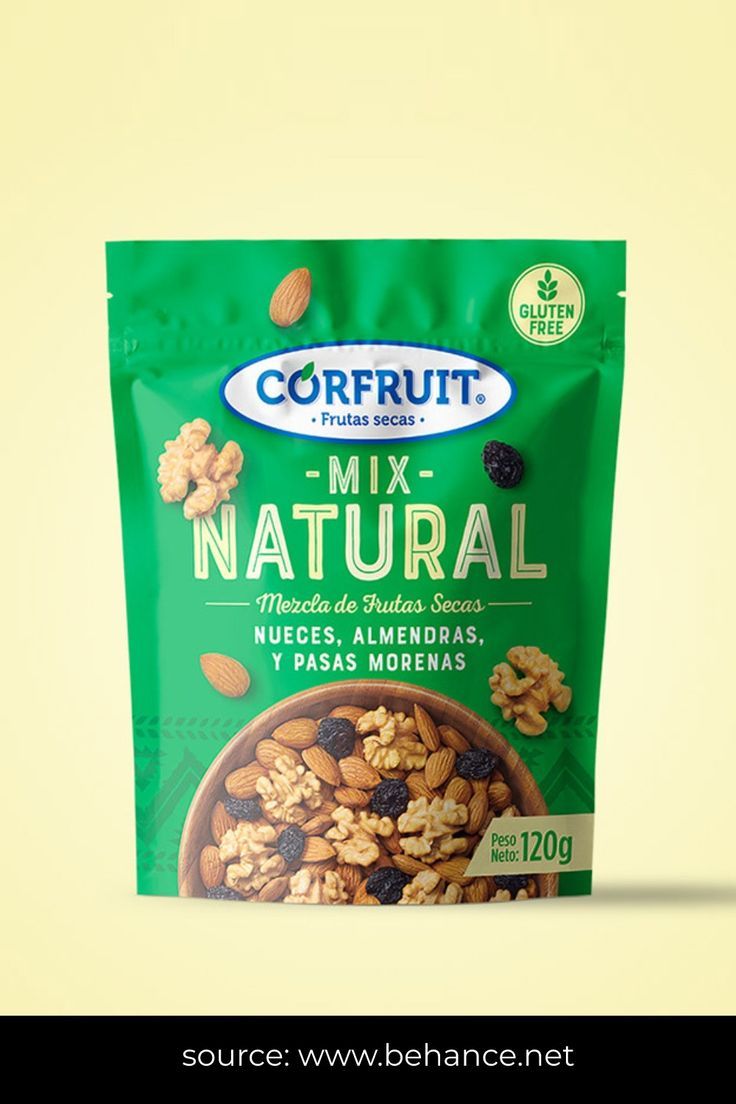



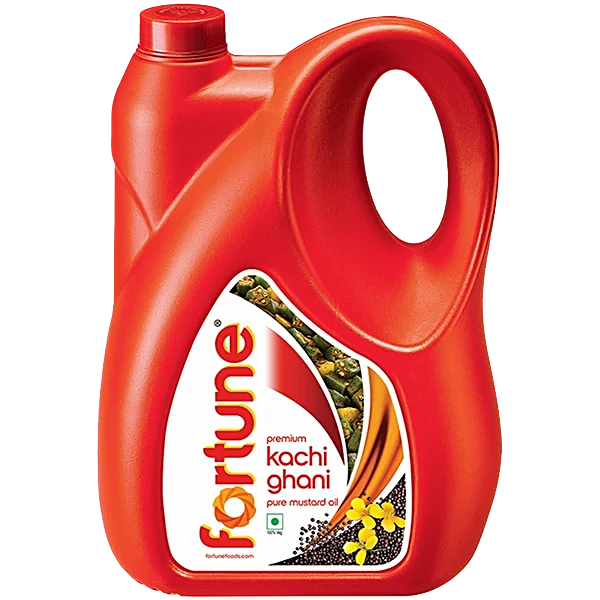
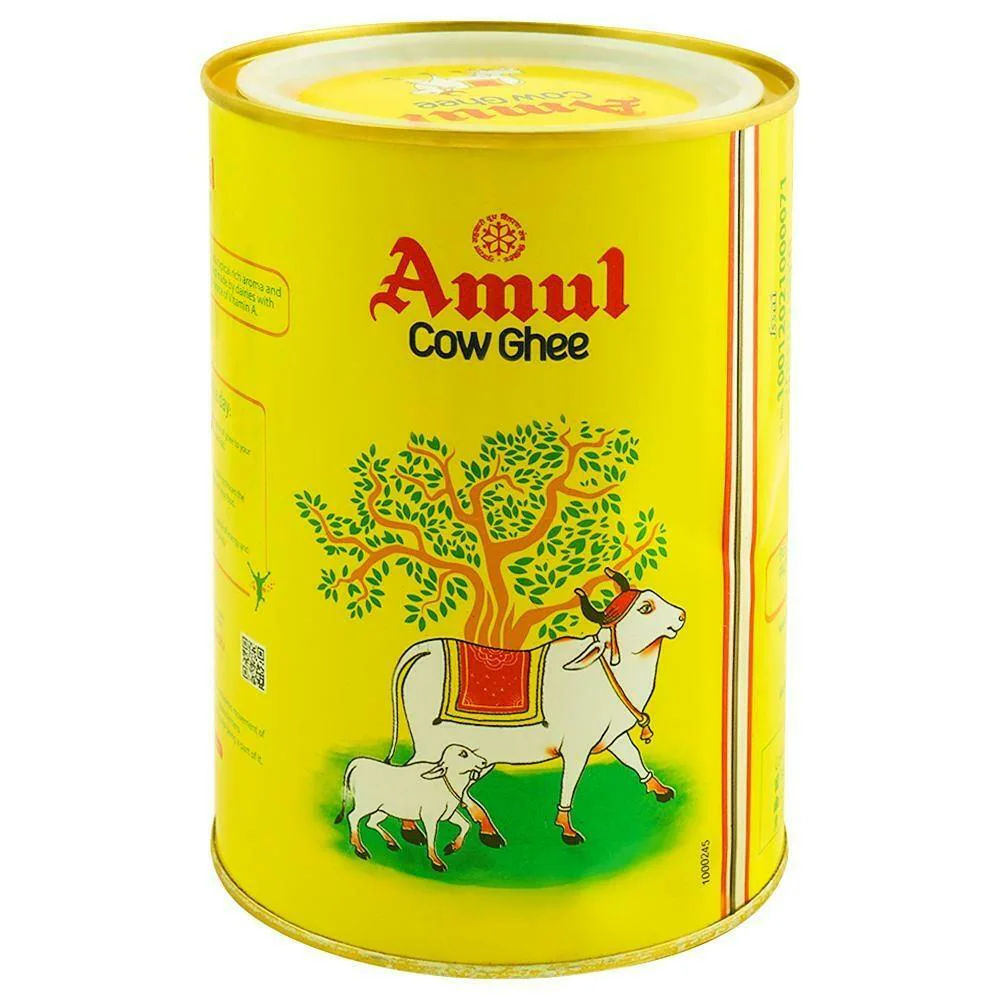

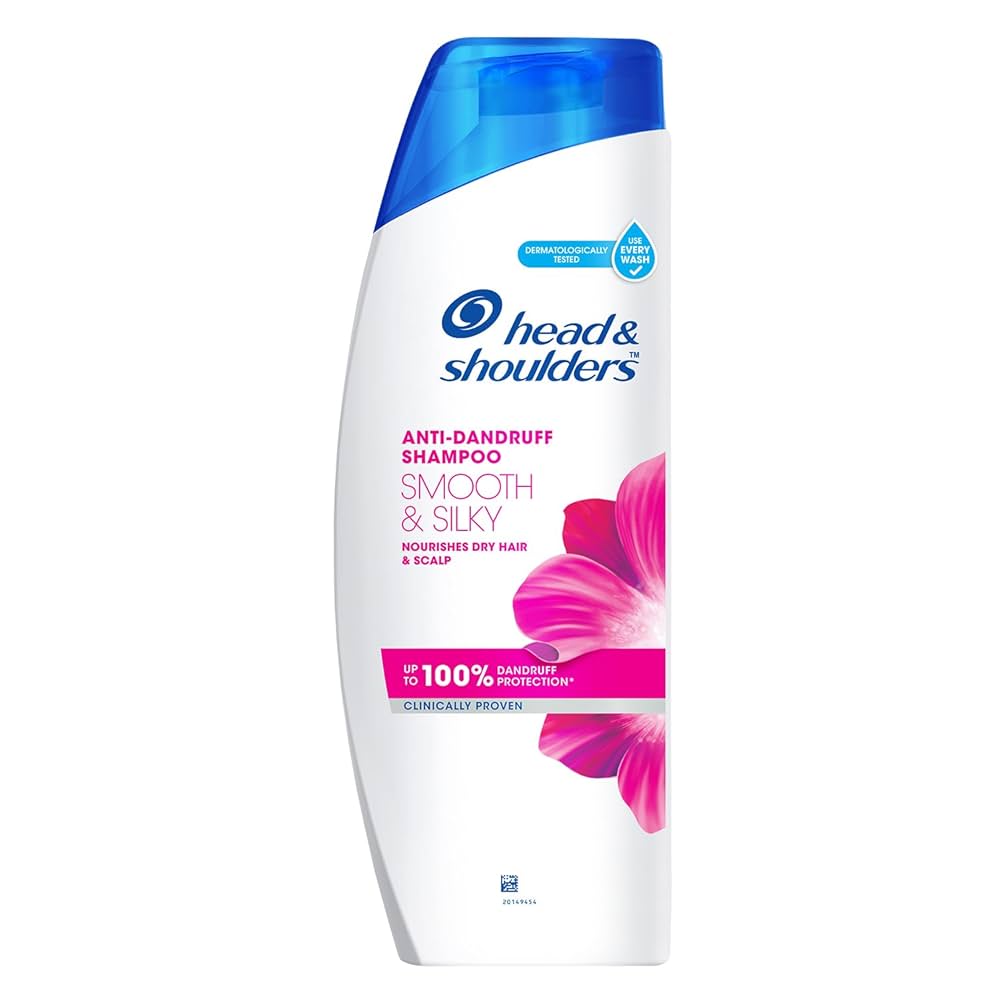
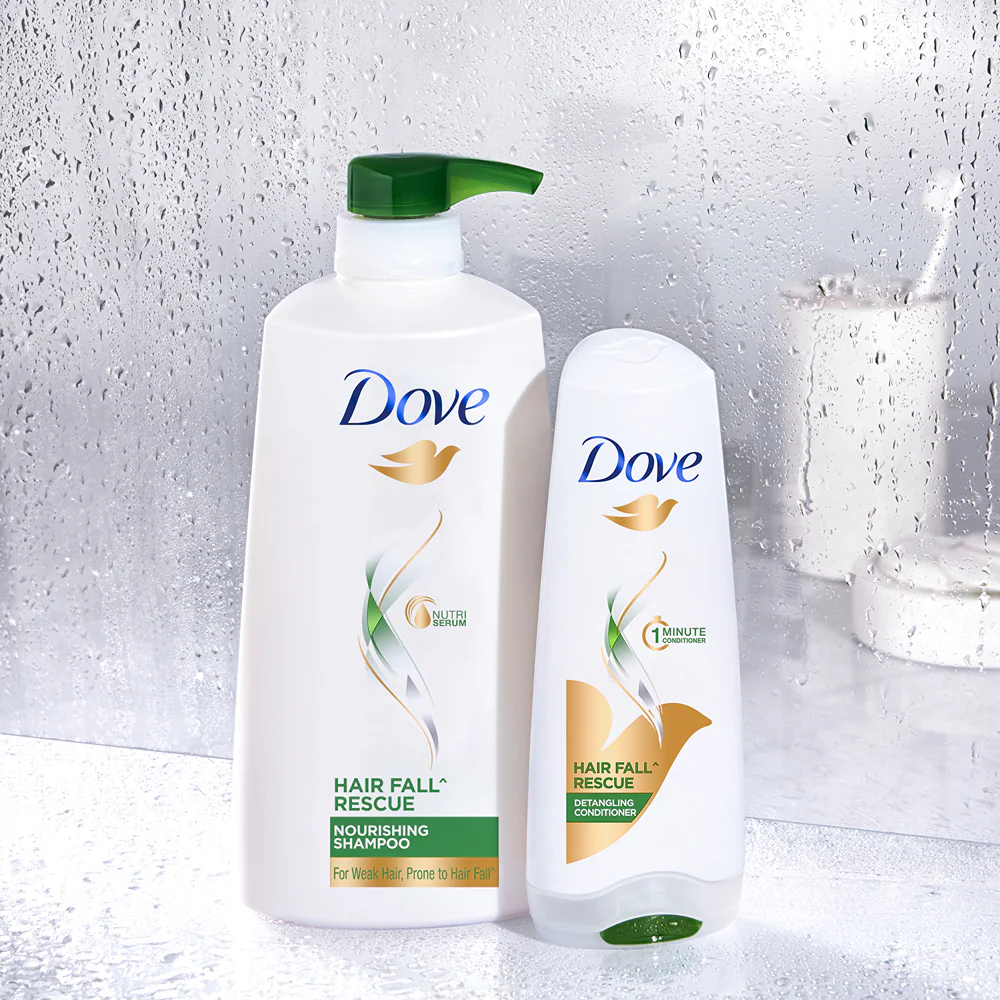

Wide Product Range
Daily-need items under one roof!

Affordable Pricing
Value-conscious pricing strategy!

POS-Enabled Billing System
Modern point-of-sale technology!

Customer Relationship Management (CRM)
Building lasting customer relationships!

Uniform Branding & Store Design
Consistent professional identity!
Localized Product Flexibility
Adapted to local preferences!