How to Open Supermarket Franchise in Amroha | Step-by-Step Guide
How to Open a Supermarket Franchise in Amroha with The Buyzaar Mart
Why a Supermarket Franchise Fits Amroha
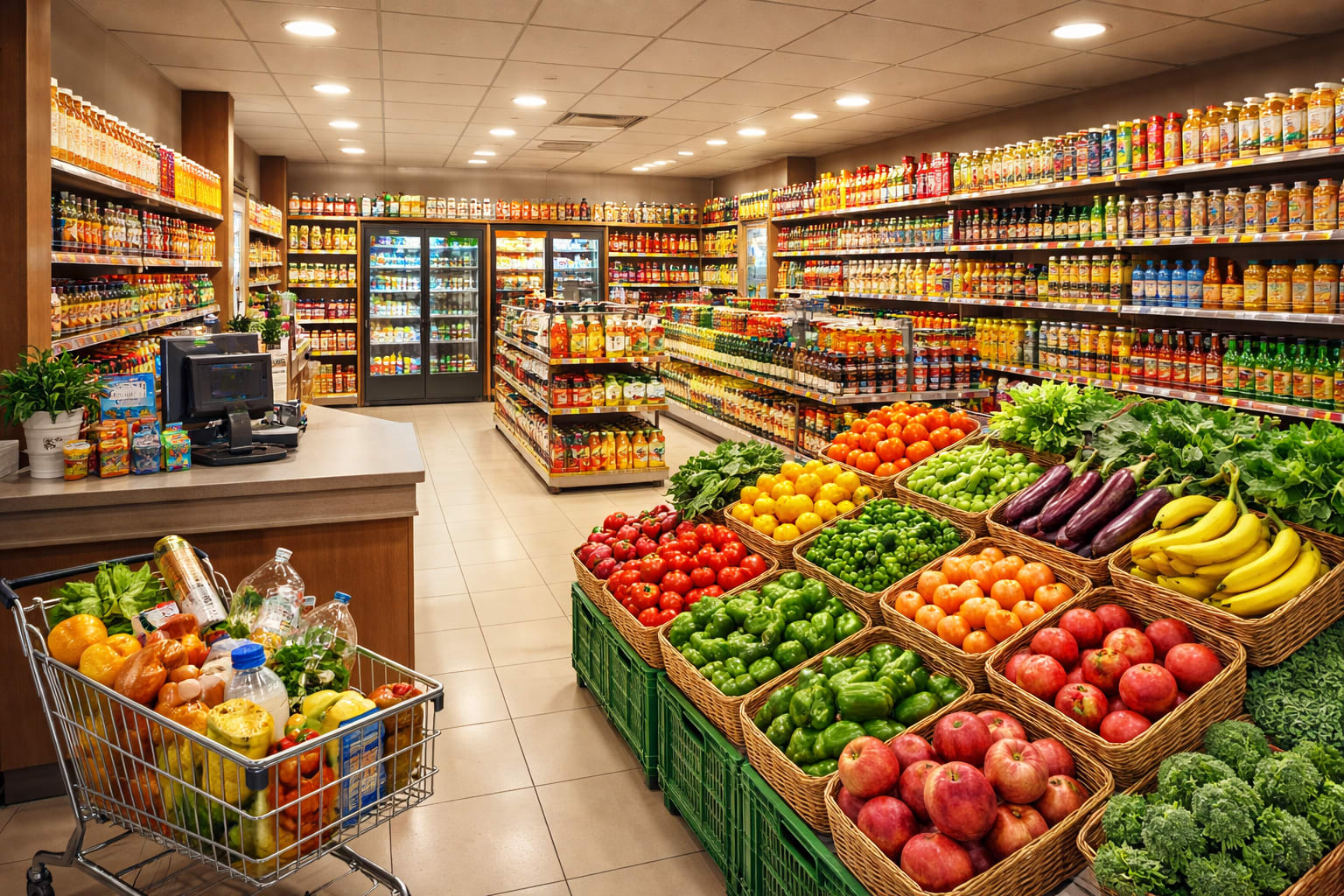
- A supermarket brings groceries, FMCG, personal care and household items under one roof, which saves families time and extra trips to several shops.
- Amroha has households, traders, farmers and working families who shop for daily needs every week, giving a supermarket steady footfall.
- Nearby areas such as Hasanpur, Dhanaura and Gajraula can send shoppers who want better choice, fixed prices and a cleaner shopping experience.
- Customers in smaller towns are becoming used to printed bills, UPI payments, brand comparison and self-selection of products from open shelves.
- Large national chains have limited presence in many district towns, so an early local supermarket can build loyalty before competition grows.
- A franchise gives you a ready brand and store system, so you can open a professional supermarket without developing every process yourself.
Supermarket vs Traditional Kirana Store
- A supermarket lets customers pick products themselves from displayed shelves, while a kirana store usually depends on a counter and shopkeeper for each item.
- Prices are printed and consistent in a supermarket, which builds trust and reduces bargaining or confusion at billing.
- A wider product range under one roof increases the value of every customer visit.
- POS billing creates sales records, helps with stock decisions and makes payments faster.
- Uniform branding, clean layout and bright lighting create a better impression, especially for families and young shoppers.
- A traditional store depends heavily on the owner’s memory, while a supermarket depends on systems that can be followed and reviewed.
About The Buyzaar Mart Supermarket Network
- The Buyzaar Mart is a Noida-based supermarket franchise network serving urban and semi-urban households across India.
- The brand describes its stores as friendly neighbourhood supermarkets with a wide range of groceries, FMCG items and daily essentials.
- Running stores are located in Kanpur, Noida, Gangoh, Saharanpur and Haridwar, with another outlet planned in Ghaziabad.
- The company is FSSAI licensed, GST registered and MSME certified, and works with brands such as HUL, ITC, Nestle, Dabur, Parle, Tata Consumer, Marico and Britannia.
- Its brand pillars are simplicity, reliability, affordability with quality and ownership with legacy.
- Store features include POS billing, customer relationship tools, uniform branding and localised product flexibility.
Supermarket Formats Available
- Mini Mart: 600–1000 sq ft — A compact supermarket for residential lanes, market corners and smaller commercial spaces.
- Covers grocery and staples, beverages, snacks and biscuits, personal care, homecare and hygiene, and stationery.
- Super Mart: 1000–3000 sq ft — A fuller supermarket for main roads, busy chowks and larger neighbourhoods.
- Adds dairy items and fruits and vegetables for more frequent visits.
- Hyper Mart: 3000–8000 sq ft — A large-format store for high-traffic commercial areas with parking space.
- Adds gifts and toys and frozen ready-to-eat items, making it a complete family shopping destination.
- Choose the format according to your property, local demand, capital and the time you can give.
Ownership Models for a Supermarket Franchise
- FOCM (Franchise Owned, Company Managed): You own the outlet and invest in setup, while the company provides branding, technology, training and performance systems.
- Under FOCM, the franchisee pays rent, staff salaries, electricity and other running costs, and the agreement term is five years.
- FOCO (Franchise Owned, Company Operated): You provide the capital and the space, while the company operates the store and shares revenue as defined in the agreement.
- FOCO needs at least 2,000 sq ft of space and runs for 10 years.
- Ask the team for the latest terms before deciding, because conditions can change.
Total Investment to Open a Supermarket Franchise in Amroha
- A Buyzaar Mart Mini Store of 600–1000 sq ft needs a total investment of roughly ₹15 lakh to ₹20 lakh.
- The final figure depends on the store size, the location, the planned arrangement and the interior work needed.
- Super Mart and Hyper Mart formats need a higher total investment, which the team can estimate for your property.
- Keep extra working capital for rent, salaries and electricity during the early months.
- Use the investment calculator on the franchise page to check the estimate for your chosen store type and area.
- Confirm the final amount, the agreement and the payment schedule in writing before you pay.
Documents Required
- Applicant ID proof, such as Aadhaar, PAN or Voter ID.
- Highest education certificate, such as 10th, 12th, graduation or post-graduation.
- Bank details through a cancelled cheque or passbook copy.
- Ownership papers or rental agreement for the proposed supermarket premises.
- A signed declaration in PDF form submitted with the application.
- Keep all documents accurate, since false details can lead to disqualification or termination.
Step-by-Step Process to Open Your Supermarket
- Inquire: Submit the form on the website or call the team, and attend a call or meeting to understand the business.
- Apply: Fill the franchise application with personal details, documents and the proposed store location.
- Survey: The company checks population, purchasing capacity and local demand before approving the site.
- Sign: Review the agreement carefully, complete KYC and legal documentation, and sign it with payment.
- Build: Layout, interior, branding, POS and opening stock are arranged for the selected format.
- Train: You and your staff learn billing, inventory control, merchandising and customer service.
- Launch: The store opens with local marketing campaigns and customer acquisition activities.
Choosing a Supermarket Location in Amroha
- Look for a main road, busy junction or large residential area where many families pass every day.
- Choose premises with a wide frontage, good visibility, parking space and easy entry and exit.
- Confirm the area is at least 600 sq ft of carpet space, and think ahead if you may want a larger format later.
- Study nearby competitors, including kirana shops, bakeries and other supermarkets, to understand what customers expect.
- Negotiate rent, deposit and lease terms with care, because rent is one of the biggest fixed costs.
- Offer your own location for survey, and the company will review it before approval.
Supermarket Layout and Category Planning
- The company handles layout, interior design and branding so your supermarket follows a consistent look.
- Essential staples are placed where shoppers can find them quickly, while snacks and impulse products are near the billing counter.
- Personal care, homecare, beverages, dairy and fruits and vegetables need clear sections and good signage.
- Wide aisles and bright lighting help customers browse comfortably with baskets and family members.
- Rotate stock regularly so that products with earlier expiry dates are sold first.
- Use sales data to move slow products to better shelf positions or reduce their stock.
Pricing and Promotion Strategy
- Keep daily staples at fair, steady prices, because customers judge a supermarket mainly by these items.
- Mix everyday low prices with selected discounts, so you protect margins while still creating excitement.
- Offer combo packs and bundles, such as monthly grocery packs or breakfast sets, to increase the value of each bill.
- Place bundles near entrances and billing counters where customers notice them easily.
- Avoid constant deep discounts on every item, since customers may start waiting for offers and your margin will suffer.
- Review offers every week using POS data, and keep only those that increase sales without hurting profit.
Technology and Customer Management
- POS-enabled billing makes checkout faster and keeps a reliable record of every sale.
- Sales reports show top-selling products, slow stock, peak hours and category performance.
- Customer relationship tools help you recognise repeat shoppers and send festival wishes and special offers.
- Digital payments such as UPI reduce cash handling and make payment easier for customers.
- Train every counter staff member on billing, returns and customer questions before opening day.
Support Provided by the Company
- Site survey and approval support before you commit to a property.
- Store layout, interior design, branding, signage and uniform standards.
- Opening stock recommendations, replenishment guidelines, procurement systems and logistics coordination.
- Initial training for owners and staff, with technical assistance from a support team.
- Local marketing, digital promotion and launch activities.
- Take-back of expired and damaged goods under the inventory assurance policy.
- Operational and quality audits, with performance dashboards and improvement plans.
Running the Supermarket Daily
- Open on time every day and keep consistent hours, because shoppers prefer stores they can rely on.
- Check expiry dates, shelf displays and cleanliness each morning before customers arrive.
- Keep enough billing staff during evening rush hours to prevent long queues.
- Record all expenses and compare them with daily and weekly sales.
- Hold short staff meetings to share offers, stock updates and customer feedback.
- Handle complaints politely, because one well-solved problem often creates a loyal customer.
Growing Beyond Your First Supermarket
- Start with a format that matches your budget and local demand, and focus on making the first store stable and customer friendly.
- Use sales reports and customer feedback to understand whether your area can support a larger Super Mart or Hyper Mart format in future.
- Build a trained team that can run daily operations, so that you can think about expansion without losing control of the first store.
- Keep a record of rent, salaries, electricity and stock cost, because clear numbers help you judge the right time to grow.
- Talk to the company about further opportunities in nearby towns once your first store has built a steady customer base.
- The brand speaks about ownership as a legacy, so a well-run store can become a family business for the next generation.
Earning Potential and Risks
- The brand mentions an effective gross margin of 18–20%, depending on location, store size and sales volume.
- Gross margin is not net profit, because rent, salaries, electricity and other costs are paid from it.
- Risks include a weak location, overstocking, untrained staff and high fixed costs, so planning and regular checks are important.
- Results cannot be guaranteed, and each store performs according to its location and management.
Frequently Asked Questions
Q1. What total investment is needed to open a supermarket franchise in Amroha?
A Mini Mart of 600–1000 sq ft needs about ₹15–20 lakh in total, depending on size, location and interiors.
Q2. Do I need supermarket experience?
No, the company provides training, billing software and ongoing support.
Q3. What is the minimum space?
At least 600 sq ft of carpet area.
Q4. Can I propose my own location?
Yes, the team surveys it before approval.
Q5. Who pays rent and salaries?
Under FOCM, the franchisee pays rent, salaries, electricity and other running costs.
Q6. What happens to expired products?
Buyzaar Mart takes back expired and damaged goods.
Q7. How do I apply?
Submit the inquiry form, attend a call, complete the application and sign the agreement after site approval.
Start Your Supermarket Franchise Journey in Amroha
Amroha's daily consumer economy offers one of the most reliable opportunities for a branded supermarket retail store.
Join The Buyzaar Mart franchise network and bring your neighborhood a modern daily needs store built on trust, convenience, and professional retail systems.
Email: info@thebuyzaarmart.com
Phone / WhatsApp: 9217991727
Business Hours: Monday to Saturday, 09:00 AM – 07:00 PM

Store Features & Services
Discover our comprehensive range of services designed to provide the best shopping experience for urban and semi-urban households
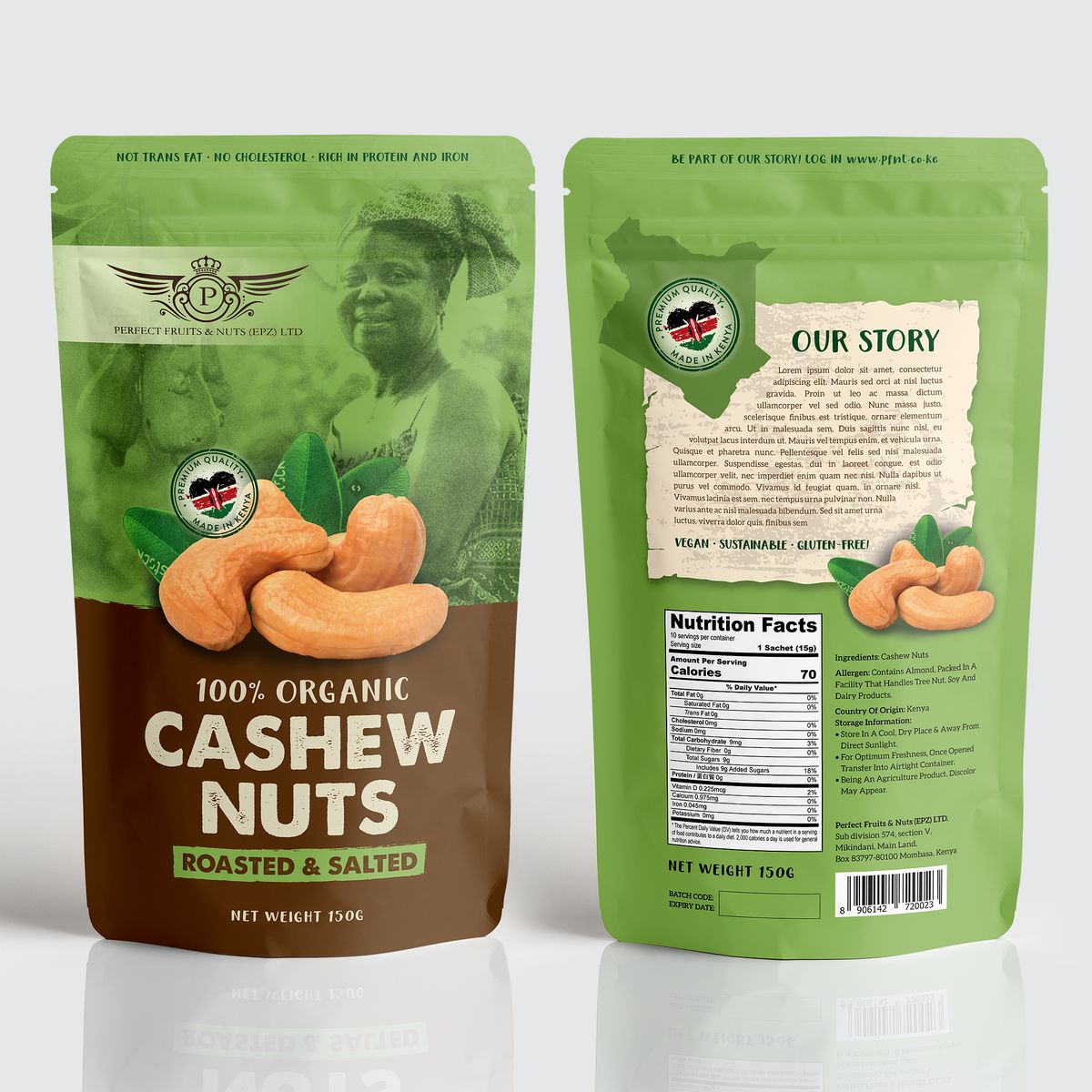
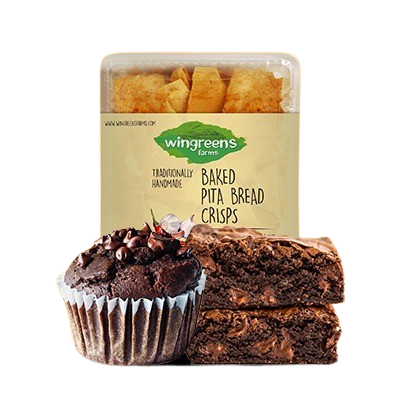

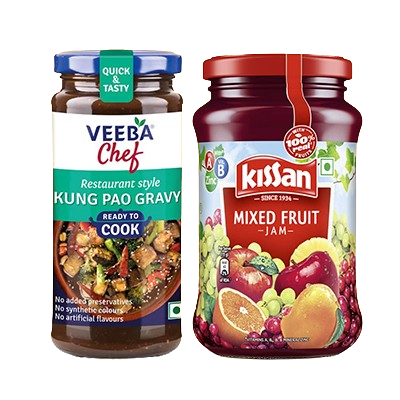
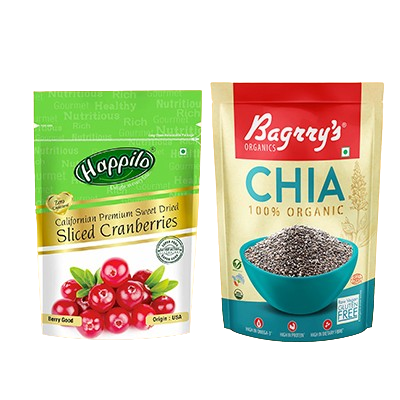
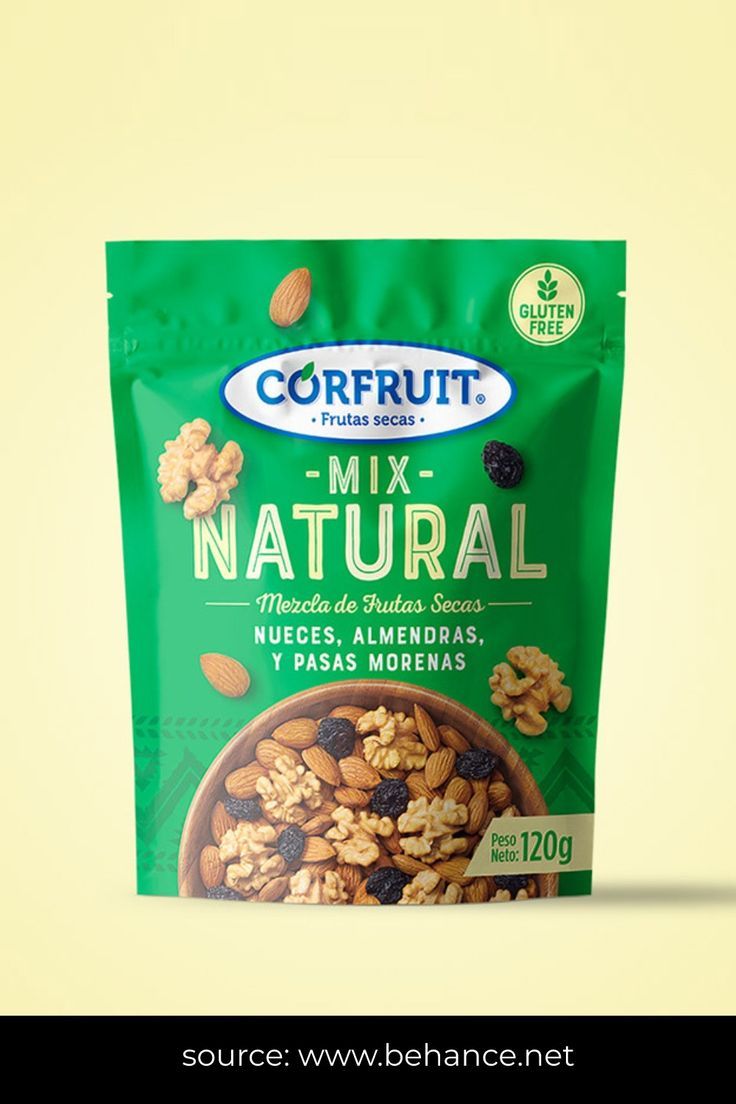



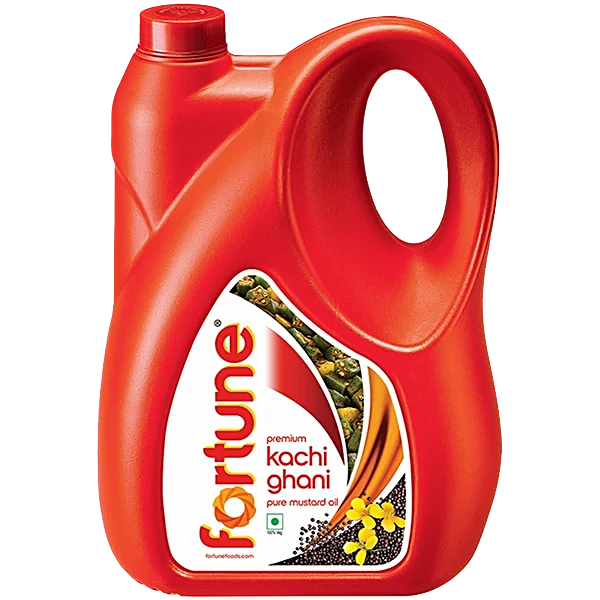
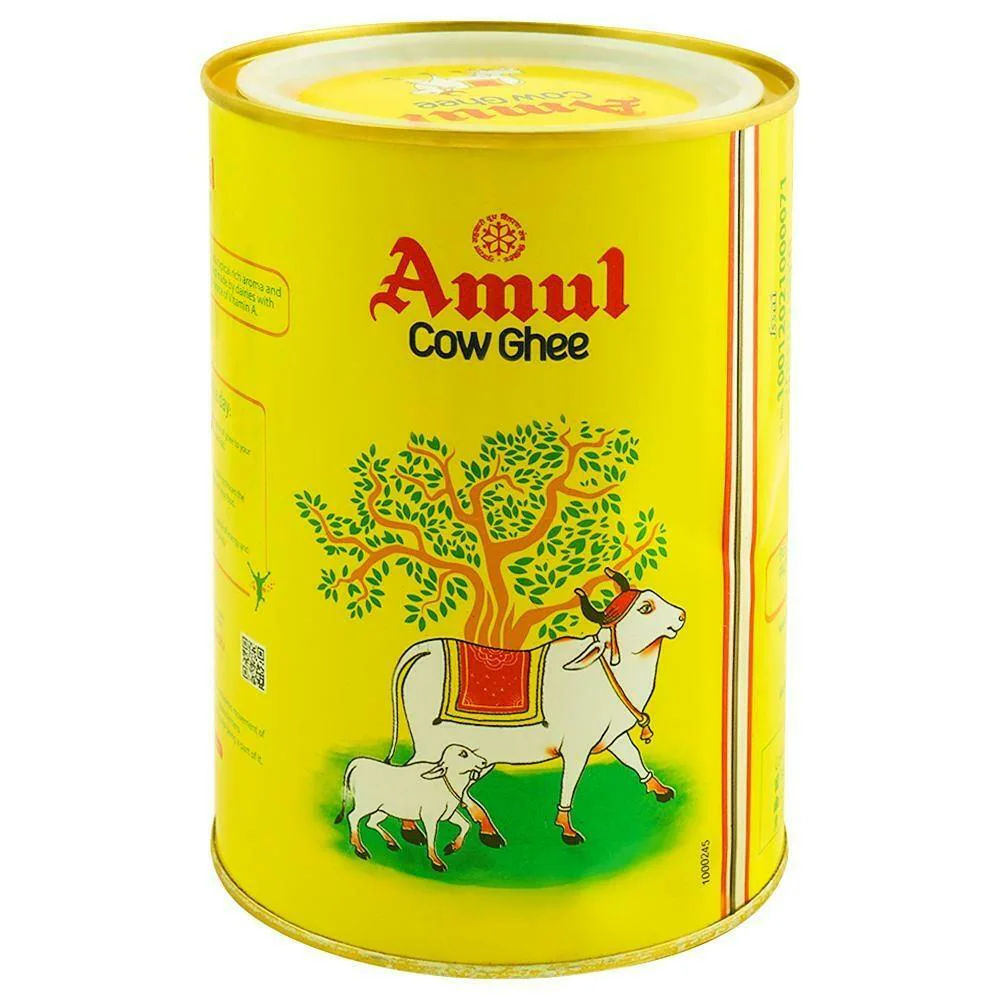

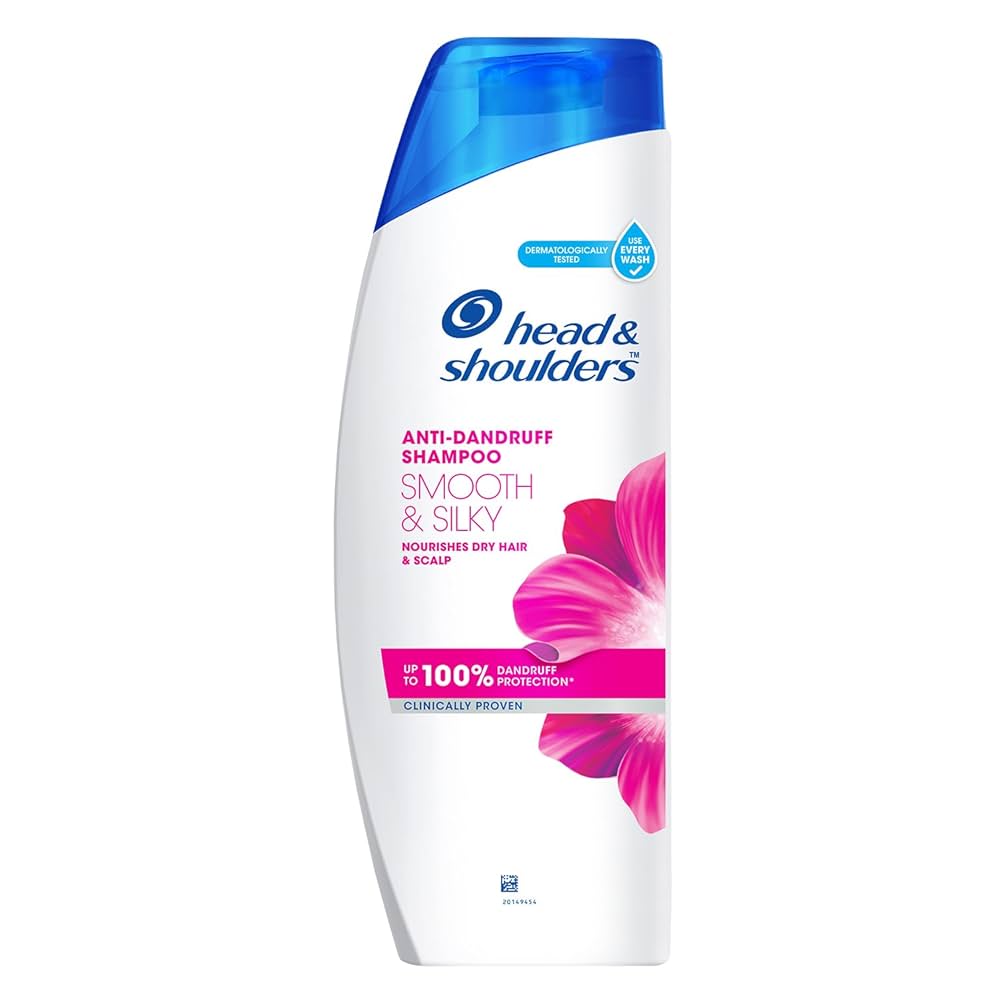
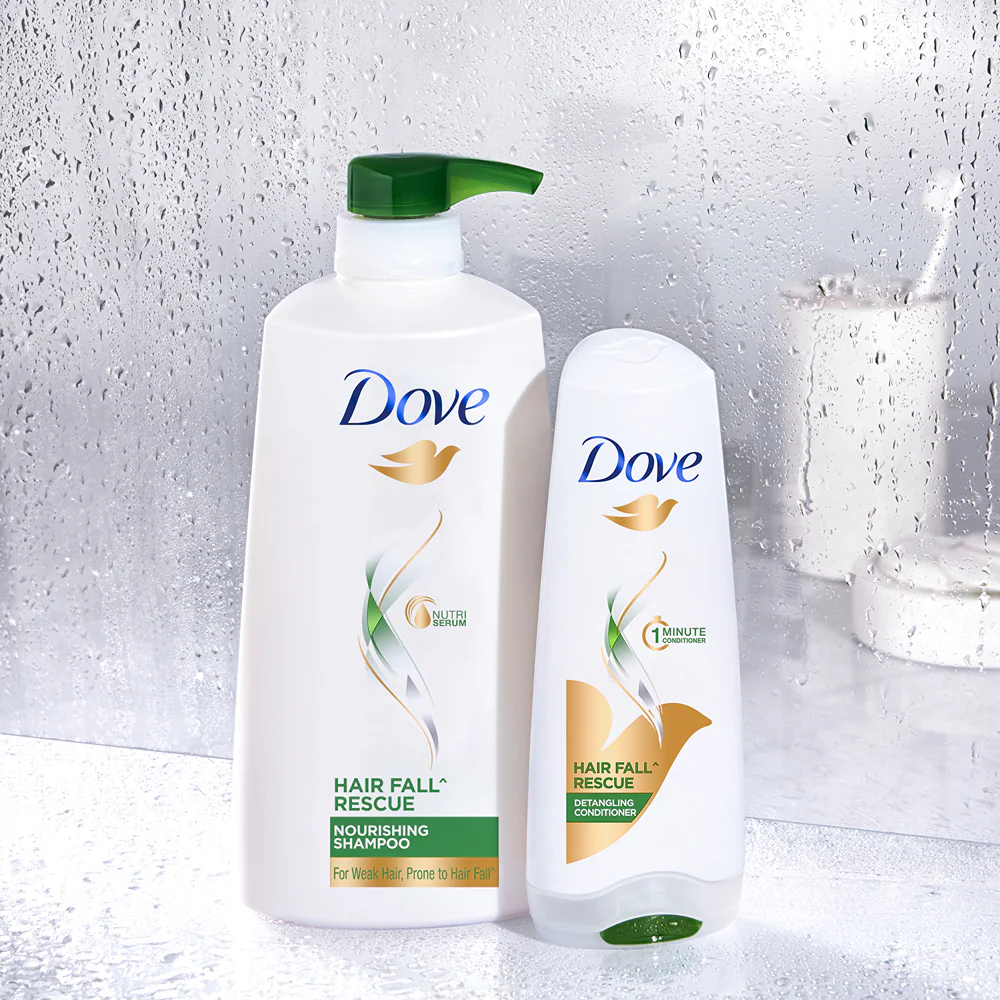

Wide Product Range
Daily-need items under one roof!

Affordable Pricing
Value-conscious pricing strategy!

POS-Enabled Billing System
Modern point-of-sale technology!

Customer Relationship Management (CRM)
Building lasting customer relationships!

Uniform Branding & Store Design
Consistent professional identity!
Localized Product Flexibility
Adapted to local preferences!