How to Start Grocery Store Franchise in Amroha | Step-by-Step Guide
How to Start a Grocery Store Franchise in Amroha with The Buyzaar Mart
Why a Grocery Store Franchise Suits Amroha
- A grocery store serves the most regular need of every family, so footfall comes from daily and weekly shopping instead of occasional visits.
- Amroha has households, traders, farmers and working families who buy staples, snacks, beverages and personal care items throughout the year.
- Nearby areas such as Hasanpur, Dhanaura and Gajraula can send customers who want a wider range and fixed, clearly printed prices.
- Many existing neighbourhood shops have limited shelf space, no digital billing and uneven stock, which leaves room for a cleaner and better organised store.
- Customers now like to pay by UPI, ask for bills and compare brands, so a modern store fits changing habits.
- A franchise gives a new owner a tested store format, so the first-time grocer starts with a system instead of guesswork.
About The Buyzaar Mart Grocery Store Format
- The Buyzaar Mart is a Noida-based supermarket network that builds neighbourhood grocery stores for urban and semi-urban households.
- The stores are designed as one-stop shops for groceries, FMCG items and daily essentials, with uniform branding and store design.
- Running stores are in Kanpur, Noida, Gangoh, Saharanpur and Haridwar, and a new outlet in Ghaziabad is listed as opening soon.
- The brand holds FSSAI, GST and MSME credentials and works with FMCG names such as HUL, ITC, Nestle, Dabur, Parle, Tata Consumer and Britannia.
- Its promise of affordable pricing, assured quality and local product flexibility lets an owner adjust the range to the neighbourhood.
- Store features include a wide product range, POS billing, customer relationship tools and consistent branding across outlets.
Choose Your Grocery Store Size
- Mini Mart: 600–1000 sq ft — The right choice for a compact neighbourhood store near homes, lanes and small markets.
- Includes grocery and staples, beverages, snacks and biscuits, personal care, homecare and hygiene, and stationery.
- Super Mart: 1000–3000 sq ft — Fits a busy road or junction where customers expect more variety and a longer shopping list.
- Adds dairy items and fruits and vegetables, which encourage frequent visits.
- Hyper Mart: 3000–8000 sq ft — Works for a large commercial space with good parking and high passing traffic.
- Adds gifts and toys and frozen ready-to-eat items to attract families for a full shopping trip.
Pick Your Ownership Model
- FOCM (Franchise Owned, Company Managed): You invest in the store and own it, and the company provides branding, technology, training and performance systems, while you pay rent, salaries and running costs.
- The FOCM term is five years, and the company supports renewal procedures when the term ends.
- FOCO (Franchise Owned, Company Operated): You provide the capital and the space, while the company operates the store and shares revenue as per the agreement.
- FOCO needs a store of at least 2,000 sq ft and runs for 10 years.
- Most first-time grocers who want to run their own store choose FOCM, while investors who want a hands-off role consider FOCO.
Total Investment to Start a Grocery Store Franchise in Amroha
- A Mini Mart of 600–1000 sq ft needs a total investment of roughly ₹15 lakh to ₹20 lakh.
- The final cost depends on the size of the store, its location, the arrangement of shelves and counters, and the interior work needed.
- Larger formats require a higher total investment, which the company can estimate for your exact property.
- Prepare extra working capital for rent, salaries and electricity, because a new store needs time to build regular customers.
- Use the investment calculator on the franchise page to check the estimate for your selected store type and area.
- Ask for the final amount, the agreement and the payment schedule in writing before making any payment.
Documents to Keep Ready
- Applicant ID proof, such as Aadhaar, PAN or Voter ID.
- Highest education certificate, such as 10th, 12th, graduation or post-graduation.
- Cancelled cheque or passbook copy for bank details.
- Ownership papers or rental agreement for the proposed store premises.
- Signed declaration in PDF form that is uploaded with the application.
- Keep copies of every document you submit, and make sure all details are correct and matching.
Step-by-Step Plan to Start Your Store
- Week 1 – Inquiry: Fill the website form or call the team, and join an introductory call or meeting.
- Week 1–2 – Application: Submit the form with documents, along with the details of your proposed store.
- Week 2–3 – Site survey: The company checks population, purchasing capacity and local demand before approval.
- After approval – Agreement: Read the terms, complete KYC and legal paperwork, and sign the agreement with payment.
- Setup phase – Store build: Layout, interior, branding, POS and opening stock are arranged for your store.
- Before opening – Training: You and your staff learn billing, stock handling, merchandising and customer service.
- Opening day – Launch: The store opens with local marketing and customer acquisition activities.
- Actual timelines depend on site readiness and paperwork, so ask the team for a realistic schedule for your property.
Finding and Preparing the Store Space
- Look for a ground-floor shop with a wide front, visible signboard space and easy parking.
- Check that the carpet area is at least 600 sq ft, because that is the minimum requirement.
- Inspect electricity supply, ventilation, water access, ceiling height and floor condition before signing a lease.
- Negotiate rent, deposit, escalation and lock-in period carefully, since these costs continue every month.
- Keep ownership or rental papers clear and ready, because the company needs them for the application.
- You may propose your own location, and the Buyzaar team will survey it before giving approval.
Store Layout and Shelf Planning
- The company designs the layout, interior and branding, so you get a store that follows the Buyzaar look from the first day.
- Daily-need staples are placed so that customers can find them easily, while snacks and impulse items sit near the billing area.
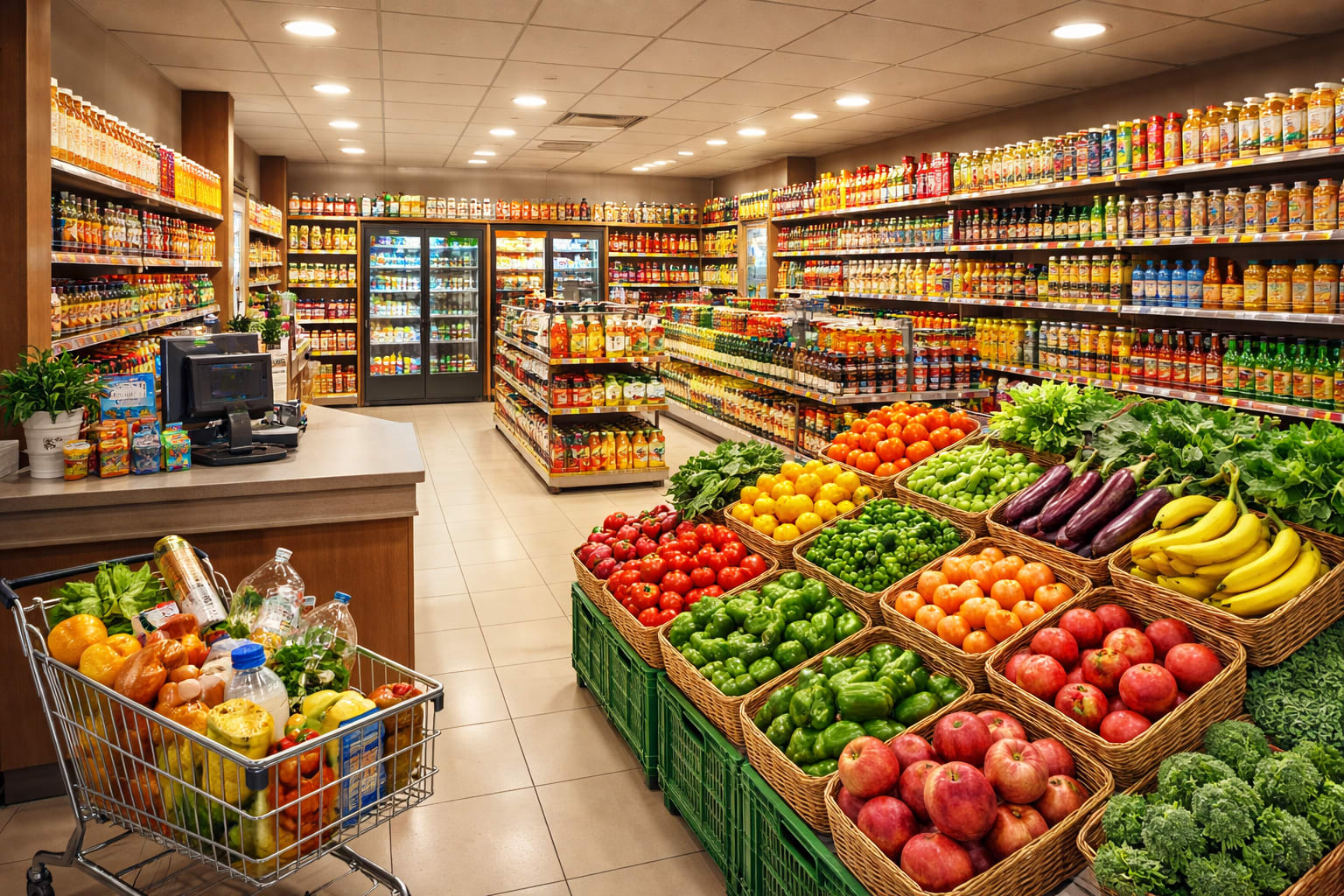
- Wide aisles, bright lighting and clear category signs make shopping simple and comfortable for families.
- Personal care, homecare, beverages and snacks need separate sections so customers do not have to search.
- Dairy, fruits and vegetables in larger formats need proper space for freshness and quick turnover.
- Review the layout after a few weeks and ask for adjustments if some shelves are not moving well.
Product Range to Stock in Your Grocery Store
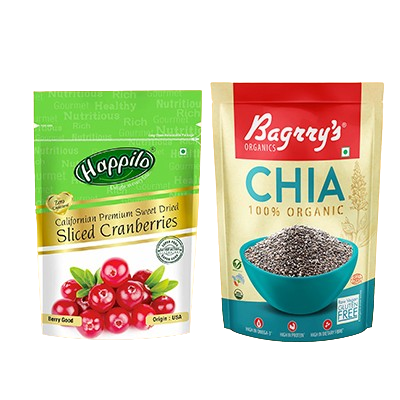
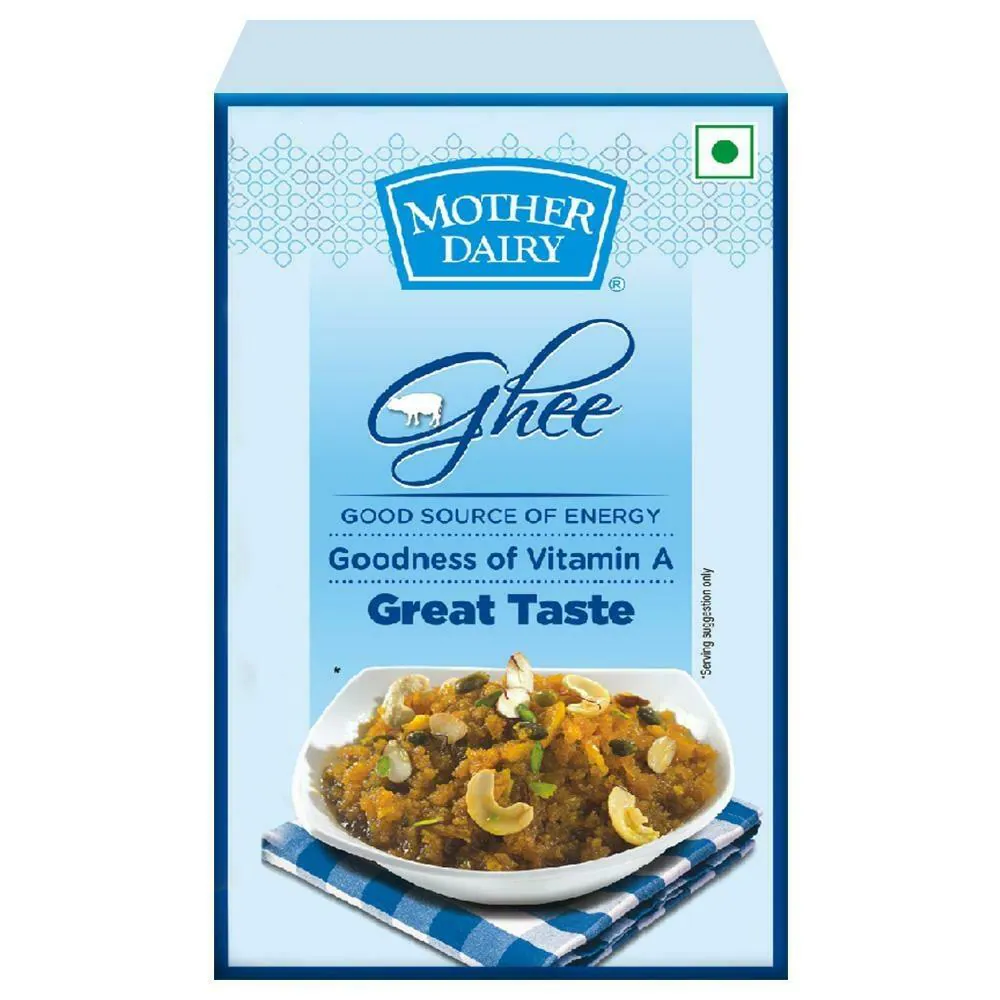
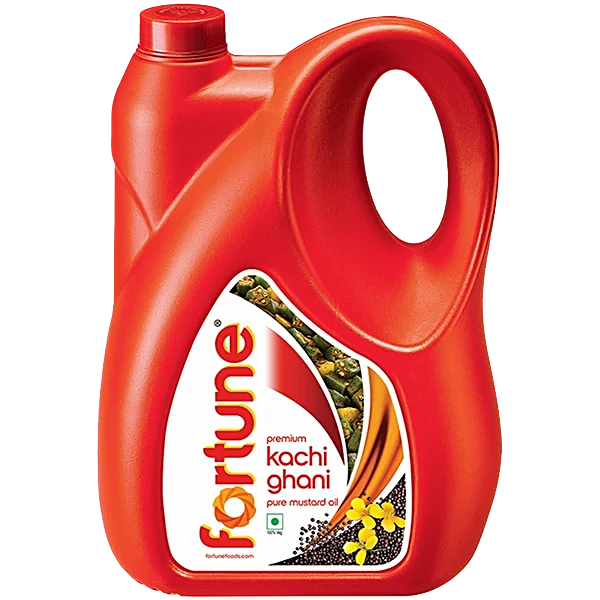
- Grocery and staples such as atta, rice, dal, edible oil, sugar, salt and spices, which are the base of a grocery store.
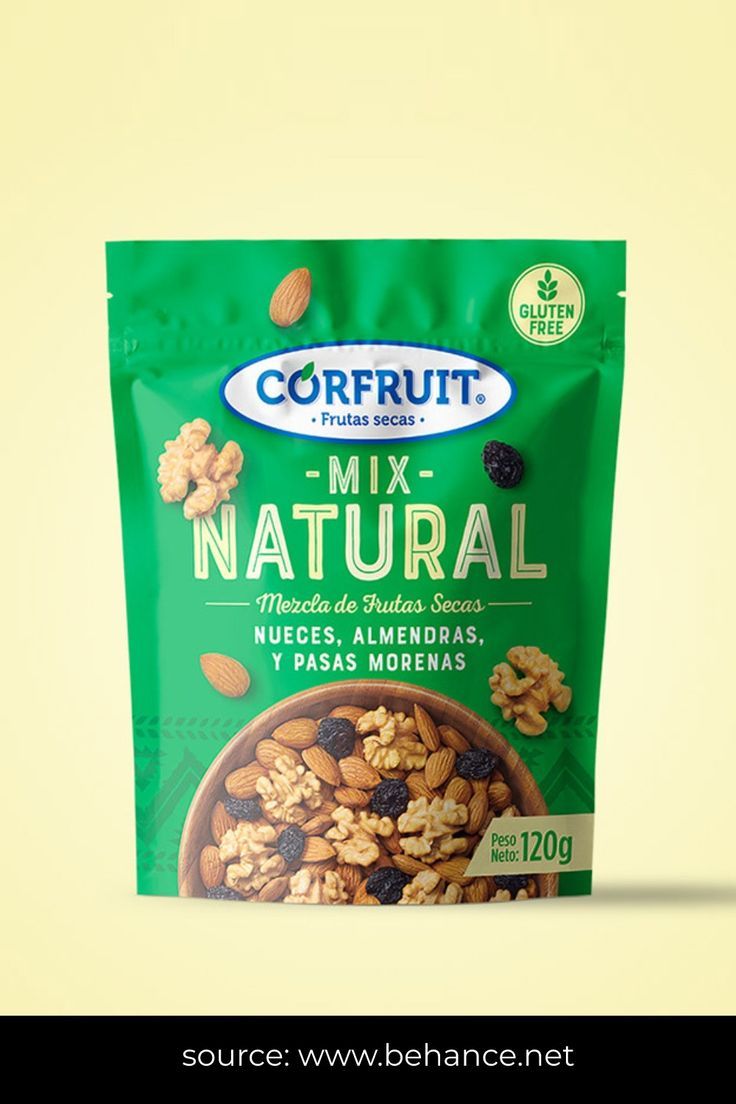
- Snacks, biscuits and beverages that bring quick purchases and raise basket value.
- Personal care, homecare and hygiene items from trusted national brands.
- Stationery for students and households, which suits the Mini Mart range.
- Dairy and fruits and vegetables in Super Mart and Hyper Mart formats.
- Local products and festival items that match Amroha tastes, using the brand’s localised product flexibility.
- Follow the company’s opening stock recommendations first, then adjust the range using your sales data.
Technology and Billing
- POS-enabled billing speeds up the counter and creates a clear record of every sale.
- Sales data shows best-selling items, slow stock and peak hours, which helps you make better buying decisions.
- Customer relationship tools help you remember repeat buyers and send them offers and festival messages.
- Digital payment options such as UPI make checkout easier for customers who do not carry cash.
- Train all counter staff on the system so that billing errors and delays are kept low.
Support From the Company
- Location survey and site approval before you commit to the property.
- Store layout, interior design, branding, signage and uniform standards.
- Opening stock guidance, replenishment rules, procurement systems and logistics coordination.
- Initial training for owners and staff, with technical help from a support team.
- Local marketing campaigns, digital promotion and launch activities.
- Take-back of expired and damaged goods under the inventory assurance policy.
- Operational audits, performance dashboards and improvement plans after launch.
Your First 90 Days After Opening
- Days 1–30: Stay in the store daily, watch customer behaviour, note which items sell fast and correct small layout problems.
- Days 31–60: Compare sales reports with your stock, reduce slow items and increase fast-moving staples before they run out.
- Days 61–90: Begin loyalty offers, WhatsApp order groups and combos for regular customers.
- Collect honest feedback from customers about price, range, staff behaviour and store cleanliness.
- Track rent, salaries, electricity and other costs against sales so you know your real monthly position.
Seasonal Planning for Amroha
- Increase stock of dry fruits, beverages, sweets and gift items before Eid, Diwali and Holi.
- Plan staples and cooking essentials well in advance for the wedding season.
- Keep school stationery, snacks and lunchbox items ready when schools reopen.
- Stock more cold drinks and packaged juices during the hot summer months.
- Prepare seasonal offers and combos so that the store looks active during every festival period.
Mistakes New Grocery Store Owners Should Avoid
- Taking a shop with poor visibility or weak footfall only because the rent looks low.
- Buying too much slow-moving stock because of a discount scheme instead of following demand.
- Leaving the store entirely to staff in the first months before understanding customers and daily operations.
- Ignoring cleanliness, expiry checks and shelf order, which quickly damage customer trust.
- Skipping local promotion and expecting customers to discover the store on their own.
Earning Potential
- The brand mentions an effective gross margin of 18–20%, depending on location, store size and sales volume.
- Gross margin is not net profit, because rent, salaries, electricity and other costs must be paid from it.
- Higher footfall, bigger baskets and tight stock control improve the final result.
- Income cannot be guaranteed and will depend on location, service and daily management.
Frequently Asked Questions
Q1. What total investment is needed to start a grocery store franchise in Amroha?
A Mini Mart of 600–1000 sq ft needs about ₹15–20 lakh in total, depending on size, location and interiors.
Q2. Do I need grocery experience?
No, the company provides training, billing software and ongoing support.
Q3. What is the minimum space?
At least 600 sq ft of carpet area.
Q4. Can I propose my own shop?
Yes, the team surveys it before approval.
Q5. What about unsold or expired goods?
Buyzaar Mart takes back expired and damaged goods.
Q6. Who pays rent and salaries?
In the FOCM model, the franchisee pays rent, salaries, electricity and other running costs.
Q7. How do I begin?
Fill the inquiry form, attend a call, submit the application and wait for site approval.
Start Your Grocery Store Franchise Journey in Amroha
Amroha's daily consumer economy offers one of the most reliable opportunities for a branded grocery retail store.
Join The Buyzaar Mart franchise network and bring your neighborhood a modern daily needs store built on trust, convenience, and professional retail systems.
Email: info@thebuyzaarmart.com
Phone / WhatsApp: 9217991727
Business Hours: Monday to Saturday, 09:00 AM – 07:00 PM

Store Features & Services
Discover our comprehensive range of services designed to provide the best shopping experience for urban and semi-urban households
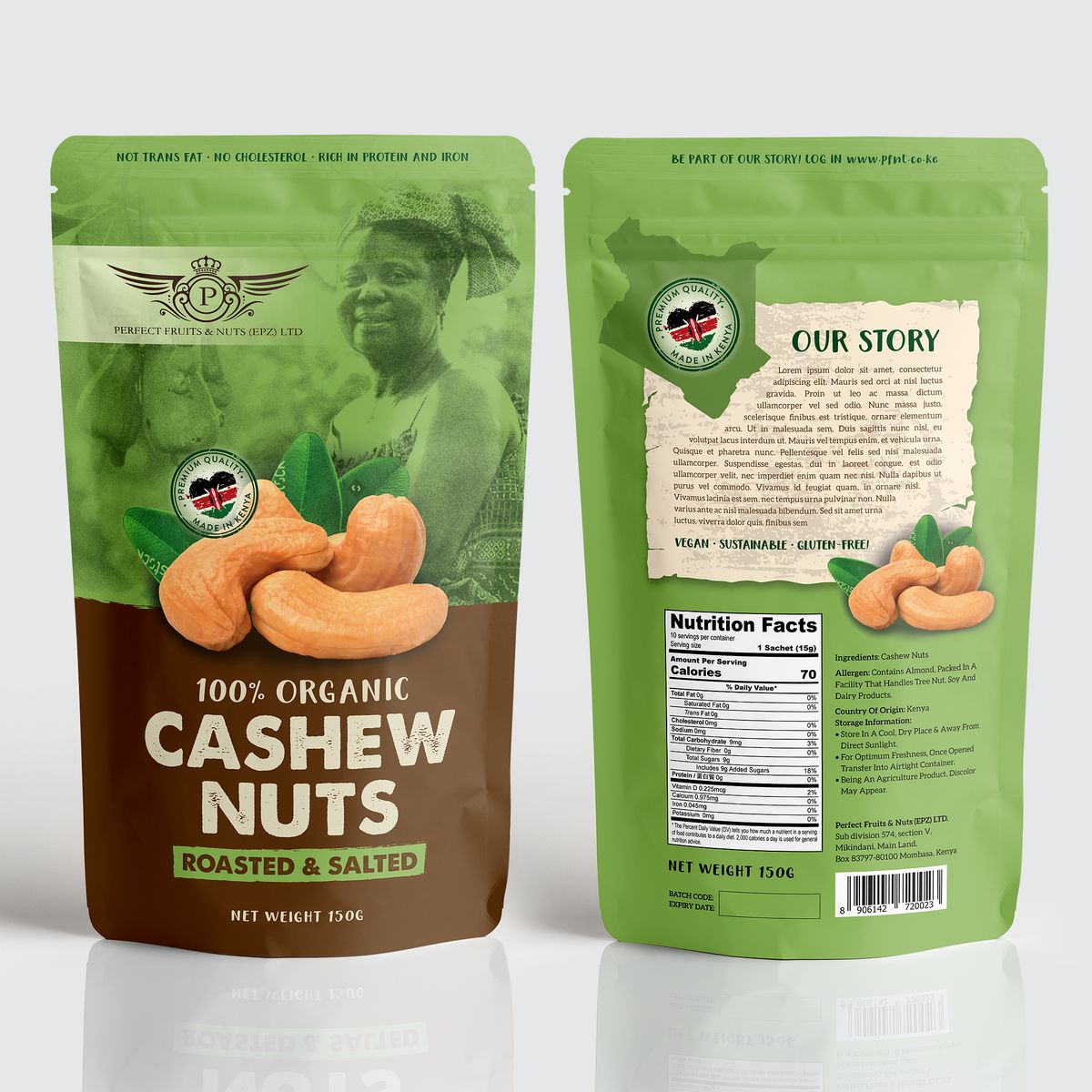
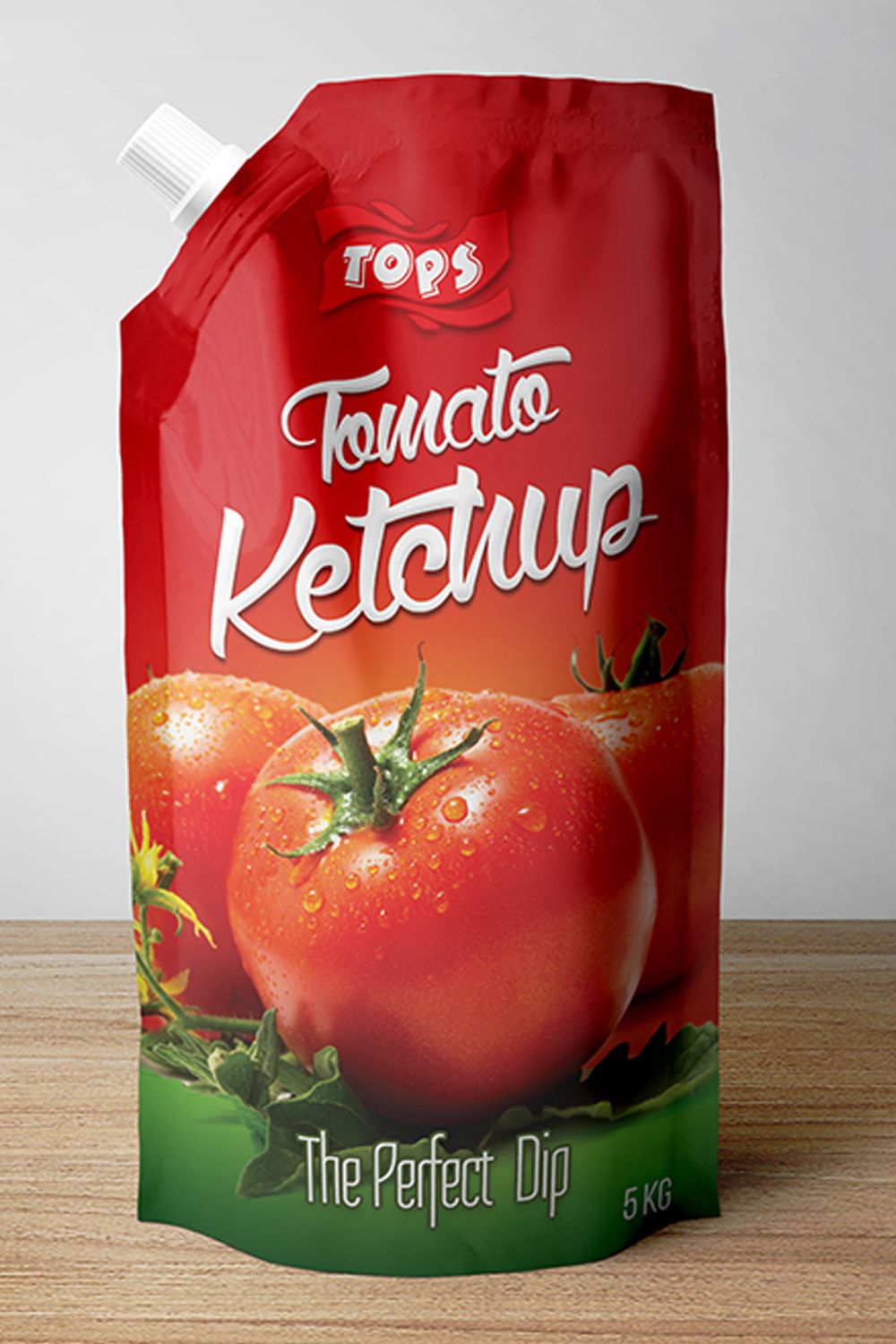


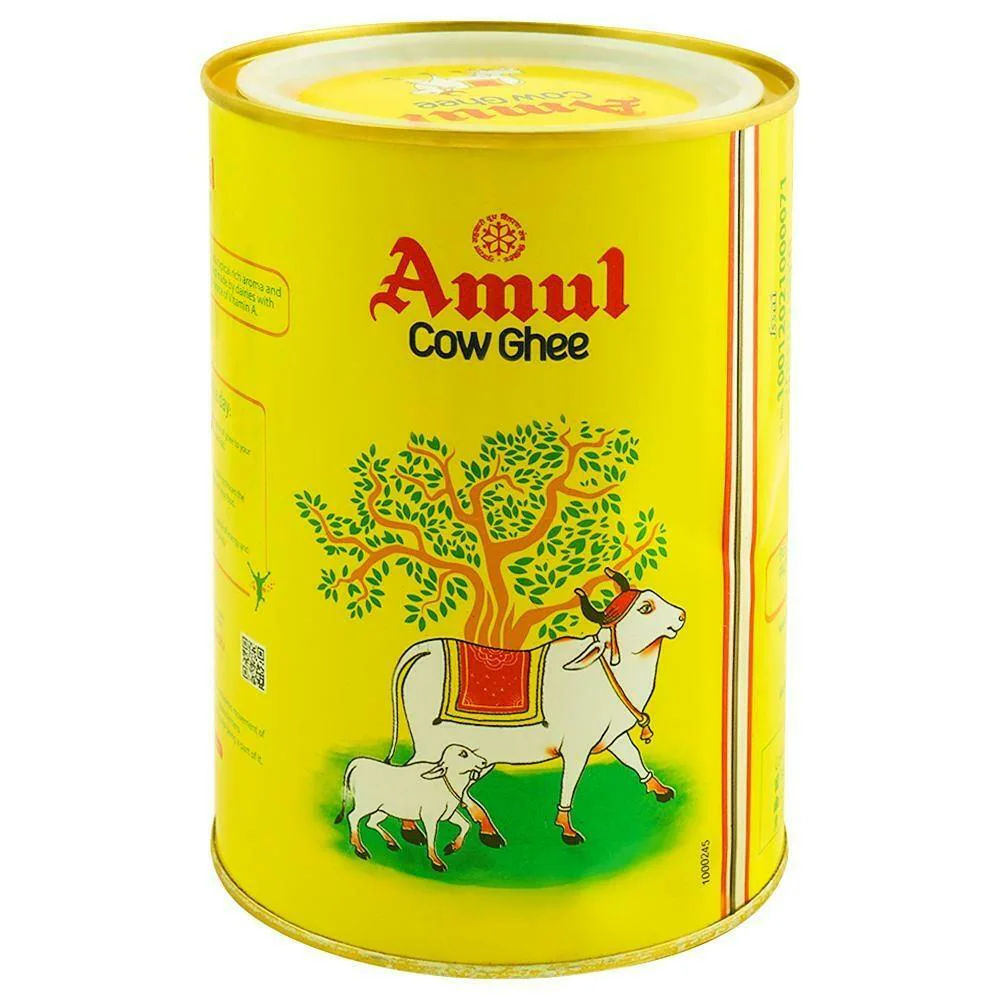

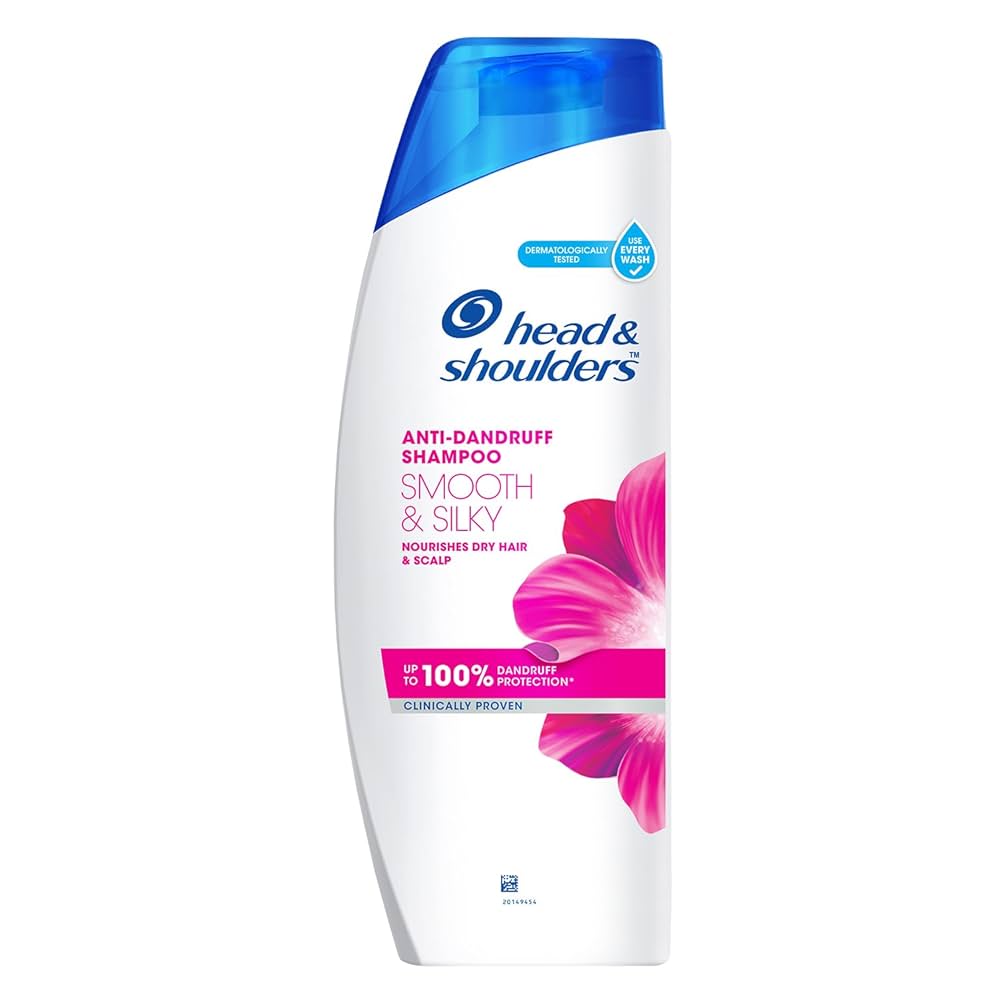
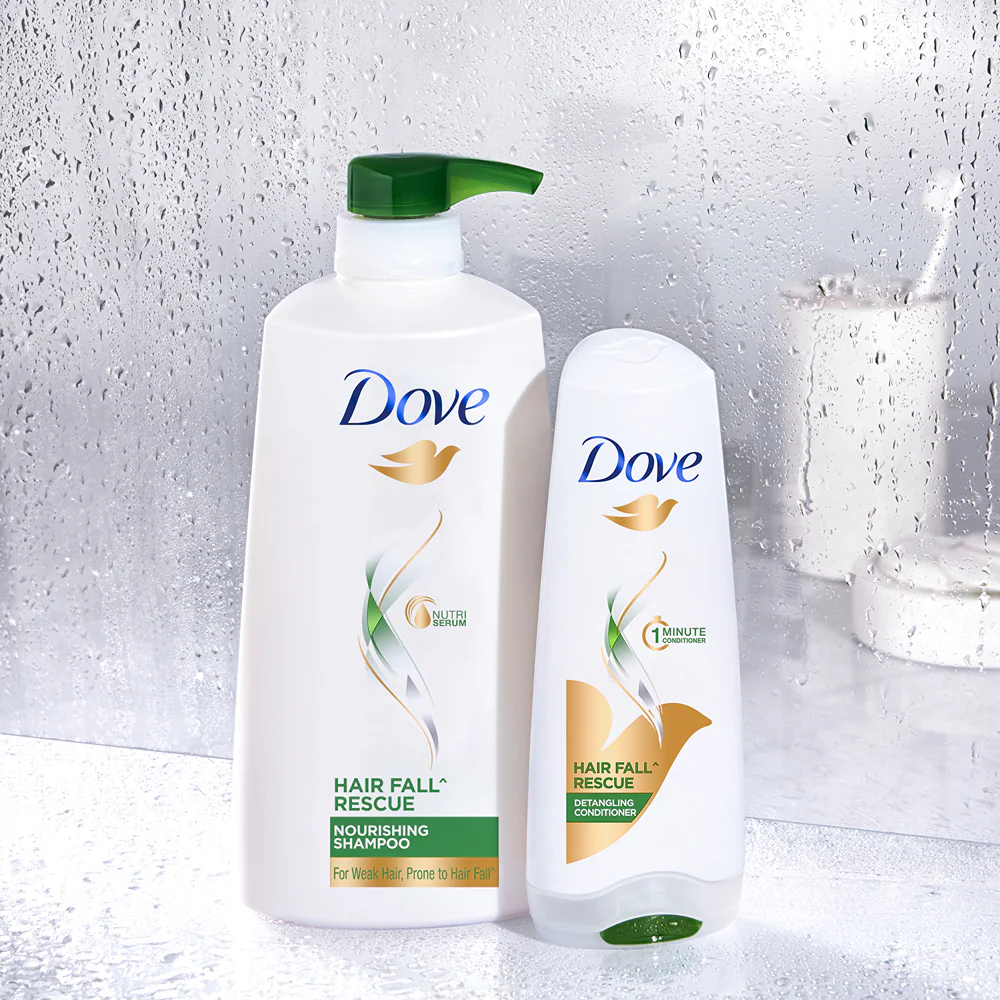

Wide Product Range
Daily-need items under one roof!

Affordable Pricing
Value-conscious pricing strategy!

POS-Enabled Billing System
Modern point-of-sale technology!

Customer Relationship Management (CRM)
Building lasting customer relationships!

Uniform Branding & Store Design
Consistent professional identity!
Localized Product Flexibility
Adapted to local preferences!