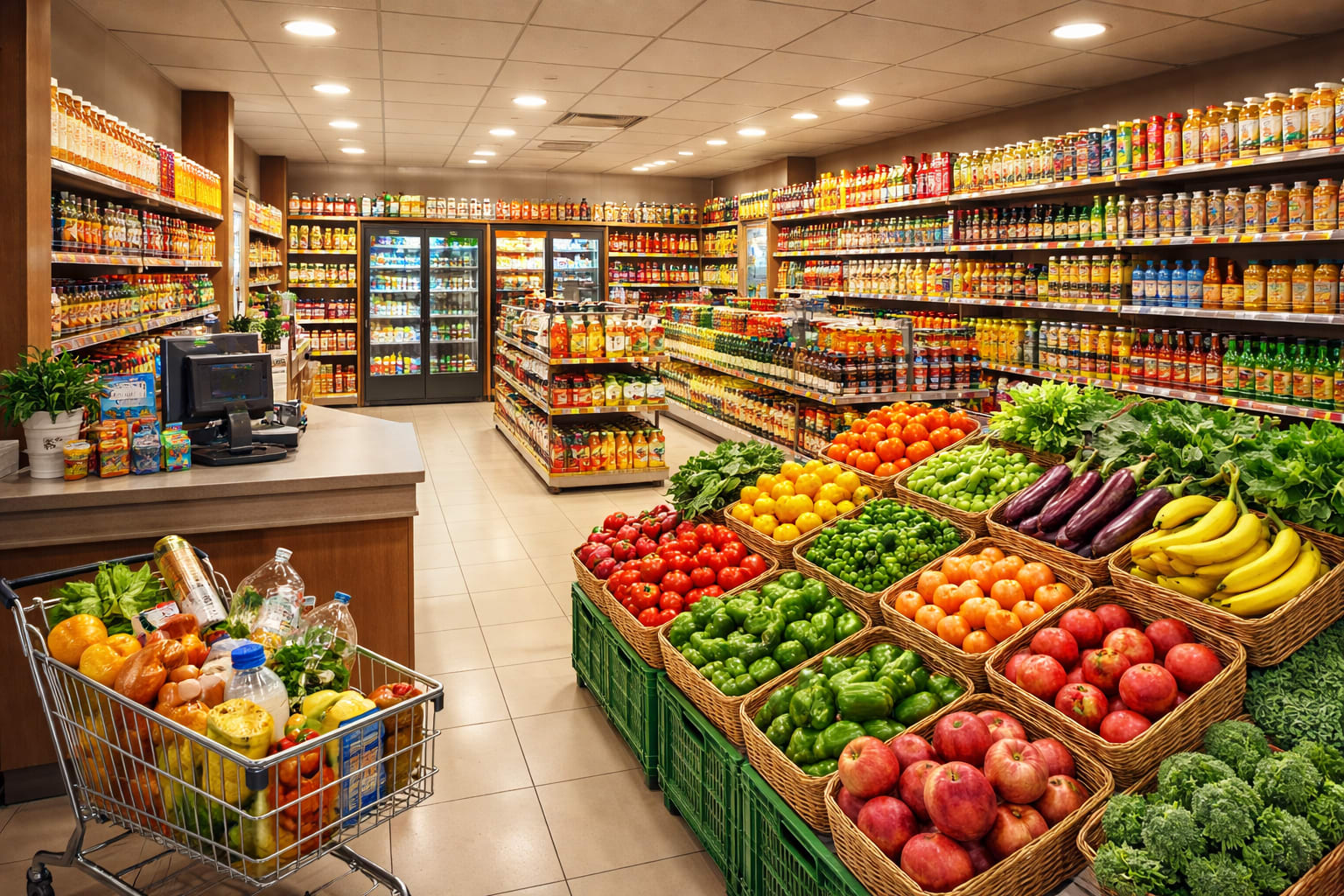
FMCG Retail Franchise Opportunity in Delhi
FMCG Retail Franchise Opportunity in Delhi: Complete Investment & Format Guide
- Delhi is India's largest consumer market and one of the most dynamic retail economies in the country. High population density, rising disposable incomes, and a strong shift toward organized, branded shopping make it an excellent market for an FMCG retail franchise. Here's a complete look at the FMCG retail franchise opportunity in Delhi with The Buyzaar Mart - investment, store formats, locations, and support.
Why Delhi Is a Strong Market for an FMCG Retail Franchise
- Delhi's population runs into the crores, spread across dense residential colonies, urban villages, resettlement colonies, and premium gated communities - all of which generate steady daily FMCG demand.
- FMCG and grocery retail is one of the most recession-resistant business categories in India - households continue buying staples, dairy, and packaged goods every single week, regardless of market sentiment.
- Organized retail penetration still varies widely across Delhi - while some pockets have modern trade, many large residential neighbourhoods continue to depend on unorganized kirana stores that lack billing transparency and product consistency.
- Delhi also serves as a major FMCG distribution hub for the NCR region, giving a franchise located here direct access to distributor networks, wholesale markets, and faster restocking cycles.
- Rising middle-class incomes and a growing preference for hygienic, branded, professionally run stores are steadily shifting consumer behaviour away from unbranded shops.
What Makes FMCG Retail a Resilient Franchise Category
- FMCG covers the products every household buys on a recurring, non-discretionary basis: groceries, staples, dairy, packaged foods, beverages, personal care, and household essentials.
- Because these purchases happen daily rather than seasonally, an FMCG retail store can see steady, Monday-through-Sunday footfall - unlike fashion, entertainment, or food-service franchises that experience sharper seasonal swings.
- Repeat purchase behaviour means a well-run FMCG store can build a loyal, returning customer base within the first few months of opening.
- Nationally, the FMCG and grocery retail market is valued in the tens of lakh crores and continues to grow steadily even as e-commerce and quick-commerce expand.
The Buyzaar Mart Franchise Models Available in Delhi
- The Buyzaar Mart offers two franchise structures, giving Delhi investors flexibility based on their available time and level of involvement.
- FOCM (Franchise Owned, Company Managed): You own the store and invest in the setup. Buyzaar Mart manages daily operations, including staffing, inventory, billing, marketing, and audits. This model suits professionals and first-time entrepreneurs who want ownership without the full operational burden. The agreement term is 5 years.
- FOCO (Franchise Owned, Company Operated): A more passive model where you provide the capital and premises while the company manages staff salaries, procurement, electricity costs, and daily operations entirely. You function as a pure investor, with returns agreed through a revenue-sharing or fixed-return structure.
- Both models require no prior retail experience and come with complete training, POS software, and ongoing operational support.
Store Formats and Investment - Mini Mart, Super Mart, and Hyper Mart
- The Buyzaar Mart offers three store formats, so the franchise can adapt to your budget, available space, and the specific locality you're targeting in Delhi.
Mini Mart
- Store size: Approximately 600-1,000 sq ft (minimum carpet area required for any Buyzaar Mart store is 600 sq ft)
- Investment: Approximately INR 15 lakh to INR 22 lakh, depending on exact store size, location, and fit-out condition
- Best for: Compact residential colonies, urban villages, and first-time investors
- Focus: Groceries, FMCG, dairy, personal care, and household products
Super Mart
- Store size: Approximately 1,000-3,000 sq ft
- Investment: Starting from approximately INR 26.63 lakh, scaling with size and fit-out
- Best for: Market areas, mixed-use zones, and higher-footfall residential pockets
- Focus: Broader product assortment with more SKUs per category and a richer in-store experience
Hyper Mart
- Store size: 3,000 sq ft and above
- Investment: Scales upward significantly based on store size and location
- Best for: High-traffic commercial locations, township markets, and busy Delhi residential zones
- Focus: One-stop supermarket destination - groceries, FMCG, bakery, dairy, fresh produce, beverages, frozen foods, personal care, stationery, toys, pet care, household essentials, and devotional items
- Across all formats, the investment typically covers the franchise fee (inclusive of 18% GST), interior setup and store assets, POS technology, opening stock, and the security deposit.
What's Included in Your Franchise Support Package
- Store setup: Layout planning, shelving, racks, display units, lighting, flooring, branding, and signage - designed and installed before your store opens.
- Technology infrastructure: POS billing, sales tracking, and inventory control systems deployed as part of the franchise setup.
- Site evaluation: You can propose a Delhi location, and the team assesses population density, purchasing capacity, and local demand before approval.
- Inventory and supply chain: Your store connects to Buyzaar Mart's procurement network - FMCG distributor relationships, direct vendor access, and regional sourcing - for competitive pricing and reliable restocking.
- Buyback protection: Expired and damaged goods are taken back under the brand's hassle-free inventory assurance policy, reducing inventory risk.
- Staff recruitment and training: Complete training on POS operations, daily routines, inventory management, customer engagement, and hygiene compliance before your first customer walks in.
- Marketing support: Hyperlocal launch campaigns targeting the specific streets, colonies, and blocks around your store.
- Certifications: FSSAI licensed, GST registered, and MSME certified - building instant credibility with Delhi's increasingly quality-conscious households.
Best Delhi Locations for an FMCG Retail Franchise
- High-density residential colonies: Neighbourhoods with a large resident base ensure steady, daily customer traffic for a Mini Mart or Super Mart format.
- Urban villages and resettlement colonies: Areas still largely served by unorganized kirana stores, offering a clear first-mover advantage for an organized, branded store.
- Commercial and market zones: Areas near local markets, office complexes, and business districts suit the Super Mart or Hyper Mart format with broader footfall.
- Near educational institutions: Proximity to schools and colleges brings consistent daily footfall throughout the week.
- Ground-floor units with parking access: Preferred for any format, since easy accessibility directly improves walk-in conversion.
Product Range Your Store Will Carry
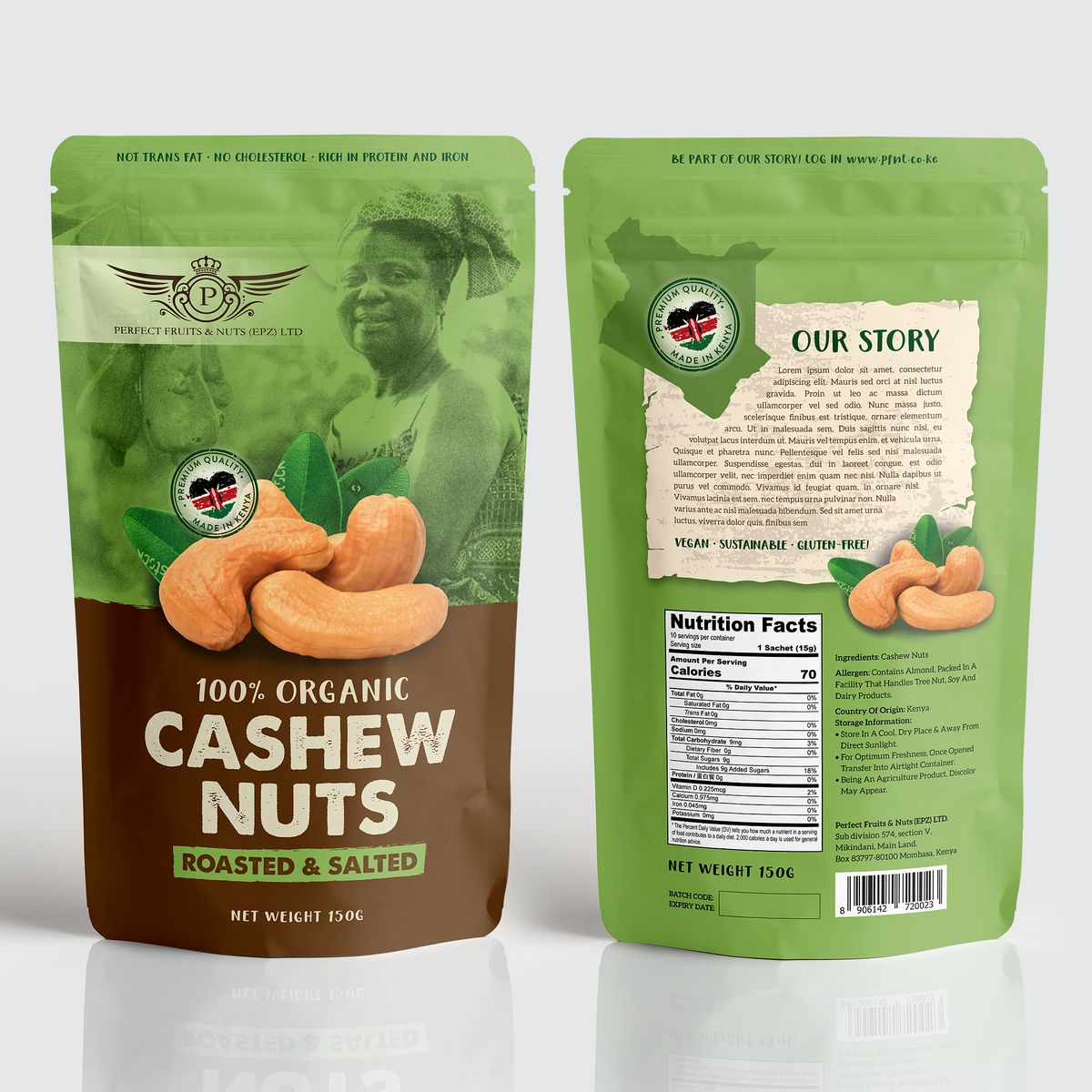
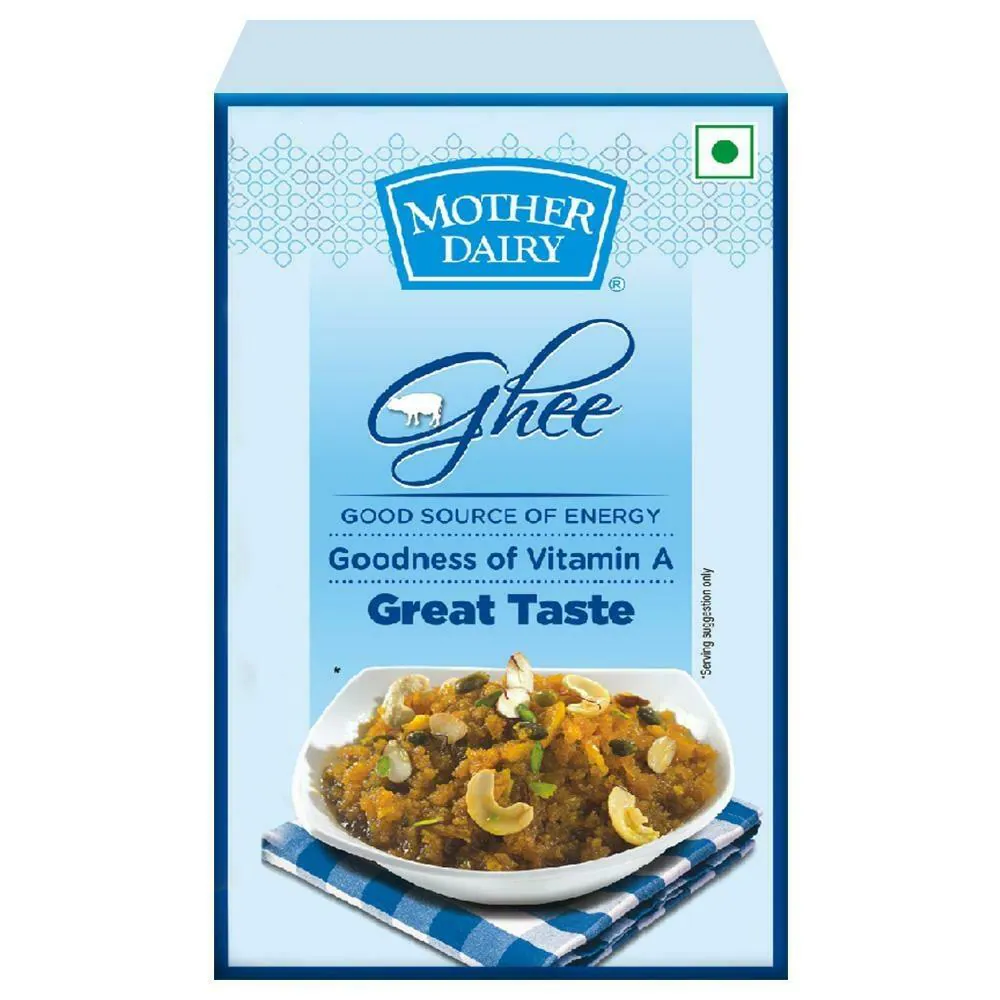
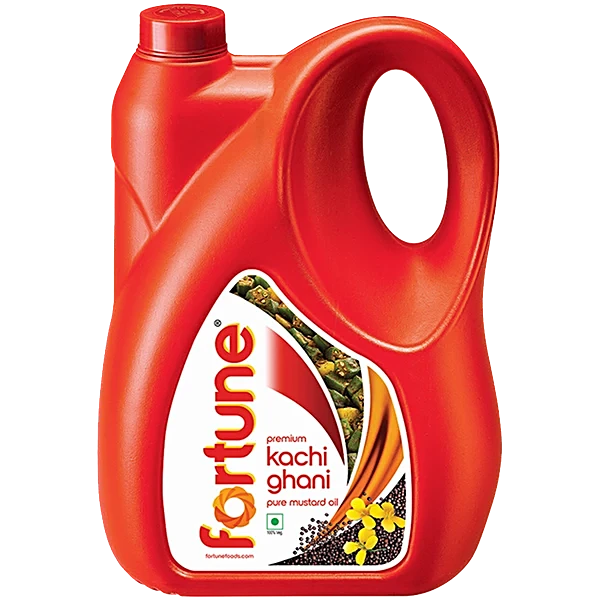
- Staple groceries: rice, wheat, pulses, flour, sugar, edible oils, and spices.
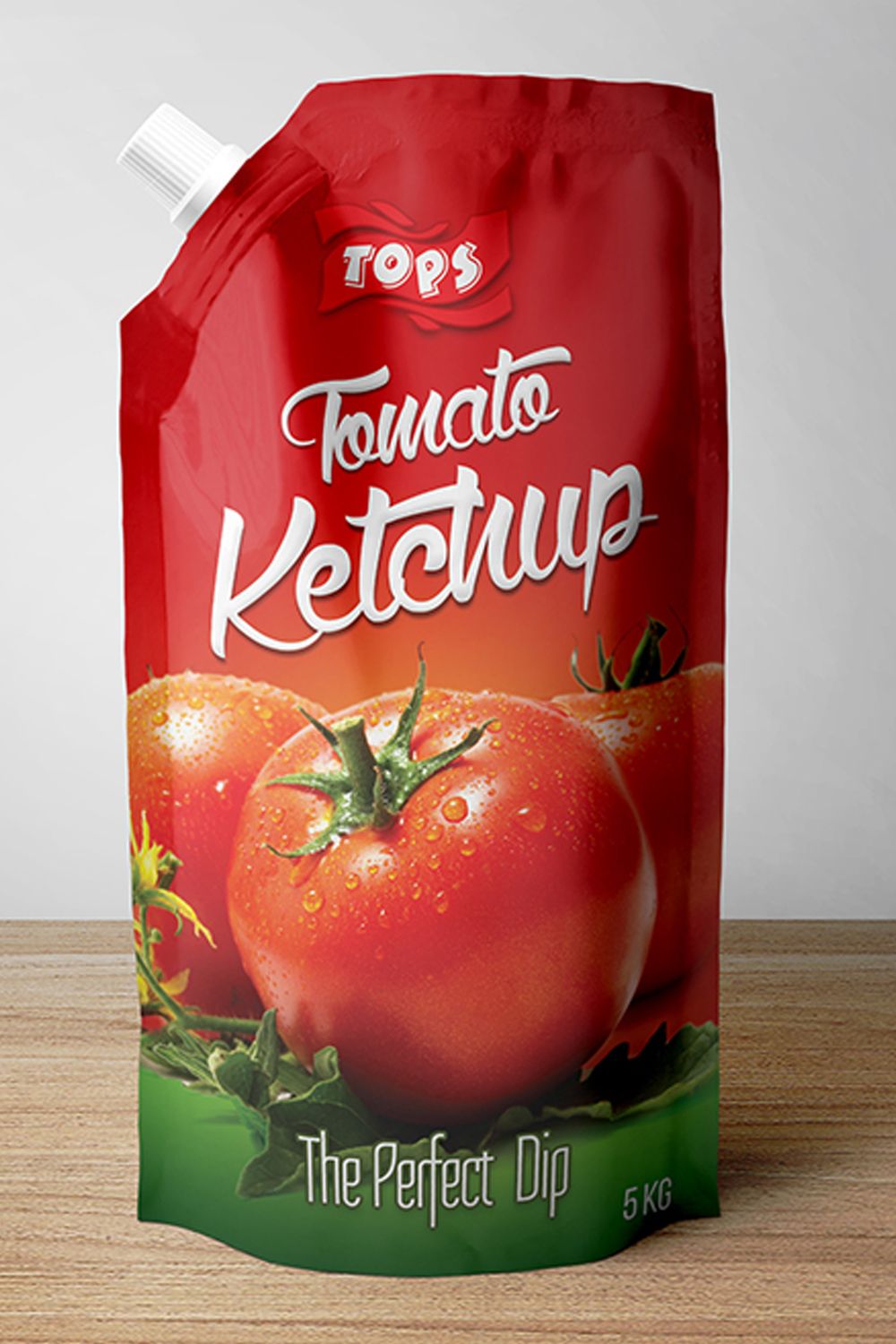
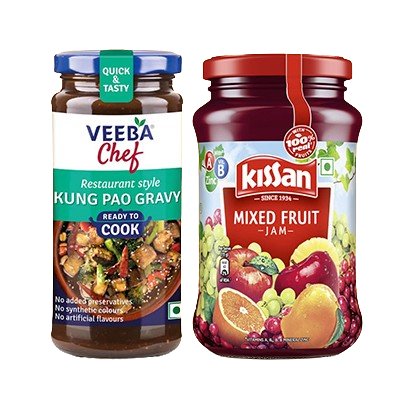
- Packaged and branded FMCG products across major national and regional categories.
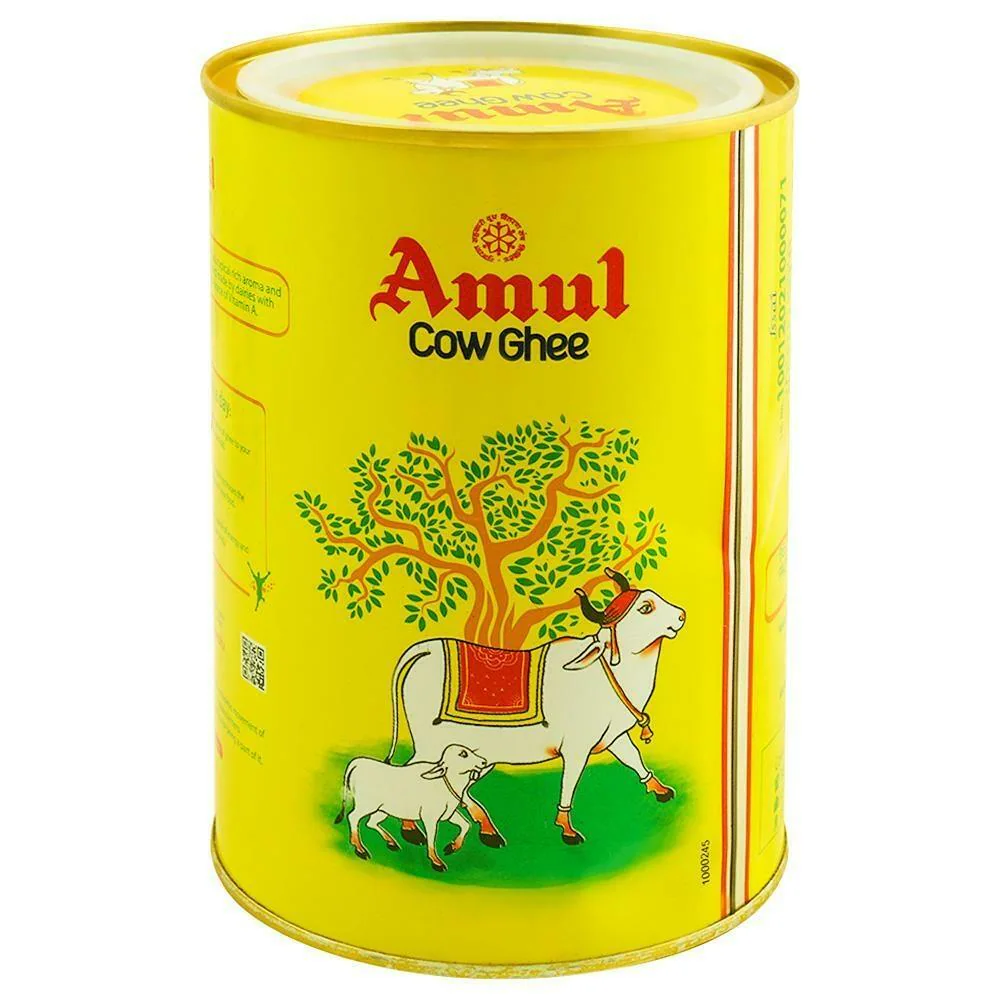
- Dairy and beverages: milk, curd, butter, cheese, juices, cold drinks, and packaged water.
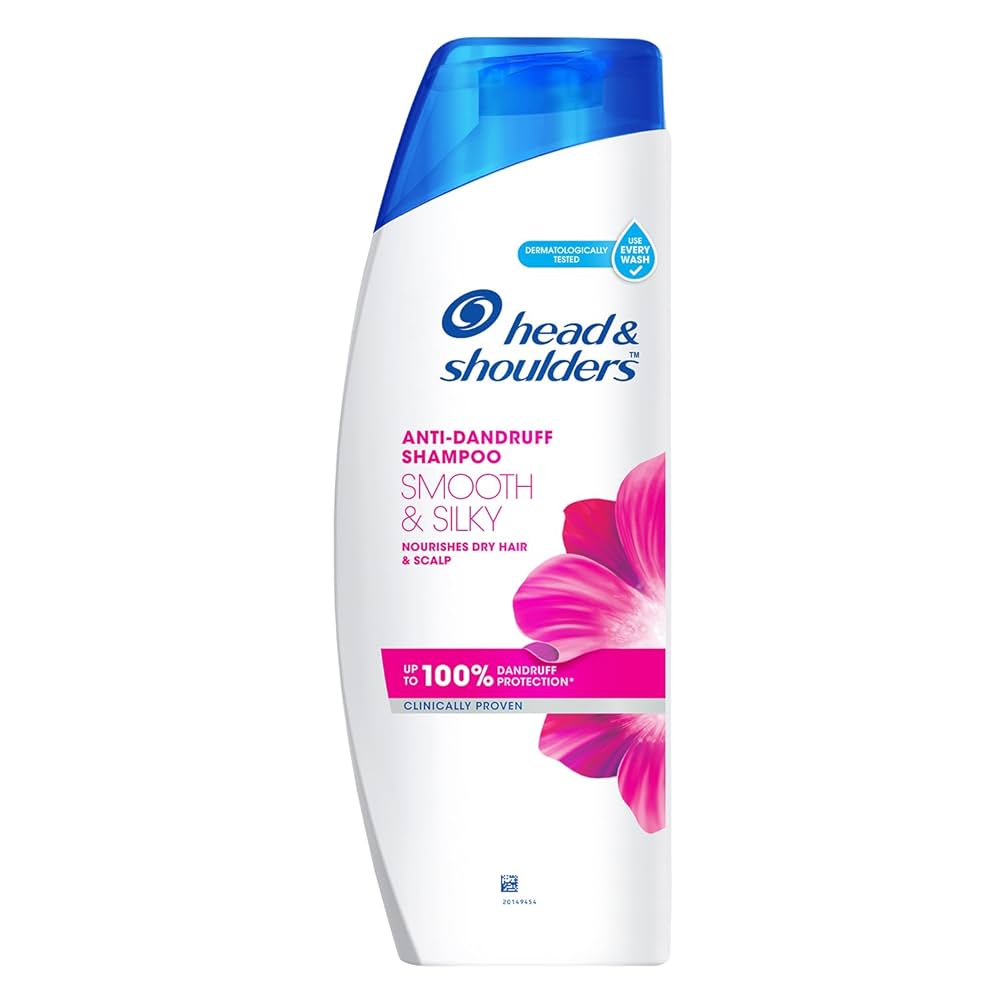
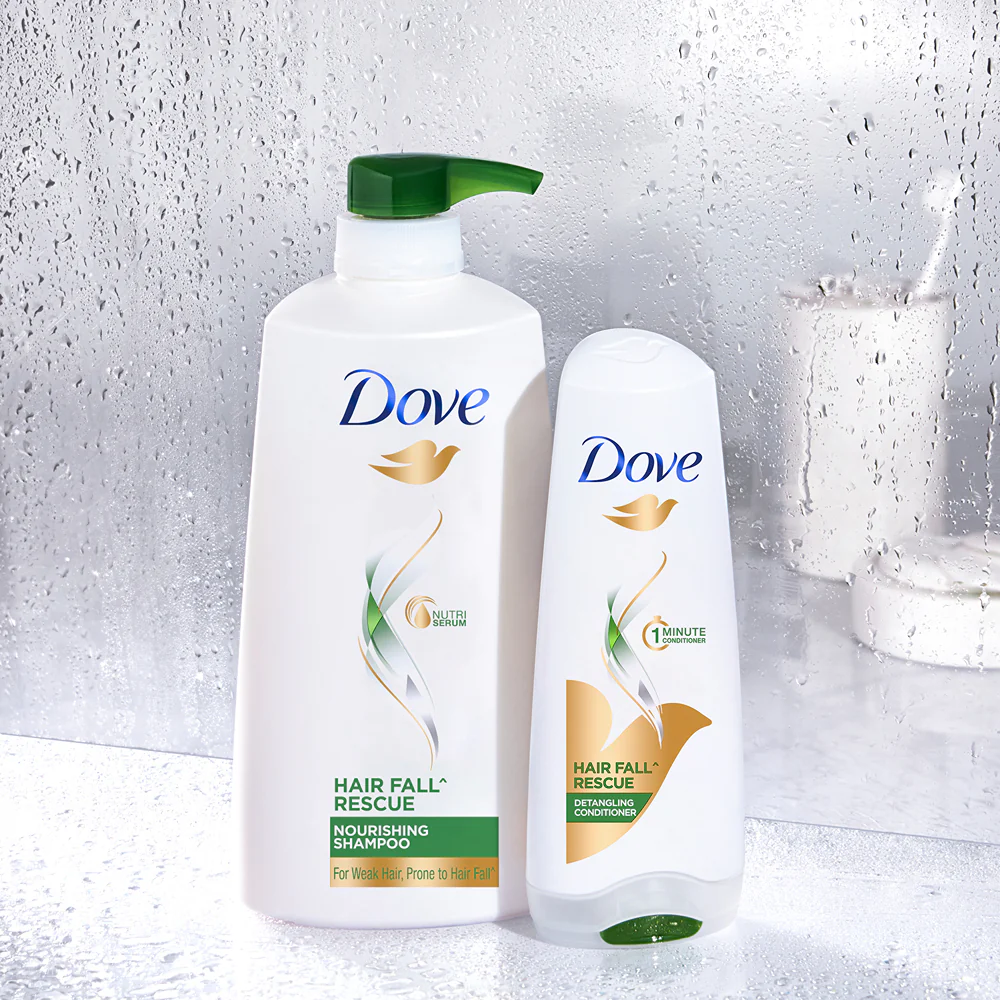
- Personal care items: soaps, shampoos, skincare, oral care, and hygiene products.
- Home care products: detergents, floor cleaners, dishwash liquids, and fresheners.
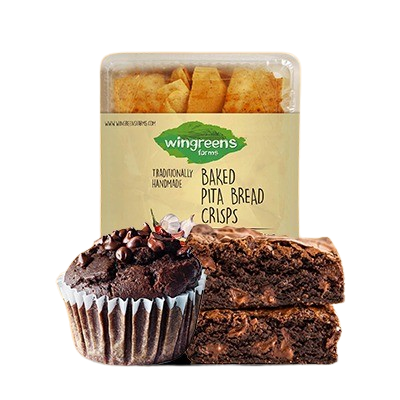
- Packaged snacks and confectionery: biscuits, chips, chocolates, and namkeen.
- Frozen and chilled foods: frozen vegetables, ice cream, and chilled ready-to-eat products.
- Additional categories for Super Mart and Hyper Mart formats: bakery items, fresh produce, stationery, toys, pet care, and devotional items.
Revenue Potential and Growth Path
- FMCG retail franchises typically operate on an expected profit margin in the range of 18% to 20%, depending on format, location, and operational efficiency.
- A well-located Mini Mart in a dense Delhi residential pocket generally stabilizes its footfall within the first 2-3 months as the surrounding colony adopts it as the default nearby store.
- Under the FOCM model, the franchisee retains the gross margin on every product sold, since the store revenue and customer relationship belong directly to the franchise owner.
- Under the FOCO model, returns are structured as an agreed revenue share or fixed payout, suited to investors who want income without daily involvement.
- Profitability typically improves further with multi-unit ownership, as supplier relationships, staff training, and marketing learnings from the first store reduce the cost and risk of opening the next.
- Because FMCG demand is non-discretionary, the business is considerably less exposed to seasonal dips than fashion, electronics, or food-service categories.
FMCG Franchise vs. Traditional Kirana Store in Delhi
- Branding and trust: An unregistered kirana store has no recognizable brand or food-safety certification; a Buyzaar Mart franchise is FSSAI licensed, GST registered, and MSME certified from day one.
- Technology: Kirana stores typically rely on manual billing with no inventory tracking; a Buyzaar Mart store runs on POS billing and real-time inventory systems.
- Risk protection: Independent store owners absorb the full cost of expired or damaged stock; Buyzaar Mart franchisees are protected through the contractual buyback policy.
- Marketing: A kirana store depends on word-of-mouth alone; a Buyzaar Mart franchise gets a structured, hyperlocal launch campaign.
- Consumer preference: Delhi's increasingly quality-conscious, brand-aware residents are steadily shifting toward organized, hygienic retail over unbranded shops.
Who Should Consider This Franchise
- First-time entrepreneurs in Delhi looking for a low-risk entry into organized retail.
- Working professionals seeking a business investment that doesn't require quitting their job, via the FOCM or FOCO model.
- Residents of dense colonies or urban villages who understand their own community's daily shopping needs.
- Investors with access to a 600 sq ft or larger ground-floor commercial or residential-facing space in Delhi.
Frequently Asked Questions
Q1. What is the minimum investment for an FMCG retail franchise in Delhi?
- A Mini Mart format starts from approximately INR 15 lakh, going up to around INR 22 lakh depending on location and fit-out.
Q2. What space is required for the Mini Mart format?
- A minimum carpet area of 600 sq ft is required, with the format typically ranging up to 1,000 sq ft.
Q3. Do I need retail experience to apply?
- No. Complete training, POS software, and ongoing operational support are provided for first-time franchisees.
Q4. Can I choose my own store location in Delhi?
- Yes. You can propose a location, and the team will assess population density, purchasing capacity, and demand before approval.
Q5. What happens to unsold or expired stock?
- Expired and damaged goods are taken back under the brand's hassle-free inventory assurance policy.
Q6. What is the difference between FOCM and FOCO?
- FOCM means you own and stay involved while the company manages operations; FOCO means the company operates the store entirely while you function as a pure investor.
Q7. Can I scale up from a Mini Mart to a larger format later?
- Yes. Franchisees commonly start with a Mini Mart and expand to a Super Mart or Hyper Mart, or add additional outlets, as the business grows.
Start Your FMCG Retail Franchise Journey in Delhi
- Delhi's daily consumer economy offers one of the most reliable opportunities for a branded FMCG retail store.
- Join The Buyzaar Mart franchise network and bring your neighborhood a modern daily needs store built on trust, convenience, and professional retail systems.
- Email: info@thebuyzaarmart.com
- Phone / WhatsApp: 9217991727
- Business Hours: Monday to Saturday, 09:00 AM - 07:00 PM

Store Features & Services
Discover our comprehensive range of services designed to provide the best shopping experience for urban and semi-urban households
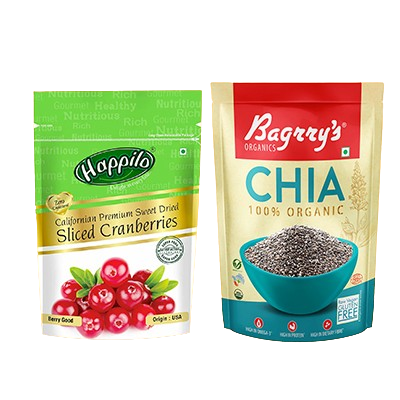
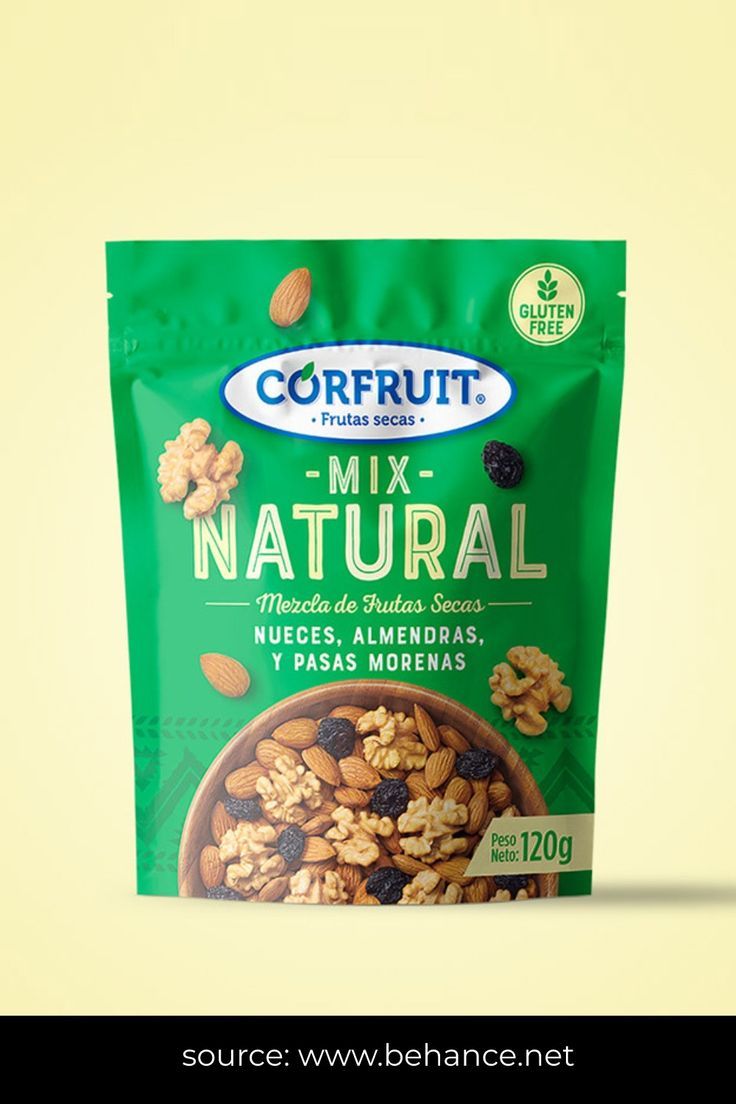
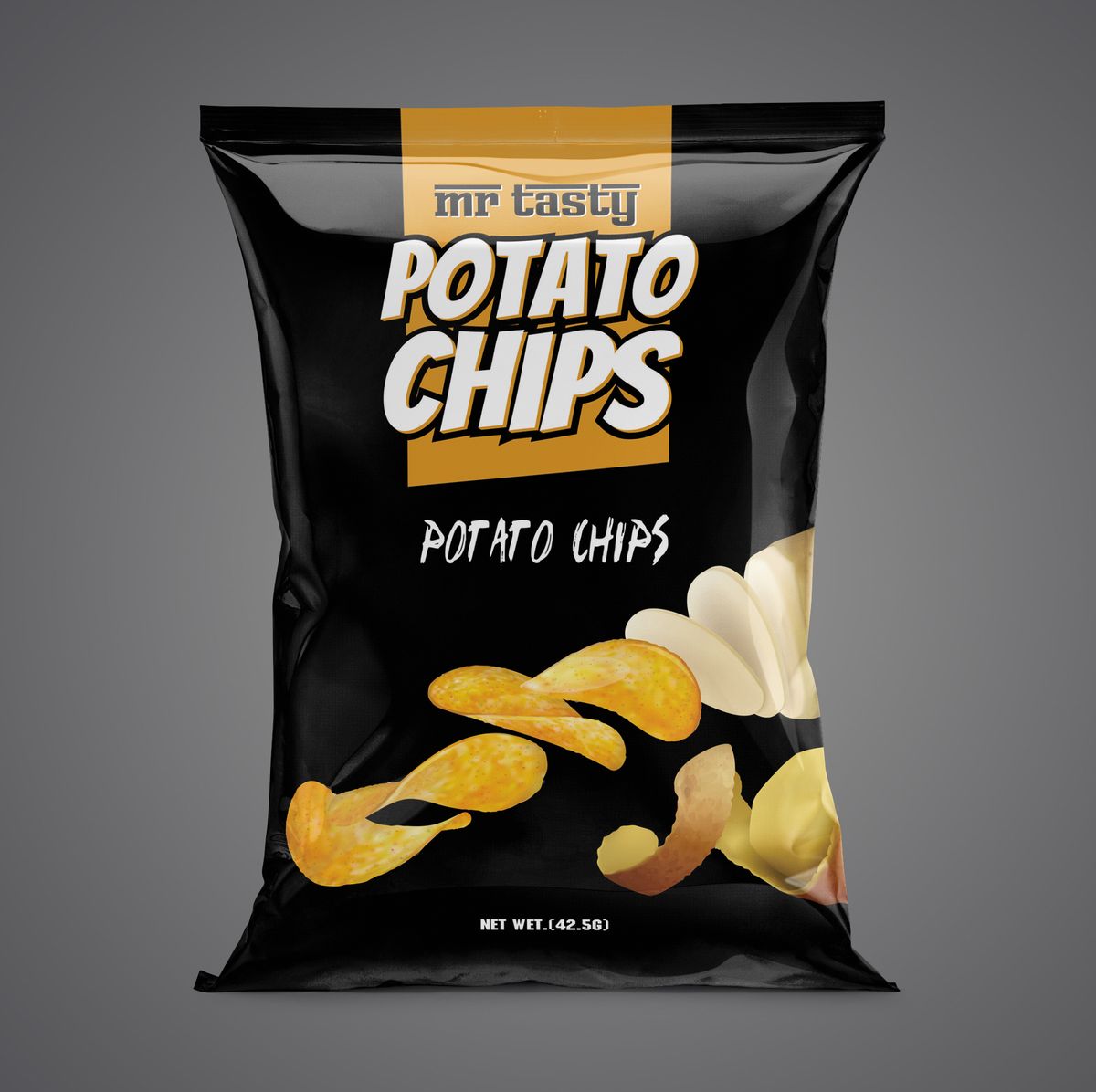
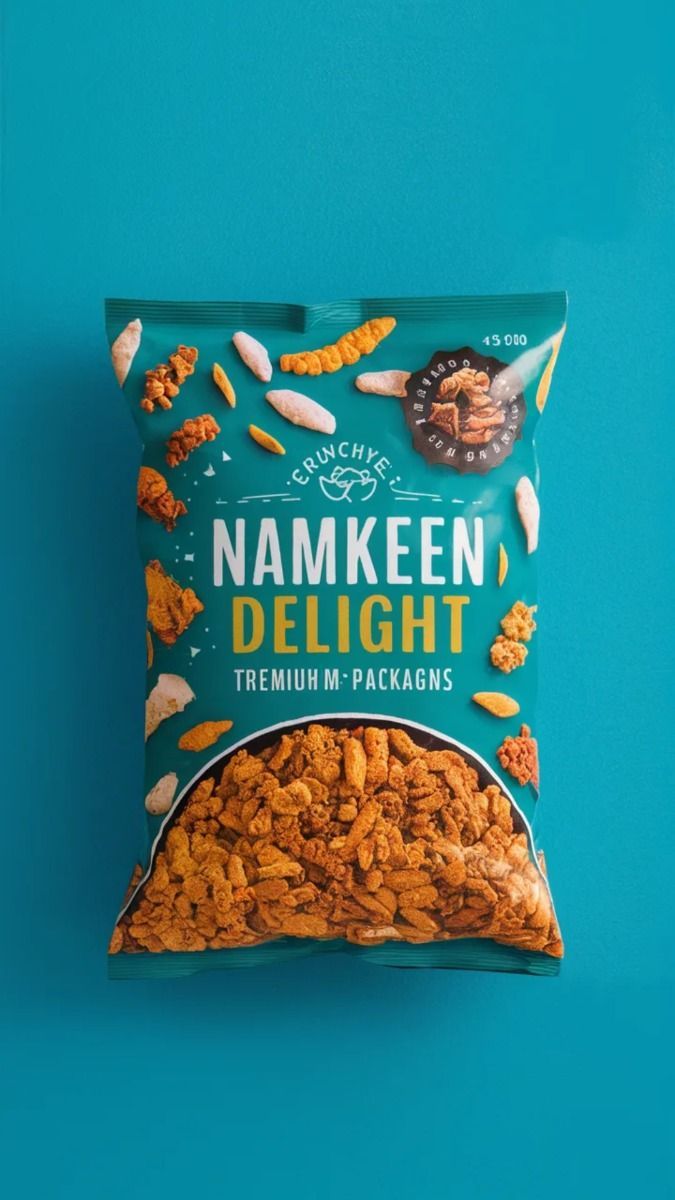


Wide Product Range
Daily-need items under one roof!

Affordable Pricing
Value-conscious pricing strategy!

POS-Enabled Billing System
Modern point-of-sale technology!

Customer Relationship Management (CRM)
Building lasting customer relationships!

Uniform Branding & Store Design
Consistent professional identity!
Localized Product Flexibility
Adapted to local preferences!