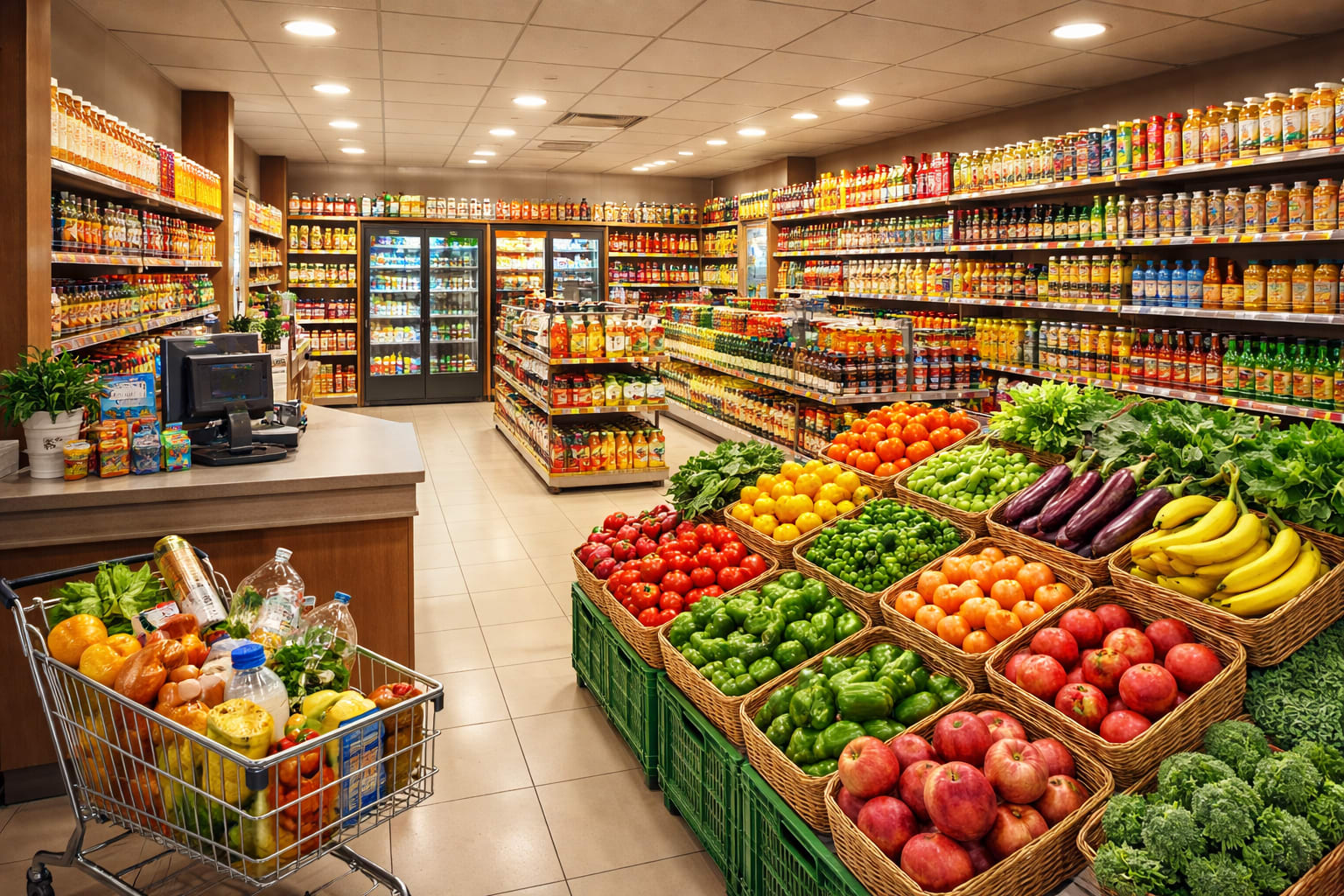
How To Open Retail Franchise In Delhi
Retail Franchise in Delhi NCR: Your Complete Guide to Profitable Store Ownership
The National Capital Region (NCR) of Delhi is a bustling, vibrant, and ever-expanding metropolis. With a population running into the tens of millions, it represents one of the largest consumer markets in the world. The retail landscape in Delhi NCR has transformed dramatically. Urban and semi-urban consumers now demand convenience, quality, and fair pricing in their neighborhood stores.
For decades, retail needs were met by traditional, unorganized corner stores. However, today's Delhiite balancing a fast-paced urban lifestyle demands convenience, hygiene, vast product assortment, and digital-first shopping experience. This transformation has created a massive vacuum in neighborhood retail, paving the way for organized supermarket franchises to thrive. If you're an entrepreneur, corporate professional seeking secondary income, or property owner maximizing real estate yields, opening a retail franchise in Delhi is incredibly lucrative.
Why Delhi NCR is the Perfect Market for Retail Franchises
Delhi NCR region encompasses Delhi, Noida, Ghaziabad, Greater Noida, Gurgaon, Faridabad, and surrounding areas–a population of over 30 million people. The region has distinct characteristics ideal for retail franchises:
- High Population Density: Extremely high with new residential colonies constantly emerging. Growing neighborhoods need convenient access to essentials.
- Consumer Purchasing Power: Highest among Indian cities. Middle and upper-middle-class populations spend significantly on groceries and essentials.
- Digital Literacy: High internet penetration enables seamless POS integration, inventory management, and digital payments, reducing cash handling risks.
- Infrastructure Growth: Metro expansions, RRTS, highways, and new projects create new catchment areas with underserved retail needs.
- Quality Consciousness: Consumers value quality, cleanliness, and brand assurance–exactly what well-structured franchise models provide.
Assessing Your Financial Readiness and Goals
Before searching for shop spaces or signing agreements, conduct a thorough self-assessment. Define your investment capacity and desired involvement level.
1. Determining Your Capital Outlay
Opening a retail store requires upfront capital for franchise fees, interior fit-outs, technology infrastructure, initial inventory, and working capital. Depending on store size, investment in Delhi can range from ₹15 Lakhs for compact convenience stores to over ₹1 Crore for massive hypermarkets.
2. Defining Your Operational Role
Do you want to manage the store yourself or invest capital and let professionals run it? If you want to run it yourself, choose FOFO (Franchise Owned, Franchise Operated). If you want passive income, choose FOCM (Franchise Owned, Company Managed)–The Buyzaar Mart's specialty.
Choosing the Right Store Format
The Buyzaar Mart offers highly scalable structure, matching store type to capital and real estate.
1. The Mini Mart (600–1000 sq. ft.)
Perfect for narrow lanes of East/West Delhi or apartment complex ground floors. Focus on fast-moving daily needs: milk, bread, snacks, beverages, and household cleaners. Low rent and setup costs mean significantly accelerated ROI timeline.
2. The Super Mart (1001–3000 sq. ft.)
Suited for local market squares and prominent sector markets. Wide aisles with shopping carts enable expanded inventory including cosmetics, personal care, packaged foods, and homeware. Customers visit for weekly grocery shopping.
3. The Hyper Mart (3001+sq. ft.)
Reserved for major commercial hubs or highway properties. Requires substantial investment but serves as anchor tenant. Sell groceries, fresh produce, electronics, apparel, and gifting items. Generates millions monthly, establishing franchisee as major retail player.
Prime Locations for Retail Franchises in Delhi NCR
- Noida Extensions (Sector 120–135): Rapidly developing with 15–20% monthly footfall growth. New colonies with limited retail infrastructure.
- Ghaziabad: Established neighborhoods with consistent foot traffic. Moderate competition leaves room for new brands.
- Gurgaon Periphery (Sohna Road, Palwal): Developing satellite towns with fast-growing residential populations. Less penetrated by organized retail.
- Noida (Sector 44–80): Mixed residential-commercial colonies. Good foot traffic and purchasing power. Ideal for Super Mart format.
- Faridabad and Greater Noida: Tier-2 locations with lower real estate costs. Excellent margins due to lower operating costs.
- South Delhi (Dwarka, Rohini): Well-established areas with higher purchasing power. Premium location with higher rents but stronger revenue potential.
Navigating Legalities, Licensing, and Compliances in Delhi
Opening a retail store requires navigating local bureaucracy. Operating without proper paperwork risks hefty fines or closure.
- Business Registration and GST: Register legal entity and obtain GST registration for vendor management and tax credits.
- FSSAI License: Mandatory for selling food products. License cost is ₹5,000–₹10,000 with annual renewal.
- Shop and Establishment Act: Required by Delhi Government labor department regulating working hours and employee rights.
- Trade License and Fire NOC: MCD trade license required. Fire NOC for large stores ensuring safety compliance.
- Franchise Agreement: Legally binding contract outlining terms, royalty structure, termination clauses, and dispute resolution.
- Lease Agreement: Properly registered shop lease clarifying subletting, renewal, and rent escalation. 3–5 year leases standard.
- Insurance: Business insurance protecting against liability, product spoilage, theft. Annual premium typically ₹5,000–₹10,000.
- Employee Compliance: Follow Labor Laws regarding working hours, minimum wages, PF contributions, and Gratuity.
Interior Fit-Outs and Technological Integration
Modern supermarkets are defined by ambiance and backend technology. The days of dark, cluttered stores are over.
1. Smart Retail Architecture
Store layout dictates customer purchases. Implement Planograms showing exact product placement. Use grid layouts with high-demand items at store back, forcing customers past high-margin items. Place impulse buys around billing counter: mints, batteries, toys.
2. The Point of Sale (POS) Ecosystem
Modern retail requires advanced POS beyond basic billing. System must automatically track inventory, alert on expiry dates, integrate CRM for loyalty programs, and enable digital payments. Capturing customer phone numbers for personalized offers drives repeat visits.
Mastering Supply Chain and Inventory Procurement
Retail profitability is won or lost in supply chain. Poor buying margins or empty shelves mean business failure.
The Problem with Independent Sourcing
Independent store owners negotiate with dozens of local distributors, buying in small quantities at terrible wholesale rates. Distributors refuse returns on unsold stock, creating dead stock and direct financial loss.
The Power of Centralized Procurement
Success requires centralized buying power. Franchise networks piggyback on massive supply networks. Independent stores get 8–10% margins; franchise stores get 18–20%. The Buyzaar Mart sources directly from FMCG brands, implementing smart AI-driven ordering with Hassle-Free Inventory Assurance. They negotiate return terms for damaged stock, ensuring capital never locks in dead inventory.
Staff Recruitment, Training, and Daily Operations
Retail is people-heavy. Staff treatment defines neighborhood brand reputation.
Hiring Challenges in Delhi
Finding honest, punctual, polite retail staff in NCR is notoriously difficult. High attrition rates mean store owners often man counters themselves when staff quits without notice.
How The Buyzaar Mart Helps
Through FOCM model, The Buyzaar Mart eliminates staffing headaches. Franchisor's HR department interviews, hires, trains, and manages staff payroll. If employee leaves, company deploys replacement. As investor, you're shielded from daily labor management grind.
Launch Marketing and Customer Acquisition
With shelves stocked and staff hired, you need neighborhood residents actually walking through doors.
The Grand Launch
First impressions create neighborhood buzz through decorations, flyer distribution, and massive inaugural discounts on staples. This drives immediate heavy footfall and community awareness.
Sustained Local Marketing
Retail requires constant engagement through WhatsApp marketing with weekly offers, loyalty programs with point systems, and home delivery via WhatsApp for senior citizens and busy families. The Buyzaar Mart provides complete marketing calendar, promotional graphics, discount strategies subsidized by vendor partnerships, and hyper-local campaigns ensuring your store remains preferred shopping destination.
The FOCM Advantage: Modern Retail Ownership
Throughout this guide, we outlined immense complexity of running retail: real estate, licenses, technology, supply chains, and staff management. Doing this alone is monumental.
The Buyzaar Mart engineered FOCM (Franchise Owned, Company Managed) for modern investors wanting high retail returns without operational burden.
The FOCM Promise:
- You Invest: Provide capital for store setup and hold master lease. Business is 100% owned by you.
- We Manage: Professional team runs store from hiring cashiers to vendor negotiations. Company does heavy lifting.
- You Earn: Monitor daily sales via smartphone dashboard and reap benefits of 18–20% gross margins generated by operations.
Transparent, efficient, modern approach to business ownership allowing software engineers in Gurugram to successfully own booming supermarkets in Rohini without leaving desks.
Why Choose a Franchise Model Over Independent Store?
Franchises provide immediate advantages over independent stores:
- Brand Recognition: Customers prefer known brands offering quality assurance. Franchise provides instant credibility, reducing customer acquisition time.
- Proven Business Model: Tested across multiple locations with established supplier networks and optimized product mix.
- Technology Systems: POS software, inventory management, and CRM systems already developed and optimized.
- Supply Chain Efficiency: Negotiated bulk discounts ensuring best cost prices. Independent stores pay 5–10% more due to smaller volumes.
- Operational Support: Staff training, inventory alerts, seasonal planning, and problem-solving support with expert backup.
- Marketing Leverage: Local and regional campaigns drive foot traffic. Store benefits from network-wide promotions without bearing full costs.
What Franchisors Provide in Delhi NCR
Established franchises like Buyzaar Mart provide comprehensive support:
- Complete Training Program: Covering store operations, inventory management, staff recruitment, customer service, and financial management for 2–4 weeks.
- Site Selection Assistance: Demographic analysis, foot traffic assessment, and catchment evaluation. Franchisors shortlist locations, saving time and reducing risk.
- Store Design and Setup: Layout planning, interior recommendations, vendor coordination, and quality assurance during construction.
- Initial Inventory Supply: Curated product list based on location and demographics with guidance on opening stock quantities.
- Supplier Network Access: Negotiated rates with 100+ brands and suppliers ensuring competitive cost prices throughout operations.
- Marketing and Promotional Support: Opening campaign, local marketing materials, digital guidance, and seasonal strategies.
- Technology and Software: POS system, inventory management, CRM, and backend financial systems.
- Ongoing Support: Regional managers visit stores, analyze performance, provide guidance, and troubleshoot challenges.
- Performance Tracking: Regular reviews, sales benchmarking against similar stores, and optimization recommendations.
- Financial Management: Daily cash accounting, expense monitoring, margin tracking, and profitability analysis.
Frequently Asked Questions (FAQs)
Q1: What is the minimum investment to start a retail franchise in Delhi NCR?
A1: Minimum investment for Mini Mart format (600–1000 sqft) is approximately ₹15–25 lakh. This includes store setup (₹4–7 lakh), fixtures and fittings (₹1.5–2.5 lakh), initial stock (₹2–3 lakh), technology setup (₹1–1.5 lakh), and working capital (₹1–2 lakh). Some franchisors offer flexible payment or negotiate based on location and circumstances.
Q2: How much profit can I make from a retail franchise?
A2: Well-operated store in good location achieves monthly turnover of ₹10–15 lakh with 18–20% gross profit margin. After monthly operating expenses (₹40,000–₹60,000), monthly net profit typically ranges ₹1–1.5 lakh. This translates to annual profit of ₹12–18 lakh, delivering 80–100% annual ROI. Top-performing stores in premium locations earn even higher profits. Actual figures vary based on location quality, competition, and operational efficiency.
Q3: Can I run a retail store while keeping my job?
A3: Yes, FOCM (Franchise Owned, Company Managed) model allows you to own store while franchisor manages all operations. You don't need physical daily presence. Monitor sales via smartphone dashboard while continuing your job.
Q4: What are the major franchise models available?
A4: Primary models are FOCM (Franchise Owned, Company Managed) where franchisor manages operations, FOCO (Franchise Owned, Company Operated) similar model, and FOFO (Franchise Owned, Franchise Operated) where you manage directly. FOCM suits busy professionals, while FOFO suits hands-on entrepreneurs.
Q5: How long does it take to recover my investment?
A5: For well-located store with proper operations, investment recovery typically takes 12–18 months. ₹18 lakh investment with ₹1.5 lakh monthly profit breaks even in 12 months. Some stores break even within 10–12 months if sales ramp quickly. Others take 18–24 months if initial sales are lower or rent is high. Assumes proper location selection and franchisor support. Poor locations may take longer or never achieve adequate ROI.
Q6: What support does a franchisor provide after my store opens?
A6: Quality franchisors provide ongoing support including staff training and replacement programs, inventory replenishment and ordering assistance, marketing and promotional guidance, sales analysis and performance benchmarking, regular store visits by supervisors, technology support (POS, inventory software), supplier relationship management, seasonal planning assistance, and problem-solving support ensuring long-term success.
Take the Next Step: Start Your Retail Franchise Journey
Opening a retail franchise in Delhi is not just about making money; it about creating a hub serving your local community, providing employment, and generating robust, recession-proof returns.
Ready to invest in your future? Contact our dedicated franchise acquisition team for financial planning, site selection, and end-to-end setup assistance in Delhi NCR.
📞 Phone / WhatsApp: 9217991727
Email: info@thebuyzaarmart.com
Website: www.thebuyzaarmart.com
Business Hours: Monday–Saturday, 9:00 AM–7:00 PM
The Buyzaar Mart – Empowering Communities, Building Legacies. Invest in the future of retail today.

Store Features & Services
Discover our comprehensive range of services designed to provide the best shopping experience for urban and semi-urban households
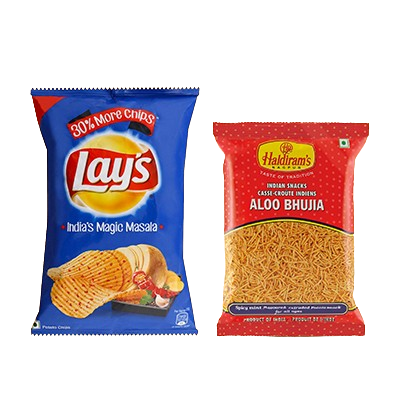
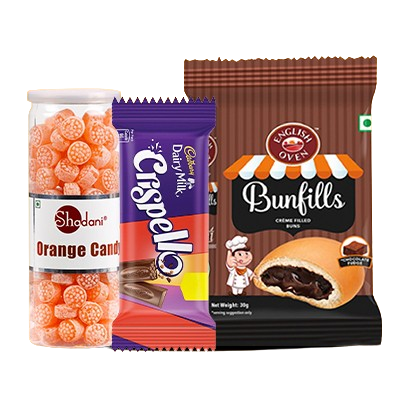
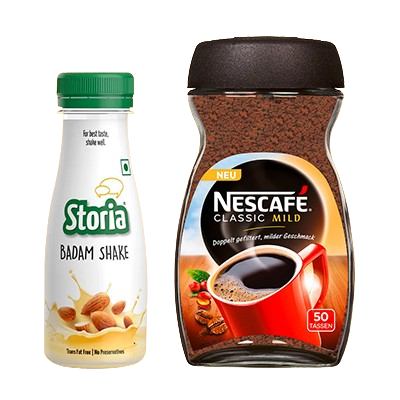
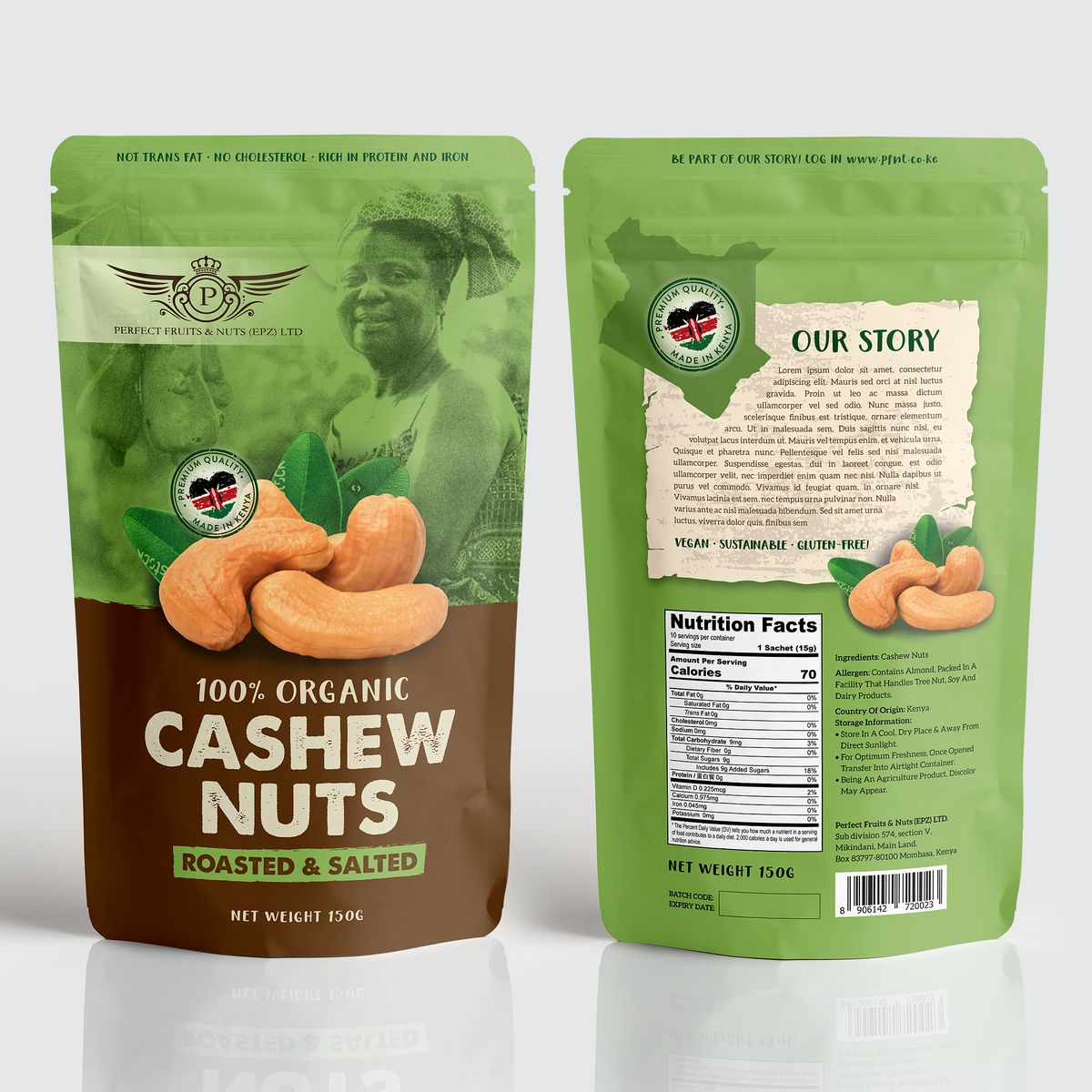
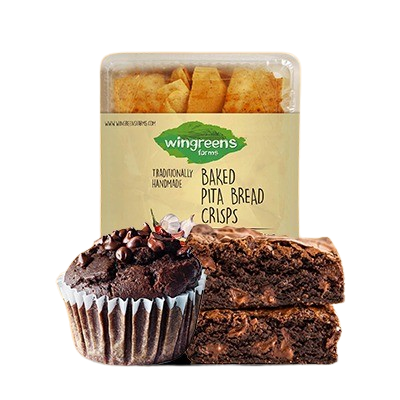

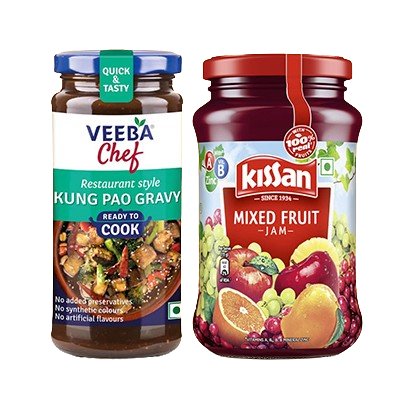
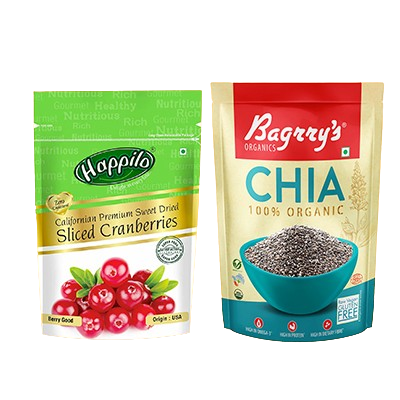




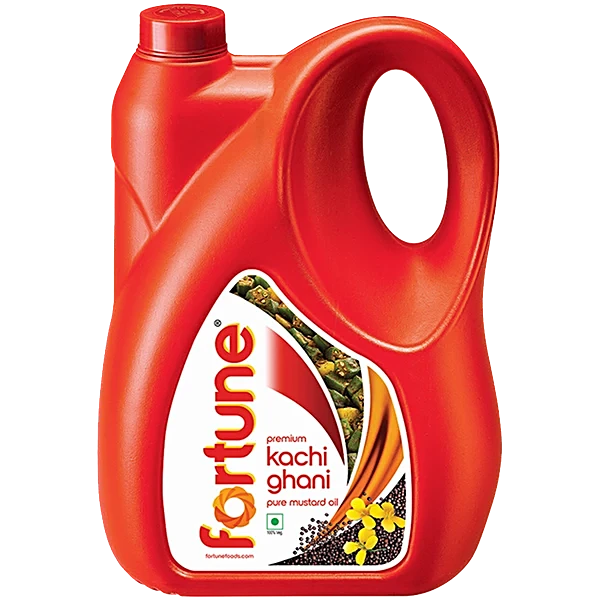
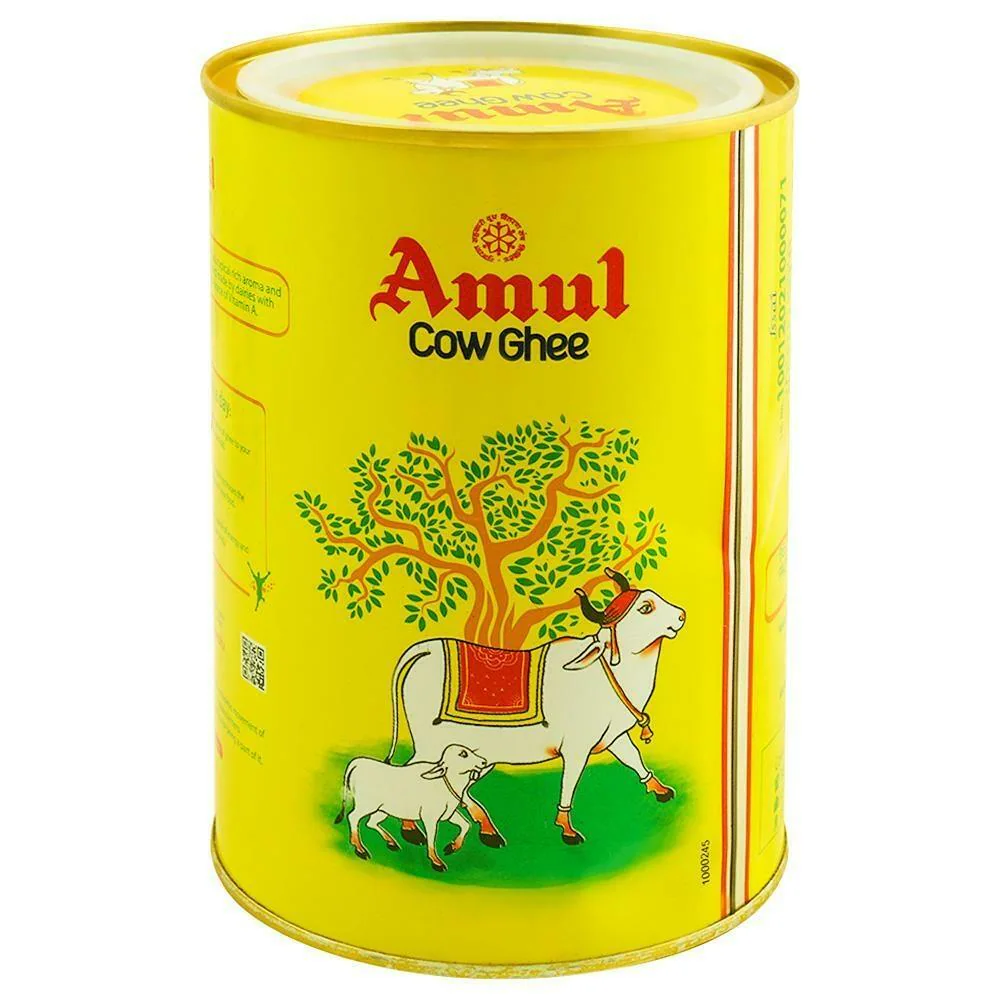

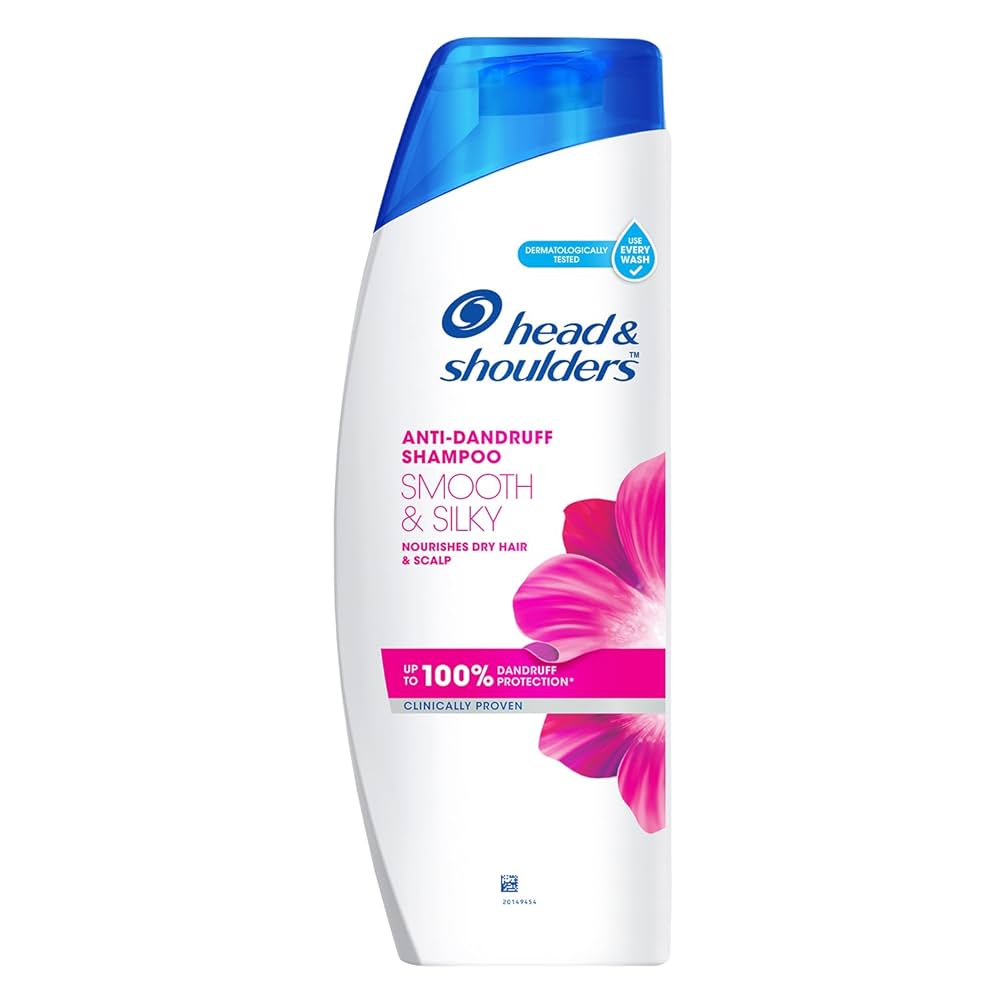
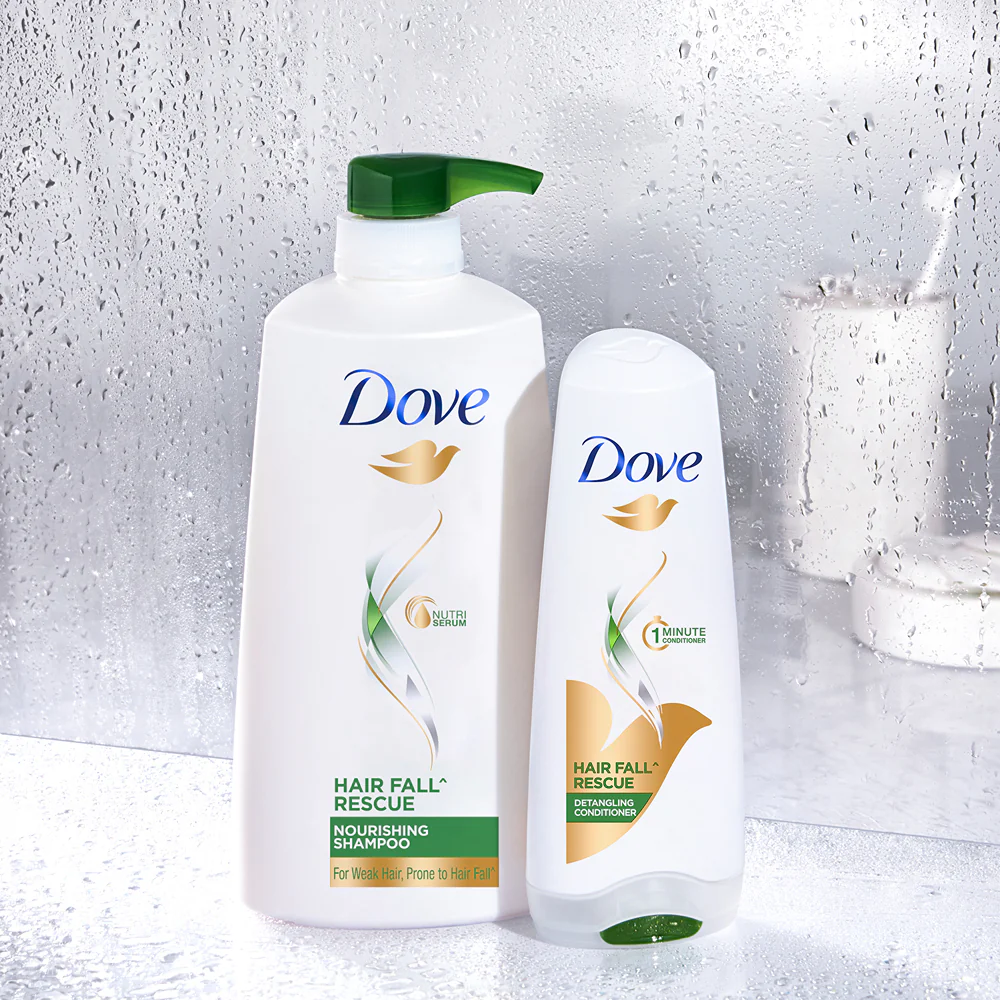

Wide Product Range
Daily-need items under one roof!

Affordable Pricing
Value-conscious pricing strategy!

POS-Enabled Billing System
Modern point-of-sale technology!

Customer Relationship Management (CRM)
Building lasting customer relationships!

Uniform Branding & Store Design
Consistent professional identity!
Localized Product Flexibility
Adapted to local preferences!