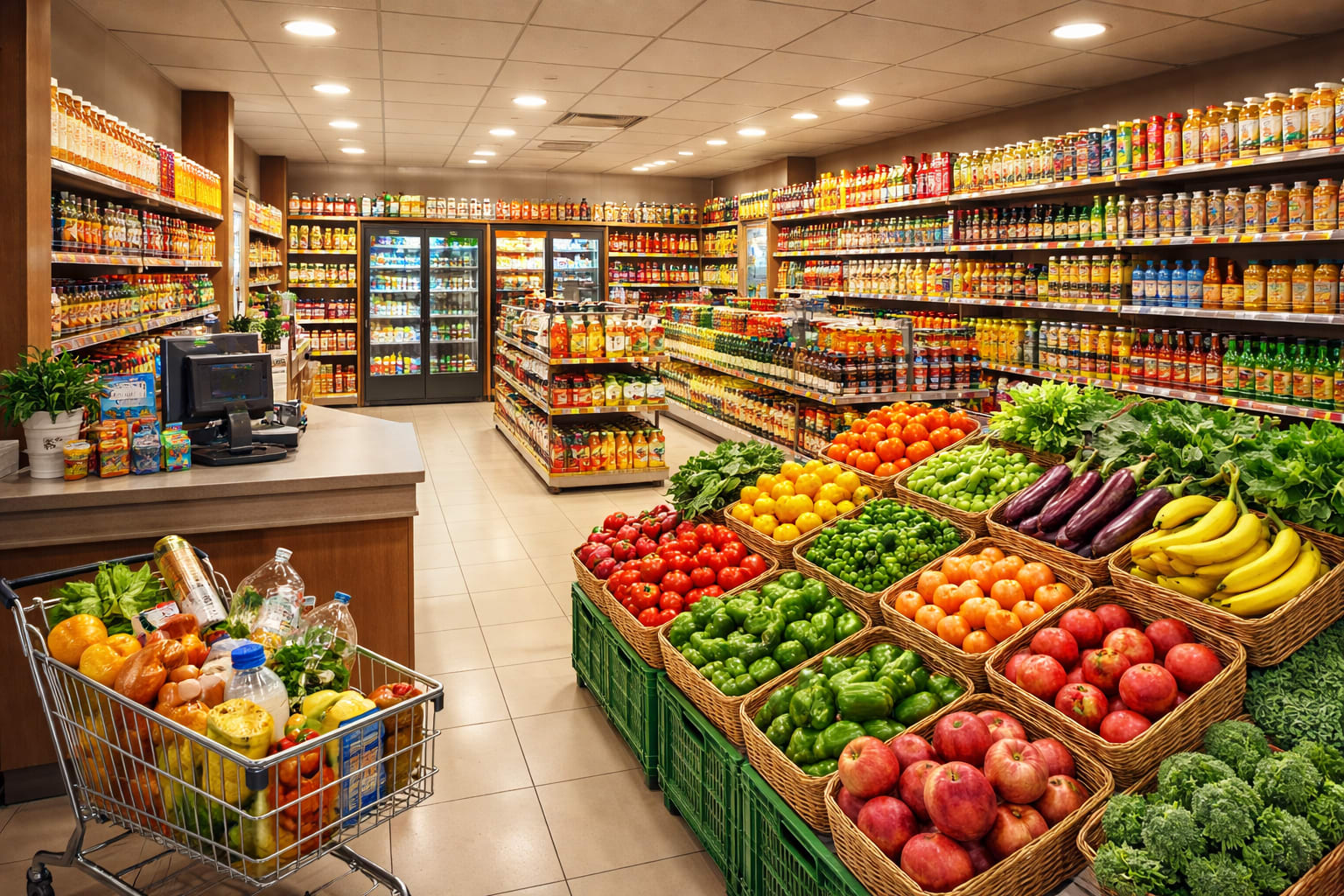
Mart Franchise with Low Investment in Delhi
Mart Franchise with Low Investment in Delhi: Complete Guide
Delhi is India's largest and most active urban consumer market — dense residential colonies, urban villages, resettlement colonies, and premium neighbourhoods all generating steady daily demand for groceries and household essentials. For entrepreneurs looking to enter organized retail without committing crores of rupees, a mart franchise with low investment in Delhi is a realistic, achievable business. Here's a complete guide with The Buyzaar Mart.
Why Delhi Is a Strong Market for a Low-Investment Mart Franchise
- Delhi's population runs into the crores, spread across dense residential colonies and urban villages that generate consistent, non-discretionary daily FMCG demand.
- Grocery and daily-needs retail is one of the most recession-resistant business categories — households buy staples, dairy, and packaged goods every week regardless of broader economic conditions.
- Organized retail penetration still varies widely across Delhi — while some pockets have modern trade, many residential neighbourhoods continue to depend on unorganized kirana stores lacking billing transparency and product consistency.
- Delhi functions as the FMCG distribution hub for the entire NCR, giving a franchise located here direct access to wholesale markets and distributor networks, which improves margins and restocking speed.
- Rising middle-class incomes and growing preference for hygienic, branded, technology-enabled stores are steadily pulling consumer spend away from unbranded shops.
What "Low Investment" Actually Means for a Mart Franchise
- A budget-friendly mart franchise doesn't mean a compromise on brand quality — it means choosing the right format, the right store size, and a cost-efficient location within Delhi.
- The Buyzaar Mart's Mini Mart format is specifically designed as the low-investment entry point into organized retail, starting at approximately ₹15 lakh — among the more affordable organized grocery franchise opportunities in the NCR.
- At this investment level, you still get a fully branded, FSSAI-licensed store with POS technology, trained staff, and ongoing company support — not just a logo and a product list handed over to you to figure out alone.
- The lower investment does not mean a lower-quality experience — it means a leaner, smarter store built specifically for your community's daily needs.
The Buyzaar Mart Franchise Models in Delhi
- The Buyzaar Mart offers two franchise structures, giving Delhi investors flexibility based on how much time and involvement they want to commit.
- FOCM (Franchise Owned, Company Managed): You own the store and provide the investment; Buyzaar Mart's team manages daily operations, including staffing, inventory, billing, marketing, and audits. Best suited to professionals and first-time entrepreneurs who want ownership without full hands-on involvement. The agreement term is 5 years.
- FOCO (Franchise Owned, Company Operated): A more passive model where you provide capital and premises while the company manages staff recruitment and salaries, product procurement, supply chain, inventory, merchandising, electricity, and daily operations entirely. As the franchise partner, you own the store and earn a structured share of the revenue it generates.
- Neither model requires prior retail experience — both come with complete training, POS software, and continuous operational guidance.
- From initial enquiry to store launch typically takes 8–12 weeks, covering location approval, agreement signing, store setup, staff training, and launch marketing.
Store Formats and Investment — Mini Mart, Super Mart, and Hyper Mart
- The Buyzaar Mart offers three store formats, so the franchise can adapt to your budget, available space, and the specific Delhi locality you're targeting.
Mini Mart
- Store size: Approximately 600–1,000 sq ft (a minimum carpet area of 600 sq ft is required for any Buyzaar Mart store)
- Investment: Total setup costs typically range from approximately ₹15 lakh to ₹22 lakh
- What's covered: Franchise fee (inclusive of 18% GST), interior setup and store assets, POS technology, opening stock, and security deposit
- Best for: Compact residential lanes, colony markets, urban villages, and first-time investors
- Focus: Fast-moving daily essentials — groceries, staples, dairy, packaged foods, beverages, personal care, and household basics
Super Mart
- Store size: Approximately 1,001–3,000 sq ft
- Investment: Starting from approximately ₹26.6 lakh, scaling with size and fit-out
- Best for: Higher-footfall residential colonies and mixed-use commercial pockets with strong household density
- Focus: A broader product assortment with more SKUs per category and a richer in-store experience
Hyper Mart
- Store size: 3,000 sq ft and above
- Investment: Scales upward significantly based on store size and location
- Best for: High-traffic commercial locations and busy residential zones across Delhi
- Focus: The widest assortment — fresh produce, frozen foods, personal care, home care, stationery, toys, pet care, and devotional items, in addition to everything in the Super Mart range
- The Mini Mart is the entry-level, lower-investment format, best suited for smaller residential lanes and colony interiors — serving as a convenient daily top-up store for immediate neighbourhood needs.
What's Included in Your Franchise Support Package
- Site survey and feasibility: Location and store category recommendation based on the specific area's potential, whether Mini Mart, Super Mart, or Hyper Mart.
- Store setup: Complete store interior, layout, branding, shelving, and signage per brand standards, installed before your store opens.
- Technology infrastructure: POS billing system for real-time sales tracking, inventory management, and performance dashboards with KPI monitoring.
- Franchise agreement support: Legal and compliance support during agreement execution, with a 5-year term and renewal support at the end.
- Supply chain and sourcing: Centralized procurement, FMCG distributor relationships, and regional sourcing for competitive pricing and reliable restocking.
- Buyback protection: Expired and damaged goods are taken back under the brand's hassle-free inventory assurance policy, protecting your margins.
- Staff recruitment and training: Complete training on POS operations, billing, customer service, and daily store routines before your first customer walks in.
- Marketing support: Hyperlocal launch campaigns and local promotions targeting the specific streets, colonies, and blocks around your store.
- Certifications: FSSAI licensed, GST registered, and MSME certified, giving your store instant credibility with Delhi's increasingly quality-conscious residents.
Best Delhi Localities for a Low-Investment Mart Franchise
- Dense residential colonies: Areas with a large resident base ensure steady, daily customer traffic for a Mini Mart or Super Mart format.
- Urban villages and resettlement colonies: Neighbourhoods still largely served by unorganized kirana stores, offering a clear first-mover advantage for a branded, low-investment store.
- Colony interiors and internal residential lanes: Lower commercial rents than main-road locations, keeping the total investment closer to the entry-level Mini Mart figure.
- Areas near local markets and commercial zones: Suited to the Super Mart or Hyper Mart format where a higher investment can capture broader footfall.
- Ground-floor units with parking access: Preferred across all formats, since visible, accessible shops convert walk-in traffic more effectively.
Product Categories Your Store Will Carry
- Grocery and staples: rice, wheat, pulses, flour, sugar, edible oils, and spices.
- Packaged and branded FMCG products across major national and regional categories.
- Dairy and beverages: milk, curd, butter, cheese, juices, cold drinks, and packaged water.
- Personal care and hygiene: soaps, shampoos, skincare, oral care, and hygiene products.
- Home care products: detergents, floor cleaners, dishwash liquids, and fresheners.
- Packaged snacks and confectionery: biscuits, chips, chocolates, and namkeen.
- Frozen and chilled foods: frozen vegetables, ice cream, and chilled ready-to-eat products (for applicable formats).
- Additional categories for Super Mart and Hyper Mart formats: bakery items, fresh produce, stationery, toys, pet care, and devotional items.
Revenue Potential and Growth Path
- The Buyzaar Mart franchise model works with an expected profit margin in the range of 18% to 20%, depending on format, location, and operational efficiency.
- Investment size and profitability are not directly correlated — a compact, well-supported Mini Mart in a strong location can outperform a larger but poorly executed store.
- A well-located Mini Mart in a dense Delhi residential pocket typically stabilizes its footfall within the first 2–3 months as the surrounding colony adopts it as its default nearby store.
- Under the FOCM model, the franchisee retains the gross margin on every product sold, since store revenue and the customer relationship belong directly to the franchise owner.
- Under the FOCO model, returns are structured as an agreed revenue share, suited to investors who prefer a passive, hands-off role while the company manages everything.
- Profitability generally improves with multi-unit ownership, as supplier relationships and operational learnings from the first store lower the cost and risk of opening the next.
Low-Investment Mart Franchise vs. Independent Kirana Store in Delhi
- Branding and trust: An unregistered kirana store has no recognizable brand or food-safety certification; a Buyzaar Mart franchise is FSSAI licensed, GST registered, and MSME certified from day one.
- Technology: Kirana stores typically rely on manual billing with no inventory tracking; a Buyzaar Mart store runs on POS billing and real-time inventory systems from launch.
- Risk protection: Independent store owners absorb the full cost of expired or damaged stock themselves; Buyzaar Mart franchisees are protected through the contractual buyback policy.
- Structured support: A kirana store owner manages sourcing, pricing, and marketing alone; a Buyzaar Mart franchisee gets a tested Standard Operating Process behind setup, supply chain, and marketing.
- Scalability: An independent shop rarely has a clear growth path; a franchise model is explicitly designed to support expansion into a Super Mart, Hyper Mart, or additional outlets over time.
Factors That Keep Your Investment on the Lower End
- Store size: Staying at the lower end of the Mini Mart range (around 600–1000 sq ft) reduces interior fit-out and inventory costs.
- Location choice: Residential lanes, colony interiors, and urban village markets typically carry lower commercial rents than main-road or premium-market locations.
- Existing fit-out condition: A commercial space with usable flooring, electrical work, or shell infrastructure already in place lowers your interior setup cost.
- Lean opening inventory: Initial stock is calibrated to your specific catchment's purchase patterns rather than a generic, oversized stock list.
- Working capital buffer: It's advisable to keep a small buffer beyond the fixed investment for the first few months of operations before footfall stabilizes.
Who Should Consider This Franchise
- First-time entrepreneurs in Delhi looking for the lowest realistic entry point into organized, branded retail.
- Working professionals seeking a business investment that doesn't require quitting their job, via the FOCM or FOCO model.
- Residents of dense colonies or urban villages who understand their own community's daily shopping needs.
- Investors with access to a 600 sq ft or larger commercial or residential-facing space in Delhi.
Frequently Asked Questions
Q1. What is the minimum investment for a mart franchise in Delhi?
The Mini Mart format starts from approximately ₹15 lakh, typically ranging up to ₹22 lakh depending on location and fit-out.
Q2. What store size fits the Mini Mart format?
Approximately 600–1,000 sq ft, with a minimum carpet area of 600 sq ft required.
Q3. Do I need retail experience to apply?
No. Both the FOCM and FOCO models are designed for first-time investors, with complete training and ongoing support provided.
Q4. Can I choose my own store location in Delhi?
Yes. The team conducts a site survey and recommends the right store category based on your proposed area's potential.
Q5. How long does it take to open the store?
Typically 8–12 weeks from initial enquiry to grand opening.
Q6. What happens to unsold or expired stock?
Expired and damaged goods are taken back under the brand's hassle-free inventory assurance policy.
Q7. Can I upgrade from a Mini Mart to a larger format later?
Yes. Many franchisees start with a Mini Mart and later scale up to a Super Mart or Hyper Mart, or add additional outlets, as the business grows.
Start Your Low-Investment Mart Franchise Journey in Delhi
- Delhi's daily consumer economy offers one of the most reliable opportunities for a branded FMCG retail store.
- Join The Buyzaar Mart franchise network and bring your neighborhood a modern daily needs store built on trust, convenience, and professional retail systems.
- Email: info@thebuyzaarmart.com
- Phone / WhatsApp: 9217991727
- Business Hours: Monday to Saturday, 09:00 AM – 07:00 PM

Store Features & Services
Discover our comprehensive range of services designed to provide the best shopping experience for urban and semi-urban households
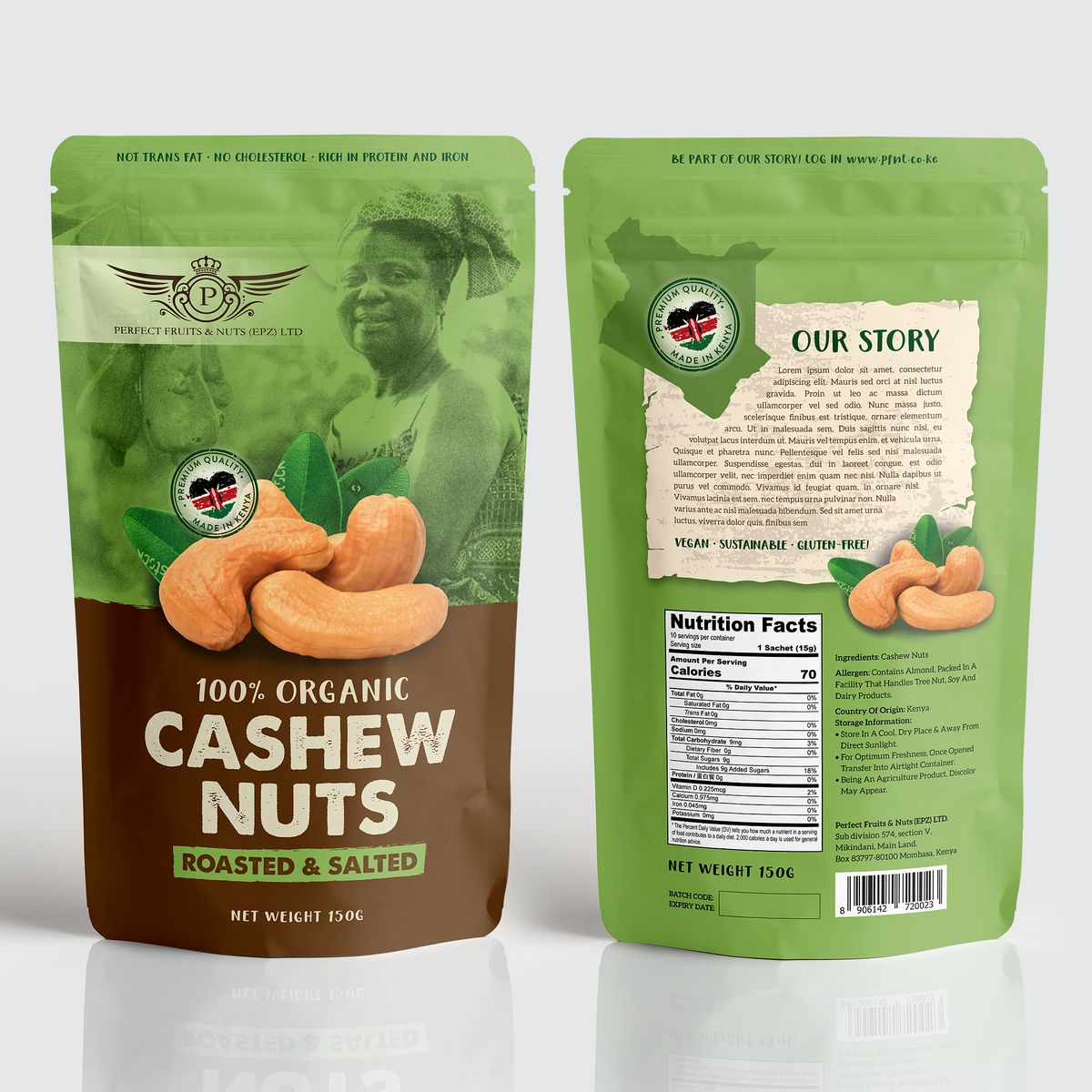
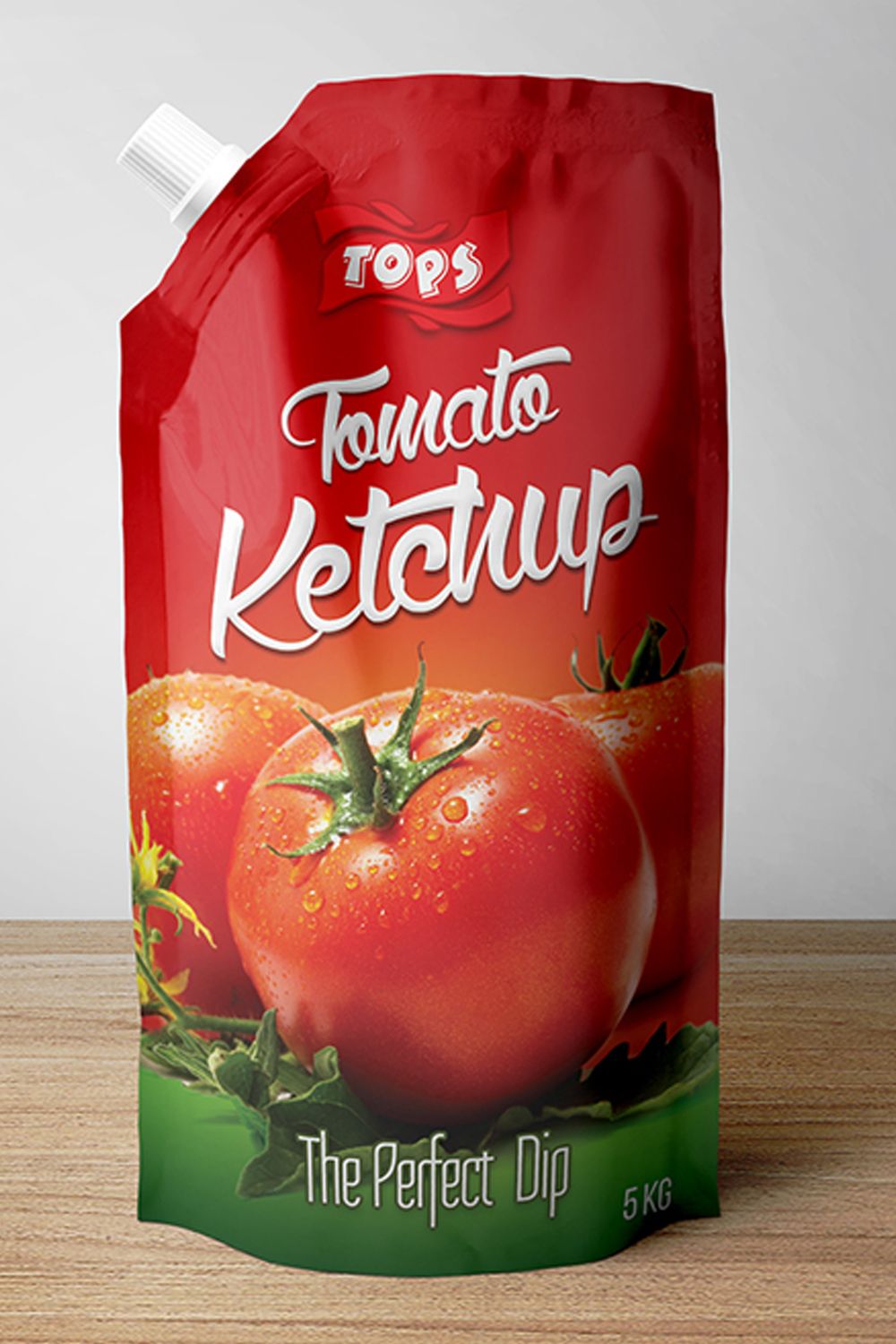
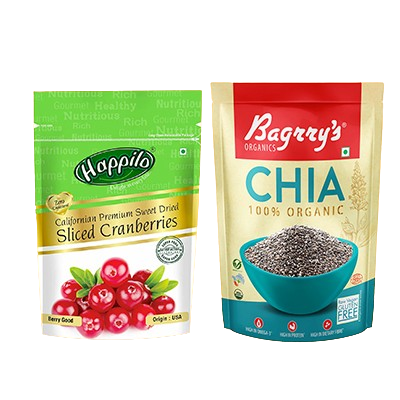
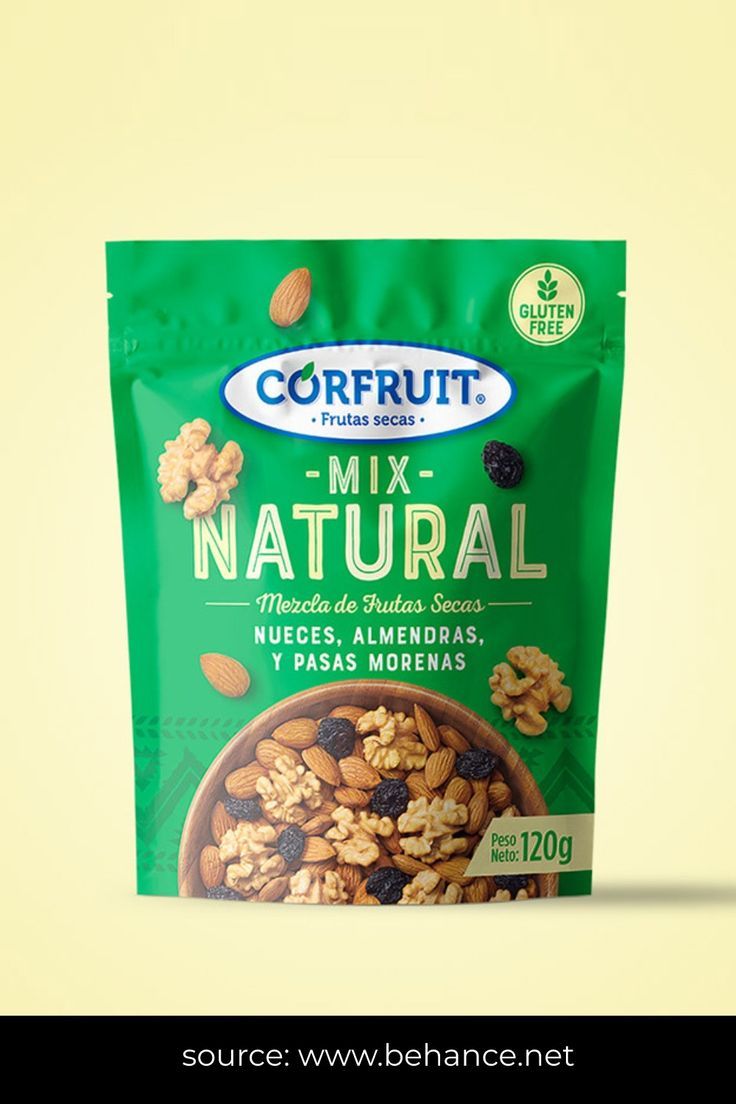
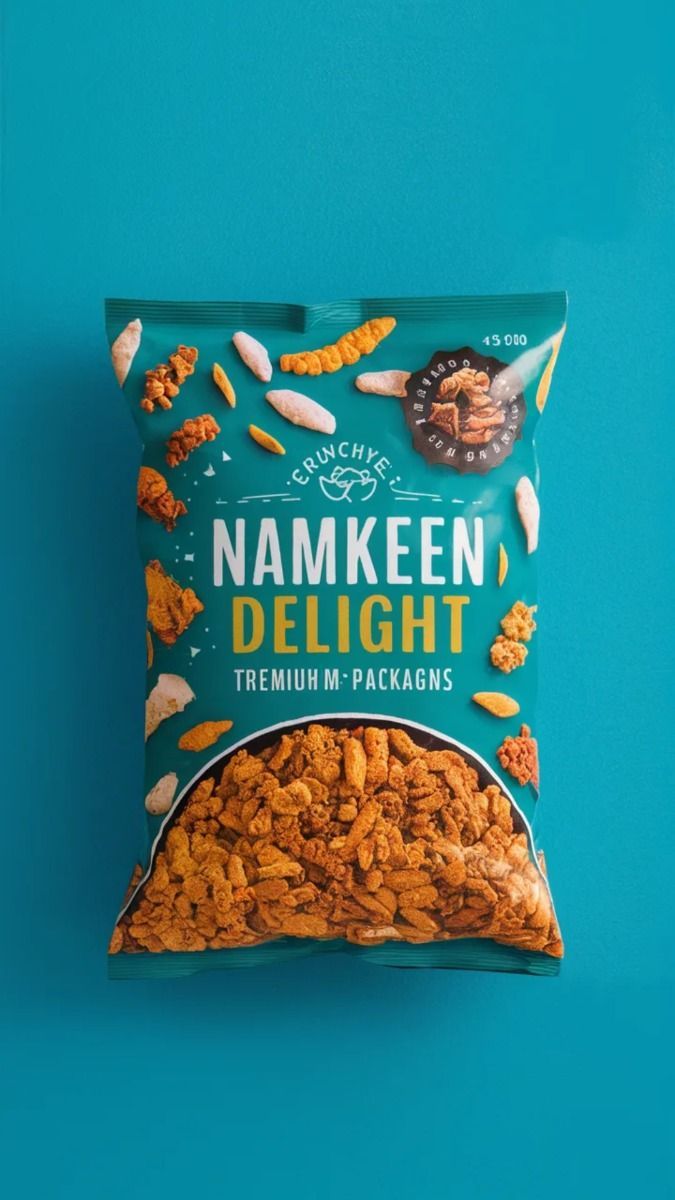

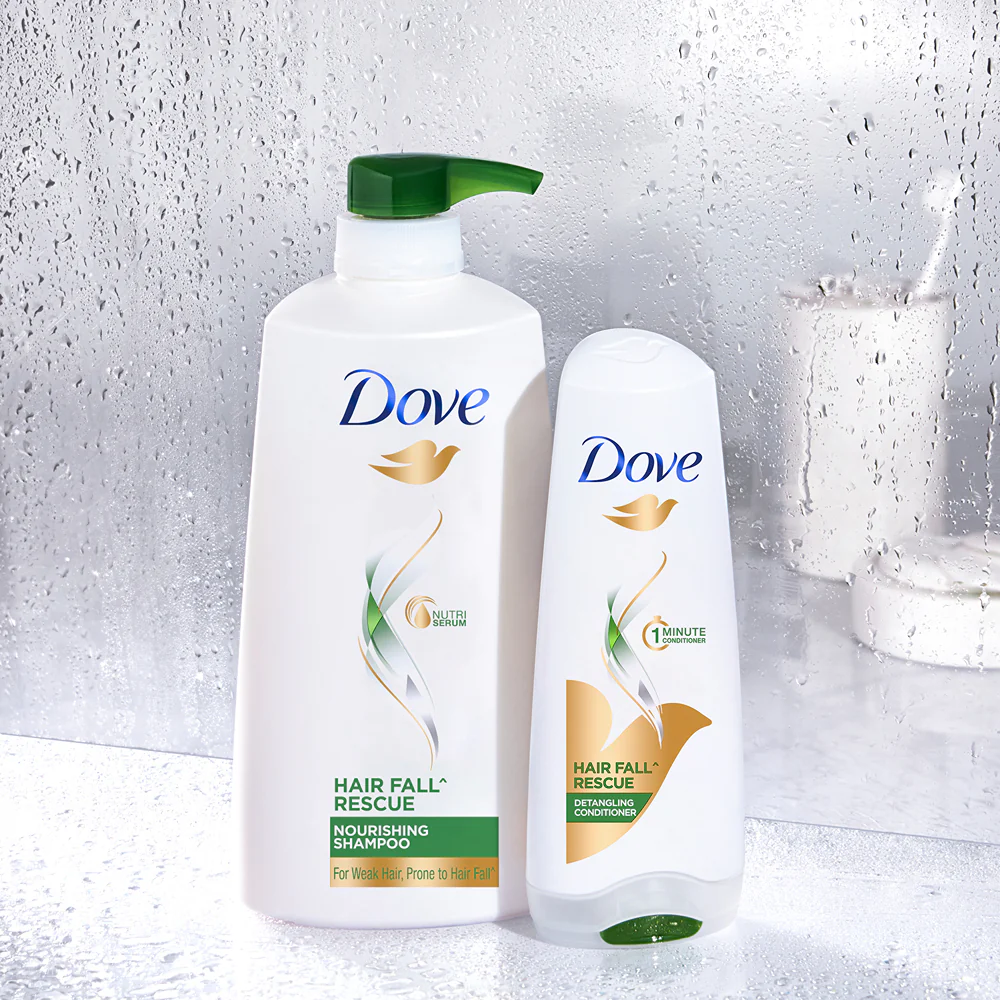

Wide Product Range
Daily-need items under one roof!

Affordable Pricing
Value-conscious pricing strategy!

POS-Enabled Billing System
Modern point-of-sale technology!

Customer Relationship Management (CRM)
Building lasting customer relationships!

Uniform Branding & Store Design
Consistent professional identity!
Localized Product Flexibility
Adapted to local preferences!