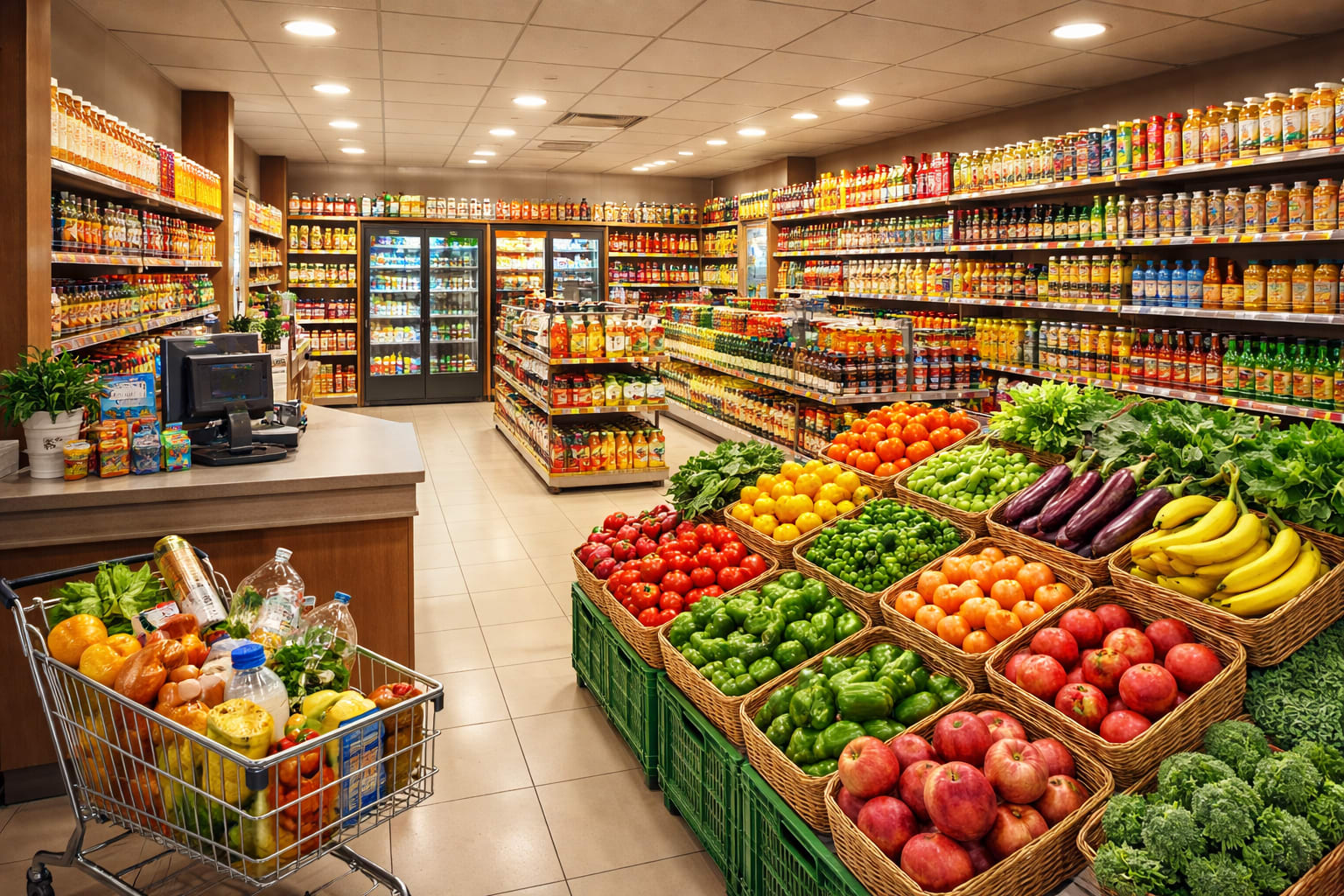
Neighbourhood Mart Franchise Delhi
About the Buyzaar Mart
The Buyzaar Mart positions itself as a neighbourhood-focused, technology-enabled supermarket franchise brand offering Mini Mart, Super Mart and Hyper Mart formats with end-to-end franchise support, POS and training. The homepage highlights mission, brand pillars, store services, and a calculator to estimate investment for different store formats.
Overview
- Clarity of offering: The site clearly advertises a franchise opportunity with stated investment ranges (mini to hyper formats) and promotes a gross margin target of 18–20% for franchisees, plus features like POS-enabled billing, CRM, localized product flexibility and full operational support.
- Pricing and format details: Multiple pages and third-party listings show consistent reported investment ranges: Mini Mart investments around INR 15–20 lakh, Super Mart ~₹25 lakh, and Hyper Mart higher (reported up to ₹75 lakh or more) depending on size and location; one Buyzaar city page lists specific investments: Mini Mart ₹14,71,080; Super Mart ₹25,07,232; Hyper Mart ₹75,17,645.
- FOCM model mention: The site (and related city pages) mention the FOCM model — phrased as “you own, we manage your community store” — suggesting a franchise-management partnership where the investor owns the store asset and Buyzaar provides management and operations support.
- Content, tools and lead capture: The site contains blog resources (marketing, operations), a franchise inquiry form, a franchise investment calculator and contact numbers for franchise enquiries, all useful for converting interested franchisees.
- Strengths: Clear value props (18–20% gross margin target), tech-enabled operations, vendor partnerships with major brands, and multi-format options make it attractive to local entrepreneurs.
- Gaps and improvement suggestions: The site could improve transparency by publishing a more detailed line-item investment breakdown (exact franchise fee, royalty %, security deposit, expected monthly sales ranges per city), sample P&L projections, and case studies from existing stores showing actual footfall and payback timelines to strengthen trust for Delhi investors. Also clarify legal/compliance responsibilities (who handles FSSAI, local licenses) and exactly what “we manage” under FOCM entails (staffing, procurement limits, pricing control).
Neighbourhood Mart Franchise — Why Delhi is an Opportunity
- Demand fundamentals: Delhi NCR's dense residential neighbourhoods, high weekday and weekend footfall, and appetite for convenience shopping make neighbourhood marts viable for daily-need grocery and FMCG retail. Local convenience demand supports frequent repeat purchases and predictable basket values.
- Real estate and catchment: Successful mini and hyper formats depend on location: for Mini Marts (600–1000 sqft) residential lanes with 5,000–20,000 population catchment and limited nearby supermarkets work best; Hyper Marts (3000+ sqft) require locations with high parking access, mixed commercial-residential footfall, or marketplaces. The Buyzaar site offers guidance and territory reservation services to select locations.
- Consumer behaviour: Delhi customers value a combination of competitive pricing, availability of branded daily essentials, quick transactions (POS), and localized assortment (regional staples), which aligns with Buyzaar's stated strengths.
FOCM Model Explained and Analysis
The Buyzaar site uses the FOCM phrase in franchise pages and listings, commonly interpreted as Franchise Owner + Company Management (or Franchise Owned, Company Managed). This is a hybrid model in which the franchisee provides capital, premises and owner oversight, while the franchisor supplies operational management, training, supplier relationships, inventory management and store-level execution.
Key responsibilities under FOCM (typical split; verify with Buyzaar for final terms):
- Franchisee (owner): Investment capital (setup, security deposit), lease or shop purchase, initial compliance (licenses), and oversight.
- Company (Buyzaar): Store design and interiors guidance, supply chain and sourcing, technology (POS and CRM), staff training and possibly day-to-day management or a store manager, marketing and promotions, and inventory replenishment processes.
Pros of the FOCM model:
- Lower operational involvement for investor, suitable for semi-absentee owners or salaried investors (Buyzaar blog notes salaried employees can own a franchise without quitting job).
- Access to procurement and brand contracts, predictable assortment, and centralized tech systems reduce startup friction and shrink learning curve.
Cons and caution points:
- Reduced owner control on daily pricing or SKU mix could affect margin optimization at the local level. Confirm any exclusivity terms before signing.
- Management fees, royalty agreements, and procurement markups must be transparent — ensure these are detailed in the franchise agreement. Third-party franchise listings mention brand fees and investments but do not consistently show an ongoing royalty percentage; get that in writing.
Investment Breakdown — Mini Mart (600 to 1000 sq.ft)
Fixed one-time costs:
- Franchise/Brand fee (including onboarding, training, territory booking): ₹2,95,000
- Security deposit (refundable, may be against supplies/credit): ₹1,42,857 depending on supplier credit terms and city.
- Store interiors and civil works (flooring, partitions, signage, counters, painting): ₹9,00,000 depending on finish quality and fixtures for 600–1000 sqft.
- Billing hardware and software (POS, barcode scanner, thermal printer, license fees): ₹50,000
- Initial marketing and launch (grand opening, hoardings, local promotion): ₹9,00,000
- Total Investment: ₹22,87,857
Investment Breakdown — Hypermart (3001 to 5000 sq.ft)
Fixed one-time costs:
- Franchise/branding fee: ₹2,95,000 depending on territory exclusivity and brand package.
- Interiors, civil works, specialized racking, flooring, signage: ₹55,00,000 depending on finishes and store design.
- Billing & ERP integration, advanced POS terminals and handheld devices: ₹2,00,000
- Security deposit: ₹7,98,867
- Stock: ₹60,00,000
Franchise fee covers brand rights, initial training, territory support, and initial marketing. Negotiate scope: does it include launch stock, or only training and branding? Third-party listings show brand fee ranges and total investments but vary; request detailed invoice from Buyzaar.
- Security deposit and credit: Clarify whether the franchise requires a security deposit for supply credit or warehouse access and the refund terms.
- Inventory sourcing: Understand if Buyzaar enforces exclusive supply (some listings say company supplies products exclusively) which affects negotiating power on margins and product mix.
- Technology fees and royalties: Confirm recurring SaaS fees for POS/ERP, loyalty program costs, marketing contribution/royalty %, and if these are percentage-of-sales or fixed monthly fees. These recurring charges directly influence net profit.
- Staff model under FOCM: If Buyzaar manages day-to-day, clarify whether management personnel are company staff or franchisee hires — this affects payroll liability and employer obligations.
- Working capital cycle: Grocery has quick inventory turnover but requires sustained cash flow for replenishment; forecast 30–45 days of stock funding initially to avoid stockouts.
Legal, Compliance and Practical Setup Steps for Delhi
- Permits & registrations: Obtain FSSAI license, GST registration, Shop & Establishment or local trade license, fire NOC if applicable (esp. for hypermart with storage), and local municipal permission for signage. The site states compliance support but confirm who prepares and pays for filings.
- Leases and rent negotiation: In Delhi, rent is a major variable. Negotiate lease terms with an early rent-free period for fit-out, preferably a minimum 3–6 month defect-liability and clear termination clauses for unforeseen downturns.
- Local vendor & supplier relationships: Even with franchisor supply, local fresh produce and perishables often work better with regional vendors for freshness and margin; confirm flex on local sourcing with Buyzaar.
Operations Playbook Highlights
- What Buyzaar typically provides: Brand standards, store layout templates, POS & CRM systems, supplier network and procurement assistance, staff training modules, launch marketing and ongoing promotional support.
- Owner responsibilities (typical): Lease, capital funding, local labor contracts, tax filings, and oversight of store manager if company-provided manager is a liaison rather than a direct employee. Ensure clarity in the franchise agreement around profit sharing, pricing control, and procurement exclusivity.
How to Evaluate The Buyzaar Mart Offer Before Signing
Request the franchise disclosure document (FDD) or detailed agreement showing:
- Exact breakdown: one-time fees, recurring royalties, marketing contribution, software subscription costs, and security deposits.
- Supply terms and exclusivity: Are you required to buy all inventory through Buyzaar? Is there a mandated margin on supplies?
- Territory protections: Is there exclusive territory or protected radius?
- Performance benchmarks and termination clauses: Under what conditions can the franchisor terminate or revise terms?
- Support SLA: Timelines for replenishment, training schedules, and who pays for POS upgrades.
- Request real P&L or anonymized performance data from existing stores and contact at least 2–3 current franchisees for on-the-ground feedback.
Marketing and Customer Acquisition for Delhi Neighbourhood Mall
- Local promotions: Use targeted WhatsApp marketing and Instagram posts for launching special neighbourhood loyalty programs and combo offers.
- Loyalty & CRM: Configure POS-driven loyalty to capture repeat customers and weekly basket behavior; Buyzaar includes CRM and POS capabilities as features.
- Community engagement: Sponsor local events, run festival promotions and offer doorstep delivery slots (B2C convenience adds loyalty in dense Delhi neighbourhoods).
Risk Factors and Mitigation
- High rent neighbourhoods: Mitigate via smaller format or co-tenancy agreements; consider Mini Mart near high-residential pockets rather than central high-street.
- Supply disruptions: Negotiate safety stock, multiple suppliers and clarify Buyzaar's SLAs for replenishment.
- Competition from e-grocery and large supermarkets: Differentiate through convenience, assortment localised to tastes, private-label value items, and rapid checkout experience.
Sample Operational Timeline (From Inquiry to Launch)
- Week 1–2: Inquiry, documentation, location assessment and lease negotiation (Buyzaar offers territory reservation).
- Week 3–6: Store fit-out, shelving, refrigeration installation, POS setup, license filing and initial staff hiring.
- Week 7–8: Training, inventory onboarding, soft launch and local marketing.
- Week 9+: Grand opening and ongoing store support by Buyzaar per franchise SLA.
Frequently Asked Questions (FAQs)
Q1: What investment is required to open a Buyzaar Mini Mart in Delhi?
A1: Buyzaar lists Mini Mart investments in the range of approximately ₹14.7 lakh to ₹20 lakh for a 600–1000 sqft format, which typically includes franchise fee, store fit-out, initial stock and POS setup — confirm exact line items with Buyzaar before committing.
Q2: What does FOCM mean and how does it affect my role as an investor?
A2: FOCM in Buyzaar's context is a hybrid model meaning “you own, we manage” — the investor supplies capital and premises while Buyzaar provides store management, procurement, technology and marketing support; validate exact splits in responsibilities and liabilities in your franchise agreement.
Q3: How much monthly royalty or recurring fee will I pay?
A3: The site emphasizes a franchise fee and support but does not consistently publish a fixed royalty percentage across pages; third-party franchise directories and Buyzaar's franchise kit show total investments but vary on recurring fees — ask Buyzaar to disclose any monthly SaaS fees, marketing contributions or sales-based royalties before signing.
Q4: What gross margins can I expect?
A4: Buyzaar advertises an effective gross margin of 18–20% for franchisees, which is a typical target for organised grocery formats, though actual margins vary by category mix, procurement terms and local pricing.
Q5: How long will it take to break even?
A5: Payback timelines published by franchise directories and Buyzaar case materials typically estimate 18–24 months for well-performing Mini Marts; Hypermarts often take 24–48 months due to larger investments — actual payback depends on location, rent and sales mix.
Q6: Can I keep my existing job and own a Buyzaar franchise?
A6: Buyzaar's blog specifically addresses salaried employees starting a grocery franchise without quitting: under FOCM (company-managed) arrangements and with a trusted store manager, semi-absentee ownership is feasible — ensure the management SLA is robust and that performance KPIs are agreed in writing.
Q7: Are inventory and product mix controlled by Buyzaar?
A7: Some third-party franchise summaries indicate company-supplied inventory and possible exclusivity; confirm the degree of control, flexibility to source local fresh produce and the pricing policy before signing.
Contact Us
Have questions about opening a Neighbourhood Mart Franchise in Delhi or anywhere in India? Our franchise team at The Buyzaar Mart is here to help — from site assessments and investment breakdowns to the FOCM model and launch support. Reach out any time using the options below and we'll respond within 24 hours on business days.
Phone (Franchise Helpline): 9217991727
Email: info@thebuyzaarmart.com
Business Hours: Monday – Saturday, 9:00 AM – 7:00 PM

Store Features & Services
Discover our comprehensive range of services designed to provide the best shopping experience for urban and semi-urban households
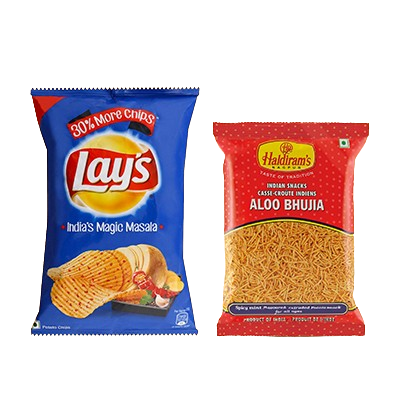
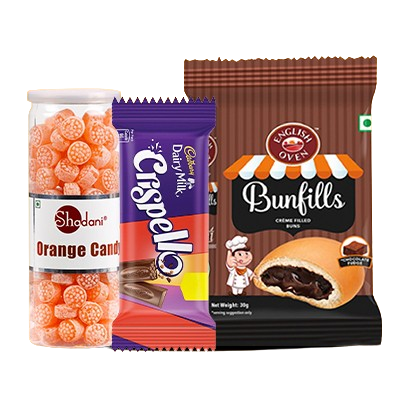
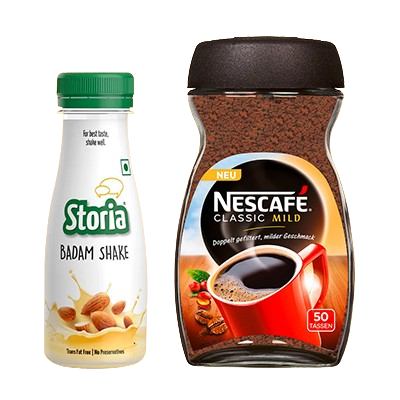
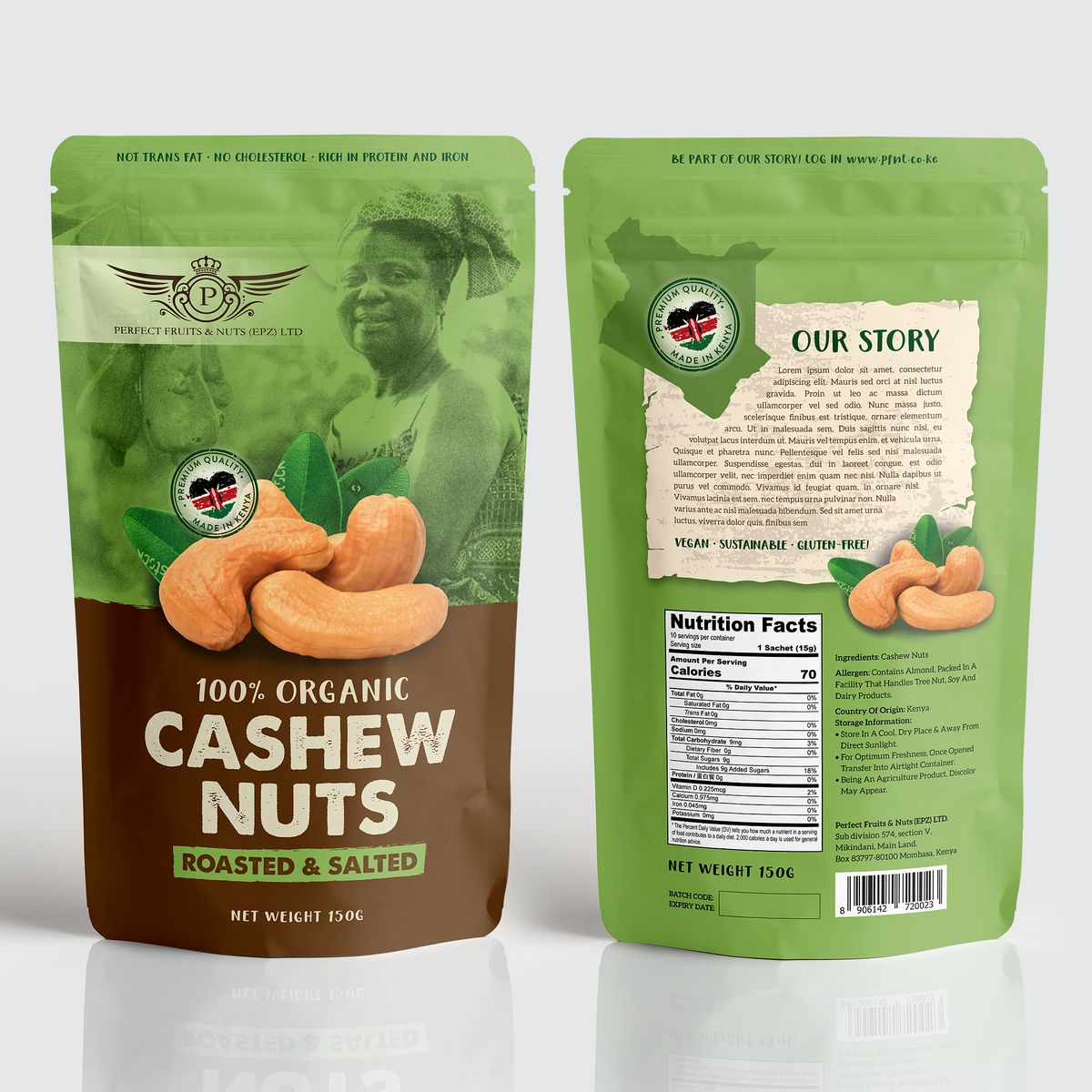
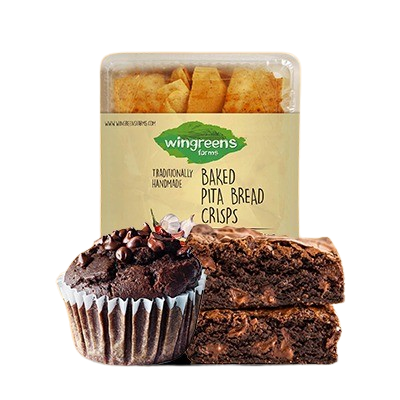

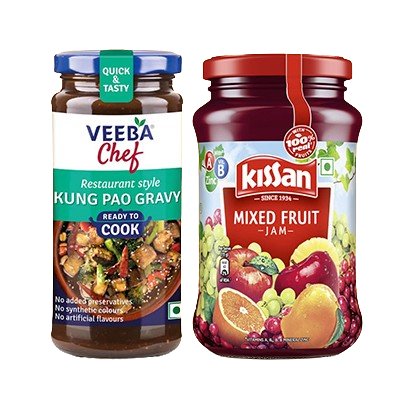
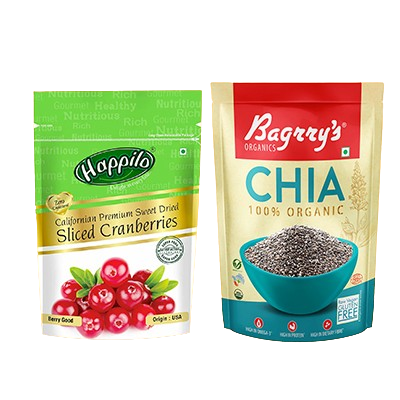


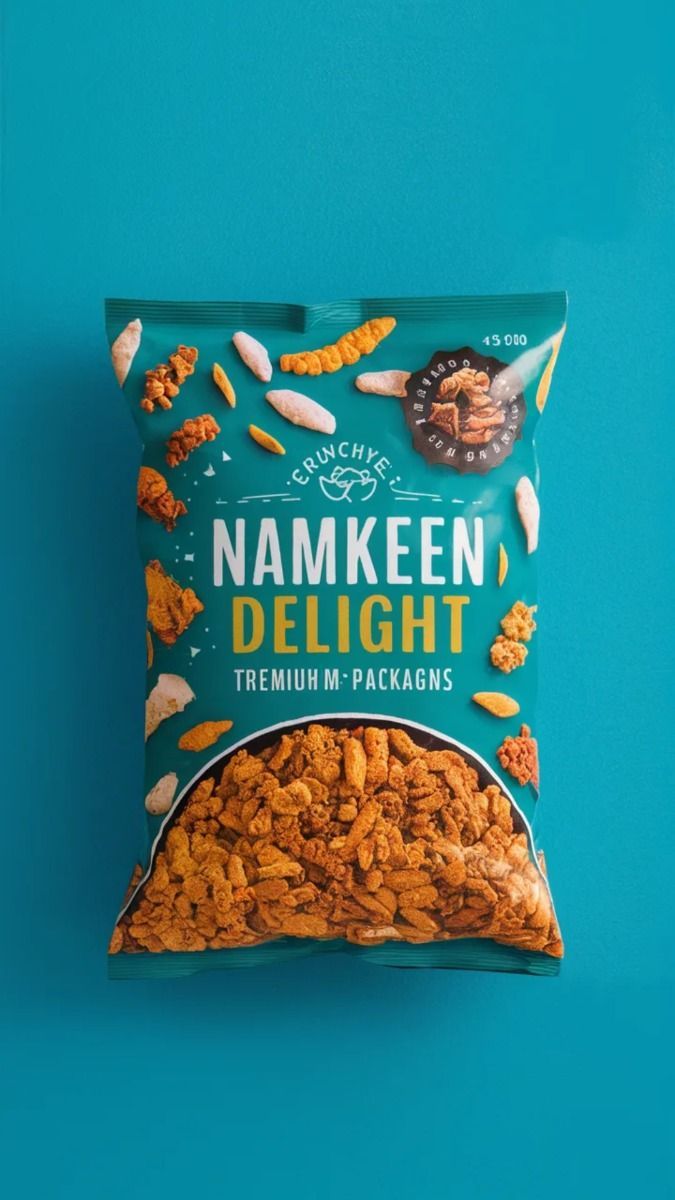

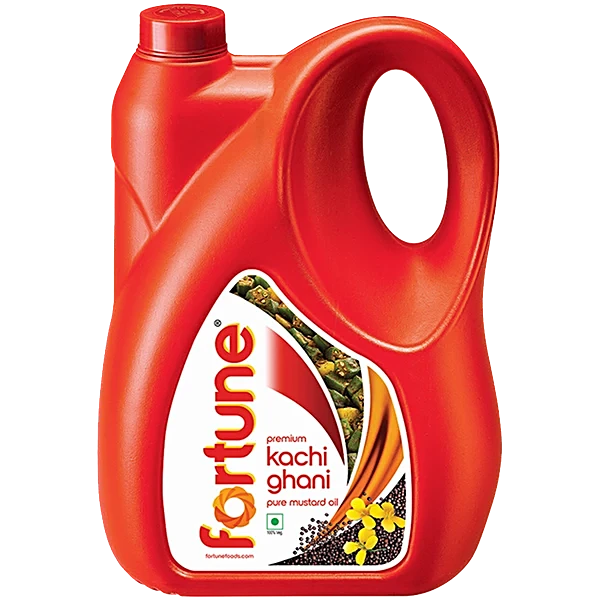
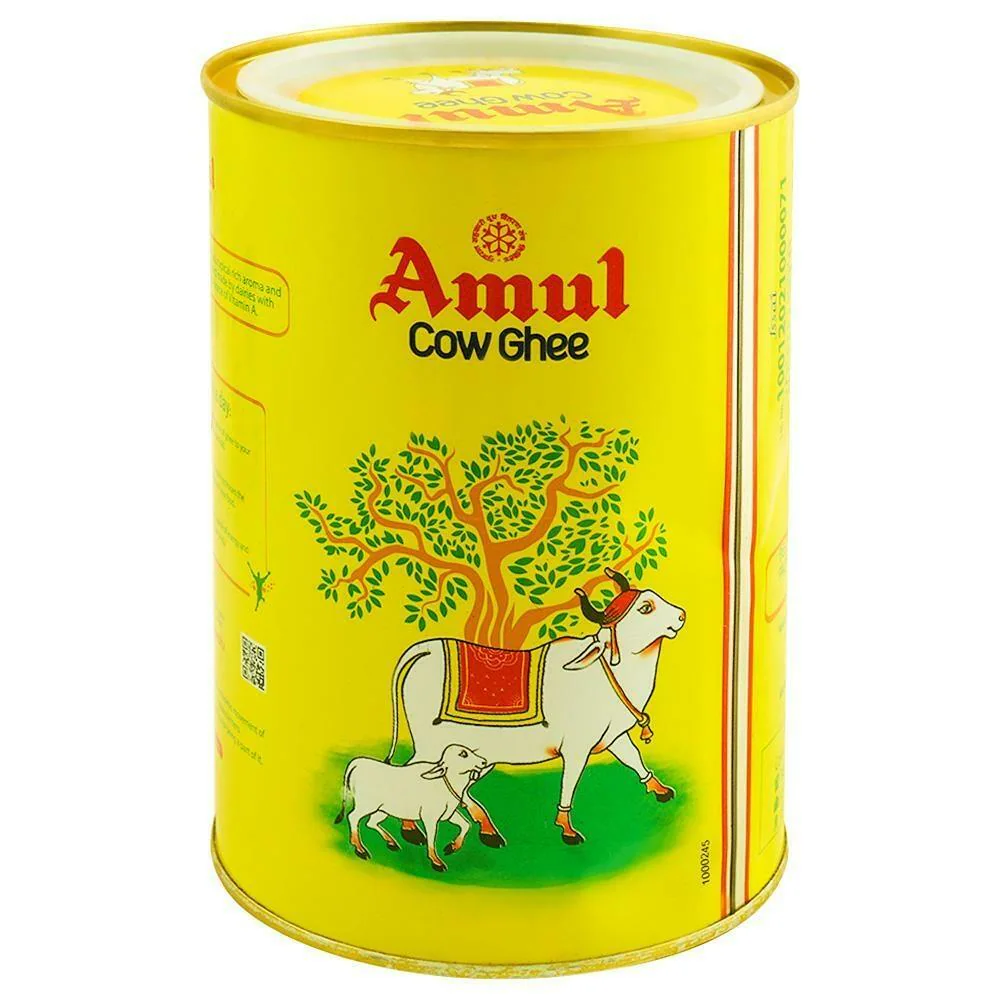

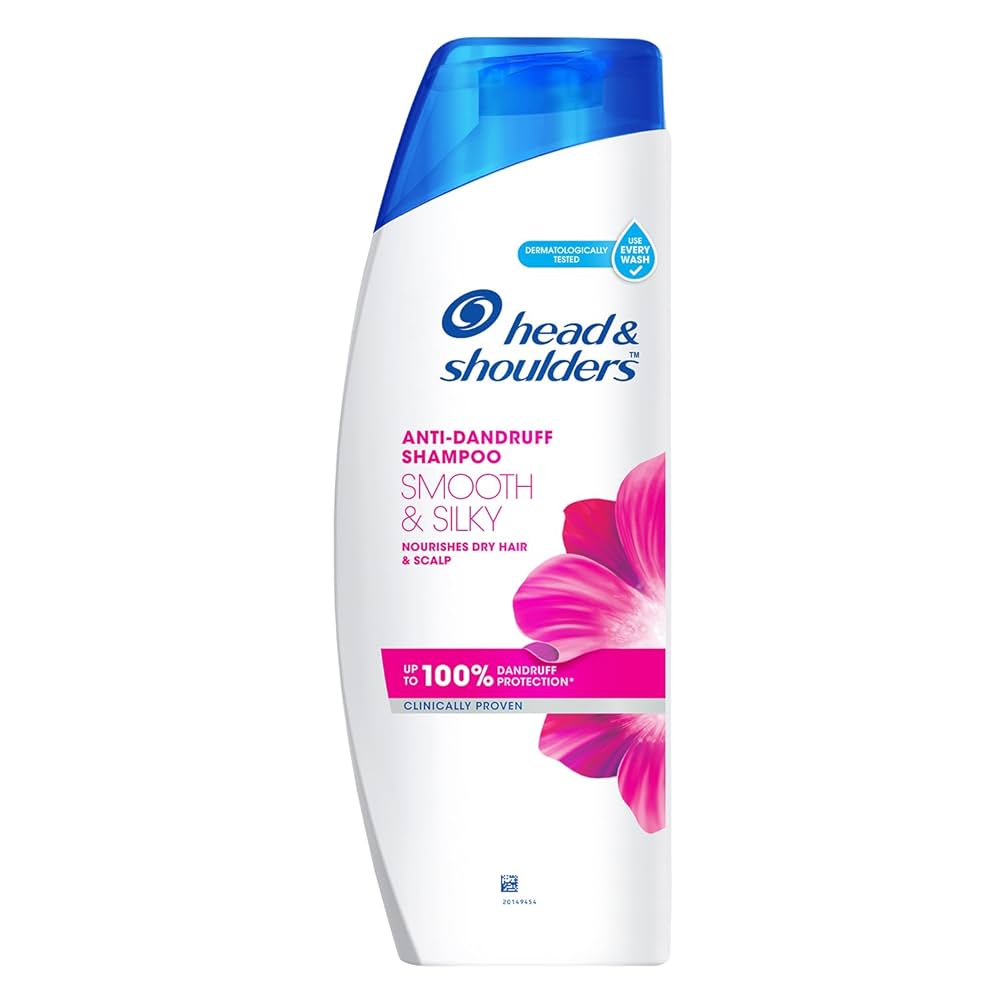
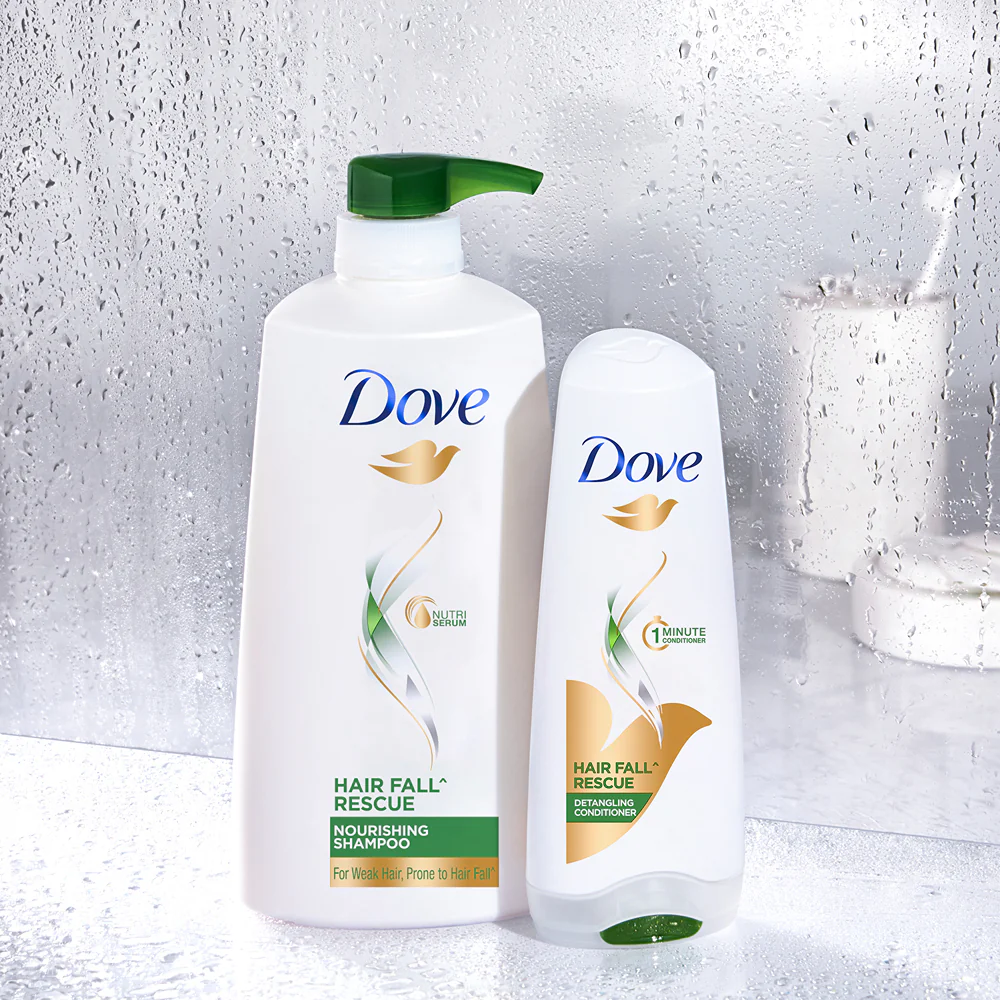

Wide Product Range
Daily-need items under one roof!

Affordable Pricing
Value-conscious pricing strategy!

POS-Enabled Billing System
Modern point-of-sale technology!

Customer Relationship Management (CRM)
Building lasting customer relationships!

Uniform Branding & Store Design
Consistent professional identity!
Localized Product Flexibility
Adapted to local preferences!