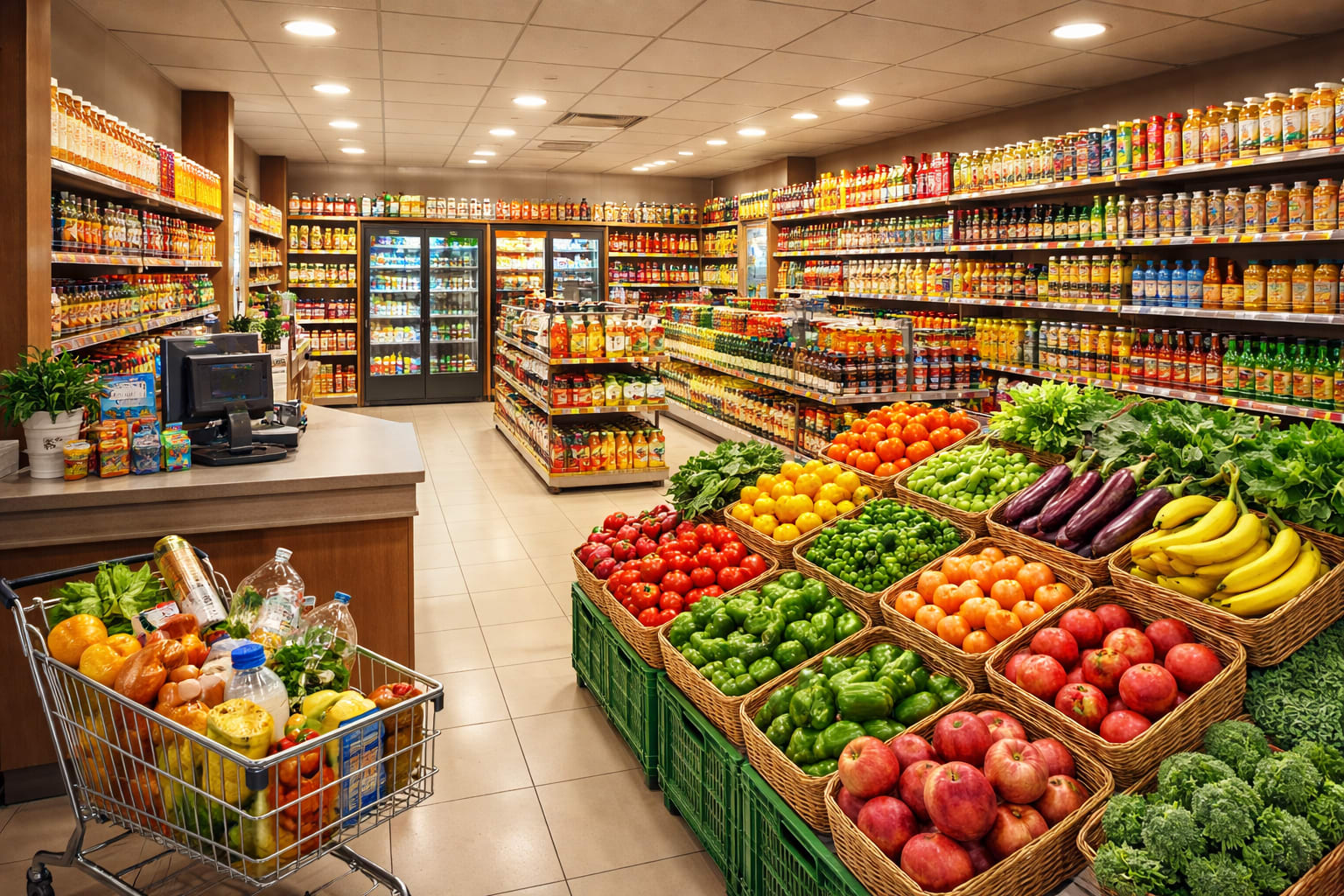
FOCM Franchise Opportunity in Gorakhpur
FOCM Franchise Opportunity in Gorakhpur
A Franchise Opportunity Built Around Ownership
- Starting a retail business from scratch means building suppliers, billing, staffing, and branding all at once. The FOCM model, Franchise Owned, Company Managed, offers a different path: you own the store, and The Buyzaar Mart manages its daily operations under a five-year agreement.
- Franchise investment starts from ₹15 Lakh, and the model is positioned for professionals, first-time entrepreneurs, and investors who want structured ownership without carrying the full operational burden.
- This guide looks at FOCM as an investment opportunity in Gorakhpur. It explains who it suits, how it compares with other options, what the first year may look like, and what to check before you sign.
The Opportunity at a Glance
- Model: Franchise Owned, Company Managed, with ownership on your side and operations managed by the company.
- Agreement term: Five years, as stated on the brand's franchise pages. Confirm renewal conditions in writing.
- Entry investment: Starting from ₹15 Lakh, with a Mini Mart generally in the ₹15–22 Lakh range depending on size, location, and premises condition.
- Formats: Mini Mart (600–1,000 sq. ft.), Super Mart (1,000–3,000 sq. ft.), and Hyper Mart (3,000 sq. ft. and above).
- Company-stated margin: 18% to 20% on sales, which is an estimate and not a guarantee.
- Royalty: The brand describes its model as zero-royalty, which can leave more of the gross margin with the franchise owner.
Why the Opportunity Exists in Gorakhpur
- Gorakhpur had about 6.73 lakh residents in the 2011 Census, and municipal expansion later took the reported population beyond 10 lakh, so more households need groceries every week.
- The 91.35 km Gorakhpur Link Expressway and industrial growth around GIDA are improving connectivity and employment, which can support household spending over time.
- AIIMS Gorakhpur, medical colleges, and universities bring students, patients, and visitors from nearby districts and western Bihar, adding everyday demand.
- Many households still depend on traditional kirana stores, so a clean, branded store with clear billing and a wide range can stand out in many neighbourhoods.
How the FOCM Opportunity Works
- Inquiry: You share your location, shop size, and budget through the franchise form, a call, or an email.
- Site review: The team evaluates the premises for population density, purchasing capacity, and local demand before approval.
- Agreement: You complete KYC and review the franchise agreement, including model, term, fees, and responsibilities.
- Set-up: Interiors, branding, signage, POS installation, stocking, and staff training are arranged for launch.
- Operation: The company manages the store day to day, while you supervise performance as the owner.
Which Investors FOCM Suits
First-Time Entrepreneurs
- If you have never run a shop, the brand's training, POS system, and operating framework reduce the guesswork.
Working Professionals
- Salaried people can build a business asset while their main job continues, provided they can give some time to oversight.
Existing Kirana Owners
- Grocers who want to move to a branded, technology-driven supermarket can use the system instead of building one alone.
Property Owners Who Want Some Involvement
- Owners of commercial shops who want to stay informed and engaged, rather than fully hands-off, may prefer FOCM to FOCO.
Family Investors
- Families planning to grow into more than one store over time can start with one outlet and expand once it is stable.
FOCM vs Other Ways to Start
- Independent kirana: You build suppliers, billing, branding, and training yourself, while FOCM provides these through the franchise system.
- FOCO model: FOCM keeps you in the owner's seat with company-managed operations, whereas FOCO is more hands-off and the company operates the store fully.
- Quick commerce or online selling: Online models depend on third-party platforms and delivery networks, while a physical store serves walk-in customers from your own premises.
- Working only for a salary: A store adds a business asset but also adds risk and capital commitment, so weigh it against your finances.
- This is general information and not financial advice, so discuss your plan with an accountant.
What You Invest In
- Interiors, racks, shelving, display units, lighting, flooring, and signage for the branded store look.
- POS technology for billing, sales tracking, and inventory control.
- Opening stock matched to the format and local demand.
- A one-time franchise fee for the brand identity, trademarks, and business systems.
- Pre-launch marketing and store opening activities.
- Cost figures vary slightly across sources, so ask for a written estimate that separates one-time costs, deposits, and recurring charges.
Owner Role and Company Role
What You Do as the Owner
- Fund the set-up and provide or arrange the premises.
- Complete KYC, review the agreement, and keep to its terms.
- Plan for running costs such as rent and electricity, and confirm how staff costs are handled.
- Review reports, visit the store, and raise questions early.
What the Company Does
- Recruits, trains, and supervises the store team.
- Plans inventory, supports procurement, and keeps stock available.
- Runs POS billing, maintains brand standards, and conducts quality audits.
- Plans launch marketing and hyper-local promotions.
- Applies the inventory assurance policy under which expired and damaged goods are taken back.
Returns Explained Simply
- The company states an expected margin of 18% to 20% on sales, depending on location, footfall, and monthly sales volume.
- Margin is not the same as take-home profit, because rent, staff, electricity, and other costs come out of it, so build your own monthly projection.
- Third-party franchise listings mention an indicative payback period of 18 to 24 months, which varies with rent, sales, and wastage.
- Prepare a cautious and an optimistic sales scenario, so you know how the store behaves if sales start slowly.
- Returns are never guaranteed, and an engaged owner usually performs better than an absent one.
Your First 12 Months: A Practical Roadmap
- Months 1–3, launch and learn: Focus on opening footfall, billing accuracy, and understanding which categories your neighbourhood buys most.
- Months 4–6, stabilise: Use POS reports to tune the product mix, reduce slow movers, and keep key staples always available.
- Months 7–9, build loyalty: Use CRM tools, neighbourhood offers, and festival planning to grow repeat customers.
- Months 10–12, review: Compare actual sales and costs with your plan, discuss improvements with the company, and decide whether to expand.
- This is a general planning guide, not a promise of results, and your own timeline will depend on location and performance.
Evaluating the Opportunity: A Five-Point Check
- Premises fit: Does the shop offer at least 600 sq. ft., good frontage, and enough nearby households?
- Capital fit: Can you fund the set-up and keep a working-capital reserve without stretching your finances?
- Time fit: Can you give regular oversight, even if the company manages daily operations?
- Agreement terms: Are the term, renewal, exit, and asset conditions acceptable to you?
- Trust: Have you spoken with existing partners or seen an operating store, and are you comfortable with the company?
Risks and Limitations
- Not a guaranteed income: Sales depend on location, service, pricing, and competition.
- Some involvement is expected: Treating the store as fully passive can hurt results.
- Fixed costs continue: Rent, salaries, and electricity remain even in slow months.
- Location sensitivity: Even strong management cannot fully offset a weak site.
- Agreement terms: Term, fees, and exit conditions shape your long-term position, so read them closely.
Questions to Ask Before Signing
- What is the total one-time investment for my site and format, and what is excluded?
- Which running costs are mine, and how are staff costs handled under FOCM?
- What are the renewal, exit, and termination conditions after the five-year term?
- What happens to the interiors, equipment, and stock if the agreement ends?
- How often and in what format will I receive sales and performance reports?
- Can I speak with existing partners or visit an operating store?
Choosing the Right Shop in Gorakhpur
- Dense colonies around Rapti Nagar, Betiahata, Shahpur, and Taramandal suit Mini Mart formats with steady household demand.
- Busy roads such as Golghar, Asuran Chowk, and Pipraich Road offer visibility for larger formats.
- Hospital and campus belts near AIIMS and Medical College Road can add non-resident footfall.
- Check parking, frontage, nearby competitors, and lease terms, and use the company's site survey as a second opinion.
Frequently Asked Questions
What is the FOCM franchise opportunity?
You own a Buyzaar Mart store, and the company manages its daily operations.
How long is the agreement?
The brand states a five-year term. Confirm renewal conditions in writing.
Do I need retail experience?
No. Training, POS software, and operational support are provided.
How much do I need to invest?
It starts from ₹15 Lakh, and a Mini Mart generally goes up to ₹22 Lakh.
What margin does the company expect?
It states 18%–20% on sales, which is not guaranteed.
How is FOCM different from FOCO?
FOCM keeps you as an engaged owner with company-managed operations. FOCO is more hands-off, with the company operating the store.
How do I apply?
Fill out the form at www.thebuyzaarmart.com or call 9217991727.
Explore the FOCM Franchise Opportunity in Gorakhpur
- Own a branded grocery and daily-needs retail outlet while The Buyzaar Mart manages staffing, inventory, POS billing, marketing, audits, and day-to-day store systems.
- Share your preferred Gorakhpur location, available commercial space, and budget for a site assessment and a Mini Mart, Super Mart, or Hyper Mart format recommendation.
- Franchise investment begins from approximately ₹15 Lakh, subject to the selected format, site conditions, premises, and final agreement terms.
Email: info@thebuyzaarmart.com
Phone / WhatsApp: 9217991727
Business Hours: Monday to Saturday, 09:00 AM – 07:00 PM

Store Features & Services
Discover our comprehensive range of services designed to provide the best shopping experience for urban and semi-urban households

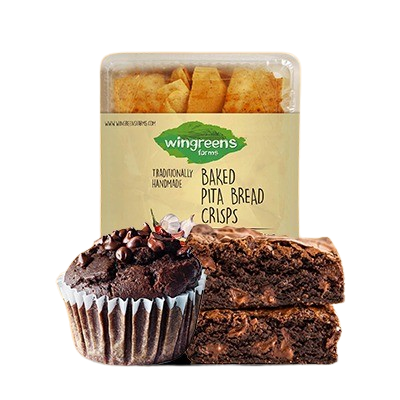

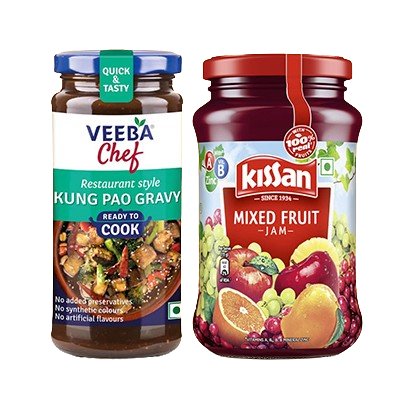





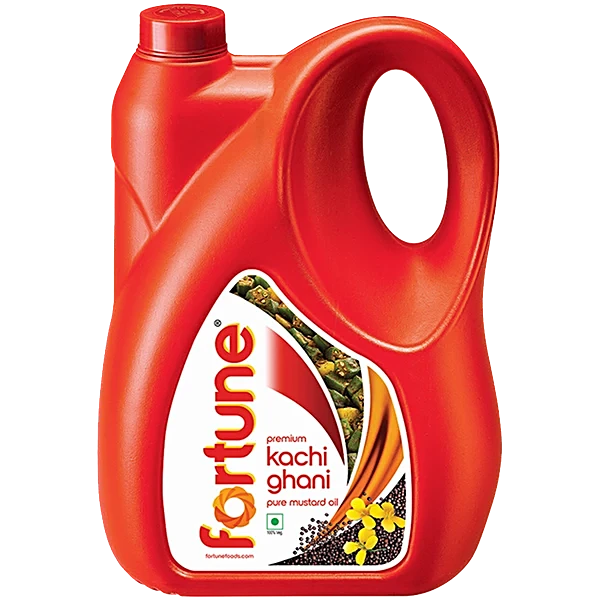
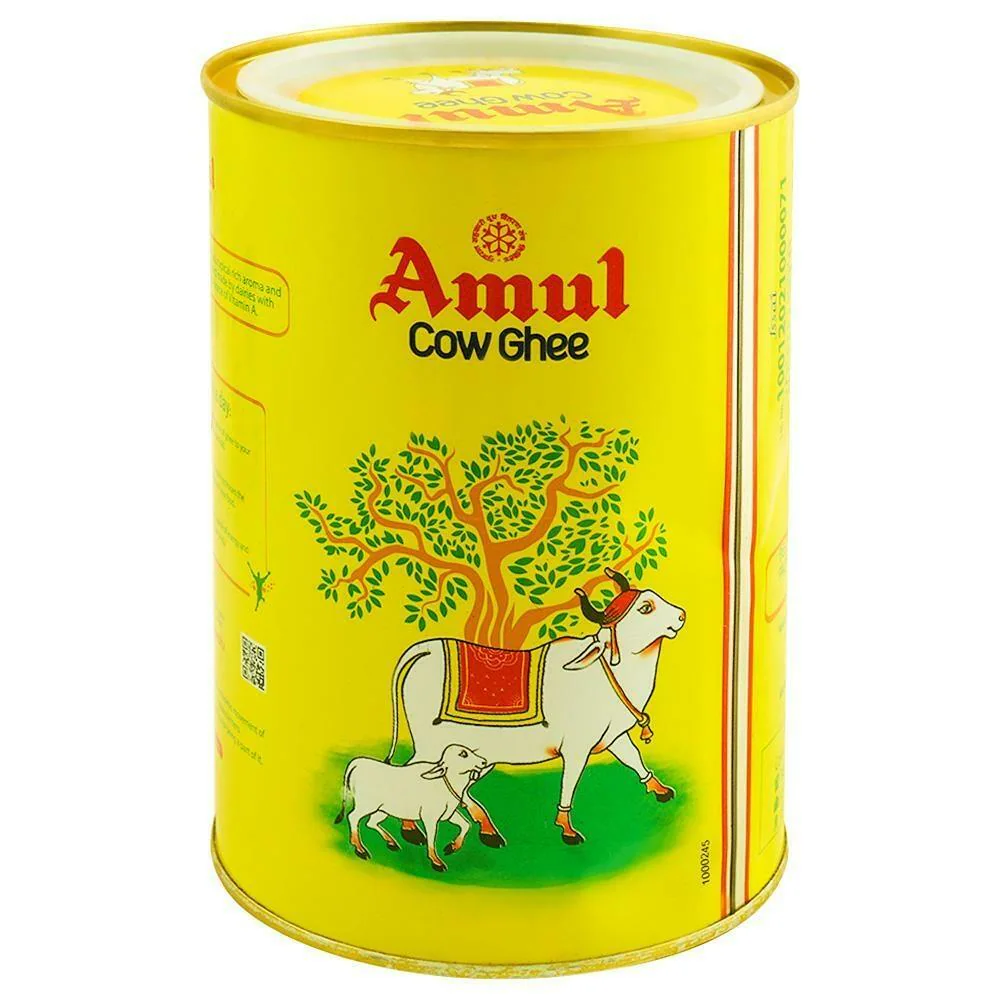


Wide Product Range
Daily-need items under one roof!

Affordable Pricing
Value-conscious pricing strategy!

POS-Enabled Billing System
Modern point-of-sale technology!

Customer Relationship Management (CRM)
Building lasting customer relationships!

Uniform Branding & Store Design
Consistent professional identity!
Localized Product Flexibility
Adapted to local preferences!