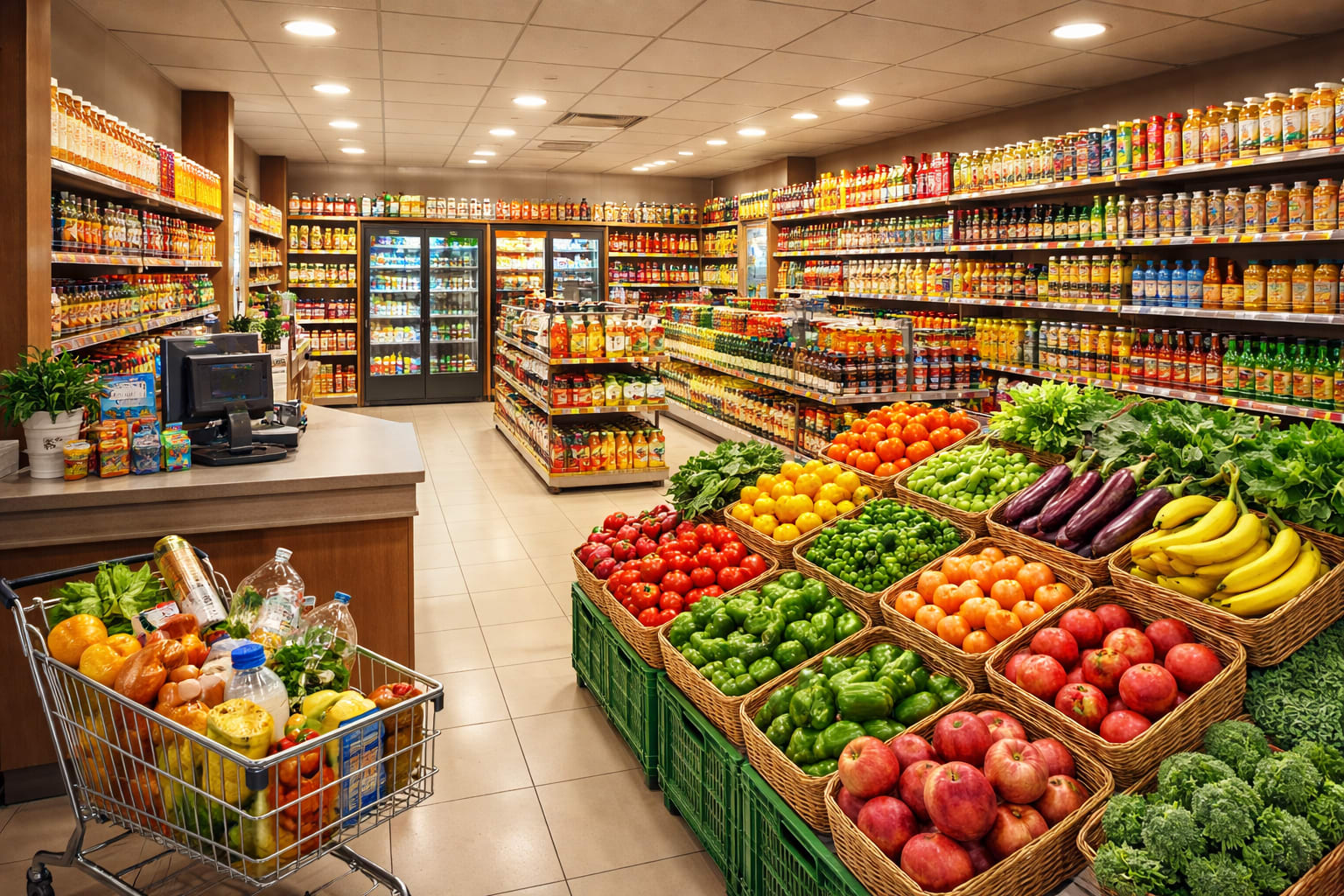
FOCM Model Grocery Store in Gorakhpur
FOCM Model Grocery Store in Gorakhpur
Owning a Grocery Store with Professional Management
- A grocery store is one of the most familiar businesses, yet running one well takes systems for stock, billing, staff, and pricing. The FOCM model, Franchise Owned, Company Managed, lets you own a Buyzaar Mart grocery store while the company manages daily operations.
- Franchise investment starts from ₹15 Lakh, and the agreement term is five years. The model suits professionals, first-time entrepreneurs, and kirana owners who want a branded store with structured support.
- This guide looks at the grocery store itself: how it is stocked and priced, how freshness is protected, what an owner can do each week, what it costs, and how to choose a shop in Gorakhpur.
What an FOCM Grocery Store Is
- It is a Buyzaar Mart outlet that you own as a franchise partner, with the company managing staff, inventory, billing, marketing, audits, and customer service.
- The store carries the brand's layout, signage, product range, and POS technology from the first day, so customers recognise it as part of a trusted network.
- You are not expected to build supplier relationships or billing systems on your own, which lowers the learning curve for first-time owners.
- An engaged owner usually performs better, so FOCM works best when you stay informed and supervise the store at ownership level.
Who Does What in an FOCM Grocery Store
Your Responsibilities as the Owner
- Fund the store set-up and provide or arrange the premises.
- Complete KYC, review the agreement, and keep to its terms.
- Plan for running costs such as rent and electricity, and confirm how staff costs are handled.
- Review reports, visit the store, and raise questions early.
The Company's Responsibilities
- Recruit, train, and supervise the store team.
- Plan inventory, support procurement, and keep stock available.
- Run POS billing, maintain brand standards, and conduct quality audits.
- Plan launch marketing and hyper-local promotions.
- Apply the inventory assurance policy under which expired and damaged goods are taken back.
Planning the Grocery Assortment
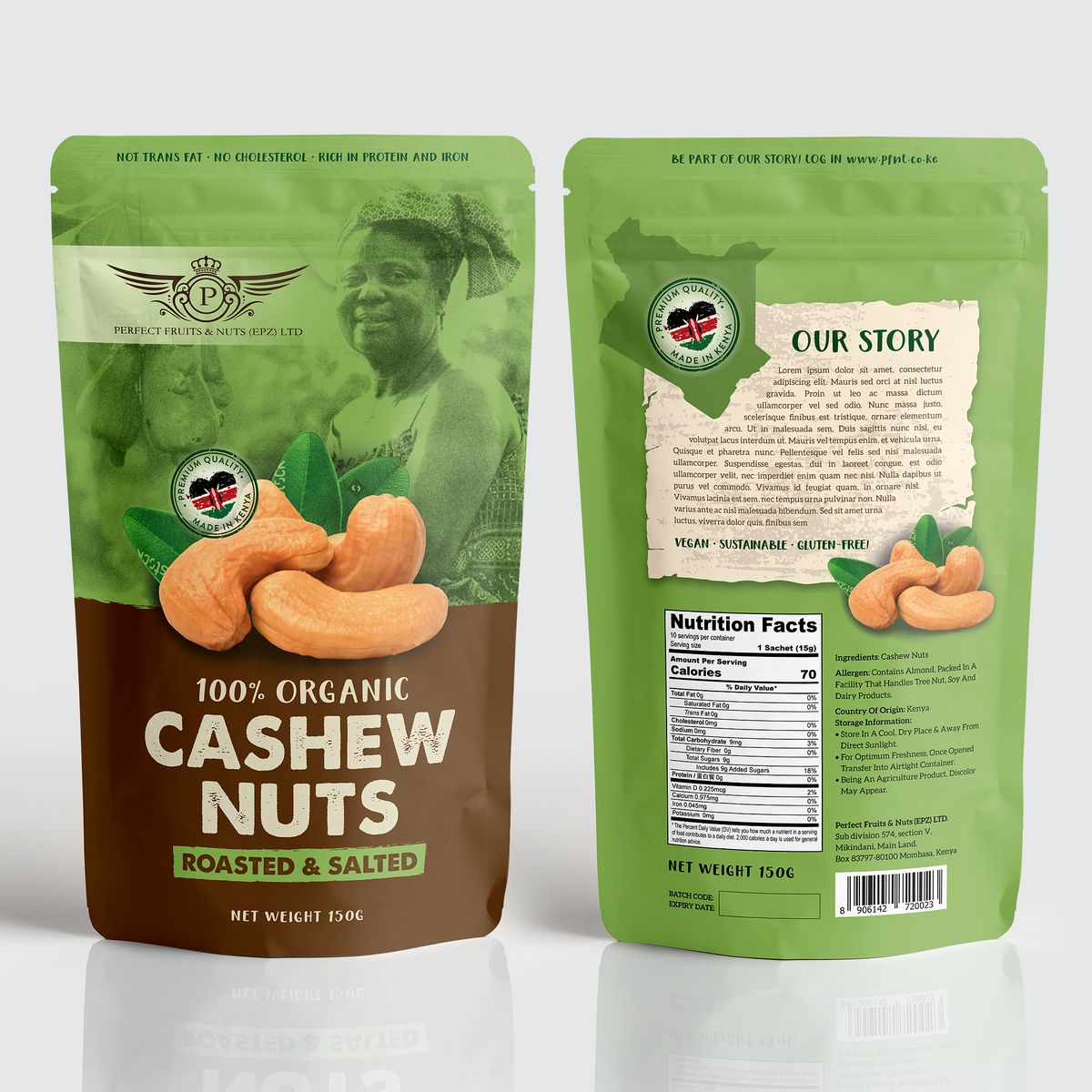
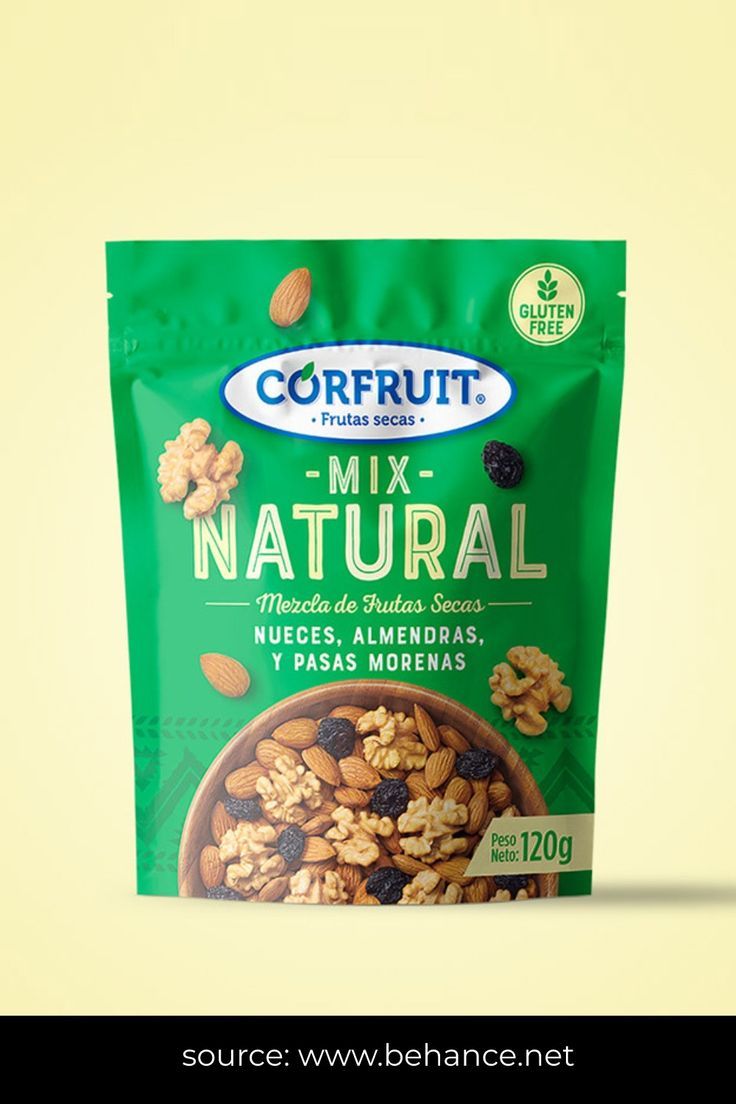
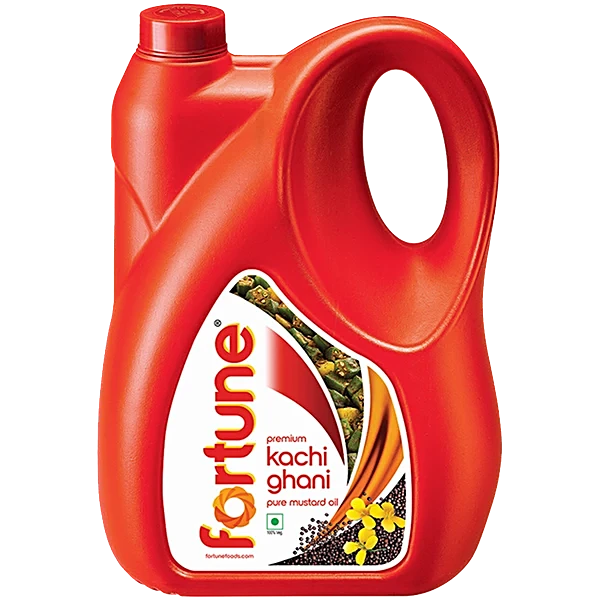
- Staples as traffic builders: Rice, flour, pulses, oils, sugar, and spices bring customers back every month, so they must always be in stock and fairly priced.
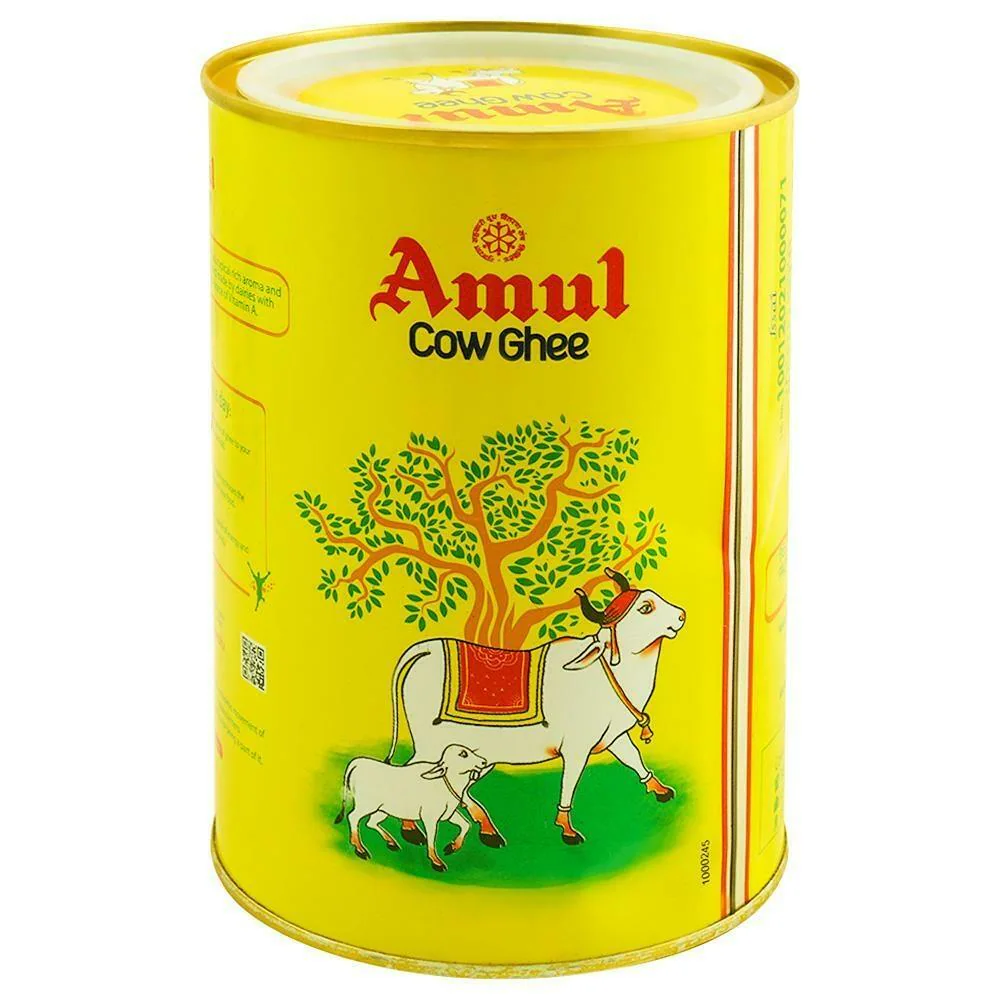
- Dairy and beverages as frequency drivers: Milk, curd, paneer, butter, juices, tea, and coffee create several visits a week.
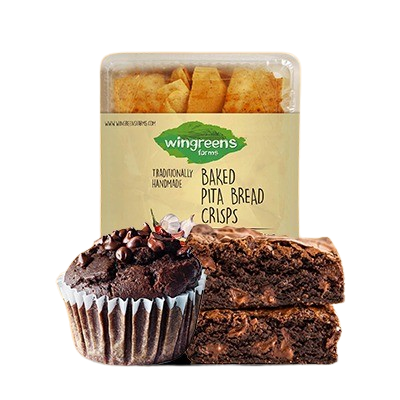
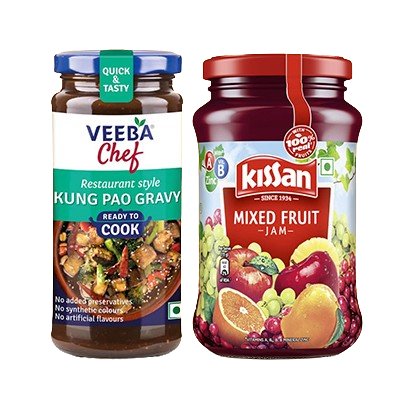
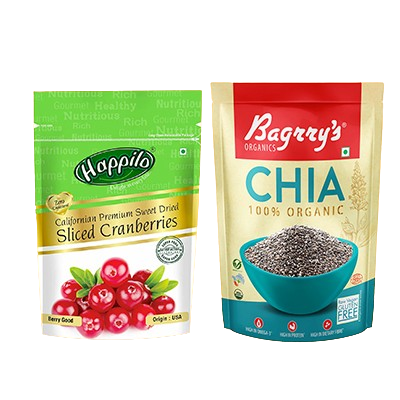
- Packaged foods and snacks as basket builders: Biscuits, noodles, cereals, and ready-to-eat items increase the value of each bill.
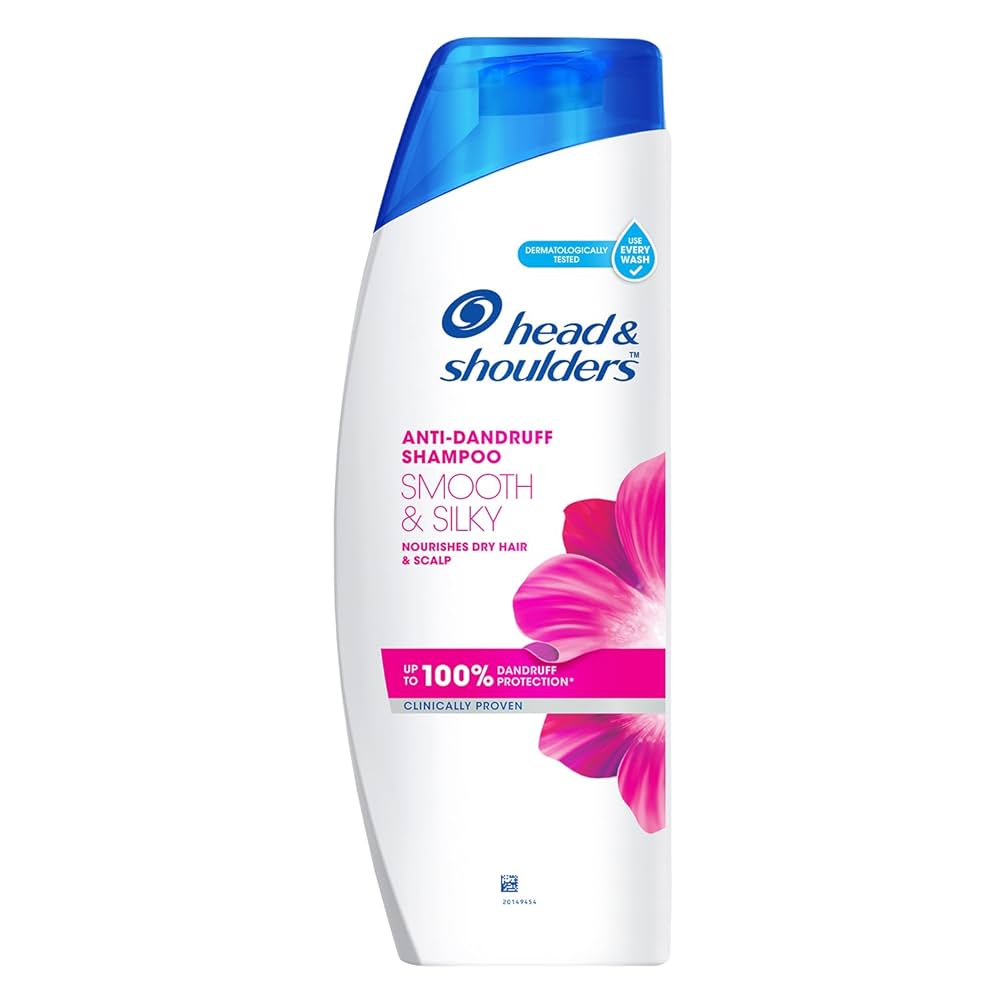
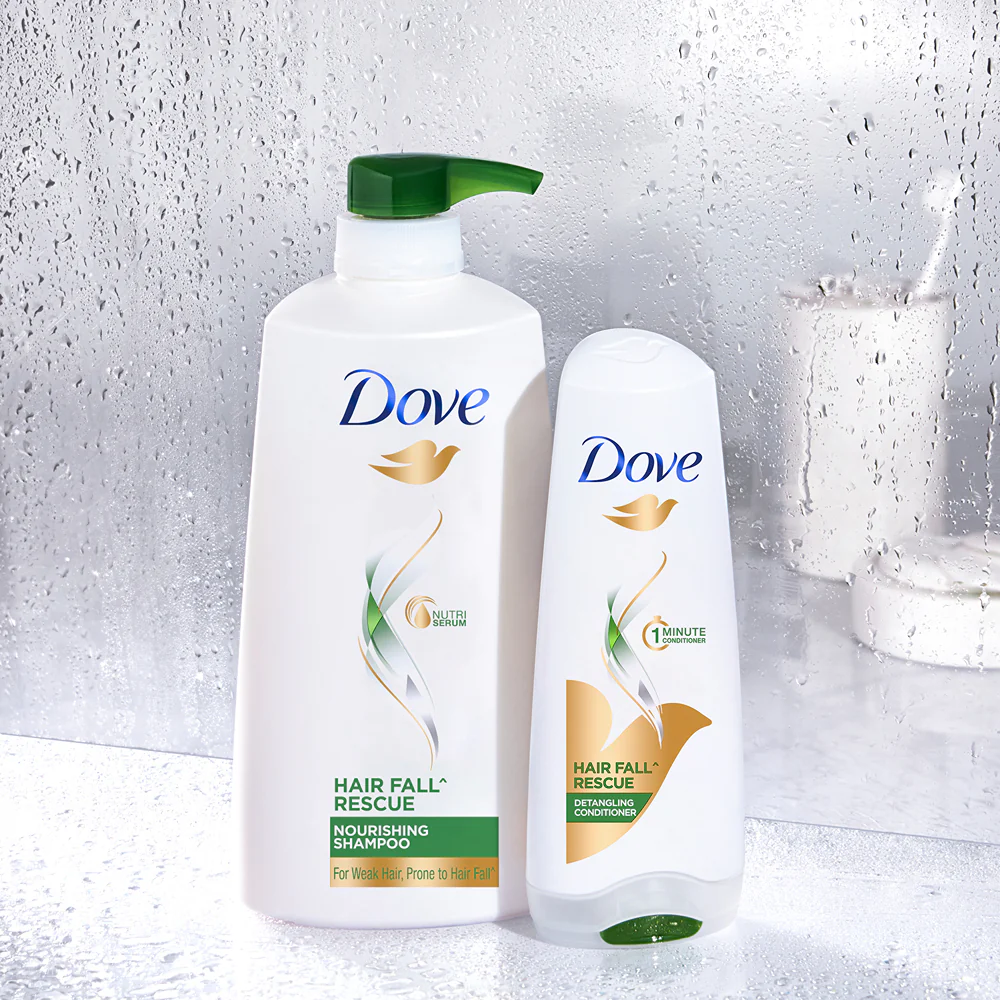
- Personal care and household items as margin helpers: Soaps, shampoos, toothpaste, detergents, and dishwash often improve margin per bill.
- Baby care and hygiene as trust builders: Diapers, baby food, and sanitary products are planned purchases that build loyalty.
- Local flexibility: The brand allows the product mix to be adapted to local tastes, so review which brands your neighbourhood actually asks for.
Pricing and Value Approach
- The brand positions itself on value-conscious pricing, which suits price-sensitive neighbourhoods in Gorakhpur.
- POS billing with clear MRP-based receipts builds trust, because customers can see exactly what they are paying.
- Compare your key staples with nearby shops from time to time, so you understand where you stand without starting a price war.
- Compete on range, cleanliness, service, and reliability as well, since discounts alone rarely build a lasting customer base.
Freshness, Expiry and Stock Rotation
- Use the first-in, first-out habit: place newer stock behind older stock so that items nearer to expiry sell first.
- Check expiry dates on dairy, packaged foods, and personal care items regularly, and flag near-expiry items early.
- Rely on the take-back policy for expired and damaged goods, which helps protect your working capital.
- Keep cooling equipment for dairy and frozen items in good working condition, since spoilage directly cuts profit.
- Avoid over-ordering slow items, because older stock ties up cash and shelf space.
A Weekly Routine for the FOCM Owner
- Monday: Review last week's POS sales and note top sellers and slow movers.
- Midweek: Visit the store at a busy hour and observe queues, shelf availability, and staff behaviour.
- Weekend: Check stock-outs, speak with a few regular customers, and ask what they could not find.
- Fortnightly: Discuss assortment changes and local requests with the company's operations team.
- Monthly: Compare sales, costs, and cash position with your break-even plan.
- Always: Keep notes of agreed changes and communicate in writing for clarity.
Using POS Reports to Improve the Store
- Top sellers: Make sure they never run out, since a stock-out on a staple can send customers to another store.
- Slow movers: Reduce their shelf space and ordering quantity to free cash for faster products.
- Peak hours: Identify busy times, so the team can plan billing counters and restocking accordingly.
- Basket size: Watch whether customers buy only one or two items or fill a basket, and think about how to encourage add-on purchases.
- Repeat customers: Use CRM features to recognise regular shoppers and plan neighbourhood offers.
Festival and Seasonal Planning
- Demand for dry fruits, oils, sweet ingredients, puja items, and gift packs rises around festivals and weddings, so plan stock ahead.
- Seasonal needs such as cold beverages in summer and household supplies before the rainy season can affect category mix.
- Share your local festival calendar with the operations team, because they can help match assortment to the neighbourhood.
- Avoid overstocking one-time items, and review leftover stock quickly after the season.
Investment for an FOCM Grocery Store
- The Buyzaar Mart franchise starts from ₹15 Lakh, and a Mini Mart generally falls in the ₹15–22 Lakh range depending on size, location, and the condition of the premises.
- The investment typically covers interiors, racks, shelving, display units, lighting, flooring, signage, POS technology, opening stock, a one-time franchise fee, and pre-launch marketing.
- Larger formats need a higher budget. The company indicates about ₹1,200 per sq. ft. for interiors and ₹1,700 per sq. ft. for opening stock in Hyper Mart, plus a franchise fee.
- A minimum carpet area of 600 sq. ft. is required, and the property can be owned or rented.
- Cost figures vary slightly across sources, so ask for a written estimate and confirm current numbers before committing.
Running Costs to Plan
- Rent: The biggest fixed cost for most stores, so negotiate lease length, deposit, and escalation.
- Staff-related costs: Confirm how salaries are handled under your agreement.
- Electricity: Cooling and lighting costs rise with store size and dairy or frozen range.
- Working capital: Keep a reserve for restocking and slower early months.
Margin and Payback in Realistic Terms
- The company states an expected margin of 18% to 20% on sales, depending on location, footfall, and monthly sales volume. This is an estimate, not a guarantee.
- The brand describes its model as zero-royalty, which can leave more of the gross margin with the franchise owner.
- Third-party franchise listings mention an indicative payback period of 18 to 24 months, which varies with rent, sales, and wastage.
- Work out your own break-even by adding monthly costs, then compare them with cautious and optimistic sales scenarios.
Why Gorakhpur Suits a Managed Grocery Store
- Gorakhpur had about 6.73 lakh residents in the 2011 Census, and municipal expansion later took the reported population beyond 10 lakh, which supports steady daily grocery demand.
- The 91.35 km Gorakhpur Link Expressway and industrial growth around GIDA are improving connectivity and jobs, which can support household spending over time.
- AIIMS Gorakhpur, medical colleges, and universities bring students, patients, and visitors from nearby districts and western Bihar, adding everyday demand.
- Many households still depend on traditional kirana stores, so a clean, branded store with clear billing can stand out.
Choosing the Shop for Your Grocery Store
- Dense colonies around Rapti Nagar, Betiahata, Shahpur, and Taramandal suit Mini Mart formats with steady household demand.
- Busy roads such as Golghar, Asuran Chowk, and Pipraich Road offer visibility for larger formats.
- Hospital and campus belts near AIIMS and Medical College Road can add non-resident footfall.
- Check parking, frontage, nearby competitors, and lease terms, and use the company's site survey as a second opinion.
Mistakes to Avoid
- Treating a company-managed store as a purely passive investment and never visiting it.
- Choosing a shop only for low rent without checking footfall.
- Spending the whole budget on interiors and leaving no working capital.
- Ignoring slow-moving stock until it expires.
- Signing without reading term, fee, renewal, and exit conditions, and without professional advice.
FOCM Grocery Store vs an Independent Kirana
- Systems: POS, branding, supply support, and audits come with the franchise, while a kirana owner builds these alone.
- Staff and operations: The company manages the team under FOCM, whereas a kirana owner handles everything personally.
- Control: A kirana gives full control over every decision, while FOCM follows brand standards.
- Learning curve: Training and support shorten the learning curve for first-time owners.
Frequently Asked Questions
What is an FOCM grocery store?
A Buyzaar Mart store you own as a franchise partner while the company manages operations.
How long is the agreement?
The brand states a five-year term. Confirm renewal conditions in writing.
Do I need grocery experience?
No. Training, POS software, and operational support are provided.
What is the minimum investment?
It starts from ₹15 Lakh, and a Mini Mart generally goes up to ₹22 Lakh.
What margin does the company expect?
It states 18%–20% on sales, which is not guaranteed.
Is FOCM completely hands-off?
No. The company manages operations, but an engaged owner usually does better. For a hands-off role, ask about FOCO.
How do I apply?
Fill out the form at www.thebuyzaarmart.com or call 9217991727.
Own an FOCM Grocery Store in Gorakhpur
- Own a branded grocery and daily-needs store while The Buyzaar Mart manages operations, inventory, POS billing, staff training, marketing, and store standards.
- Share your preferred Gorakhpur location, available commercial space, and budget for a site review and format recommendation.
- Investment begins from approximately ₹15 Lakh, subject to the final store format, area, premises condition, site assessment, and franchise agreement.
Email: info@thebuyzaarmart.com
Phone / WhatsApp: 9217991727
Business Hours: Monday to Saturday, 09:00 AM – 07:00 PM

Store Features & Services
Discover our comprehensive range of services designed to provide the best shopping experience for urban and semi-urban households
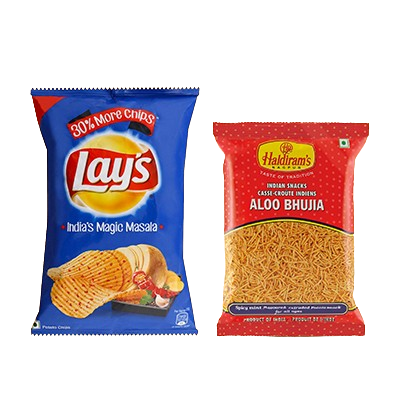
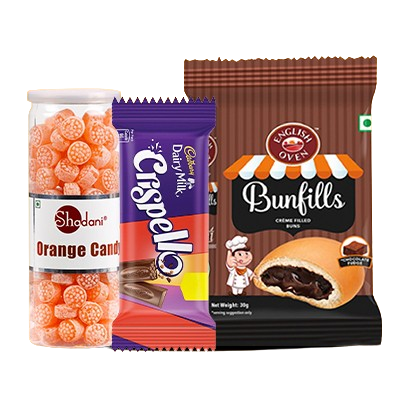
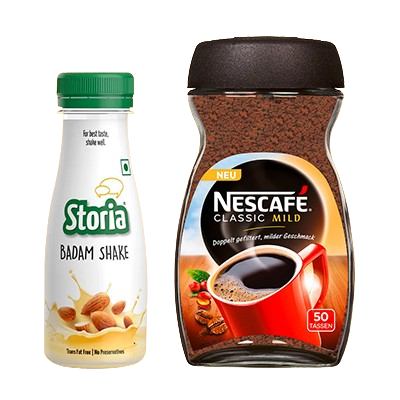






Wide Product Range
Daily-need items under one roof!

Affordable Pricing
Value-conscious pricing strategy!

POS-Enabled Billing System
Modern point-of-sale technology!

Customer Relationship Management (CRM)
Building lasting customer relationships!

Uniform Branding & Store Design
Consistent professional identity!
Localized Product Flexibility
Adapted to local preferences!