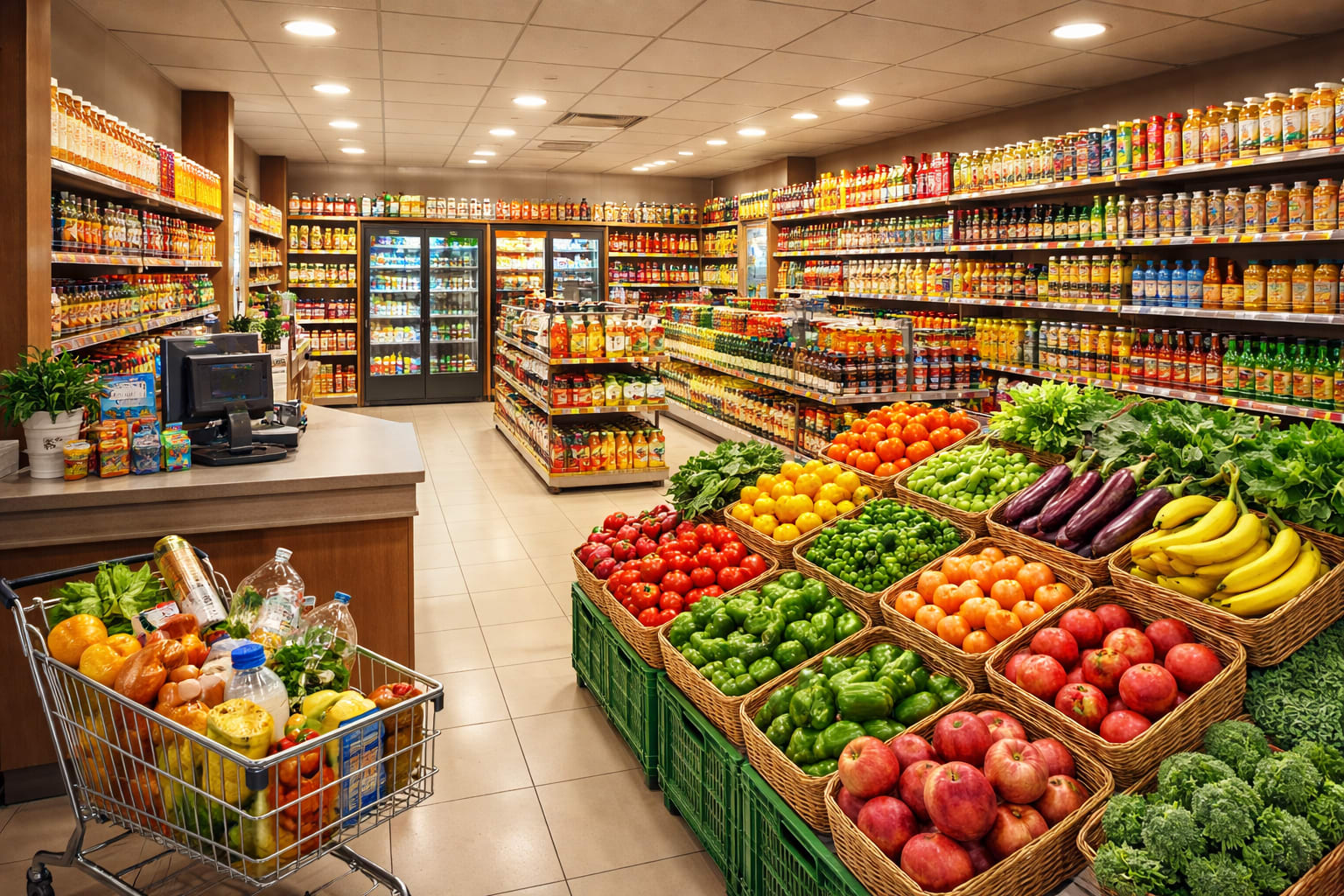
FOCO Franchise Opportunity in Gorakhpur
FOCO Franchise Opportunity in Gorakhpur
A Franchise Opportunity for People Who Cannot Run a Store Daily
- Plenty of people in Gorakhpur have capital or a commercial shop but not the time to run a retail business. The FOCO model, Franchise Owned, Company Operated, was built for them: you own the franchise, and The Buyzaar Mart operates the store.
- The company manages staff salaries, electricity costs, inventory, marketing, and daily running, while you provide the investment and the premises. The stated return is about 10% revenue sharing on monthly sales.
- This guide treats FOCO as an investment opportunity. It shows who it suits, how it compares with simply renting out a shop, what to evaluate, and which questions to settle before signing.
The Opportunity at a Glance
- Model: Franchise Owned, Company Operated, a more passive structure than FOCM.
- Entry investment: Starting from ₹15 Lakh, with a Mini Mart generally in the ₹15–22 Lakh range depending on size, location, and premises condition.
- Your contribution: Capital for set-up and a suitable shop.
- Company's contribution: Operations, staff, inventory, marketing, and brand systems.
- Stated return: About 10% revenue sharing on monthly sales, which is not guaranteed.
- Minimum space: 600 sq. ft. of carpet area, with Mini, Super, and Hyper Mart formats available by size.
Why This Opportunity Exists in Gorakhpur
- Gorakhpur had about 6.73 lakh residents in the 2011 Census, and municipal expansion later took the reported population beyond 10 lakh, which means more households shopping for groceries every week.
- The 91.35 km Gorakhpur Link Expressway and industrial growth around GIDA are improving connectivity and employment, which can support household spending over time.
- AIIMS Gorakhpur, medical colleges, and universities bring students, patients, and visitors from nearby districts and western Bihar, adding everyday demand.
- Organised grocery is still early in many neighbourhoods, so a clean, branded store with clear billing and a wide range can stand out.
How the FOCO Opportunity Works
- Discuss: You share your shop details, size, and budget, and the team confirms whether FOCO fits.
- Review: The company surveys the premises for population density, purchasing capacity, and local demand.
- Agree: You complete KYC and review the franchise agreement, which defines investment, return terms, and responsibilities.
- Set up: Interiors, branding, POS installation, stocking, and staff training are arranged.
- Operate: The company runs the store, and returns follow the agreed revenue-sharing structure.
Which Investors Is FOCO Suited To
Property Owner with a Vacant or Underused Shop
- If you own a commercial shop, FOCO turns it into a branded grocery store without you learning daily retail operations.
Working Professional
- Doctors, engineers, teachers, and salaried employees can hold a retail asset without leaving their jobs or spending store hours.
Out-of-Town Investor
- People with roots in Gorakhpur who live elsewhere can invest locally while the company handles on-site operations.
Retired Individual
- Retirees who want a business structure without long working days can consider a company-operated store.
Business Family Diversifying
- Families with another main business can add a retail outlet without pulling members away from existing work.
FOCO vs Renting Out Your Shop
- Income pattern: Rent is usually a fixed amount, while FOCO returns are linked to monthly sales, so they can rise or fall.
- Your capital: Renting needs little extra investment, while FOCO requires set-up capital for interiors, POS, stock, and the franchise fee.
- Upside: A busy branded store can generate more than a fixed rent in good months, but it can also earn less in slow ones.
- Risk: Rent depends on a tenant paying on time, while FOCO depends on store performance and agreement terms.
- Control: A tenant uses your shop on their terms, while a FOCO store follows the brand's standards under a written agreement.
- This is general information and not financial advice, so compare both options with your accountant.
What You Invest In
- Interiors, racks, shelving, display units, lighting, flooring, and signage that give the store its branded look.
- POS technology for billing, sales tracking, and inventory control.
- Opening stock matched to the format and local demand.
- A one-time franchise fee for the brand identity, trademarks, and business systems.
- Pre-launch marketing and store opening activities.
- Cost figures vary slightly across sources, so ask for a written estimate that separates one-time costs and any recurring charges.
Returns Explained Simply
- The stated return is about 10% revenue sharing on monthly sales, so a busier store generally means a larger return.
- Illustration only: If the store recorded ₹10 Lakh in monthly sales, 10% would equal ₹1 Lakh before any adjustments the agreement may specify. This is not a forecast.
- Revenue sharing is calculated on sales, not on profit, so ask exactly what the percentage applies to, how it is calculated, and when it is paid.
- Nothing is guaranteed. Location, footfall, competition, and operations all influence sales.
- Ask whether the agreement includes minimum return terms, deductions, or adjustment clauses, and get the answers in writing.
What the Company Handles
- Staff: Recruitment, training, supervision, and salaries.
- Inventory: Procurement, replenishment, and stock planning.
- Billing: POS-enabled billing with reporting and inventory visibility.
- Marketing: Hyper-local launch campaigns and neighbourhood promotions.
- Standards: KPI tracking, quality audits, and brand consistency.
- Stock protection: The inventory assurance policy takes back expired and damaged goods.
Evaluating the Opportunity: A Five-Point Check
- Premises fit: Does your shop have at least 600 sq. ft., good frontage, and enough nearby households?
- Capital fit: Can you fund the set-up and still keep some reserve without stretching your finances?
- Return clarity: Do you fully understand how the 10% is calculated, paid, and adjusted?
- Agreement terms: Are the term, renewal, exit, and asset conditions acceptable to you?
- Trust: Have you spoken with existing partners or seen an operating store, and are you comfortable with the company?
Risks and Limitations
- Variable returns: Revenue-linked returns move with sales, and there is no guarantee.
- Less control: Daily decisions sit with the operator, so you rely on the company's management and reporting.
- Capital commitment: Interiors, stock, and the franchise fee are a real investment, and exit terms matter.
- Location dependence: Even a strong operator cannot fully offset a weak site.
- Agreement terms: Duration and termination conditions shape your long-term position, so read them closely.
Questions to Ask Before Signing
- What is the exact return structure, what does the percentage apply to, and when is it paid?
- What costs does the company bear, and what costs remain with me?
- How long is the agreement, and what are the renewal, exit, and termination conditions?
- What happens to the interiors, equipment, and stock if the agreement ends?
- How often and in what format will I receive sales reports?
- Can I speak with existing partners or visit an operating store?
From Inquiry to Launch: What to Expect
- The first step is a conversation about your shop, budget, and goals, followed by a site review.
- Documentation and agreement review come next, and this is the best time to ask every question.
- Set-up covers interiors, branding, POS, stocking, and staff training before opening day.
- The timeline varies with location, documentation, and store readiness, so ask the team for a specific schedule during onboarding.
Choosing the Right Shop in Gorakhpur
- Dense colonies around Rapti Nagar, Betiahata, Shahpur, and Taramandal suit smaller formats with steady household demand.
- Busy roads such as Golghar, Asuran Chowk, and Pipraich Road offer visibility for larger formats.
- Hospital and campus belts near AIIMS and Medical College Road can add non-resident footfall.
- Check parking, frontage, nearby competitors, and lease terms, and use the company's site survey as a second opinion.
Frequently Asked Questions
What is the FOCO franchise opportunity?
You invest in and own a Buyzaar Mart store, and the company operates it.
Do I need retail experience?
No. The company's team handles daily operations.
What return is stated under FOCO?
About 10% revenue sharing on monthly sales. It is not guaranteed, so confirm the terms in writing.
How much do I need to invest?
It starts from ₹15 Lakh, and a Mini Mart generally goes up to ₹22 Lakh.
Do I need my own shop?
Yes, with at least 600 sq. ft. of carpet area.
How is it different from FOCM?
FOCM means you own the store with company-managed operations and a supervisory role. FOCO is more hands-off.
How do I apply?
Fill out the form at www.thebuyzaarmart.com or call 9217991727.
Explore the FOCO Franchise Opportunity in Gorakhpur
- Own a branded daily-needs store while The Buyzaar Mart operates the outlet, including staffing, inventory, POS billing, marketing, and store standards.
- Share your available commercial space, Gorakhpur location, and budget for a site review and a suitable Mini Mart, Super Mart, or Hyper Mart format recommendation.
- Investment begins from approximately ₹15 Lakh, subject to the selected format, premises, location assessment, and final agreement terms.
Email: info@thebuyzaarmart.com
Phone / WhatsApp: 9217991727
Business Hours: Monday to Saturday, 09:00 AM – 07:00 PM

Store Features & Services
Discover our comprehensive range of services designed to provide the best shopping experience for urban and semi-urban households
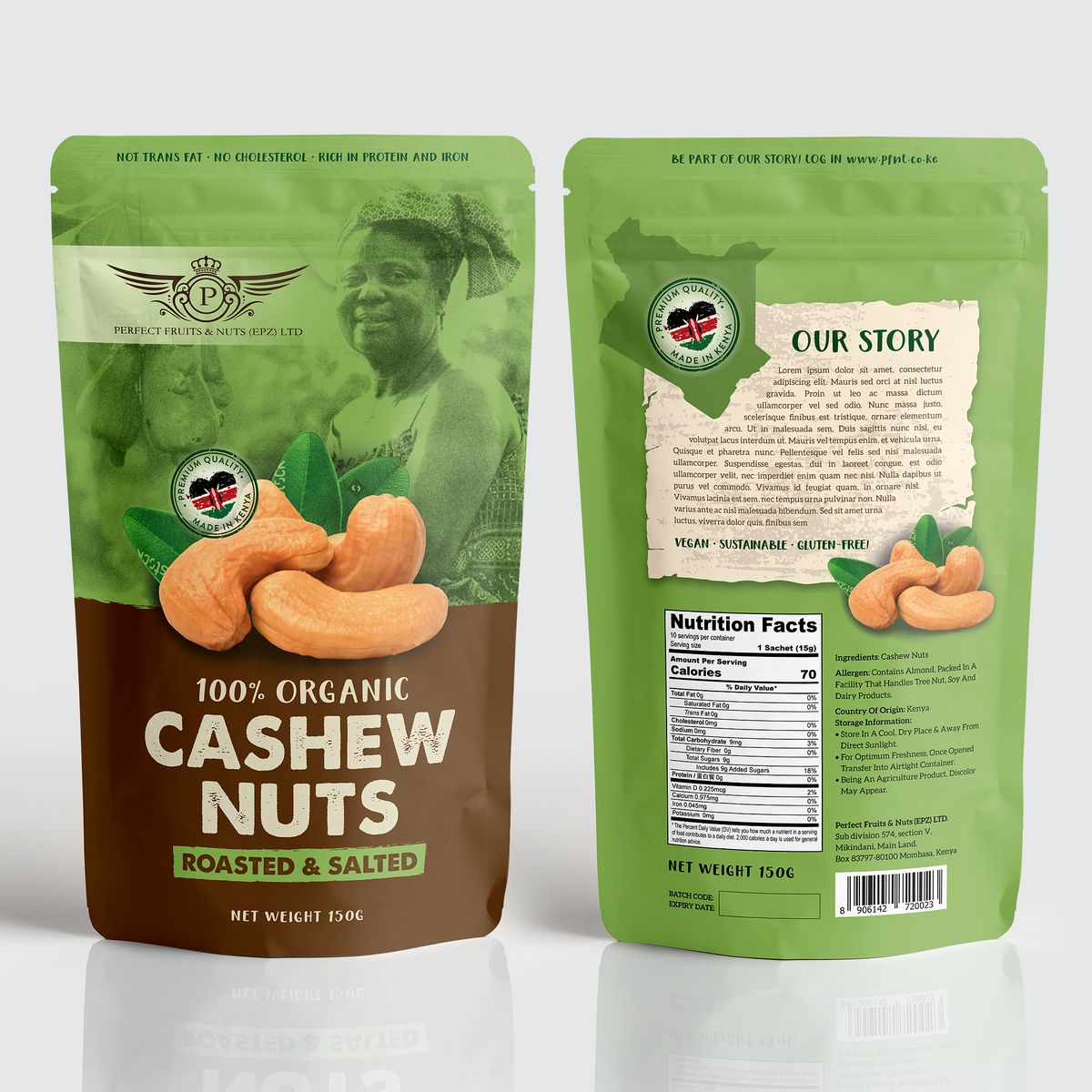
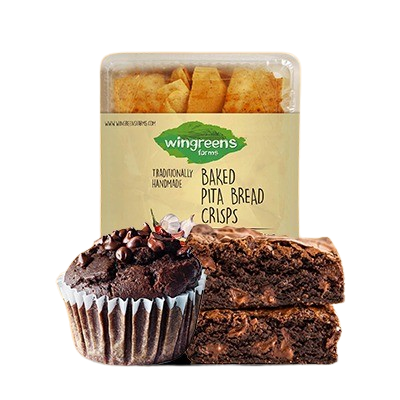

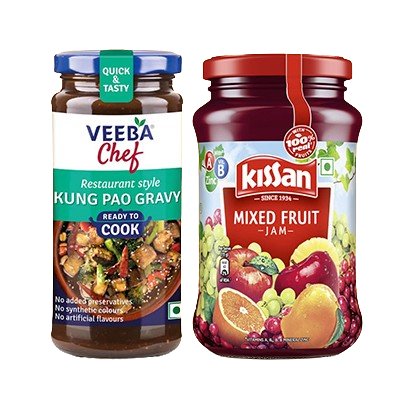
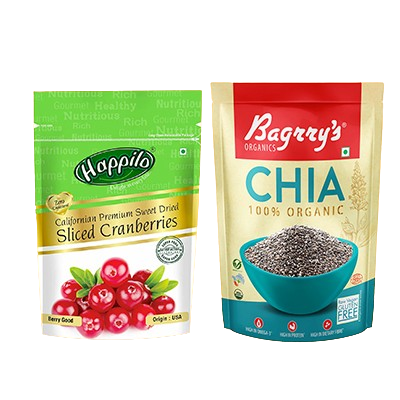
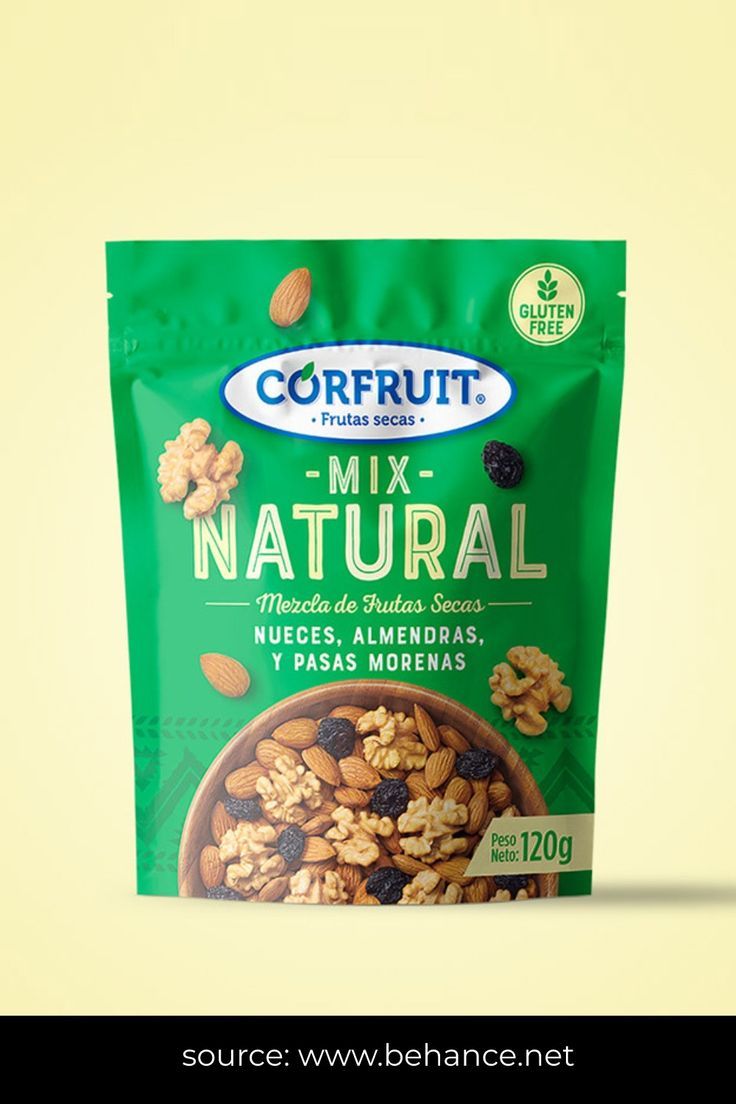

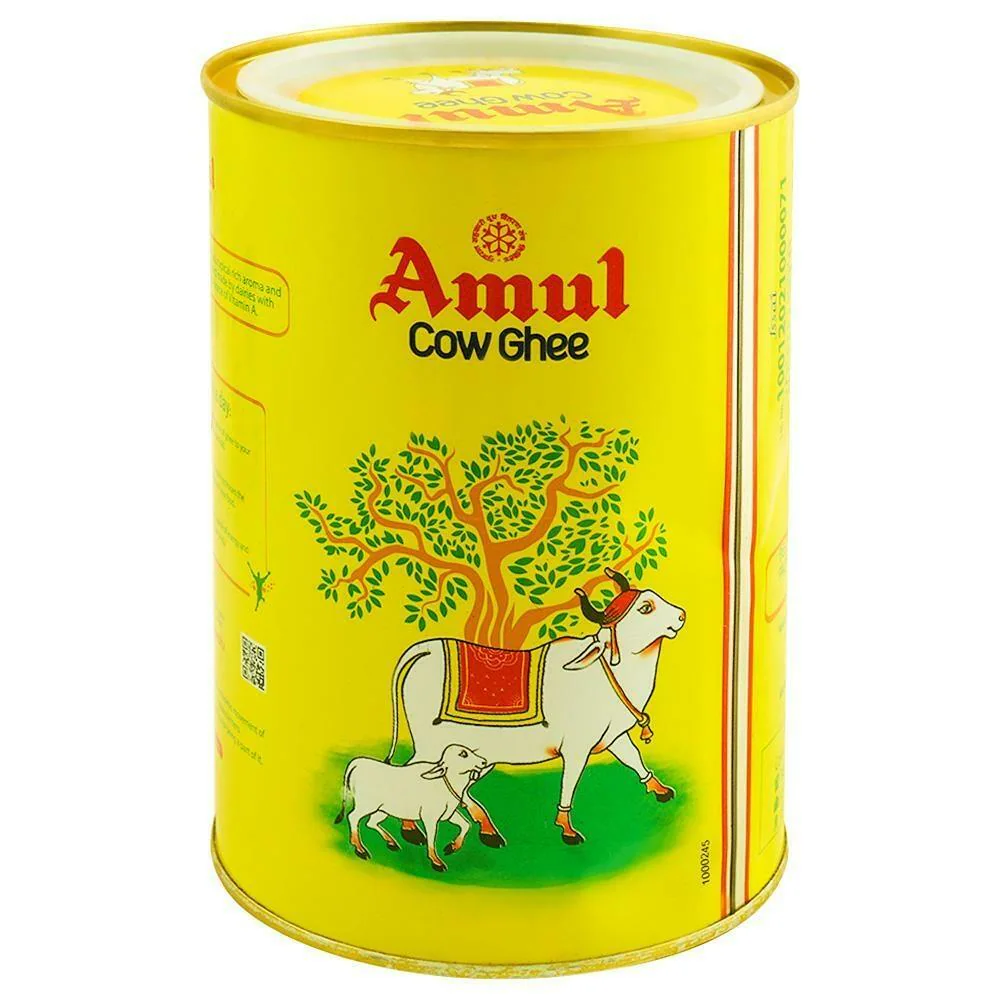

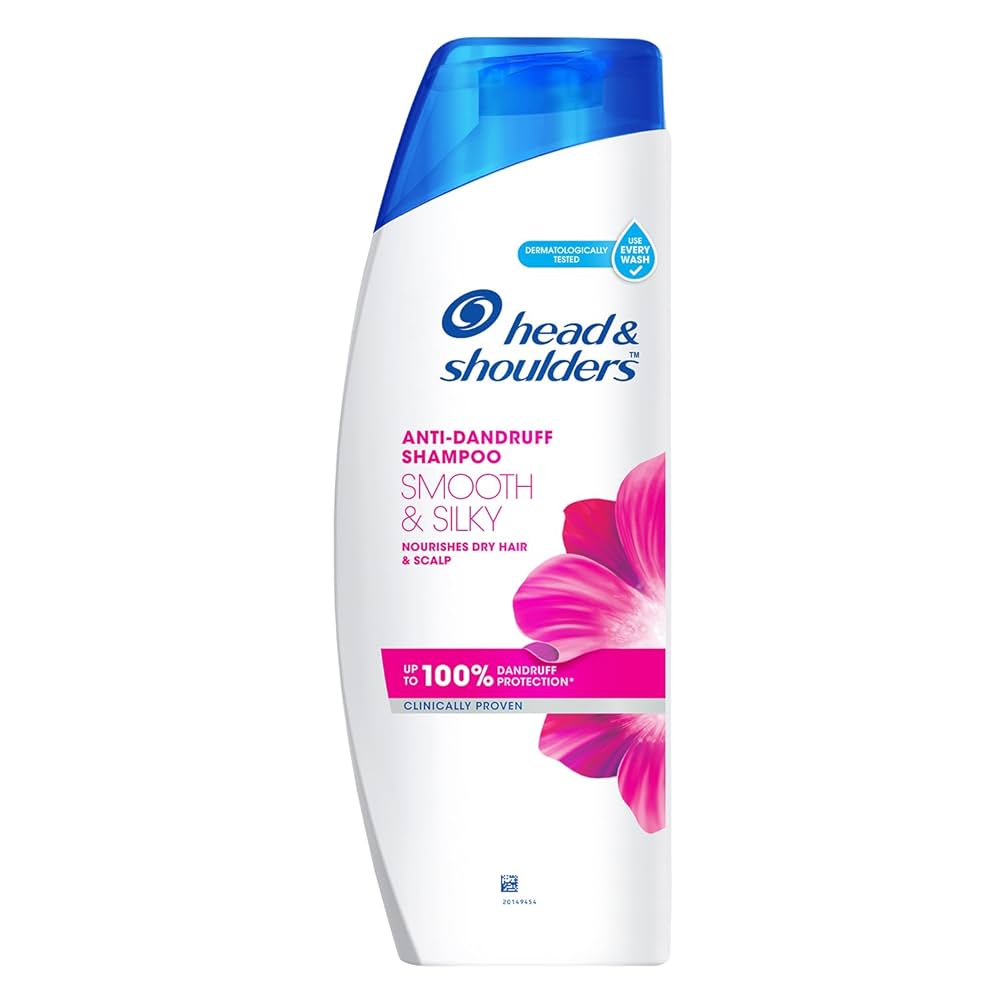
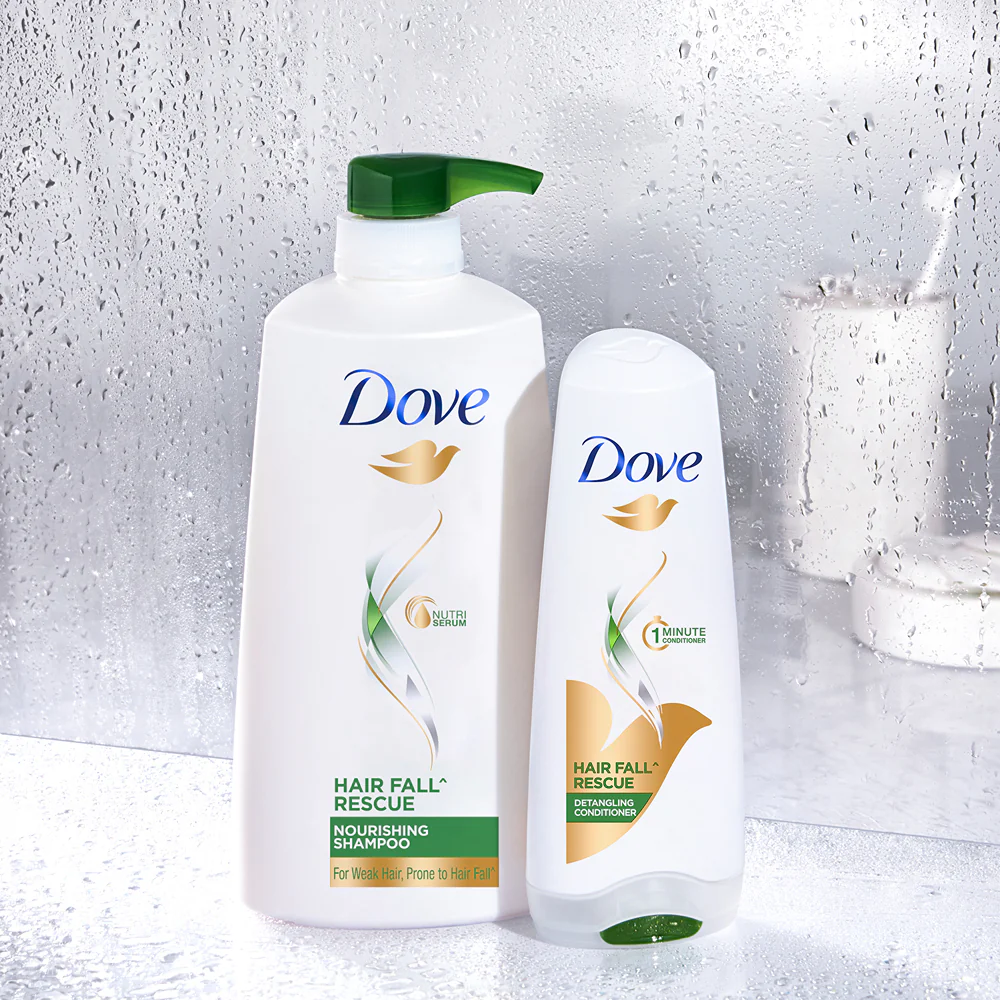

Wide Product Range
Daily-need items under one roof!

Affordable Pricing
Value-conscious pricing strategy!

POS-Enabled Billing System
Modern point-of-sale technology!

Customer Relationship Management (CRM)
Building lasting customer relationships!

Uniform Branding & Store Design
Consistent professional identity!
Localized Product Flexibility
Adapted to local preferences!