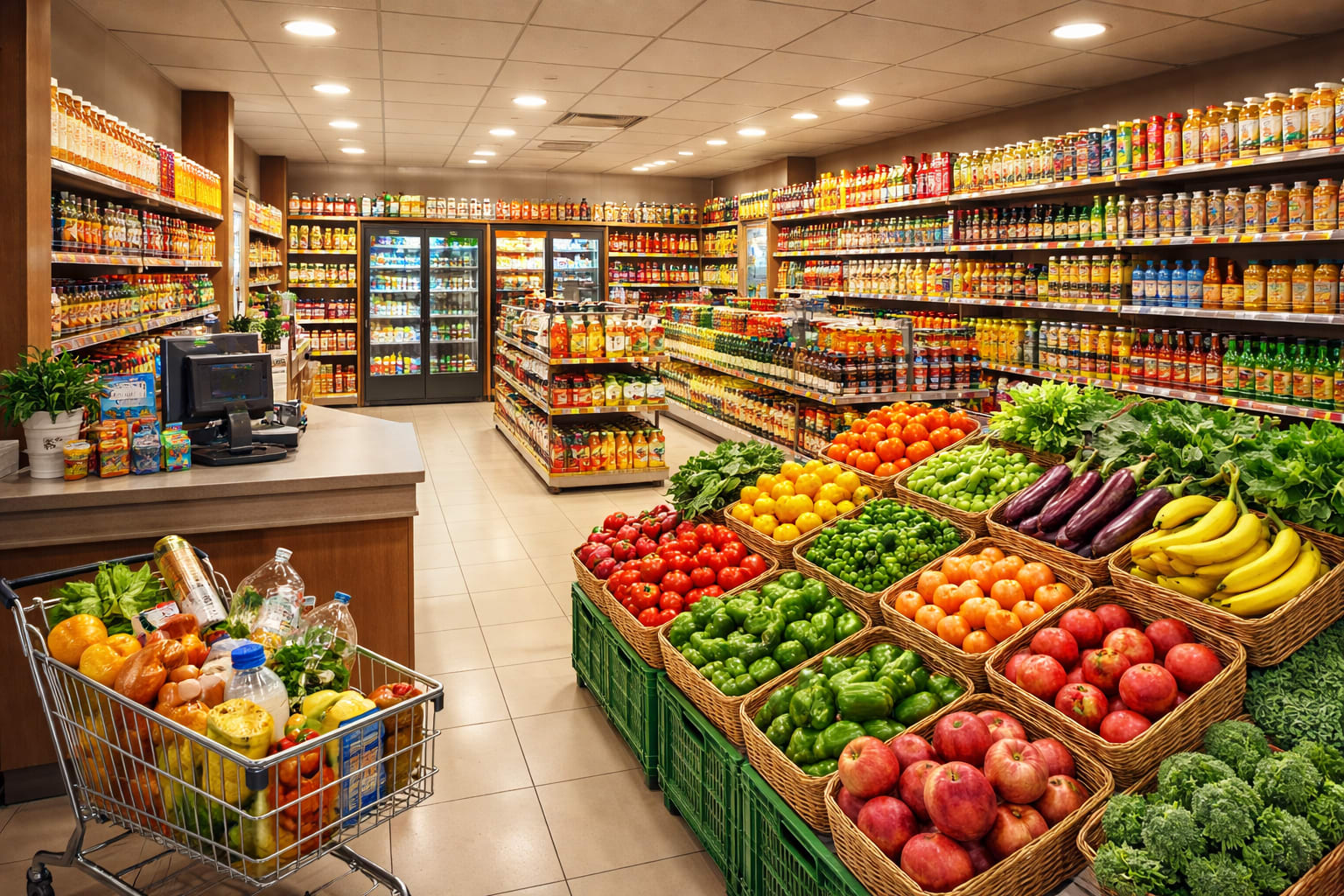
Grocery Franchise Investment Opportunity in Gorakhpur
Grocery Franchise Investment Opportunity in Gorakhpur
The Opportunity at a Glance
- Gorakhpur is changing fast, and daily-need retail is changing with it. Expanding roads, new industry, large hospitals and campuses, and a growing urban population are creating a steady flow of households that need groceries every single week.
- A grocery franchise investment opportunity in Gorakhpur sits right at this intersection of demand and change.
- The Buyzaar Mart gives entrepreneurs a structured way to enter this market. Formats begin from ₹15 Lakh, operations are supported by POS technology and a central supply chain, and the tagline "Your Friendly Neighbourhood Store" reflects a store built around local trust.
- This page looks at the opportunity as an investor would: where demand comes from, which customers you can serve, how the models work, what to check before signing, and how a single store can grow into a small network.
Why the Opportunity Is Open in Gorakhpur
Reason 1: A Large City with Everyday Demand
- Gorakhpur had about 6.73 lakh residents in the 2011 Census, and later municipal expansion added villages, pushing the reported population beyond 10 lakh.
- Each additional household is a recurring grocery customer for the next store that serves it well.
- Government offices, the North Eastern Railway headquarters, trading markets, and universities provide a stable salaried and business population, which supports both value and branded purchases.
Reason 2: Infrastructure Is Reshaping the Region
- The 91.35 km Gorakhpur Link Expressway, opened in June 2025, connects the city with the Purvanchal Expressway and cuts travel time towards Lucknow.
- Faster movement helps suppliers, deliveries, and customers.
- GIDA has been drawing industrial investment, and the Dhuriyapar township is being developed as the next industrial zone.
- New factories mean new jobs, and new jobs mean more households with regular spending power.
Reason 3: Organised Grocery Is Still Early
- Many shoppers still depend on traditional kirana stores that differ widely in cleanliness, price display, and range.
- A branded store with clear billing, a wide assortment, and a consistent look can stand out easily in such a market.
- The Buyzaar Mart lists Gorakhpur among Uttar Pradesh cities where organised retail is gaining acceptance, which suggests the brand sees the city as a viable market.
Reason 4: A Regional Catchment Beyond City Limits
- AIIMS Gorakhpur, medical colleges, and universities attract patients, attendants, and students from surrounding districts and western Bihar.
- Their daily needs for water, snacks, hygiene items, and basic groceries add demand that resident numbers alone do not show.
Why Grocery Fits This Opportunity
- Grocery demand repeats weekly, so revenue does not depend on occasional purchases the way fashion or electronics do.
- A single visit can include staples, dairy, snacks, and cleaning products, which raises the value of each bill.
- Branded packaged goods carry printed MRPs, which keeps pricing transparent and reduces bargaining.
- Community stores build habit, and customers who trust a store often return for years.
Opportunity Map: Customers a Gorakhpur Store Can Serve
- Families in residential colonies: Monthly and weekly stock-up shoppers who value variety, fair prices, and reliable availability of staples, oils, dairy, and household items.
- Students and young professionals: Frequent small purchases of snacks, beverages, noodles, ready-to-eat food, and personal care, often near campuses and rental areas.
- Hospital visitors and attendants: Short-notice buyers of packaged water, biscuits, baby care, and hygiene products, especially around medical college and hospital belts.
- Salaried households: Government and railway employees often plan month-start baskets and prefer trusted brands with transparent MRP billing.
- Festival and wedding-season shoppers: Demand rises around festivals and weddings for dry fruits, oils, cooking ingredients, and gifting items, so planning ahead matters.
What The Buyzaar Mart Brings to the Opportunity
- Established systems: The Buyzaar Mart is headquartered in Noida and works with a standard franchise agreement, FSSAI licensing, GST registration, and MSME certification.
- Technology: POS billing, CRM features, and inventory visibility come as part of the store setup, so you do not have to assemble tools yourself.
- Zero-royalty structure: The brand describes its model as zero-royalty, which can leave more of the gross margin with the franchise partner.
- Localised assortment: Product flexibility lets the store reflect Gorakhpur tastes, from daily staples to festival items.
- Inventory assurance: The company states that expired and damaged goods are taken back, which helps protect your working capital.
Ways to Participate: Models and Formats
FOCM – Franchise Owned, Company Managed
- You own the store and fund its setup, while the company manages staff, inventory, billing, marketing, audits, and customer service.
- The agreement term is five years, and the model suits professionals and first-time owners.
FOCO – Franchise Owned, Company Operated
- You provide capital and premises, and the company runs the store, including staff salaries, electricity, and inventory.
- The model has a stated return of about 10% revenue sharing on monthly sales.
- It suits property owners who prefer a hands-off role.
Store Formats
- Mini Mart (600–1,000 sq. ft.): The accessible entry point for residential pockets and neighbourhood markets.
- Super Mart (1,000–3,000 sq. ft.): A broader assortment for market areas and mixed-use zones.
- Hyper Mart (3,000 sq. ft. and above): A one-stop supermarket for high-footfall locations, with bakery, fresh produce, frozen foods, and more.
- The minimum carpet area is 600 sq. ft., and the property can be owned or rented.
Investment Snapshot
- A Mini Mart generally requires about ₹15 Lakh to ₹22 Lakh, depending on size, location, and the condition of the premises.
- Larger formats need a higher budget, so ask the team for a site-specific estimate for Gorakhpur.
- The investment covers interiors, POS technology, opening stock, a one-time franchise fee, and pre-launch marketing.
- Recurring costs such as rent, applicable staff costs, electricity, and restocking capital should be planned separately.
- The company states an expected margin of 18% to 20% on sales, and third-party listings mention a payback period of 18 to 24 months. Neither figure is guaranteed.
- Ask for a written estimate that separates one-time costs from monthly running costs.
From One Store to Many: A Growth Pathway
- Stage 1 – Launch and learn: Focus on opening footfall, billing accuracy, and understanding which categories your catchment buys most.
- Stage 2 – Stabilise and optimise: Use POS reports to tune the product mix, reduce slow movers, and grow repeat customers through consistent service.
- Stage 3 – Strengthen the catchment: Build loyalty through CRM, neighbourhood offers, and festival planning, while keeping stock fresh and shelves tidy.
- Stage 4 – Consider expansion: Once operations are stable, a second store in a different Gorakhpur catchment can be explored, and the brand supports multi-unit planning.
- Each stage depends on your results, so expansion should follow data, not hope.
Support You Can Expect
- Site evaluation: Your location is assessed for population density, purchasing capacity, and local demand.
- Store setup: Layout, fit-out, branding, signage, and POS installation are handled for you.
- Training: Staff and owner training covers billing, merchandising, and customer service.
- Supply chain: Centralised procurement and logistics support steady availability.
- Local marketing: Hyper-local launch campaigns help create early footfall.
- Dashboards and audits: KPI tracking and quality audits help you spot and fix problems early.
Due-Diligence Checklist Before You Invest
- Request a written investment estimate that separates one-time costs, deposits, and recurring costs.
- Read the franchise agreement fully, including term (five years under FOCM), renewal, fees, supply terms, and exit conditions.
- Ask to speak with existing franchise partners or visit an operating store to see daily operations first-hand.
- Calculate your own break-even sales using expected rent, staff, and electricity costs rather than relying only on brand estimates.
- Check the lease: duration, rent escalation, security deposit, and permission for branding and signage.
- Take advice from a chartered accountant or legal professional before signing.
Location Strategy in Gorakhpur
- Dense residential colonies around areas such as Rapti Nagar, Betiahata, Shahpur, and Taramandal suit Mini Mart formats.
- Busy market roads and junctions such as Golghar, Asuran Chowk, and Pipraich Road offer visibility for larger formats.
- Hospital and campus belts near AIIMS and Medical College Road can add steady non-resident footfall.
- Always verify parking, frontage, nearby competitors, and lease terms, and treat the company's site survey as a second opinion.
Who Is This Opportunity For
- Salaried professionals seeking a second income stream through a company-managed model.
- Existing kirana owners who want to upgrade to a branded, POS-driven supermarket.
- Commercial property owners who want their space to generate retail income under the FOCO model.
- Entrepreneurs from Gorakhpur and nearby districts looking for a structured first business.
- Investors planning multiple outlets across Uttar Pradesh over time.
Risks and How to Manage Them
- Competition: Kirana stores and other chains operate nearby, so compete on cleanliness, service, range, and fair pricing, not only discounts.
- Working capital: Early months may be slow, so hold a cash reserve beyond the initial investment.
- Wastage: Expiry and damage hurt margins, so order cautiously, track fast and slow movers, and use the take-back policy.
- Staff turnover: Trained, courteous staff are crucial, so invest in training and treat the team well.
- Price sensitivity: Shoppers compare prices, so clear MRP billing and consistent availability help hold trust.
Frequently Asked Questions
How much do I need to invest for a grocery franchise in Gorakhpur?
A Mini Mart starts from about ₹15 Lakh and generally goes up to ₹22 Lakh, depending on size and location.
Is prior grocery experience required?
No. Training, POS software, and operational support are provided.
Which model should I choose?
Choose FOCM for ownership with company-managed operations, or FOCO if you want a hands-off role and have premises.
What margin does the company expect?
The company states 18%–20% on sales, depending on location and volume. It is not guaranteed.
Can I expand to more stores later?
Yes, once your first store is stable, the brand supports multi-unit planning.
What happens to expired or damaged stock?
It is taken back under the company's inventory assurance policy.
How do I begin?
Submit the inquiry form at www.thebuyzaarmart.com or call 9217991727.
Start Your Grocery Franchise Journey in Gorakhpur
- Gorakhpur's expanding residential, hospital, campus, and industrial catchments create a strong daily-needs retail opportunity.
- Join The Buyzaar Mart franchise network and build a modern grocery store supported by POS technology, centralised procurement, training, inventory support, and local marketing.
- Mini Mart formats begin from ₹15 Lakh, subject to final site, size, and setup requirements.
Email: info@thebuyzaarmart.com
Phone / WhatsApp: 9217991727
Business Hours: Monday to Saturday, 09:00 AM – 07:00 PM

Store Features & Services
Discover our comprehensive range of services designed to provide the best shopping experience for urban and semi-urban households
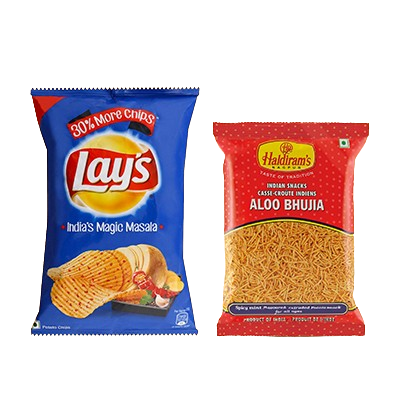
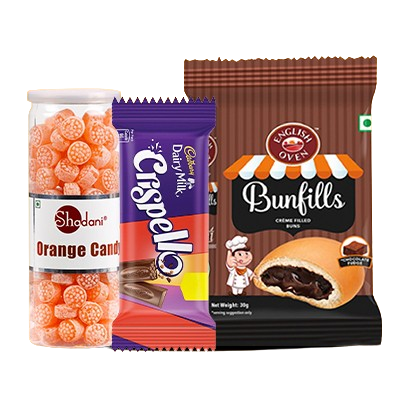
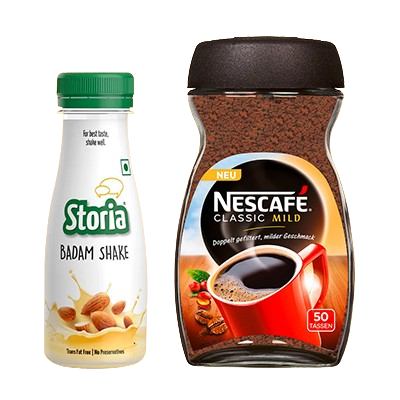
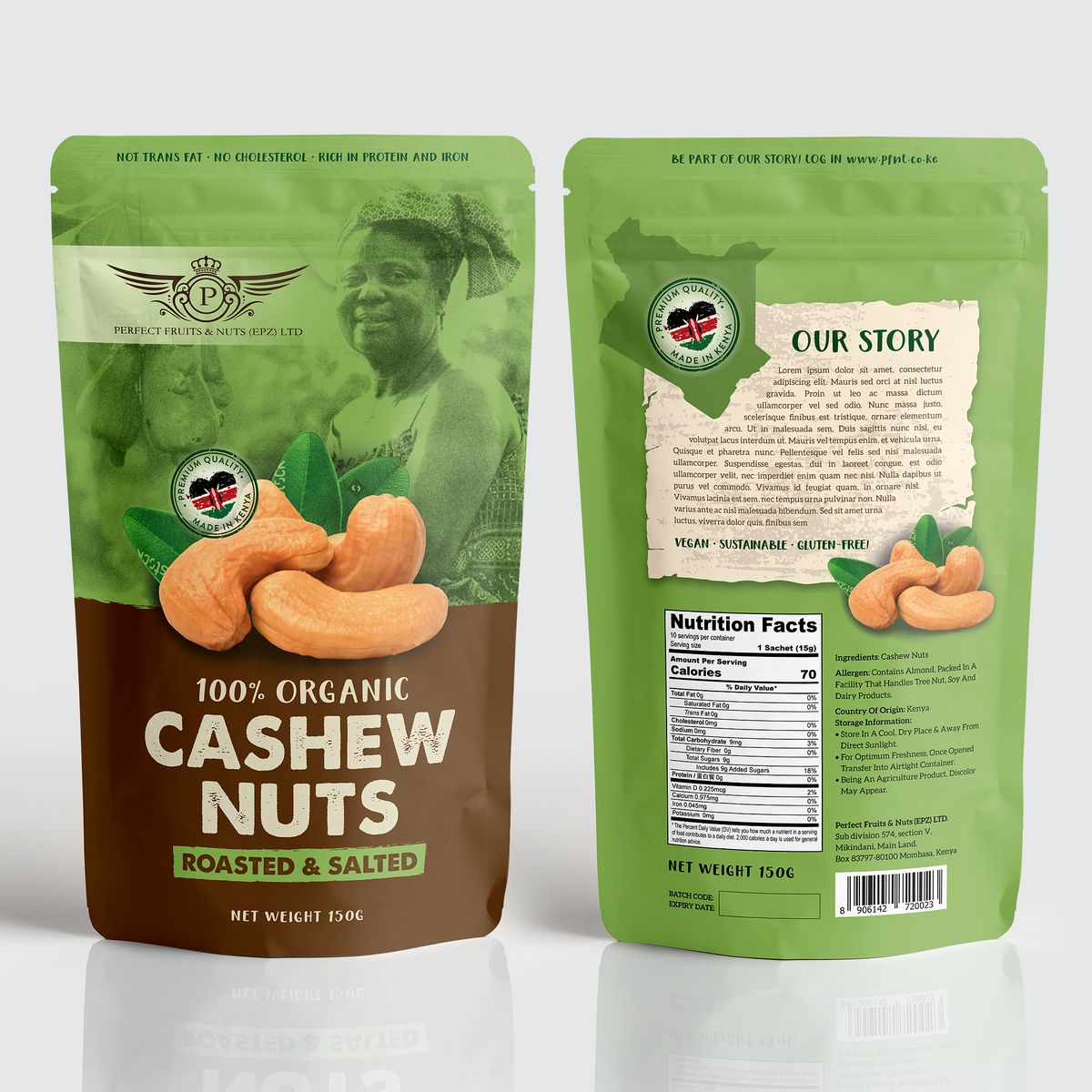
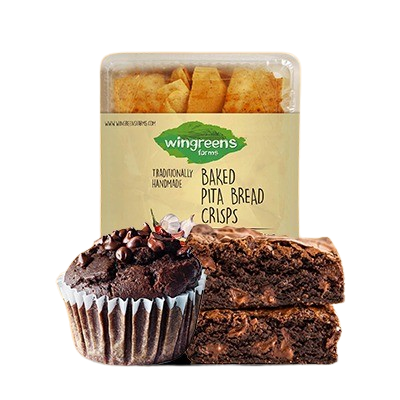

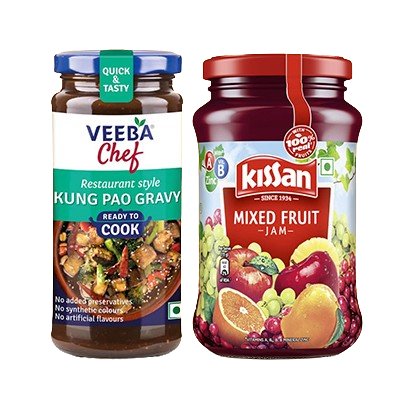
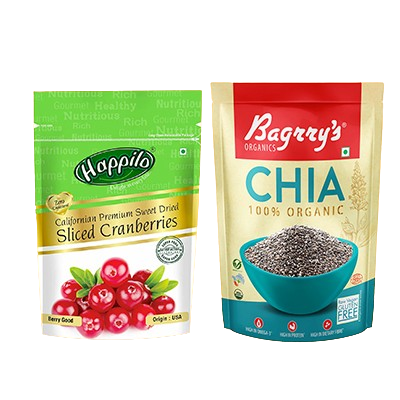


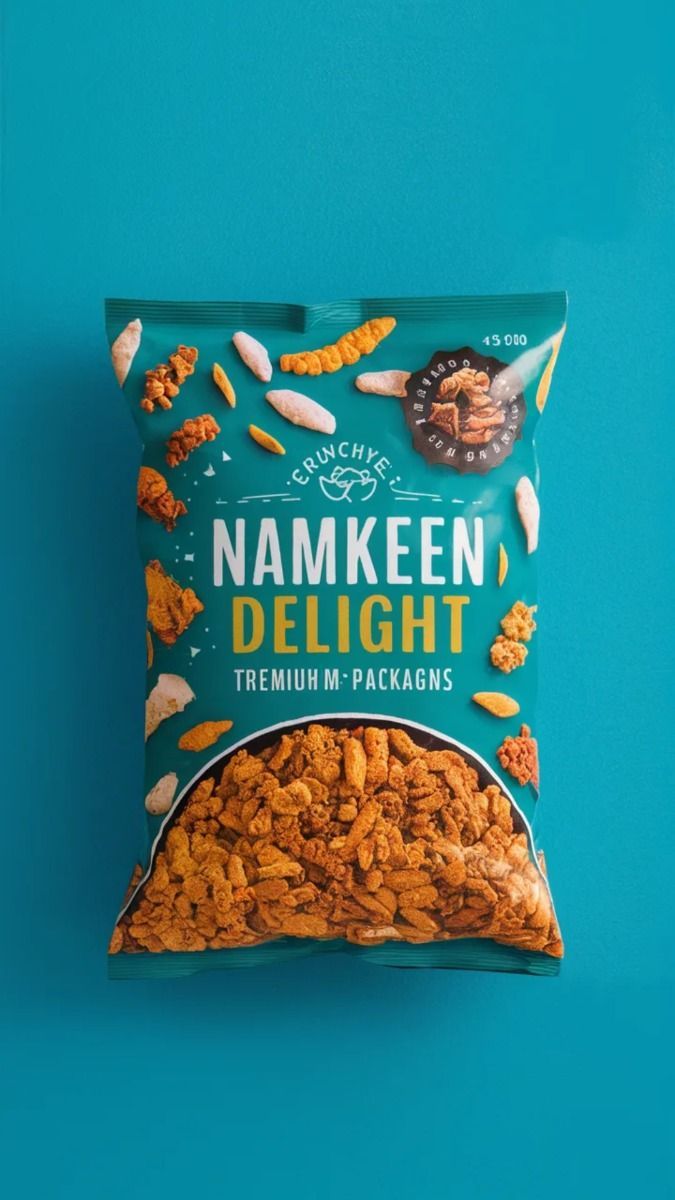
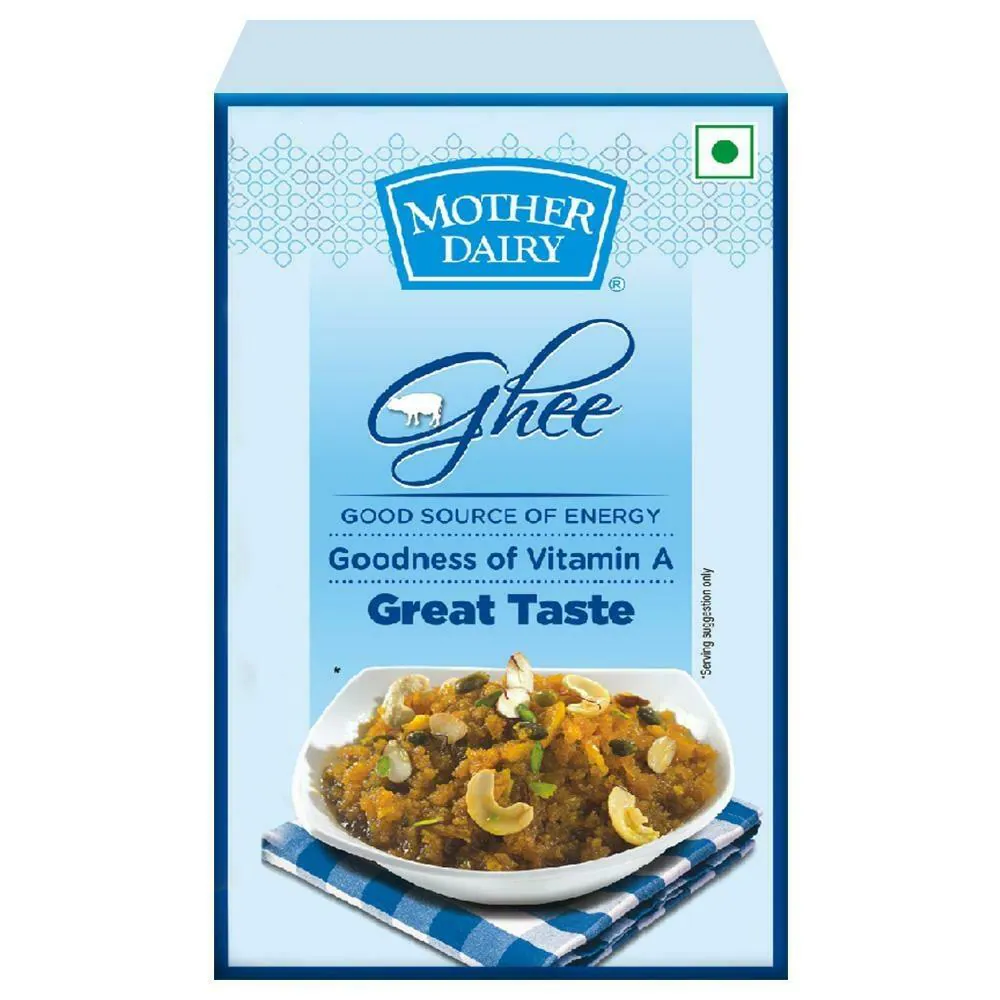
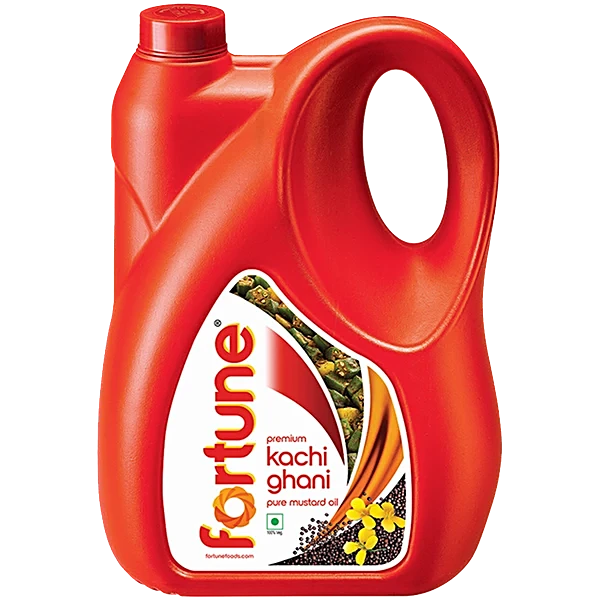
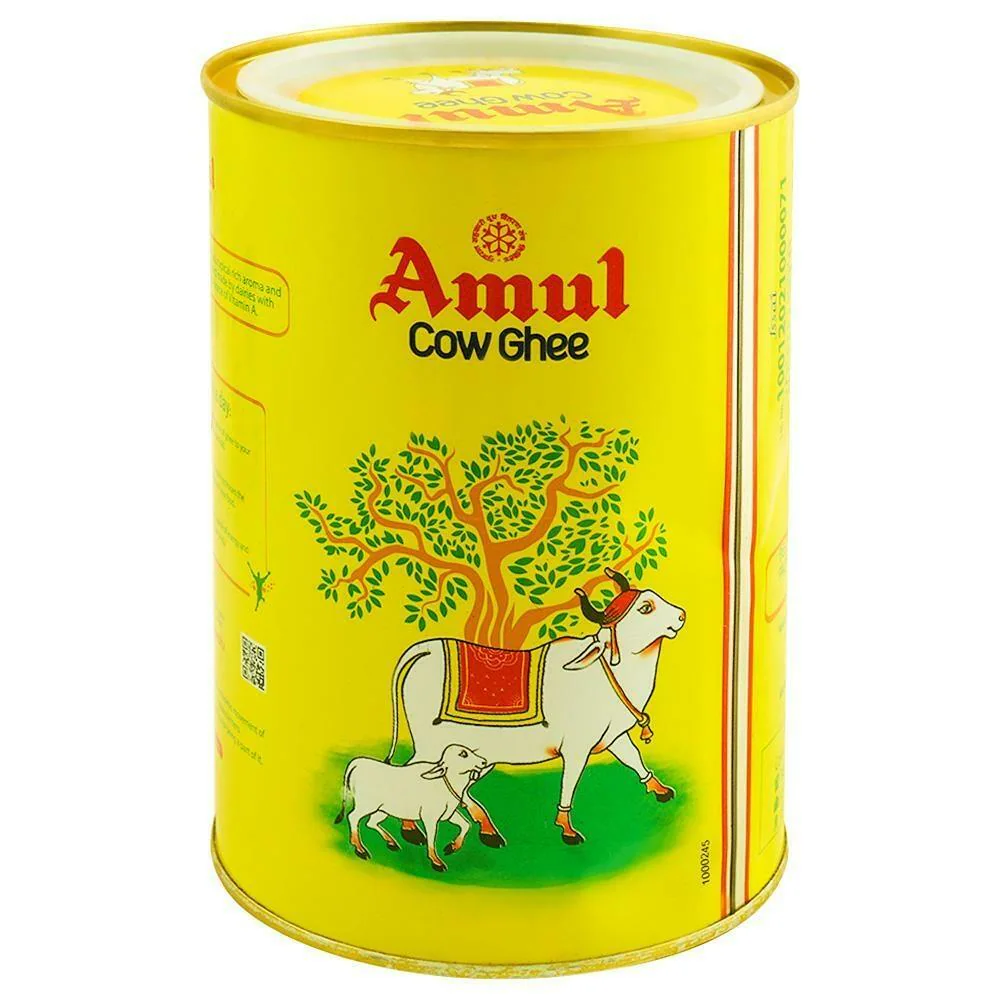

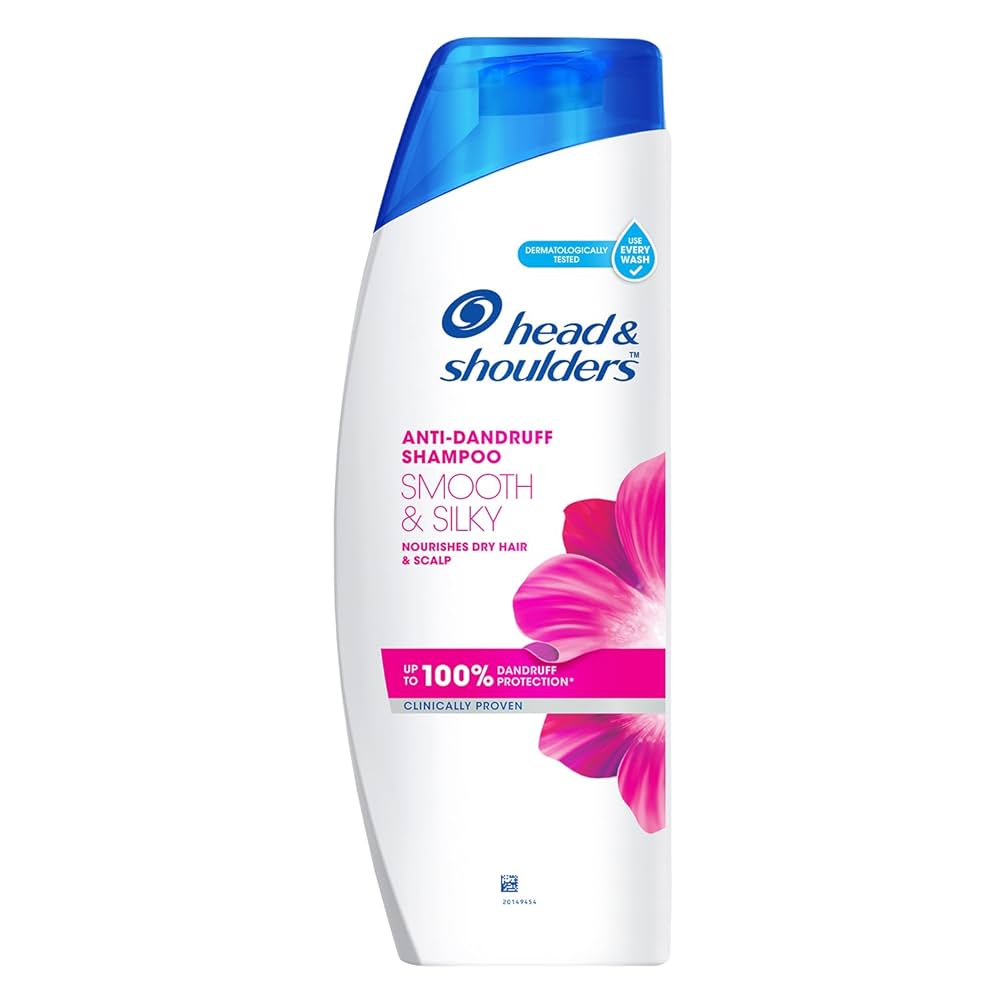
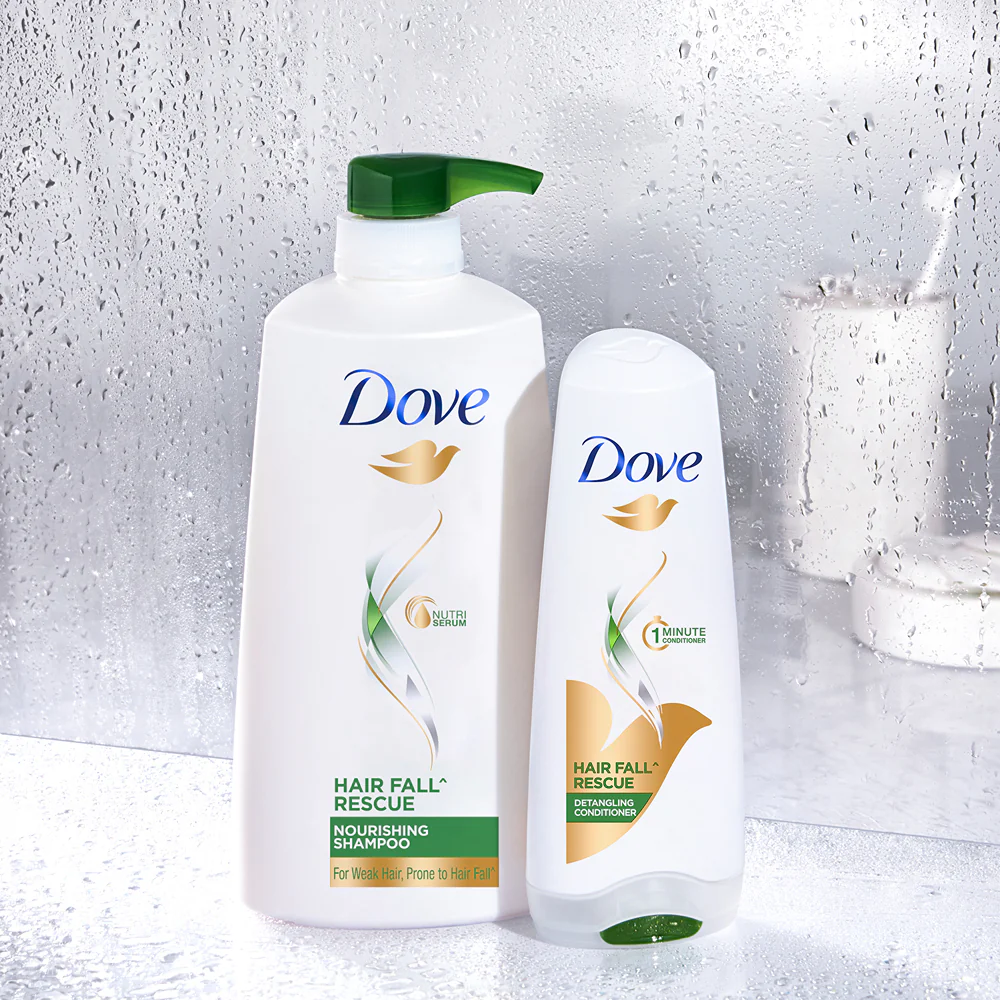

Wide Product Range
Daily-need items under one roof!

Affordable Pricing
Value-conscious pricing strategy!

POS-Enabled Billing System
Modern point-of-sale technology!

Customer Relationship Management (CRM)
Building lasting customer relationships!

Uniform Branding & Store Design
Consistent professional identity!
Localized Product Flexibility
Adapted to local preferences!