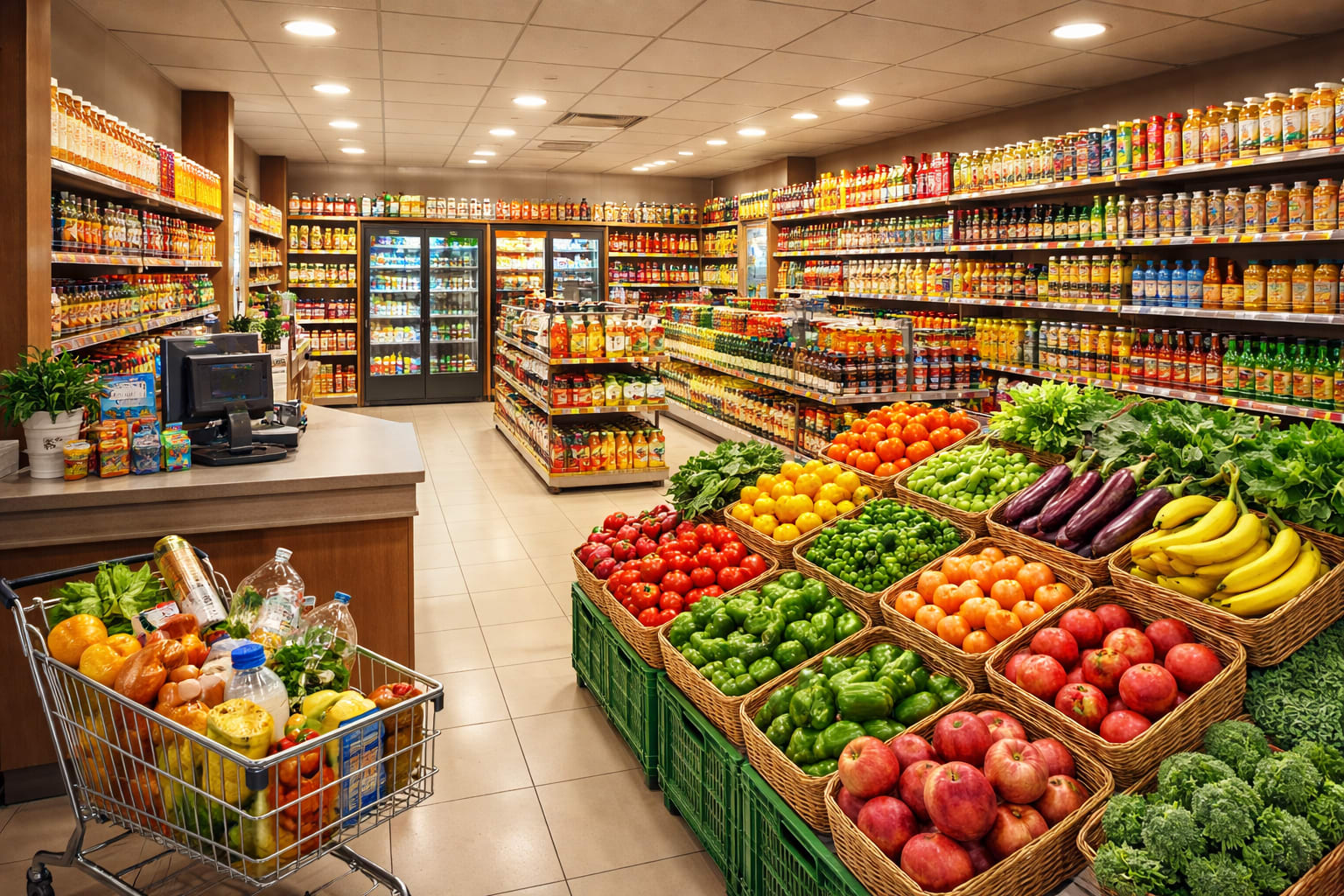
Grocery Store Franchise Cost in Gorakhpur
Grocery Store Franchise Cost in Gorakhpur
Why Cost Clarity Comes First
- Before choosing any franchise, the first question most investors ask is simple: how much will it really cost? A clear picture of the grocery store franchise cost in Gorakhpur helps you plan your budget, avoid surprises, and decide which store format fits your capital.
- The Buyzaar Mart offers Mini Mart, Super Mart, and Hyper Mart formats, with entry investment starting from ₹15 Lakh. The final amount depends on the size of the store, the location, and the condition of the premises.
- This guide explains each cost component, shows an illustrative calculation for a larger store, lists the monthly costs that come after launch, and gives you questions to ask so that you receive an accurate written quote.
Quick Answer: Grocery Store Franchise Cost at a Glance
- Mini Mart (600–1,000 sq. ft.): Approximately ₹15 Lakh to ₹22 Lakh, depending on exact size, location, and fit-out condition.
- Super Mart (1,000–3,000 sq. ft.): Higher than a Mini Mart and dependent on area. Ask the franchise team for a site-specific estimate.
- Hyper Mart (3,000 sq. ft. and above): The company indicates around ₹1,200 per sq. ft. for interiors and ₹1,700 per sq. ft. for opening stock, plus a ₹3,00,000 franchise fee.
- Minimum space: A minimum carpet area of 600 sq. ft. is required for any Buyzaar Mart store, and the property can be owned or rented.
- Important: Figures on different websites and listings can vary slightly, so always confirm the current numbers in writing before you commit.
Cost Components Explained
Interior Setup and Store Assets
- This covers layout planning, racks, shelving, display units, lighting, flooring, signage, branding elements, and store furniture.
- A third-party franchise listing mentions furniture, fixtures, electronic hardware, and racks in the range of ₹5–6 Lakh for a standard unit. Treat this as indicative and verify it with the team.
- Interior cost rises with store size, so a larger format will spend more on racks, lighting, and fit-out.
POS and Technology Setup
- Billing, sales tracking, and inventory control systems are deployed as part of the franchise set-up.
- The homepage investment calculator also refers to a software fee, so ask what is included, whether it is a one-time or recurring charge, and what support comes with it.
Opening Stock
- Initial inventory is based on your format and local catchment demand. This is often the largest single item for bigger stores.
- Opening stock is working capital, not a sunk cost, because it converts back into cash as products sell. That is why careful stock planning matters.
Franchise Fee
- A one-time fee covers licensed use of the brand identity, trademarks, logos, and business systems.
- The company page for Hyper Mart mentions ₹3,00,000, while a third-party listing mentions a brand fee of about ₹2.5 Lakh for a single unit. Ask which figure applies to your chosen format.
Security Deposit and Pre-Launch Expenses
- The investment calculator mentions a security deposit, so confirm its amount, purpose, and refund terms in the agreement.
- Pre-launch expenses include local marketing, store opening activities, and neighbourhood customer acquisition efforts.
Cost by Format: What to Expect
Mini Mart
- Best for compact residential areas and neighbourhood markets, and priced at roughly ₹15–22 Lakh depending on size and site.
- Suits first-time investors, salaried professionals, and kirana owners who want a controlled start.
Super Mart
- Offers broader assortment and more SKUs per category, so both interior and stock costs rise compared with a Mini Mart.
- Suits market areas and mixed-use zones where customers expect more choice.
Hyper Mart
- Designed as a one-stop supermarket for high-footfall locations, with a wide range including bakery, fresh produce, frozen foods, stationery, and pet care.
- Requires the highest budget, and the cost scales with area, so a detailed written estimate is essential.
Ongoing Monthly Costs After Launch
- Rent: Usually the biggest fixed cost, so negotiate the lease duration, escalation, and deposit carefully.
- Staff-related costs: Plan for salaries and incentives as applicable under your model.
- Electricity: Cooling for dairy and frozen items and lighting can add up, especially in larger formats.
- Restocking: Weekly and monthly replenishment is the main cash outflow after the first stock is sold.
- Local marketing and consumables: Carry bags, printing, offers, and neighbourhood promotions need a small monthly budget.
- Accounting and compliance: Set aside money for bookkeeping, GST filing, and licence renewals.
Working Capital: The Cost Many Investors Forget
- Most new stores need time to build regular customers, so keep a cash reserve that covers rent, salaries, and restocking for the early months.
- Do not spend your entire budget on interiors and stock. Leave a buffer so that a slow month does not force you to compromise on stock availability.
- Track daily sales through POS and adjust ordering quickly, because over-ordering slow products ties up cash.
Cost Under FOCM and FOCO Models
- FOCM (Franchise Owned, Company Managed): You fund the set-up and own the store, while the company manages staff, inventory, billing, marketing, and audits under a five-year agreement.
- FOCO (Franchise Owned, Company Operated): You provide capital and premises, and the company manages staff salaries, electricity, and operations, with a stated return of about 10% revenue sharing on monthly sales.
- Cost responsibilities differ between the two models, so ask for a written list of who pays for what before you decide.
Returns: Margin and Payback in Simple Terms
- The company states an expected margin of 18% to 20% on sales, depending on location, footfall, and monthly sales volume. This is an estimate, not a guarantee.
- Third-party franchise listings mention an indicative payback period of 18 to 24 months. Actual payback depends on rent, sales, and wastage.
- Work out your own break-even point by adding monthly rent, staff, electricity, and other costs, then comparing them with realistic daily sales for your catchment.
- Compare conservative and optimistic sales scenarios, so you know how the business behaves if sales start slowly.
How to Manage and Reduce Costs Wisely
- Choose the format that matches your budget instead of stretching for a larger store, since a well-run Mini Mart can be better than an under-funded Super Mart.
- Look for premises that need minimal civil work, because a good existing shell can reduce fit-out expenses.
- Negotiate the lease with a longer tenure, clear escalation, and a reasonable deposit.
- Follow the company's opening stock recommendation and use the take-back policy for expired or damaged goods to limit dead stock.
- Avoid unnecessary decoration, and spend on visibility, lighting, and shelf availability instead.
Location and Rent Considerations in Gorakhpur
- Dense residential colonies around areas such as Rapti Nagar, Betiahata, Shahpur, and Taramandal suit smaller formats and may offer steady household demand.
- Busy market roads like Golghar, Asuran Chowk, and Pipraich Road offer visibility but may carry higher rent, so compare footfall against cost.
- Hospital and campus belts near AIIMS and Medical College Road can add non-resident footfall for snacks, water, and hygiene items.
- Rent levels change by lane and locality, so collect actual quotes for several shops before you finalise one.
Franchise Cost vs Starting an Independent Store
- An independent store has no franchise fee, but you must pay separately for branding, technology, training, and supplier relationships.
- A franchise bundles design, POS, training, and supply support, which can reduce set-up mistakes and learning costs.
- The take-back policy and central procurement can lower stock risk compared with buying from many distributors.
- An independent owner enjoys more freedom, while a franchise partner follows brand standards in exchange for support.
Questions to Ask About Costs Before Signing
- What is the total one-time investment for my site and format, and what is excluded?
- Are the software fee and security deposit separate, and are they refundable?
- Which franchise fee applies to my format, and when is it payable?
- Who bears rent, staff, electricity, and marketing costs under my chosen model?
- What are the term, renewal, and exit conditions, and what happens to my investment at exit?
Frequently Asked Questions
What is the starting cost of a grocery store franchise in Gorakhpur?
A Buyzaar Mart Mini Mart starts from about ₹15 Lakh and generally goes up to ₹22 Lakh.
Is there a franchise fee?
Yes, a one-time fee applies. Confirm the exact amount for your format.
Does the cost include stock and POS?
The investment covers interiors, POS, opening stock, the franchise fee, and pre-launch expenses.
What are the monthly costs?
Rent, staff costs, electricity, restocking, and small marketing and compliance expenses.
What margin can I expect?
The company states 18%–20% on sales, which is not guaranteed.
How long is the payback period?
Third-party listings mention 18–24 months, depending on sales and costs.
How do I get a written quote?
Submit the form at www.thebuyzaarmart.com or call 9217991727.
Get a Grocery Franchise Cost Estimate for Gorakhpur
- Get a site-specific estimate based on your available commercial space, preferred Mini Mart, Super Mart, or Hyper Mart format, and local catchment.
- Ask for a clear breakdown of interiors, POS technology, opening stock, franchise fee, deposits, marketing, and ongoing cost responsibilities.
- Mini Mart investment begins from approximately ₹15 Lakh, subject to the final site, format, and store set-up requirements.
Email: info@thebuyzaarmart.com
Phone / WhatsApp: 9217991727
Business Hours: Monday to Saturday, 09:00 AM – 07:00 PM

Store Features & Services
Discover our comprehensive range of services designed to provide the best shopping experience for urban and semi-urban households
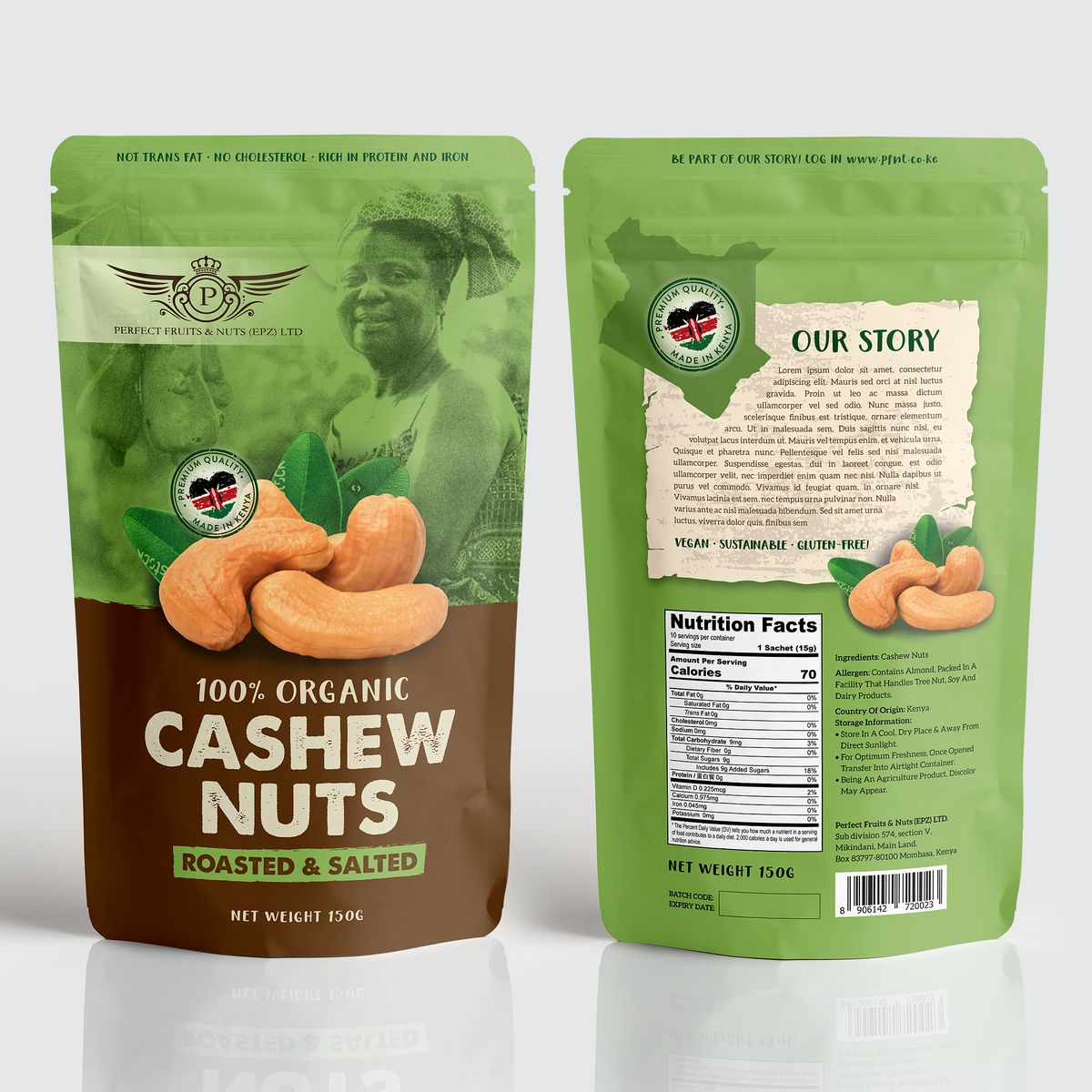
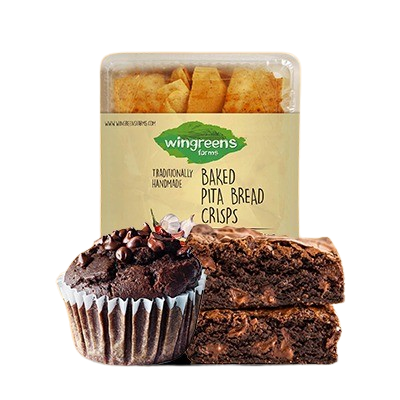

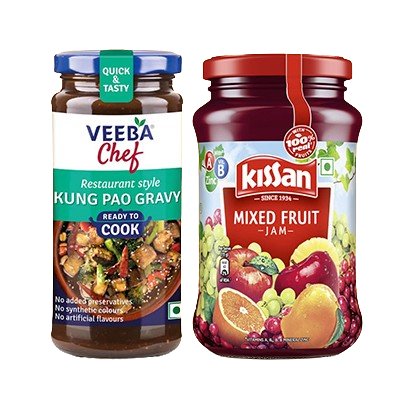
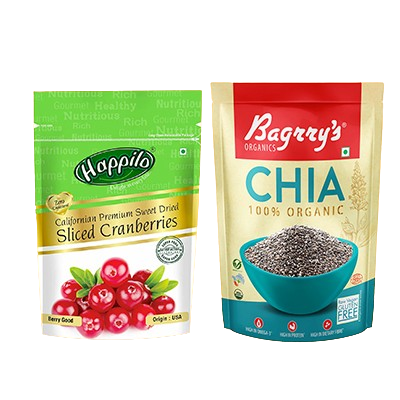



Wide Product Range
Daily-need items under one roof!

Affordable Pricing
Value-conscious pricing strategy!

POS-Enabled Billing System
Modern point-of-sale technology!

Customer Relationship Management (CRM)
Building lasting customer relationships!

Uniform Branding & Store Design
Consistent professional identity!
Localized Product Flexibility
Adapted to local preferences!