Mart Franchise Cost in Gorakhpur
Mart Franchise Cost in Gorakhpur
Understanding Mart Franchise Cost
- The cost of a mart franchise in Gorakhpur is not a single number. It changes with the format you pick, the size of your shop, the condition of the premises, and the ownership model you choose, so a format-wise comparison is the best way to plan.
- The Buyzaar Mart offers three mart formats, Mini Mart, Super Mart, and Hyper Mart, with the entry investment starting from ₹15 Lakh. Each format serves a different kind of location and a different level of investment.
- This guide compares the three formats, explains what pushes the cost up or down, shows who pays for what under each model, and gives you a simple way to compare franchise quotes fairly.
Mart Franchise Cost Summary by Format
- Mini Mart (600–1,000 sq. ft.): Approximately ₹15 Lakh to ₹22 Lakh, depending on exact size, location, and fit-out condition of the premises.
- Super Mart (1,000–3,000 sq. ft.): A mid-size budget that depends on area and assortment. The company confirms the figure after reviewing your site.
- Hyper Mart (3,000 sq. ft. and above): The company indicates about ₹1,200 per sq. ft. for interiors and ₹1,700 per sq. ft. for opening stock, plus a ₹3,00,000 franchise fee.
- Minimum space: Every Buyzaar Mart store needs at least 600 sq. ft. of carpet area, and the property can be owned or rented.
- Reminder: Numbers differ slightly across web pages and listings, so confirm current figures in writing before committing.
Mini Mart Cost: Entry-Level Investment
What Shapes the ₹15–22 Lakh Range
- A smaller shop in a basic condition usually sits toward the lower end, while a larger shop that needs more fit-out work moves toward the higher end.
- Location matters too, because a prime market frontage may need stronger visibility, signage, and stock depth than a quiet residential lane.
What the Investment Typically Covers
- Interior set-up, racks, shelving, display units, lighting, flooring, signage, and branding.
- POS technology for billing, sales tracking, and inventory control.
- Opening stock matched to the format and local demand.
- A one-time franchise fee and pre-launch marketing activities.
Who Should Choose a Mini Mart
- First-time owners, salaried professionals, and kirana owners who want a controlled start with a smaller capital commitment.
- Investors targeting dense residential colonies where customers shop little and often.
Super Mart Cost: Planning a Mid-Size Budget
- A Super Mart carries more SKUs per category than a Mini Mart, so both the interior and the opening stock requirement rise with the larger floor area.
- It suits market areas and mixed-use zones where customers expect broader choice and bigger baskets, which can support higher sales if the location has strong footfall.
- Ask for a written estimate based on your exact area, because the cost can vary meaningfully between a 1,000 sq. ft. and a 3,000 sq. ft. store.
Hyper Mart Cost: How It Scales with Area
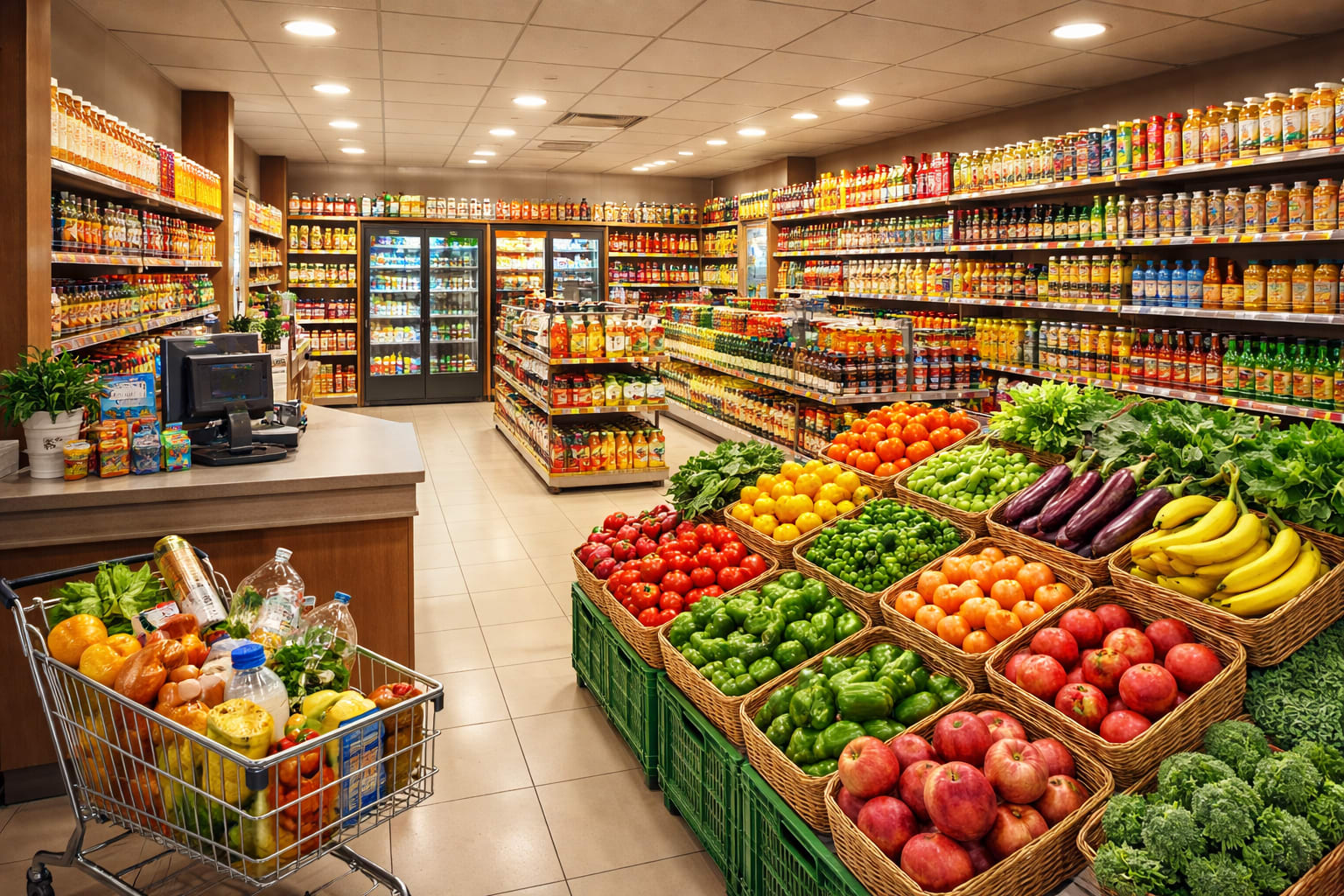
- The Hyper Mart is a one-stop supermarket for high-footfall locations, with bakery, fresh produce, frozen foods, beverages, stationery, toys, pet care, and household items.
- Using the indicated rates, interiors and opening stock together come to roughly ₹2,900 per sq. ft., before the franchise fee, rent deposit, and working capital. This is a rough guide, not a quote.
- Because cost grows with every extra square foot, a Hyper Mart needs a much larger budget and a stronger catchment to justify it.
- Do not apply Hyper Mart per sq. ft. rates to a Mini Mart, since Mini Mart investment is quoted as a separate range.
Cost Drivers That Move Your Number
- Store size: More area means more racks, lighting, flooring, and stock.
- Premises condition: A ready shell reduces fit-out work, while a bare or damaged shop adds cost.
- Location and rent deposit: Prime market roads may require a higher deposit and rent than interior lanes.
- Stock depth: A wider assortment, more fresh produce, or frozen items increase opening stock and cooling needs.
- Format choice: Moving from Mini to Super to Hyper changes almost every cost line.
- Ownership model: Whether you choose FOCM or FOCO changes who bears certain running costs.
Who Pays for What: FOCM vs FOCO
- FOCM (Franchise Owned, Company Managed): You fund the set-up and own the store, while the company manages staff, inventory, billing, marketing, and audits under a five-year agreement.
- FOCO (Franchise Owned, Company Operated): You provide capital and premises, and the company manages staff salaries, electricity, and operations, with a stated return of about 10% revenue sharing on monthly sales.
- Cost responsibilities for rent, salaries, and electricity can differ between the two models, so request a written list showing who pays for each item.
Budget Bands: Which Mart Fits Your Capital
- Around ₹15–22 Lakh: A Mini Mart is the natural fit and keeps risk contained while you learn the business.
- A larger budget with a 1,000–3,000 sq. ft. shop: A Super Mart can be considered, provided the location supports bigger baskets.
- A substantial budget with a high-visibility site of 3,000 sq. ft. or more: A Hyper Mart becomes possible, but it needs strong footfall and careful working capital planning.
- Below the entry investment: Wait until you can fund the store properly rather than cutting stock or fit-out, which can hurt sales.
- Property owner with limited time: Compare FOCO, where the company handles daily operations.
Matching Spend to Catchment
- Match the format to the number of households within walking distance, because a store larger than the catchment can support will carry unsold stock.
- A dense colony usually rewards a Mini Mart with sharp daily-need ranges, while a busy market road may justify a larger assortment.
- Hospital and campus belts add non-resident shoppers, so confirm footfall at different times of day before you finalise the format.
- The company's site survey can help check population density, purchasing capacity, and local demand.
Costs Investors Often Overlook
- Security deposit and its refund terms in the franchise agreement.
- Software fee, if applicable, and what support it includes.
- Rent deposit and lease registration costs for the shop.
- Electricity and cooling for dairy and frozen items, especially in larger formats.
- Licences, accounting, and GST compliance expenses.
- Working capital to cover rent, salaries, and restocking in the early months.
Return Expectations and Break-Even Thinking
- The company states an expected margin of 18% to 20% on sales, depending on location, footfall, and monthly sales volume. This is an estimate, not a guarantee.
- Third-party listings mention an indicative payback period of 18 to 24 months, which varies with rent, sales, and wastage.
- To find your break-even, add monthly rent, staff, electricity, and other costs, then compare that total with realistic monthly sales for your catchment.
- Prepare a cautious and an optimistic scenario, so you know how the store performs if sales start slowly.
- Higher investment does not automatically mean higher returns, because a bigger store also carries bigger costs.
Gorakhpur Factors That Affect Cost
- Rent differs between residential lanes, market roads, and highway-facing sites, so gather real quotes for several shops before choosing one.
- Competition from kirana stores and other chains can influence the stock range and promotion budget you need.
- Better connectivity through the Gorakhpur Link Expressway and industrial growth around GIDA can help supply movement and household spending over time.
- AIIMS Gorakhpur and the city's colleges add demand from visitors and students, which can influence the format and location you choose.
How to Compare Mart Franchise Quotes Fairly
- Ask each franchise for the total one-time investment and a list of exclusions in writing.
- Check whether interiors, POS, opening stock, the franchise fee, and the deposit are all included.
- Compare recurring support, such as training, supply chain, and marketing, and not only the upfront price.
- Review the term, renewal, and exit conditions, since a cheaper franchise with weak terms may cost more later.
- Take advice from an accountant or legal professional before signing.
Frequently Asked Questions
What is the starting cost of a Mini Mart in Gorakhpur?
It starts from about ₹15 Lakh and generally goes up to ₹22 Lakh, depending on size and location.
Which mart format costs the most?
The Hyper Mart, because its cost scales with area and stock.
Is there a franchise fee?
Yes, a one-time fee applies. Confirm the exact amount for your format.
Does FOCO cost less than FOCM?
Cost responsibilities differ, so ask for a written breakdown of who pays what.
What margin does the company expect?
It states 18%–20% on sales, which is not guaranteed.
How long is the payback period?
Third-party listings mention 18–24 months, depending on sales and costs.
How do I get an exact quote?
Submit the form at www.thebuyzaarmart.com or call 9217991727.
Get Your Mart Franchise Cost Estimate in Gorakhpur
- Compare Mini Mart, Super Mart, and Hyper Mart formats based on your capital, shop area, target customer catchment, and desired level of involvement.
- Request a written breakdown covering interiors, POS, technology, opening stock, franchise fees, deposits, pre-launch marketing, and ongoing cost responsibilities.
- Mini Mart investment begins from approximately ₹15 Lakh, subject to final site assessment, area, and store set-up requirements.
Email: info@thebuyzaarmart.com
Phone / WhatsApp: 9217991727
Business Hours: Monday to Saturday, 09:00 AM – 07:00 PM

Store Features & Services
Discover our comprehensive range of services designed to provide the best shopping experience for urban and semi-urban households
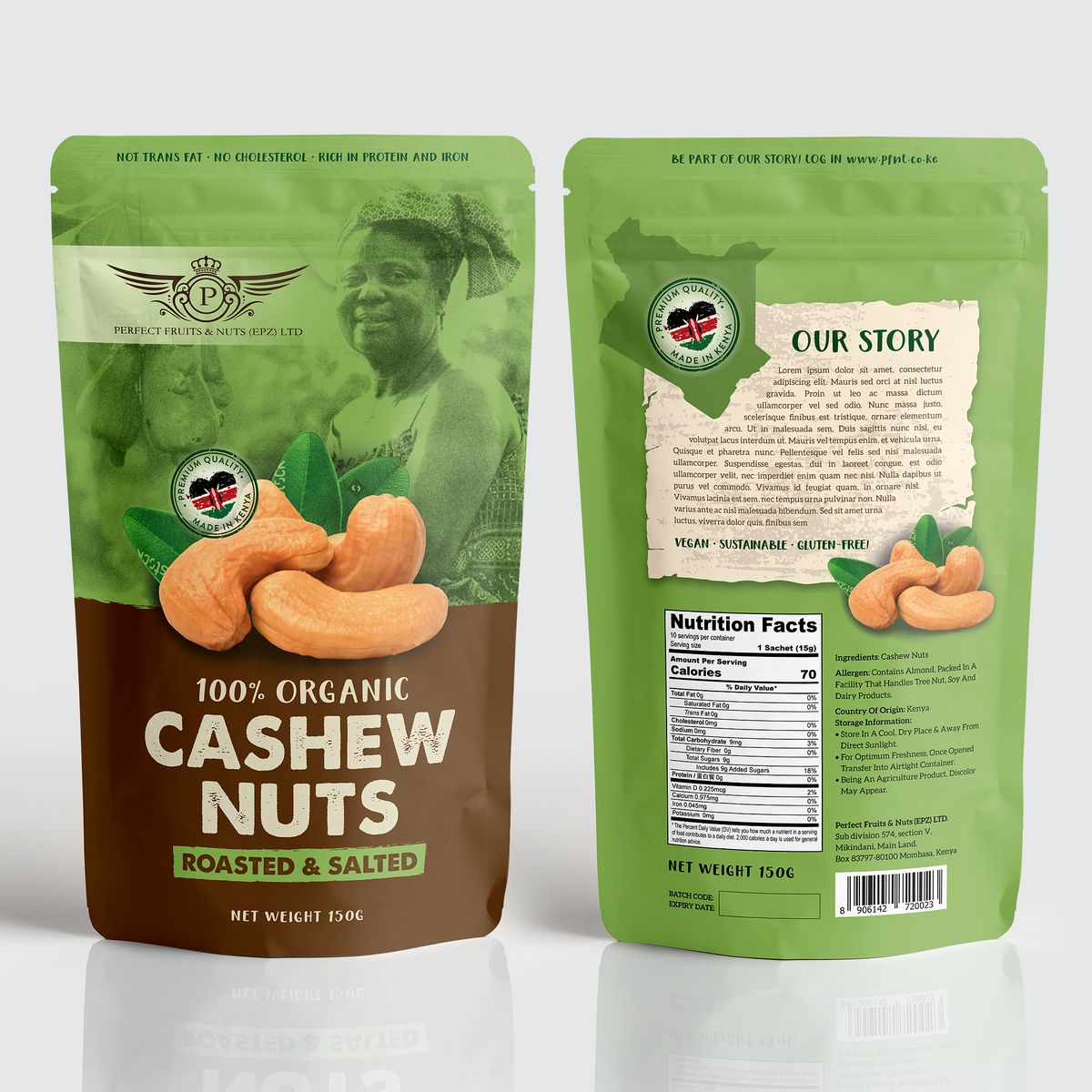
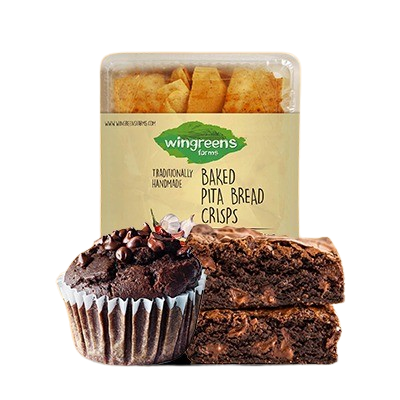

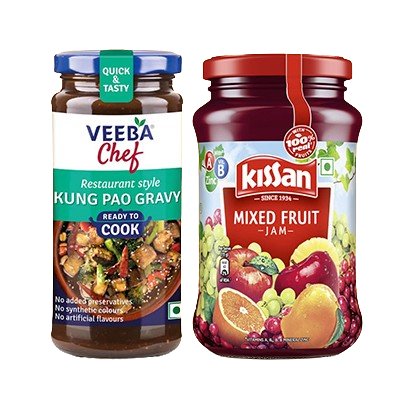
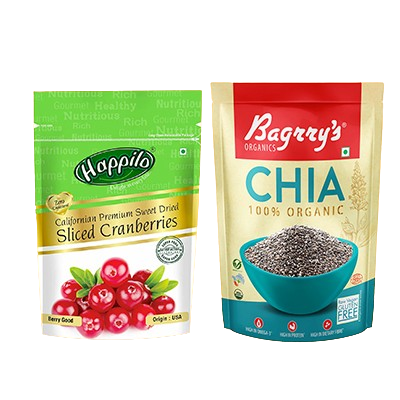




Wide Product Range
Daily-need items under one roof!

Affordable Pricing
Value-conscious pricing strategy!

POS-Enabled Billing System
Modern point-of-sale technology!

Customer Relationship Management (CRM)
Building lasting customer relationships!

Uniform Branding & Store Design
Consistent professional identity!
Localized Product Flexibility
Adapted to local preferences!