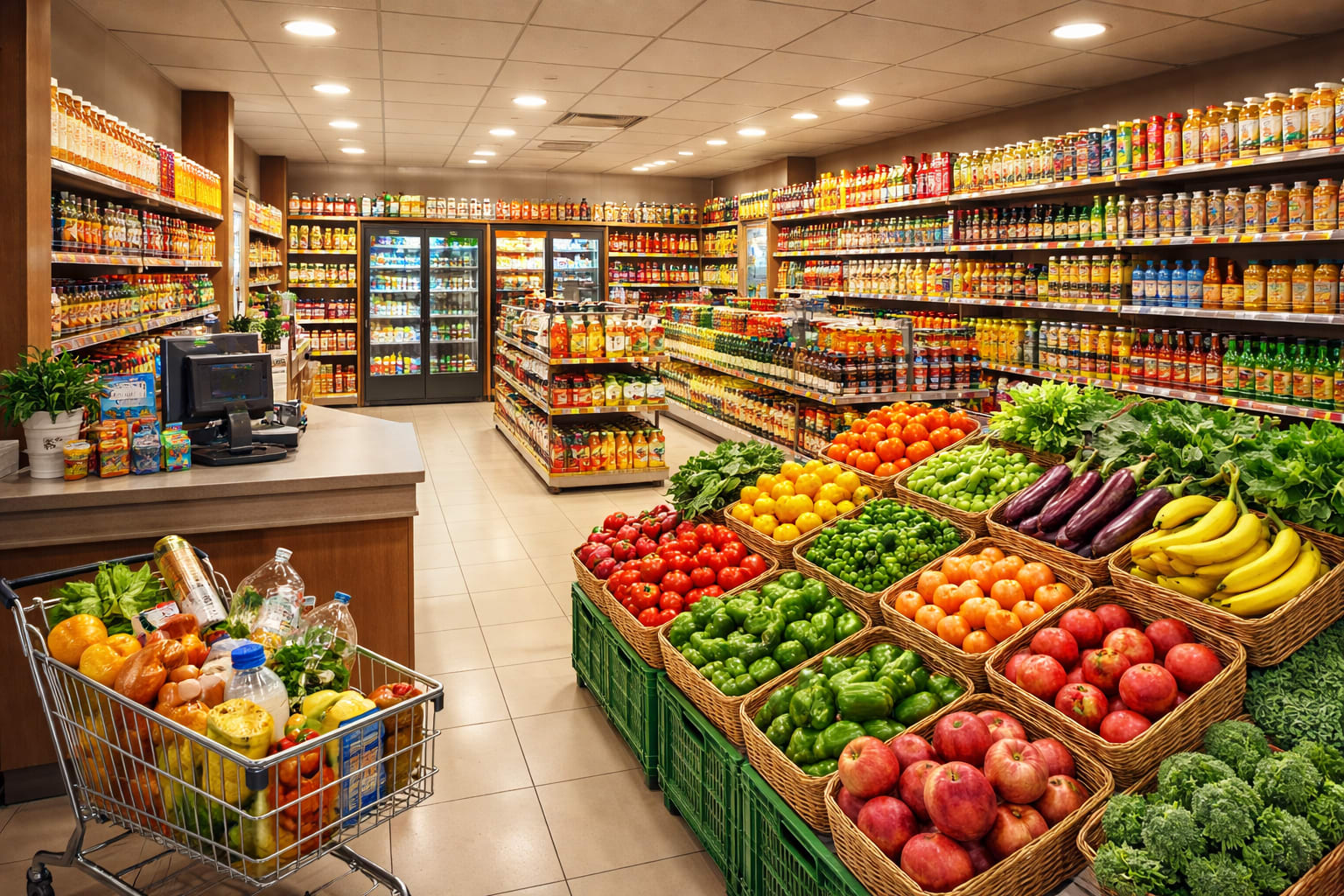
FMCG Franchise Opportunity Gurugram
FMCG Franchise Opportunity in Gurugram: Why The Buyzaar Mart Is Worth Considering
- The FMCG (Fast-Moving Consumer Goods) sector remains one of the largest and most stable segments of India's retail economy, covering everything from packaged foods and beverages to personal care and household products.
- Because FMCG products are purchased frequently and repeatedly by nearly every household, franchise opportunities built around this category tend to offer more predictable, recurring demand than trend-driven retail formats.
- Gurugram, with its large working population, dense residential societies, and consistently high household spending, is one of the strongest markets in North India for an FMCG-focused retail franchise.
- The Buyzaar Mart offers exactly this kind of opportunity — a branded, structured retail format built around FMCG and daily-needs products, giving entrepreneurs a practical way to enter this resilient category.
About the FMCG Franchise Opportunity?
- An FMCG franchise is a retail business that sells fast-moving consumer goods — packaged foods, beverages, personal care items, household products, and similar high-frequency purchases — under an established brand's name and systems.
- Unlike franchises built around a single product category, an FMCG retail store typically carries a broad assortment spanning multiple product types, all unified by frequent repeat purchase behaviour.
- This format benefits from the inherent strength of FMCG as a category: products that customers need regularly, regardless of economic conditions or seasonal trends.
- The Buyzaar Mart's retail format is built specifically around this principle, combining a curated FMCG and daily-needs product range with a tested, branded store system.
Why FMCG Retail Is a Strong Category for Franchise Investment
- High purchase frequency: FMCG products are bought weekly or even more often, generating consistent, repeat footfall rather than occasional visits.
- Low economic sensitivity: Essentials like groceries, dairy, and personal care items remain in steady demand even during periods of broader economic caution.
- Broad customer base: Every household in a store's catchment area is a potential customer, regardless of income level or lifestyle.
- Resilience against e-commerce disruption: Despite the growth of quick-commerce apps, physical neighbourhood stores continue to dominate daily FMCG purchases, especially for perishables and immediate-need items.
- Scalable demand: As residential areas expand and populations grow, FMCG demand naturally grows alongside them, supporting long-term business stability.
Why Gurugram Is an Ideal Market for an FMCG Franchise
- Large, consistently earning population: Corporate professionals in Cyber City, IT employees in Udyog Vihar, and business owners across Golf Course Road all purchase FMCG essentials every week without fail.
- Dense residential communities: Families across DLF Phase communities, Palam Vihar, Sushant Lok, and South City represent a broad, stable customer base for a well-placed FMCG store.
- Underserved inner pockets: Localities like South City 1 and 2 have significant family populations but limited organised retail presence, offering a genuine first-mover opportunity.
- Established, dense sectors: Sectors such as 56, 57, and 58 combine steady daily demand with relatively lower commercial rents than newer development corridors, supporting faster investment recovery.
- Expanding residential corridors: Fast-growing areas along Dwarka Expressway and Southern Peripheral Road represent an increasing customer base for new stores.
- Rising preference for organised retail: Gurugram's urban, quality-conscious population increasingly prefers branded, professionally managed FMCG stores over informal kirana shops.
Why Choose The Buyzaar Mart for an FMCG Franchise Opportunity
- Established brand identity: The Buyzaar Mart name, branding, and FSSAI licensing are available from the moment a store opens, removing the need to build recognition from zero.
- FSSAI Licensed: All food, packaged, and dairy products meet national food safety standards, an essential trust signal for FMCG shoppers.
- GST Registered: Transparent, compliant billing that reflects a professionally run retail operation.
- MSME Certified: Recognition from the Ministry of MSME, Government of India, adding institutional credibility over unregistered local competitors.
- Tested operating system: Store layouts, product assortments, and daily workflows have been refined across the brand's existing franchise network, reducing the guesswork of starting independently.
- POS-enabled billing: Fast, accurate, and transparent checkout that builds shopper confidence on every visit.
- Structured supply chain: Franchise partners benefit from established sourcing relationships instead of negotiating individually with FMCG suppliers.
The FOCM Model: Ownership Without the Daily Operational Load
- The most important question for any franchise investor is: who is actually responsible for running the store day to day?
- In many franchise systems, that responsibility falls entirely on the investor — managing staffing, inventory, supplier coordination, billing, and marketing personally.
- For a Gurugram investor balancing a job or other business interests, this creates a direct conflict between owning a franchise and having the time to run it well.
- The Buyzaar Mart's FOCM model — Franchise Owned, Company Managed — is designed to resolve exactly this conflict.
- You own the business: The investment and franchise rights belong to you under a formal, multi-year agreement, building a retail asset in your portfolio.
- The brand manages daily operations: Staffing, inventory management, billing systems, marketing, and audits are handled by The Buyzaar Mart's operations team.
- This structure particularly suits working professionals, first-time entrepreneurs, and investors who want ownership of an FMCG retail business without needing to be present in the store every day.
What an FMCG Franchise Store Typically Stocks
- Packaged snacks, beverages, and ready-to-eat products.
- Groceries and staple food items for everyday cooking needs.
- Dairy products such as milk, curd, butter, and paneer.
- Household cleaning and laundry essentials.
- Personal care and hygiene products.
- Baby care and mother care items.
- Basic health and wellness products.
- Kitchen essentials, general merchandise, and stationery.
- Localised product flexibility allows each store to slightly adjust its assortment based on the specific preferences of its neighbourhood, while maintaining overall brand standards.
FMCG Franchise vs. Traditional Kirana Store
- Billing transparency: An FMCG franchise store uses POS-based billing for accurate, itemised transactions, while many kirana stores still rely on informal, manual billing.
- Stock consistency: Franchise stores benefit from a structured supply chain, reducing the frequent stock-outs common in independent shops.
- Store hygiene and layout: Organised retail formats typically maintain cleaner, better-lit, and more systematically arranged store environments.
- Brand accountability: Customers associate a recognised brand with consistent quality, unlike an unbranded store that must build trust from scratch.
- Verifiable certifications: FSSAI, GST, and MSME registration offer a level of assurance that is often absent in informal retail setups.
- This combination of factors explains why Gurugram's increasingly quality-conscious shoppers are steadily shifting a share of their FMCG purchases toward branded, organised stores.
The Role of Store Location in an FMCG Business
- Residential society ground floors: Maximum convenience for daily shoppers, encouraging frequent repeat visits.
- Colony-facing shops: High visibility and easy accessibility for walk-in customers throughout the day.
- Neighbourhood commercial units: Balanced footfall from both residents and the local working population.
- Choosing a location with limited existing organised retail competition can offer a genuine first-mover advantage in that specific micro-market.
- Since FMCG shopping is driven heavily by convenience and proximity, store placement often matters more for this category than for occasional-purchase retail formats.
Investment Considerations
- Franchise investment typically includes store interiors, initial stock, technology or software fees, the franchise fee, and a security deposit.
- Compact formats like a Mini Mart generally require lower investment than larger Super Mart or Hyper Mart formats, making them accessible for first-time investors.
- Location plays a significant role in returns — society-facing shops and colony markets with strong daily footfall tend to perform better and recover investment faster.
- Prospective franchise partners should request a store-specific investment breakdown directly from the brand, since costs vary based on store size, interiors, and location.
Ideal Profile for an FMCG Franchise Partner
- Working professionals seeking a stable retail business asset without needing full-time, hands-on involvement.
- First-time entrepreneurs who want a lower-risk entry into organised retail through an established brand and tested systems.
- Local investors familiar with their neighbourhood's shopping habits who want to serve that specific catchment area.
- Individuals looking for a business built around consistent, repeatable demand rather than trend-driven or seasonal retail categories.
Realistic Expectations and Risk Considerations
- Like any retail investment, an FMCG franchise carries risks tied to location performance, local competition, and the time needed to build steady footfall.
- Returns depend heavily on choosing the right catchment area, an appropriately sized store, and realistic expectations around break-even timelines.
- New stores typically go through a settling-in period as local awareness builds and repeat customers form; instant profitability should not be assumed.
- Reviewing the franchise agreement carefully, understanding fee structures, and clarifying support commitments upfront can help set accurate expectations from day one.
- Speaking with existing franchise partners, where possible, can offer practical, on-ground insight beyond promotional material.
Building Long-Term Customer Loyalty
- Repeat visits are earned through consistency — accurate billing, fresh stock, and predictable product availability week after week.
- Local product customisation within brand standards helps a store feel relevant to its specific neighbourhood while still delivering the reliability associated with the larger brand.
- Loyalty in FMCG retail builds gradually, through many small, satisfactory transactions rather than one-off promotions or discounts.
- A well-run FMCG store can become a household's default choice for everyday shopping, reducing dependence on price-based competition to retain customers.
- Strong community trust also generates natural word-of-mouth referrals within residential societies and colony markets, offering a low-cost, sustainable growth channel for franchise partners.
Expanding Beyond Gurugram: Opportunities in Tier-2 Cities
- The Buyzaar Mart's FMCG retail model is not limited to metro markets like Gurugram — it is also expanding into fast-growing tier-2 cities across North India.
- For entrepreneurs specifically exploring a low investment supermarket franchise in Lucknow, the brand offers similar Mini Mart and daily-needs formats suited to expanding residential areas such as Gomti Nagar, Aliganj, Indira Nagar, and Sushant Golf City.
- Cities across Uttar Pradesh, including Lucknow, Kanpur, Prayagraj, Varanasi, Gorakhpur, and Meerut, are showing strong acceptance of organised retail formats as urbanisation and consumer expectations rise.
- Compared to metro cities, operational costs such as rentals and staffing are relatively lower in many of these markets, which can support better margins for an FMCG store.
- This reflects the brand's broader strategy of bringing organised, branded FMCG retail to underserved neighbourhoods across both metro and semi-urban India, giving investors flexibility in choosing where to start.
Steps to Start an FMCG Franchise with The Buyzaar Mart
- Submit an inquiry through the brand's official franchise channel, sharing your preferred location, budget, and involvement preference.
- Discuss investment requirements, franchise model (FOCM or FOCO), and store format suited to your goals.
- Complete a location evaluation to confirm the site fits the required catchment and footfall profile.
- Finalise the franchise agreement, investment structure, and store setup timeline with the brand's team.
- Receive support for interior design, initial stock, staff onboarding, and store launch marketing.
- An FMCG franchise opportunity in Gurugram taps into one of the most stable, recession-resilient categories in retail — products every household needs, repeatedly, week after week.
- The Buyzaar Mart combines this dependable demand with brand credibility — FSSAI, GST, and MSME certification — along with a tested FOCM operating model that reduces the day-to-day burden on the investor.
- With standardised systems, structured supply chain support, and consistent store design, the brand offers a level of operational stability that is difficult to replicate independently.
- Its expansion into markets like Lucknow also makes it a relevant option for those exploring a low investment supermarket franchise beyond the National Capital Region.
- As with any franchise decision, prospective partners should review the agreement in detail, request location-specific financial projections, and conduct thorough due diligence before investing.
FAQs
Q1. What is an FMCG franchise opportunity?
A retail business built around fast-moving consumer goods — packaged foods, beverages, personal care, and household products — under an established brand.
Q2. Is The Buyzaar Mart a low investment franchise?
Yes, its Mini Mart format is designed to be one of the more accessible entry points into organised FMCG retail.
Q3. Who manages daily store operations?
Under the FOCM model, the brand's operations team manages staffing, inventory, billing, and marketing while the investor retains ownership.
Q4. Is the brand certified and compliant?
Yes, it is FSSAI licensed, GST registered, and MSME certified.
Q5. Is this franchise available outside Gurugram?
Yes, similar low investment formats are also offered in cities like Lucknow and other parts of Uttar Pradesh.
Q6. Who should consider this franchise?
Working professionals and first-time entrepreneurs seeking a stable, brand-backed retail investment in the resilient FMCG category.
Start Your FMCG Franchise Journey in Gurugram
- An FMCG franchise opportunity in Gurugram taps into one of the most stable, recession-resilient categories in retail — products every household needs, repeatedly, week after week.
- Join The Buyzaar Mart franchise network and bring your neighborhood a modern daily needs store built on trust, convenience, and professional retail systems.
- Email: info@thebuyzaarmart.com
- Phone / WhatsApp: 9217991727
- Business Hours: Monday to Saturday, 09:00 AM – 07:00 PM

Store Features & Services
Discover our comprehensive range of services designed to provide the best shopping experience for urban and semi-urban households
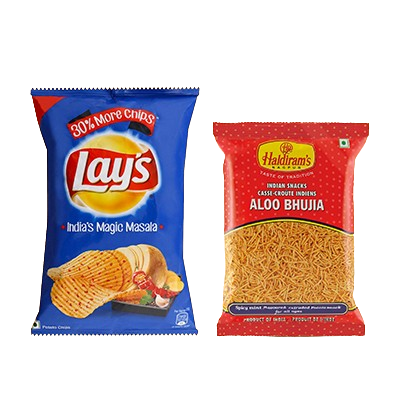
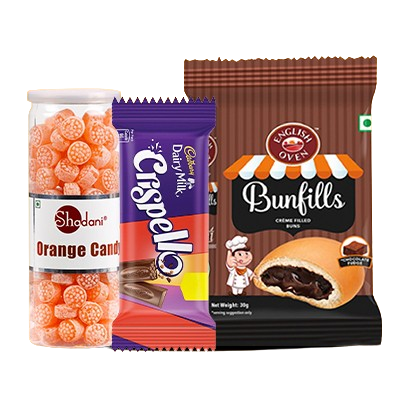
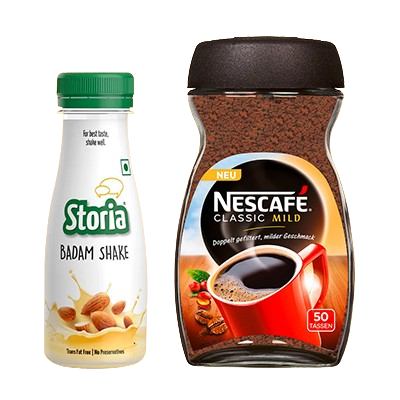
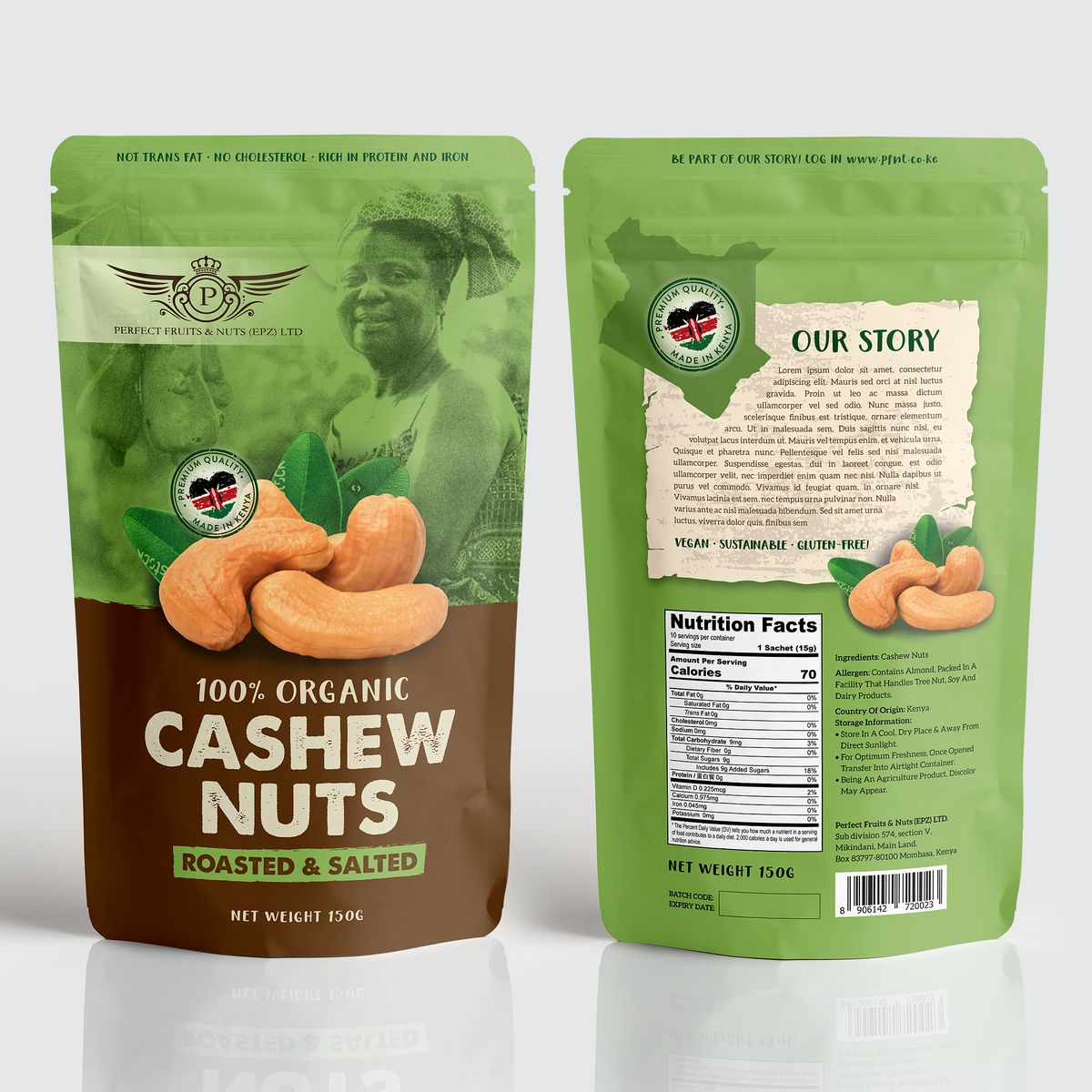
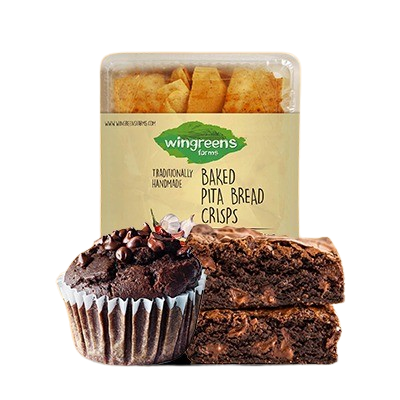

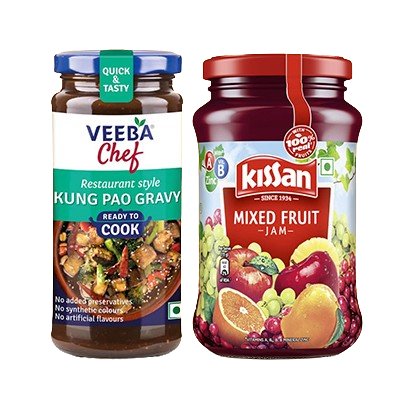
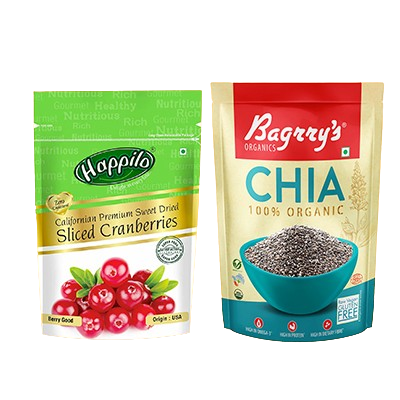
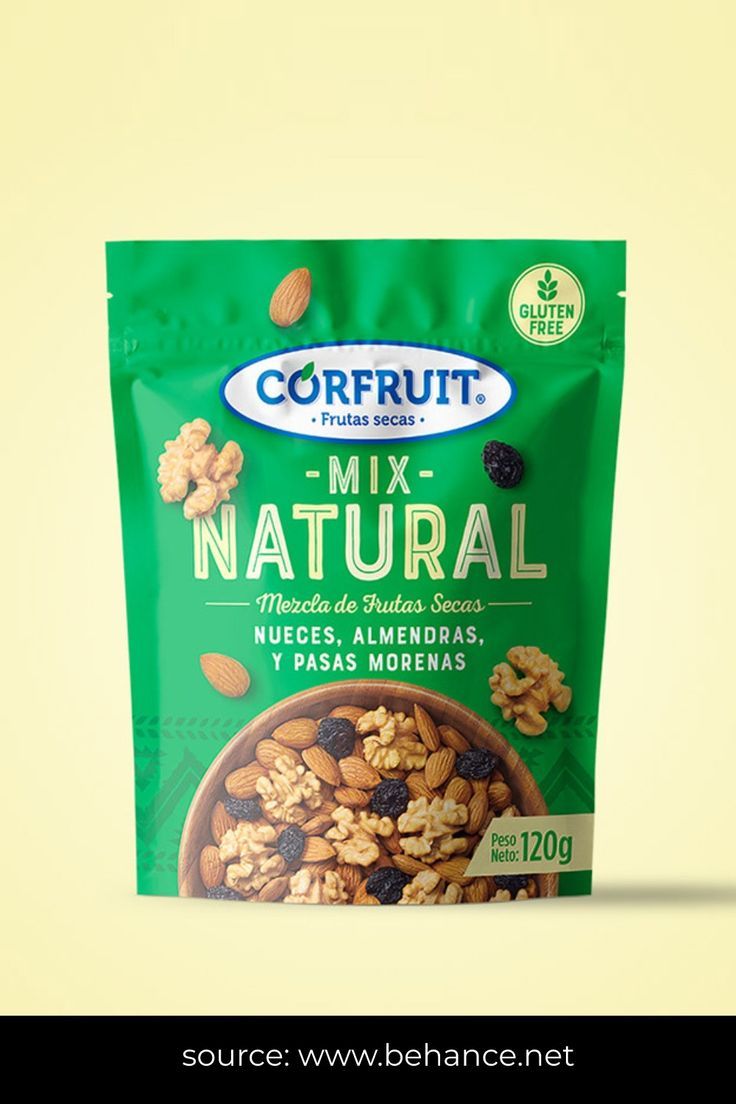

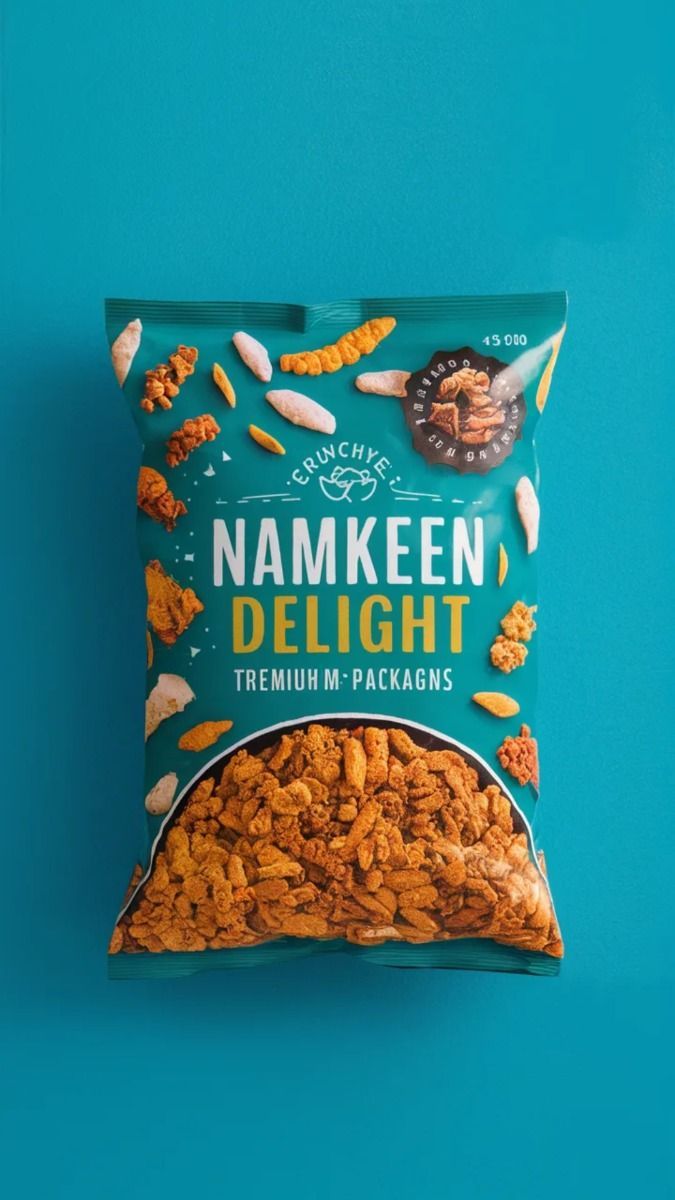
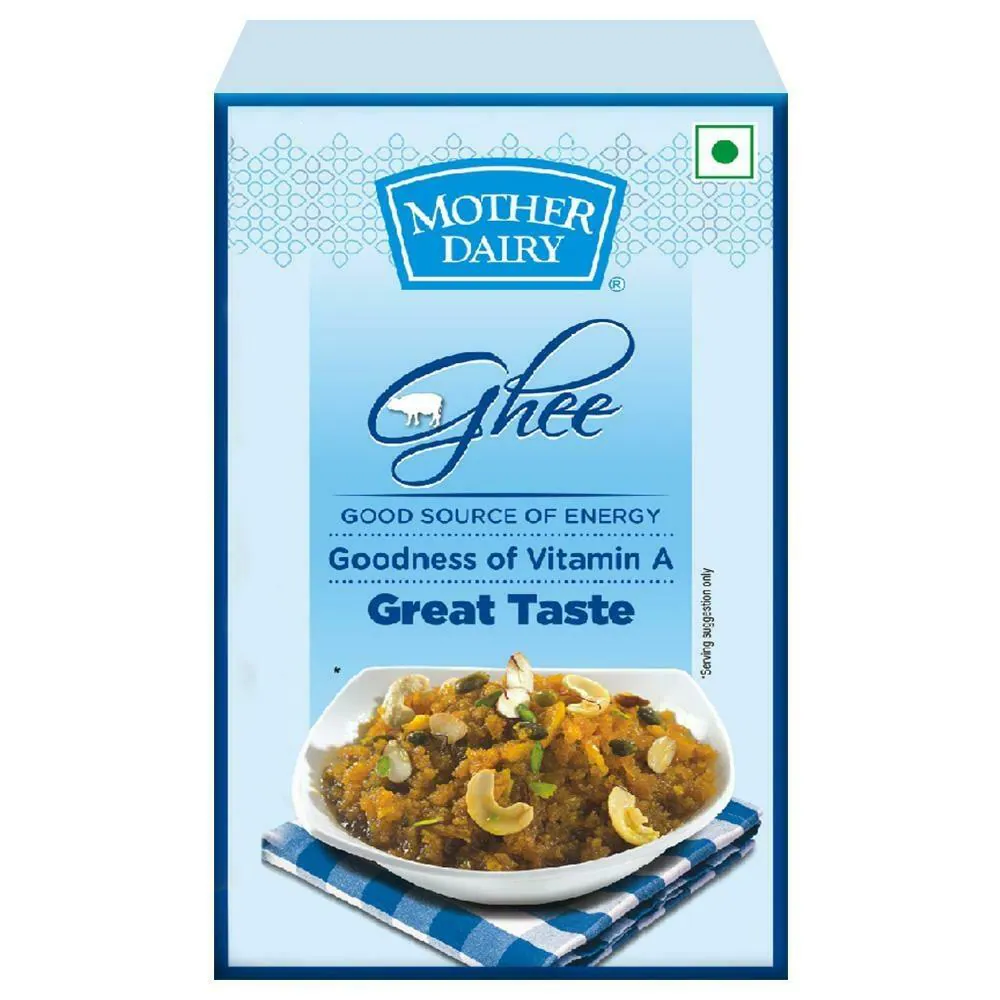
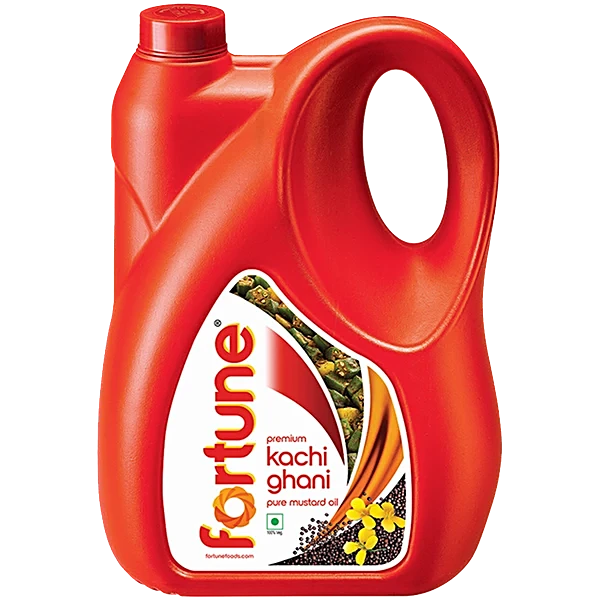
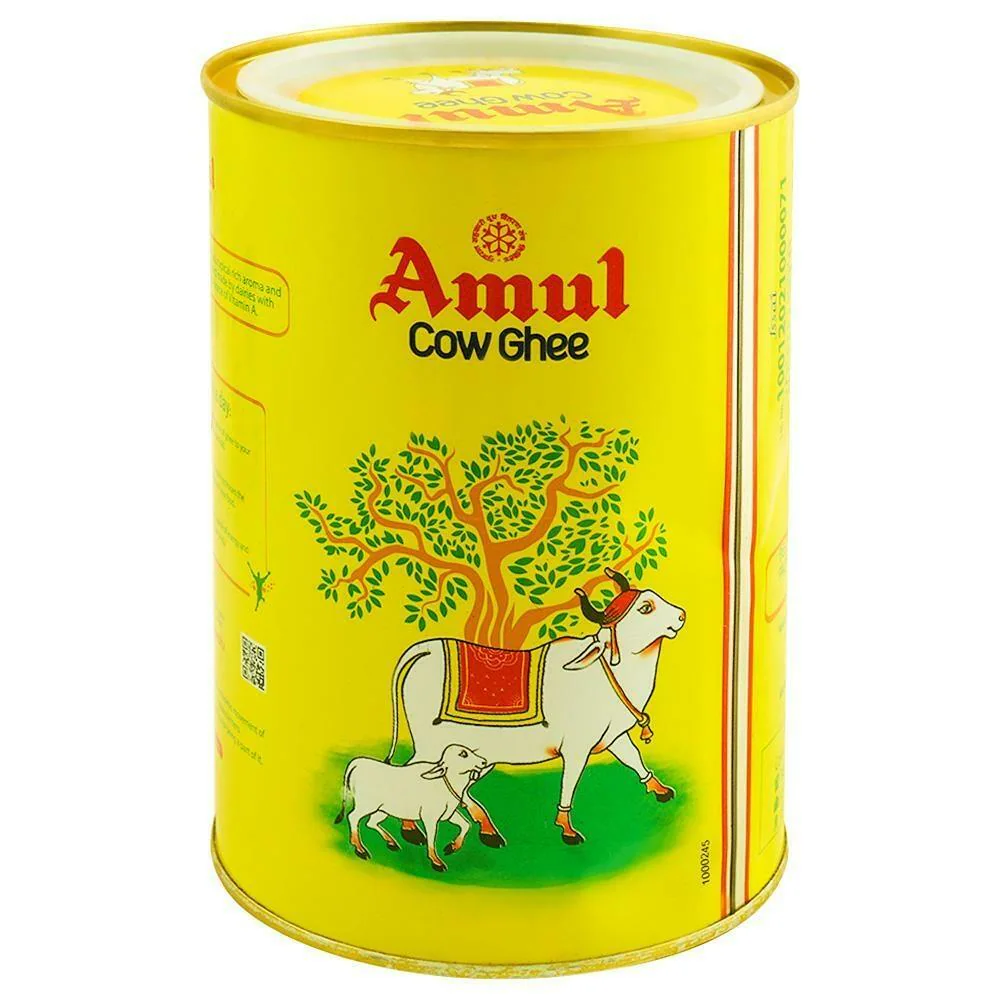




Wide Product Range
Daily-need items under one roof!

Affordable Pricing
Value-conscious pricing strategy!

POS-Enabled Billing System
Modern point-of-sale technology!

Customer Relationship Management (CRM)
Building lasting customer relationships!

Uniform Branding & Store Design
Consistent professional identity!
Localized Product Flexibility
Adapted to local preferences!