Grocery Franchise With Zero Royalty Gurugram
Grocery Franchise with Zero Royalty in Gurugram: What The Buyzaar Mart Offers Investors
- One of the biggest concerns for any first-time franchise investor is recurring costs — and royalty fees are often the largest, ongoing deduction from a store's monthly profit.
- This has led to growing interest across India in a grocery franchise with zero royalty, where the franchise partner is not required to pay a percentage of sales back to the brand every month.
- Gurugram, with its dense residential societies and consistently high daily spending on essentials, is an especially attractive market for this kind of franchise structure.
- The Buyzaar Mart positions itself in this space, offering a structured, brand-backed grocery franchise model designed around low investment and a franchise-friendly cost structure — making it worth understanding in detail before you invest.
What Does "Zero Royalty" Actually Mean?
- In a royalty-based franchise, the investor pays the brand an ongoing percentage of monthly sales — often 5% to 10% — for the life of the agreement, regardless of how thin the store's margins are.
- A zero royalty model removes this recurring percentage-based fee, meaning a larger share of the store's revenue stays with the franchise owner.
- This structure is particularly appealing for grocery and daily-needs retail, where margins are already relatively thin compared to other retail categories.
- It's important to understand that "zero royalty" does not always mean zero cost to the brand's business model — some franchises recover their margin through supply pricing, franchise fees, or other charges instead. A genuine, transparent franchise partner will make this cost structure clear upfront.
- When evaluating any zero royalty grocery franchise, including The Buyzaar Mart, prospective investors should ask for a complete breakdown of all fees — franchise fee, security deposit, technology charges, and supply pricing — not just the royalty line item.
Why a Zero Royalty Structure Matters for Grocery Retail
- Thin margins by category: Grocery and daily-needs retail typically operate on lower margins than categories like fashion or electronics, making every percentage point of royalty more impactful on take-home profit.
- Faster break-even potential: Without a recurring royalty deduction, a store can retain more of its monthly revenue, which may support a quicker path to covering initial investment.
- Predictable cost planning: Removing a variable, sales-linked cost makes it easier for a franchise owner to forecast monthly expenses and plan cash flow.
- More competitive on price: Franchise owners with lower recurring overheads may have more flexibility to offer competitive local pricing without eroding their own margins.
- Stronger appeal to first-time investors: A predictable cost structure, without an ongoing percentage obligation, tends to be easier for new entrepreneurs to evaluate and commit to.
Why Gurugram Is a Strong Market for This Franchise Model
- High, consistent daily spending: Corporate professionals in Cyber City, IT employees in Udyog Vihar, and families across DLF Phase communities all purchase daily essentials every week, creating steady, non-discretionary demand.
- Underserved residential pockets: Localities like South City 1 and 2 have dense family populations but limited organised retail, offering a first-mover advantage for a well-positioned store.
- Premium society clusters: DLF Phase 1 to 4 combine organised, society-level markets with above-average household spending on daily essentials.
- Established, dense sectors: Sectors such as 56, 57, and 58 offer steady daily demand alongside comparatively lower commercial rents than newer development corridors, supporting quicker investment recovery.
- Growing residential corridors: Fast-developing areas along Dwarka Expressway and Southern Peripheral Road represent an expanding customer base for new stores.
- With margins already a key consideration in grocery retail, a zero royalty structure can make Gurugram's strong demand translate more directly into franchise owner profitability.
What The Buyzaar Mart Brings to the Table
- Established brand identity: The Buyzaar Mart name, branding, and FSSAI licensing are available from day one, so a new store doesn't need to build recognition from scratch.
- FSSAI Licensed: All food, packaged, and dairy products meet national food safety standards.
- GST Registered: Transparent, compliant billing that reflects a professionally run retail operation.
- MSME Certified: Recognition from the Ministry of MSME, Government of India, adding institutional credibility over unregistered local competitors.
- Tested operating system: Store layouts, product assortments, and daily workflows have been refined across the brand's existing franchise network.
- POS-enabled billing: Fast, accurate, and transparent checkout that builds customer trust from the first transaction.
- Prospective investors evaluating a zero royalty grocery franchise with The Buyzaar Mart should request the brand's current, detailed fee structure directly, since franchise terms and cost components can be updated over time.
The FOCM Model: Ownership Without Daily Operational Burden
- Beyond the royalty structure, the second major consideration for any franchise investor is who actually runs the store day to day.
- In many franchise systems, the investor is expected to personally manage staffing, inventory, supplier coordination, billing, and marketing — a significant time commitment.
- The Buyzaar Mart's FOCM model — Franchise Owned, Company Managed — is built to address this directly.
- You own the business: The investment and franchise rights belong to you under a formal, multi-year agreement, building a retail asset in your portfolio.
- The brand manages daily operations: Staffing, inventory management, billing systems, marketing, and audits are handled by The Buyzaar Mart's operations team.
- Combined with a franchise-friendly cost structure, this model is particularly suited to working professionals and first-time entrepreneurs who want ownership and reduced recurring costs, without needing to be present in the store every day.
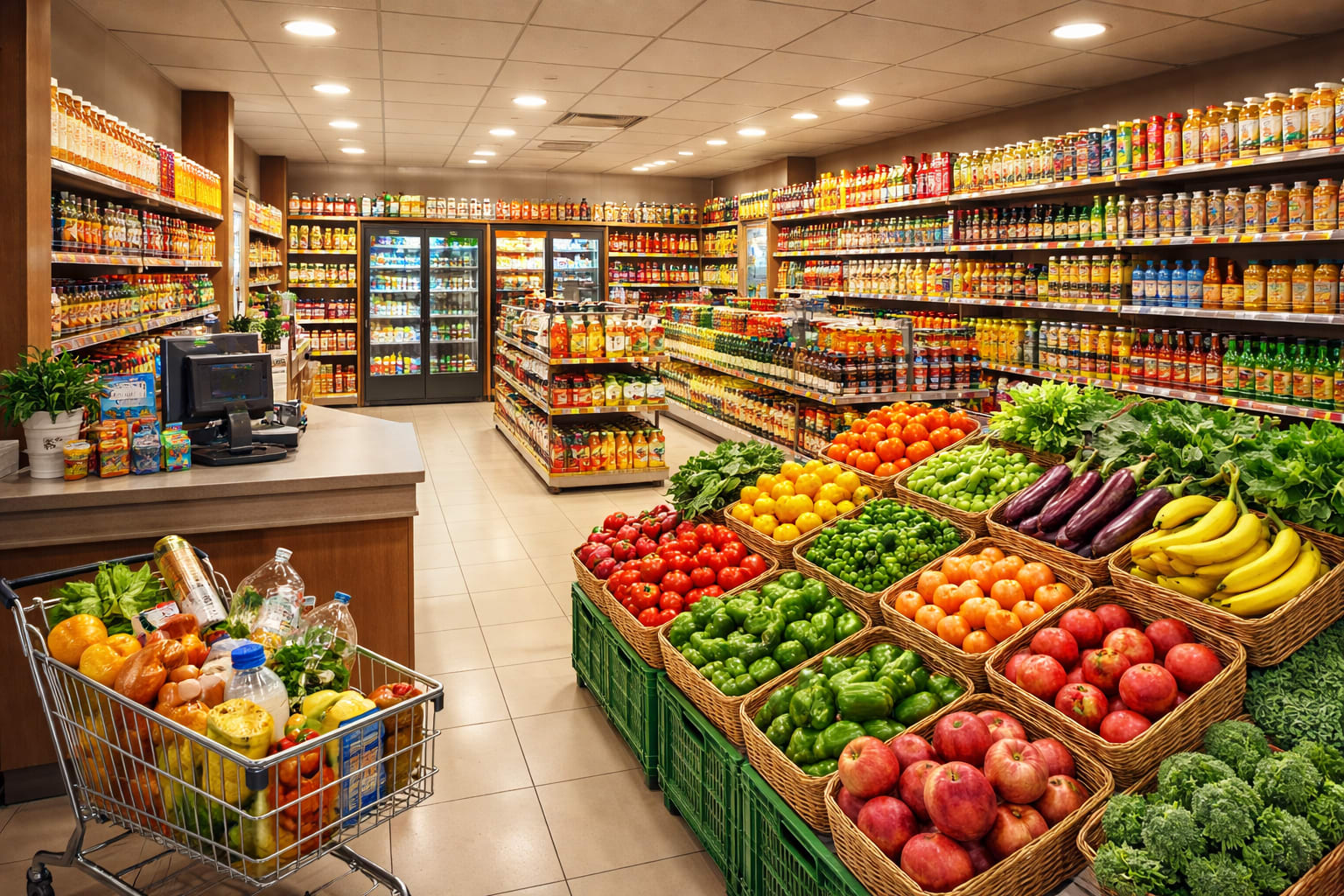
What a Grocery Franchise Store Typically Stocks
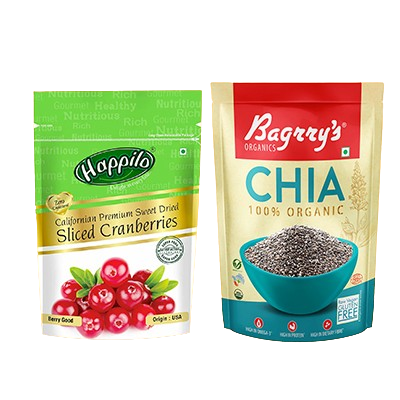
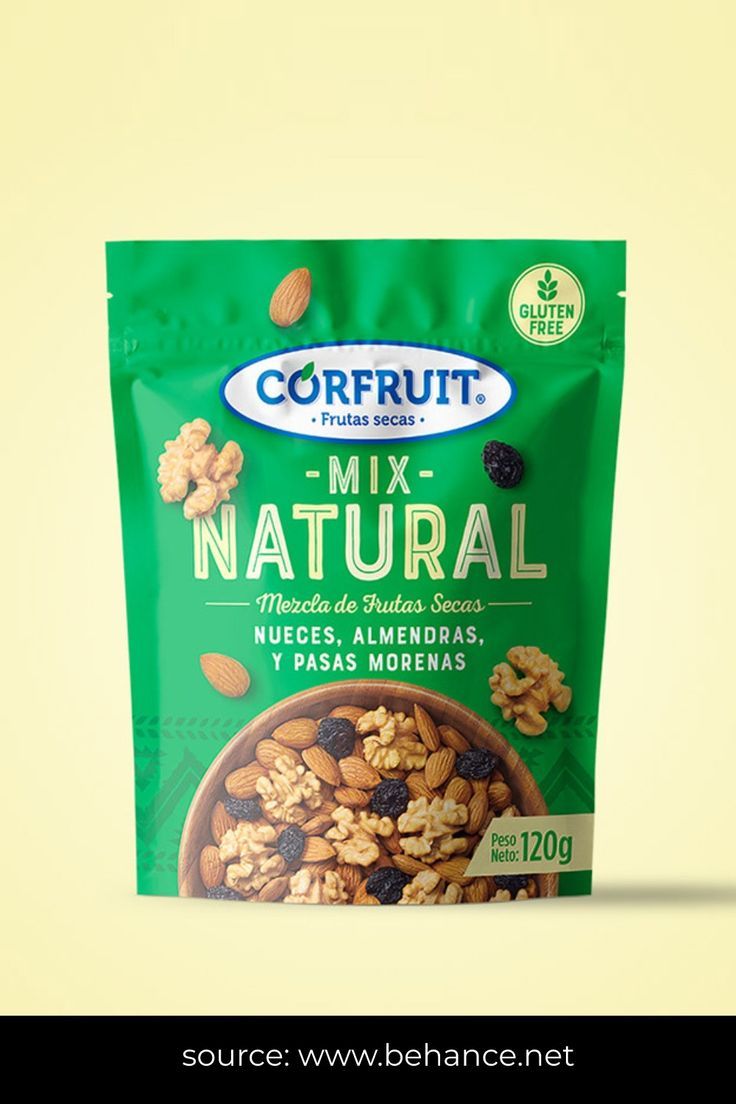
- Groceries and staple food items for everyday cooking needs.
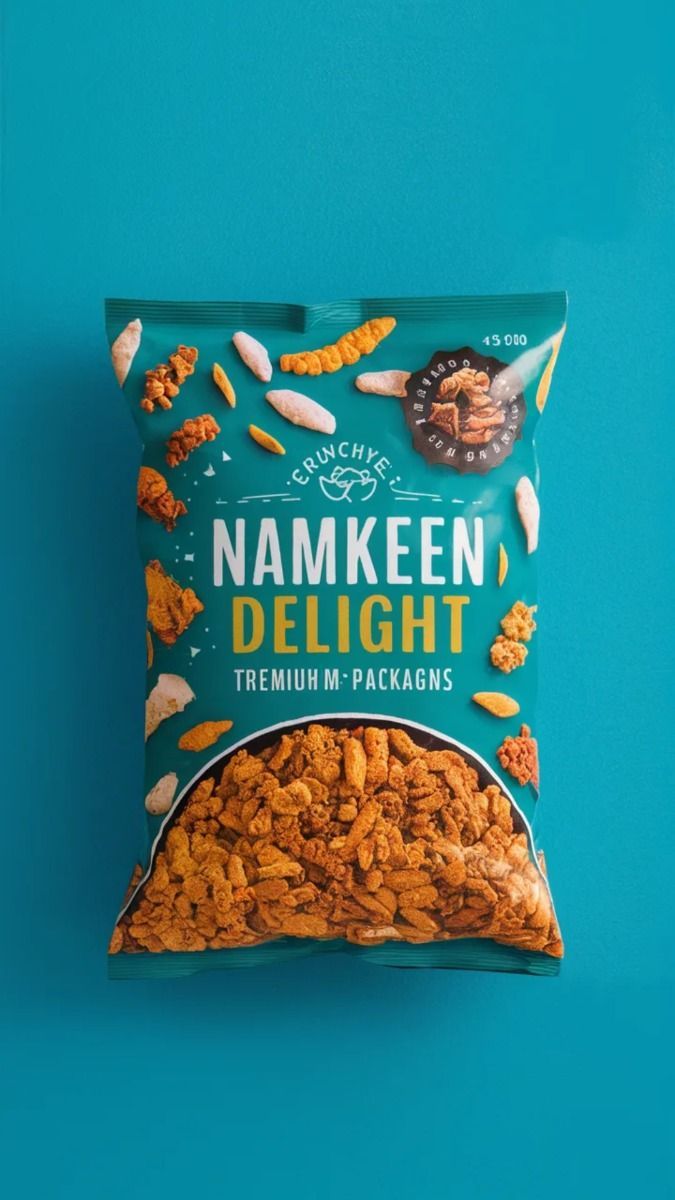
- FMCG products, including packaged snacks, beverages, and ready-to-eat items.
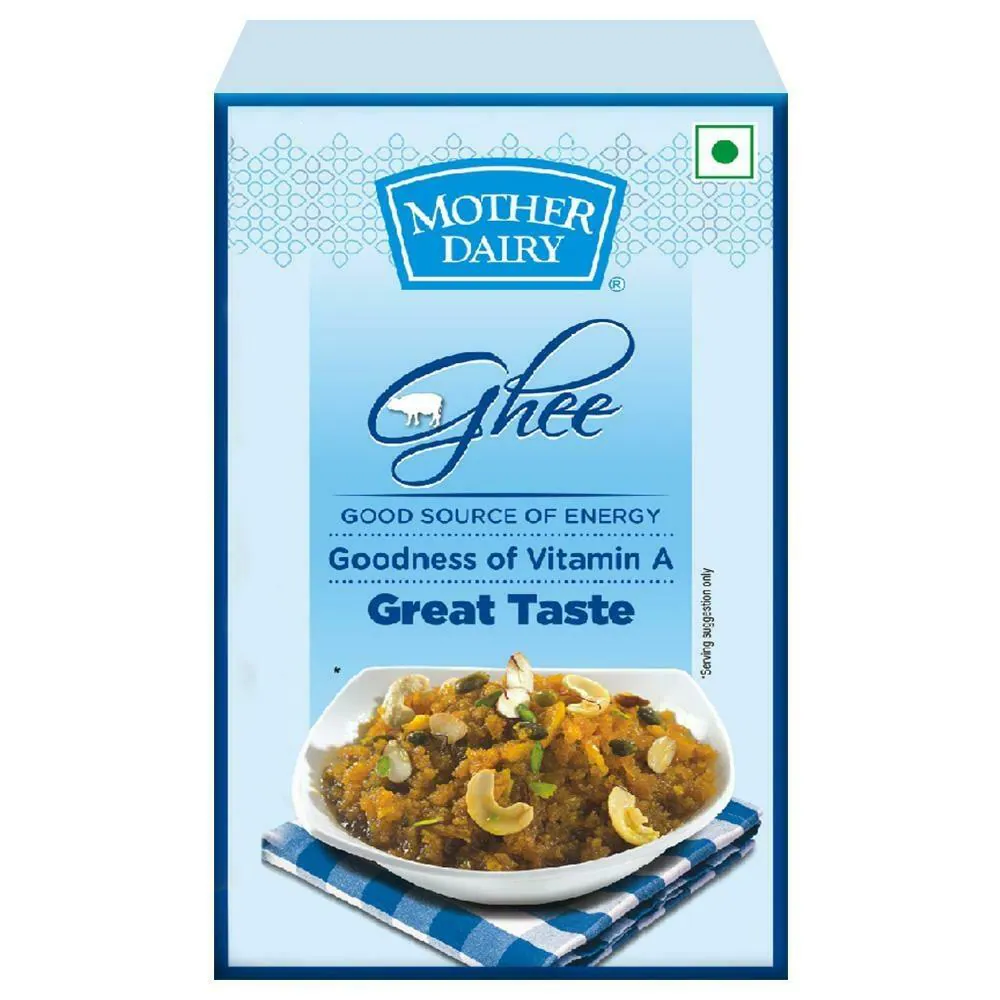
- Dairy products such as milk, curd, butter, and paneer.
- Household cleaning and laundry essentials.
- Personal care and hygiene products.
- Baby care and mother care items.
- Basic health and wellness products.
- Kitchen essentials, general merchandise, and stationery.
- Localised product flexibility allows each store to slightly adjust its assortment to match the preferences of its specific neighbourhood, while maintaining overall brand standards.
Zero Royalty vs. Royalty-Based Franchise: A Balanced Comparison
- Royalty-based model: The brand earns an ongoing percentage of sales, which can align incentives — the brand is motivated to help the store sell more since its own income depends on it.
- Zero royalty model: The franchise owner keeps a larger share of revenue, but should confirm how the brand generates its own margin — commonly through franchise fees, technology charges, or supply pricing.
- Due diligence matters either way: A transparent zero royalty franchise clearly discloses all cost components upfront, so the investor can compare true total cost of ownership, not just the absence of a royalty line item.
- Support commitment: Ask specifically what ongoing support — training, marketing, restocking, troubleshooting — is included regardless of the royalty structure, since support quality can vary between brands.
- Compare apples to apples: When evaluating any grocery franchise, it's worth calculating total estimated monthly cost (fees, supply pricing, and any charges) rather than focusing on the royalty percentage alone.
Investment Considerations
- Franchise investment typically includes store interiors, initial stock, technology or software fees, the franchise fee, and a security deposit.
- Compact formats like a Mini Mart generally require lower investment than larger Super Mart or Hyper Mart formats, making them accessible for first-time investors.
- Location plays a significant role in returns — society-facing shops and colony markets with strong daily footfall tend to perform better and recover investment faster.
- Prospective franchise partners should request a complete, store-specific investment and fee breakdown directly from the brand, including confirmation of the royalty structure, before finalising any agreement.
Ideal Profile for This Franchise Model
- Working professionals seeking a retail business asset without full-time, hands-on involvement.
- First-time entrepreneurs who want a lower-risk entry into organised retail, supported by an established brand and tested systems.
- Cost-conscious investors who specifically want to avoid an ongoing, sales-linked royalty deduction from their monthly revenue.
- Local investors familiar with their neighbourhood's shopping habits who want to serve that specific catchment area under a recognised brand.
Realistic Expectations and Due Diligence
- Even without a royalty fee, a grocery franchise carries normal retail risks — location performance, local competition, and the time needed to build steady footfall.
- New stores typically go through a settling-in period as local awareness builds and repeat customers form; instant profitability should not be assumed.
- Always request the complete franchise agreement in writing, and clarify every cost component — not just the royalty structure — before signing.
- Speaking with existing franchise partners, where possible, can offer practical, on-ground insight beyond promotional material.
- A transparent brand will welcome detailed questions about its fee structure; treat reluctance to disclose full costs as a signal to dig deeper before committing.
Expanding Beyond Gurugram: Opportunities in Tier-2 Cities
- The Buyzaar Mart's franchise model is not limited to metro markets like Gurugram — it is also expanding into fast-growing tier-2 cities across North India.
- For entrepreneurs specifically exploring a low investment supermarket franchise in Lucknow, the brand offers similar Mini Mart and daily-needs formats suited to expanding residential areas such as Gomti Nagar, Aliganj, Indira Nagar, and Sushant Golf City.
- Cities across Uttar Pradesh, including Lucknow, Kanpur, Prayagraj, Varanasi, Gorakhpur, and Meerut, are showing strong acceptance of organised retail formats as urbanisation increases.
- Compared to metro cities, operational costs such as rentals and staffing are relatively lower in many of these markets, which can support stronger margins for a franchise store.
- This reflects the brand's broader strategy of bringing organised, branded daily-needs retail — under a franchise-friendly cost structure — to underserved neighbourhoods across both metro and semi-urban India.
Steps to Start This Franchise with The Buyzaar Mart
- Submit an inquiry through the brand's official franchise channel, sharing your preferred location, budget, and involvement preference.
- Request the complete, current fee structure, including confirmation of royalty terms, franchise fee, and any supply-related charges.
- Discuss the franchise model (FOCM or FOCO) and store format suited to your goals.
- Complete a location evaluation to confirm the site fits the required catchment and footfall profile.
- Finalise the franchise agreement, investment structure, and store setup timeline with the brand's team.
- A grocery franchise with a low or zero royalty structure can be a genuinely attractive option in a market like Gurugram, where daily-needs demand is strong and consistent.
- The Buyzaar Mart combines this cost-conscious positioning with brand credentials — FSSAI, GST, and MSME certification — along with a tested FOCM operating model that reduces the day-to-day burden on the investor.
- That said, "zero royalty" should never be evaluated in isolation; prospective franchise partners should always request the full, itemised cost structure to understand true total investment and ongoing costs.
- The brand's expansion into markets like Lucknow also makes it a relevant option for those exploring a low investment supermarket franchise beyond the National Capital Region.
- As with any franchise decision, review the agreement carefully, verify all fee components directly with the brand, and conduct thorough due diligence before investing.
FAQs
Q1. What does a zero royalty grocery franchise mean?
It means the franchise owner does not pay an ongoing percentage of monthly sales back to the brand, unlike traditional royalty-based franchise models.
Q2. Does zero royalty mean no other franchise costs?
Not necessarily — investors should confirm the full fee structure, including franchise fees, technology charges, and other charges.
Q3. Who manages daily store operations at The Buyzaar Mart?
Under the FOCM model, the brand's operations team manages staffing, inventory, billing, and marketing while the investor retains ownership.
Q4. Is the brand certified and compliant?
Yes, it is FSSAI licensed, GST registered, and MSME certified.
Q5. Is this franchise model available outside Gurugram?
Yes, similar low investment formats are also offered in cities like Lucknow and other parts of Uttar Pradesh.
Q6. Who should consider this franchise?
Cost-conscious, first-time entrepreneurs and working professionals seeking a lower-risk, brand-backed retail investment with reduced recurring costs.
Start Your Zero Royalty Grocery Journey in Gurugram
- A grocery franchise with a low or zero royalty structure can be a genuinely attractive option in a market like Gurugram, where daily-needs demand is strong and consistent.
- Join The Buyzaar Mart franchise network and bring your neighborhood a modern daily needs store built on trust, convenience, and professional retail systems.
- Email: info@thebuyzaarmart.com
- Phone / WhatsApp: 9217991727
- Business Hours: Monday to Saturday, 09:00 AM – 07:00 PM

Store Features & Services
Discover our comprehensive range of services designed to provide the best shopping experience for urban and semi-urban households
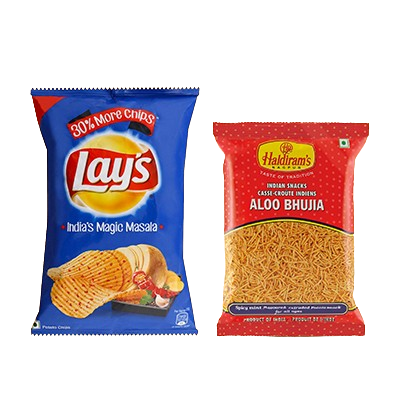
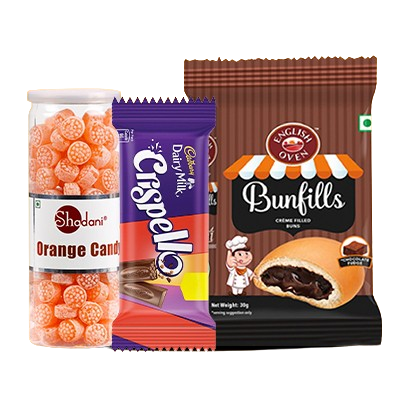
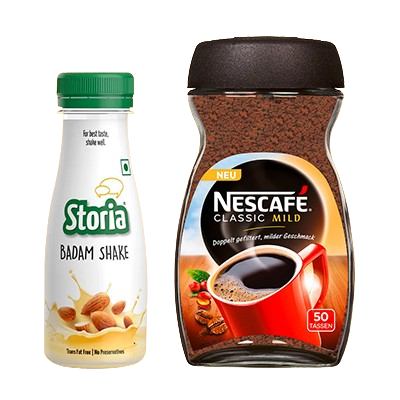
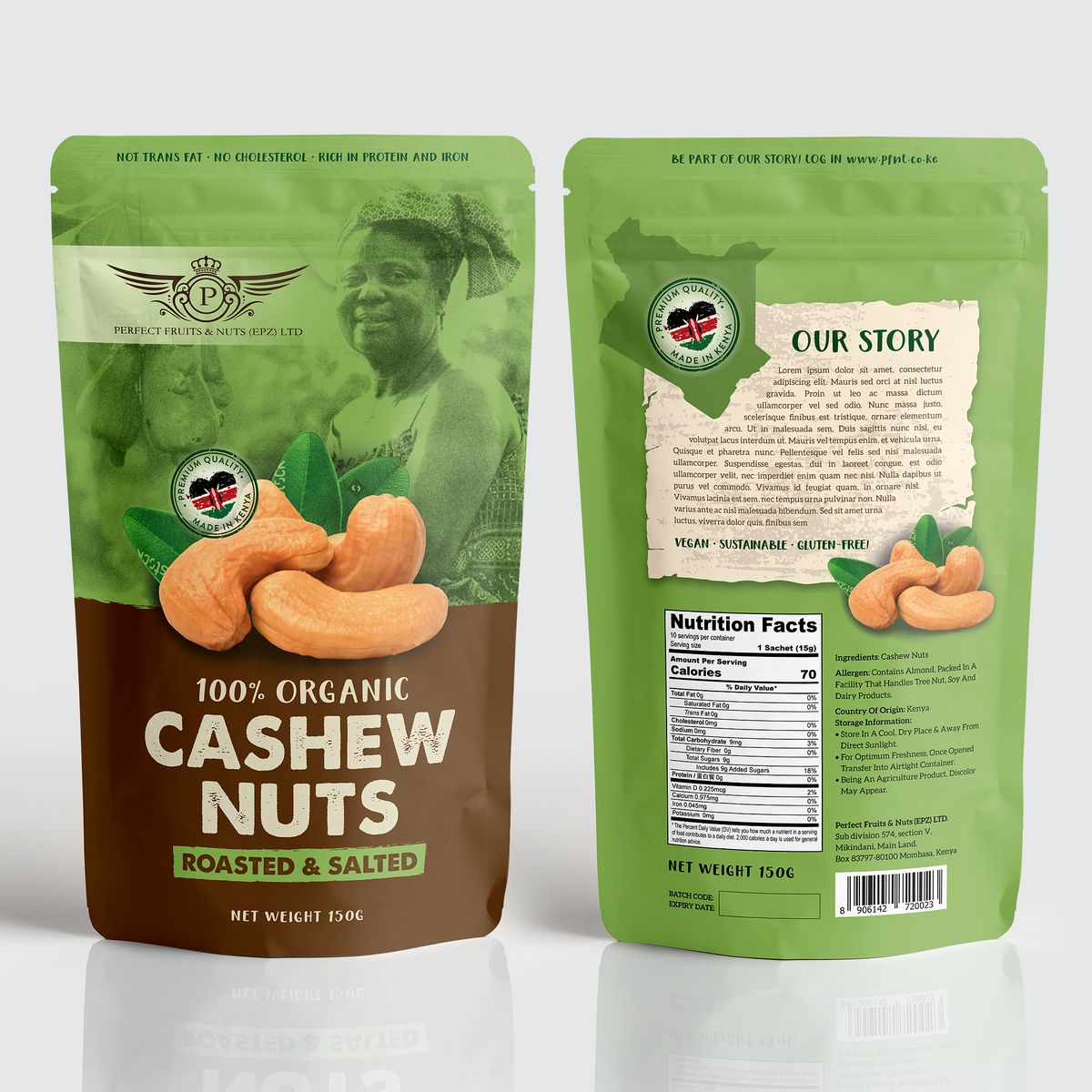
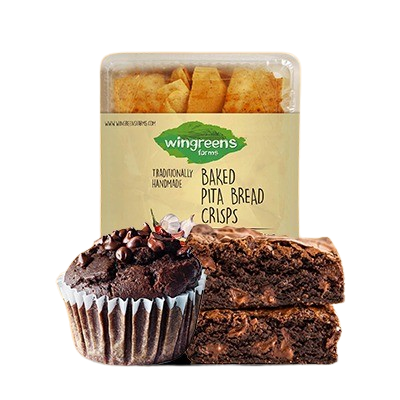
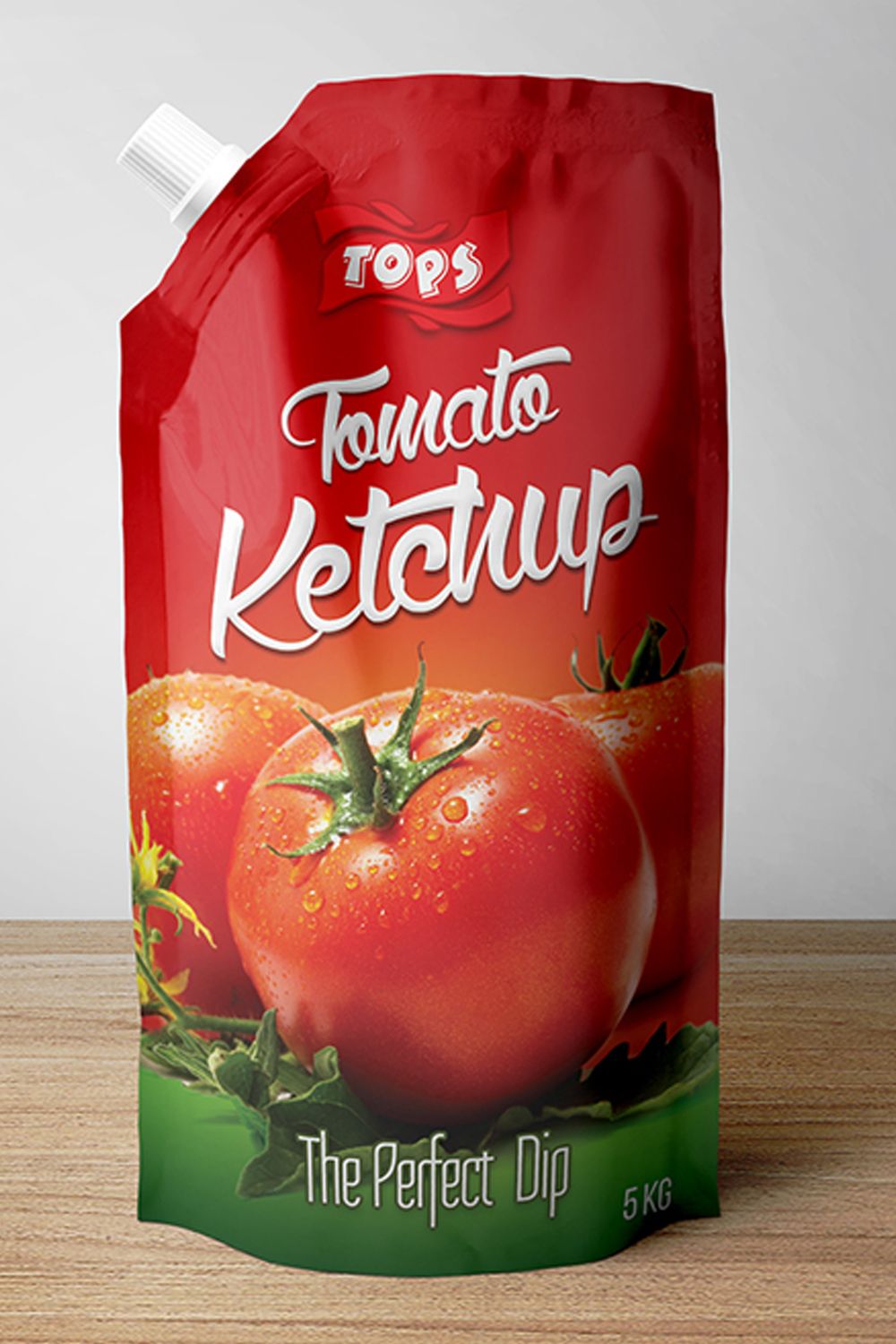
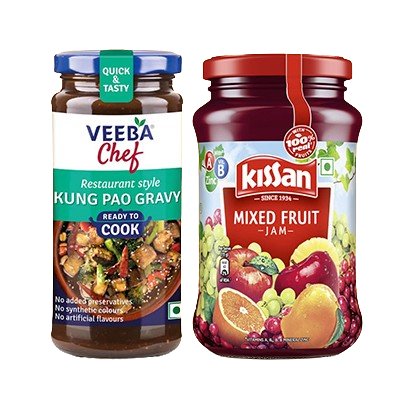

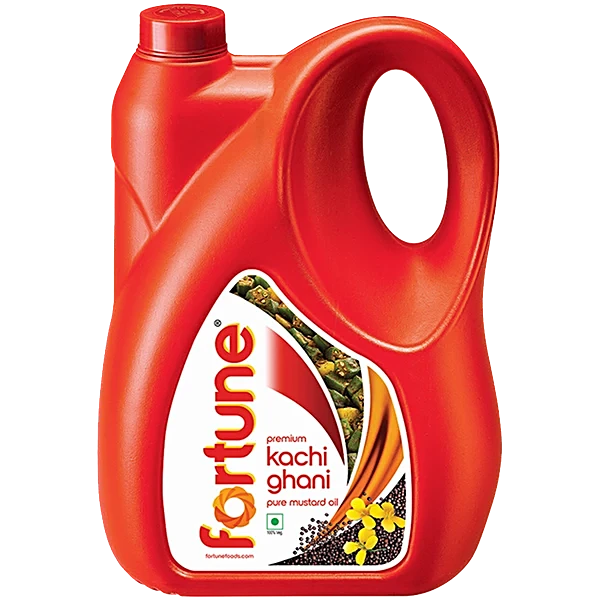
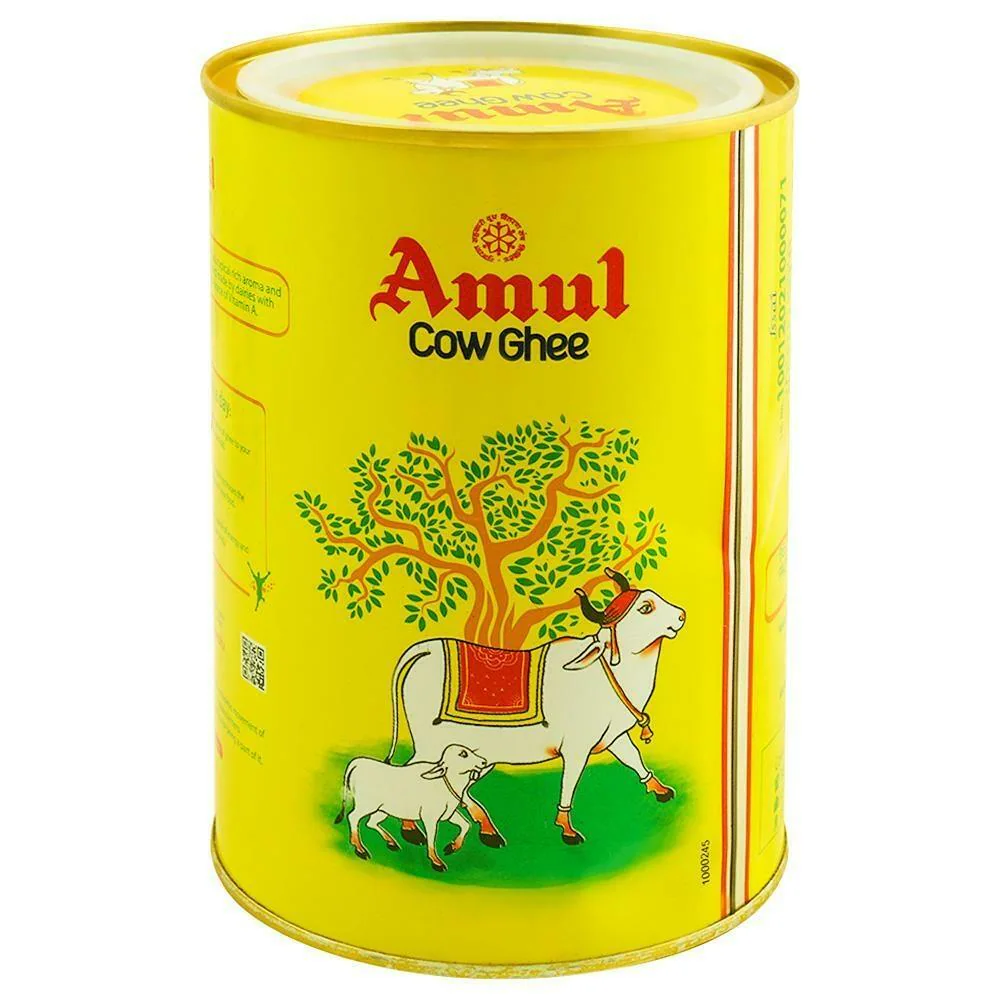

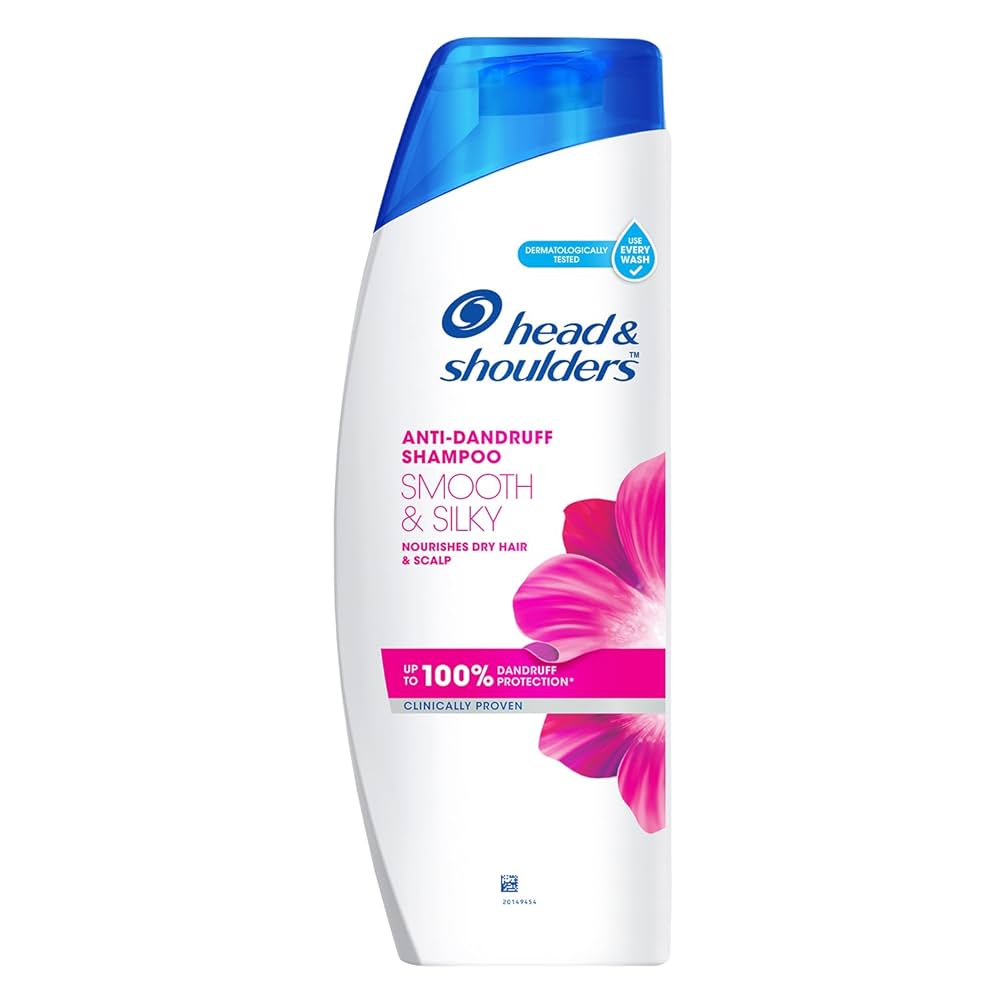
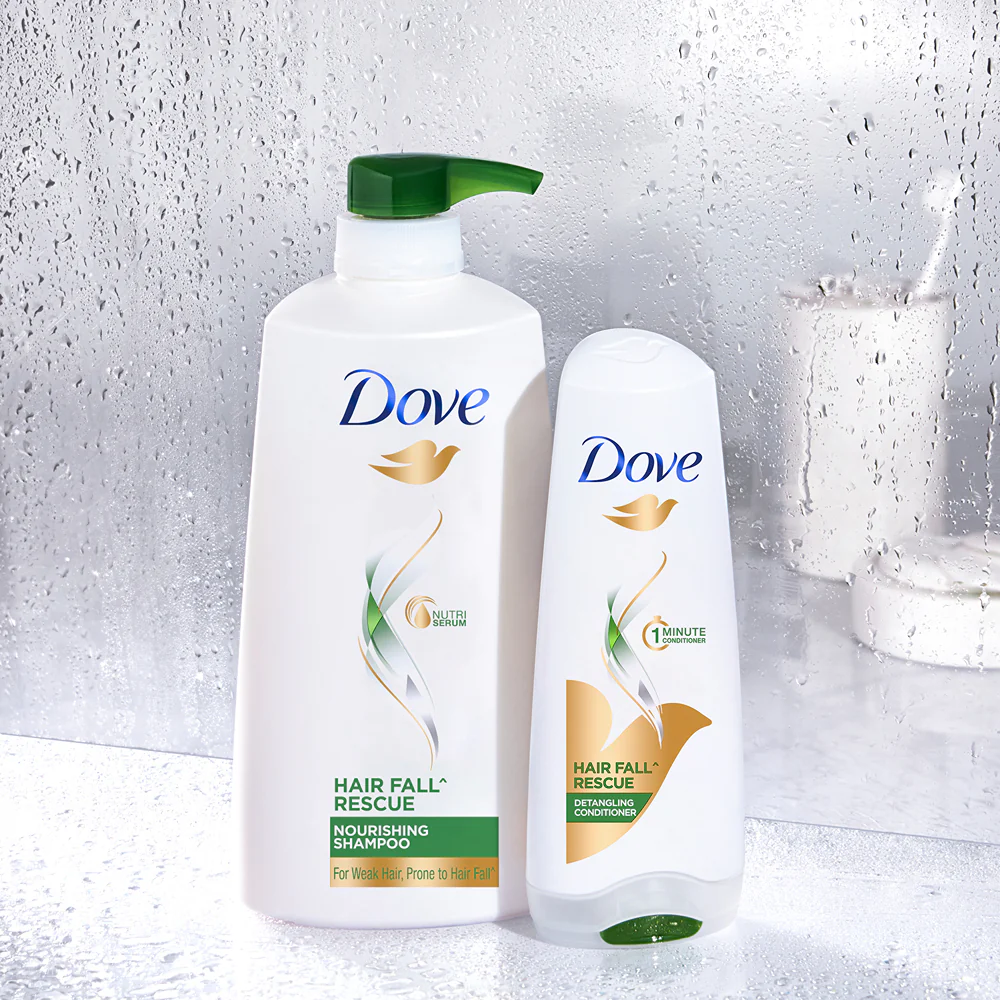

Wide Product Range
Daily-need items under one roof!

Affordable Pricing
Value-conscious pricing strategy!

POS-Enabled Billing System
Modern point-of-sale technology!

Customer Relationship Management (CRM)
Building lasting customer relationships!

Uniform Branding & Store Design
Consistent professional identity!
Localized Product Flexibility
Adapted to local preferences!