How to Open Grocery Franchise in Hapur | The Buyzaar Mart
How to Open Grocery Franchise in Hapur
- India's grocery retail sector is undergoing a significant shift, moving away from unorganised kirana stores toward branded, technology-enabled formats that offer better pricing consistency, product variety, and customer experience.
- Hapur, positioned within the Delhi NCR belt of Uttar Pradesh, is one of the towns where this shift is becoming visible, with demand for organised grocery retail growing faster than the current supply of branded stores.
- If you are looking to open a grocery franchise in Hapur, The Buyzaar Mart offers a complete, guided pathway covering everything from store format selection to the final launch.
Why Grocery Retail Is a Strong Business Category
- Grocery and daily-needs retail is considered one of the most recession-resistant business categories, since households purchase staples, dairy, and packaged goods every week regardless of broader economic conditions.
- Unlike many other retail categories, grocery shopping happens on a repeat, high-frequency basis, which supports steady and predictable footfall once a store is established.
- As disposable incomes and digital awareness rise in towns like Hapur, more consumers are actively seeking hygienic, professionally run grocery stores over traditional kirana shops.
- A branded grocery franchise benefits from bulk purchasing power, direct supplier relationships, and centralised supply systems, which independent grocery stores typically cannot access on their own.
Why Hapur Is a Strong Market for a Grocery Franchise
- Hapur is well connected to Ghaziabad, Meerut, and Delhi, giving it strong logistical access within the National Capital Region.
- The town's population continues to grow steadily, with new residential colonies adding households that need reliable daily grocery access.
- Organised retail penetration in Hapur remains relatively low, meaning most grocery spending still happens through small, unbranded local stores.
- Commercial rents in Hapur are generally more affordable than in larger NCR cities, which can improve the payback period on a grocery franchise investment.
- Early movers in Hapur's grocery retail space have the advantage of building brand recognition before more organised competitors enter the market.
Step 1: Understand the Grocery Store Formats Available
- Mini Mart: Requires approximately 600 to 1,000 square feet, focused primarily on staple groceries and daily essentials.
- Mini Mart suitability: Best suited to residential colony markets and smaller commercial pockets across Hapur.
- Super Mart: Requires roughly 1,001 to 3,000 square feet, with a wider grocery and FMCG assortment.
- Super Mart suitability: Suited to busier commercial locations with a broader customer base.
- Hyper Mart: The largest format, carrying the widest grocery, FMCG, and household product range.
- Hyper Mart suitability: Suited to high-footfall, high-visibility commercial zones in and around central Hapur.
Step 2: Understand the Product Categories You Will Stock
- Staple groceries such as rice, wheat, pulses, flour, sugar, edible oils, and spices.
- Packaged and branded FMCG products across major everyday categories.
- Dairy products including milk, curd, paneer, and butter.
- Fresh produce where applicable to the store format and location.
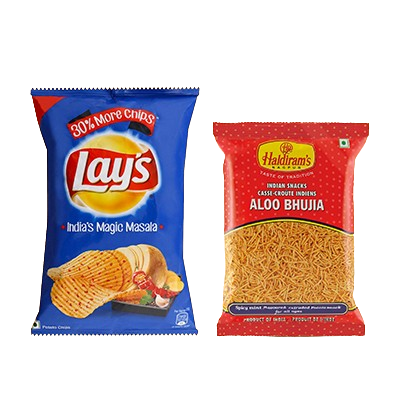
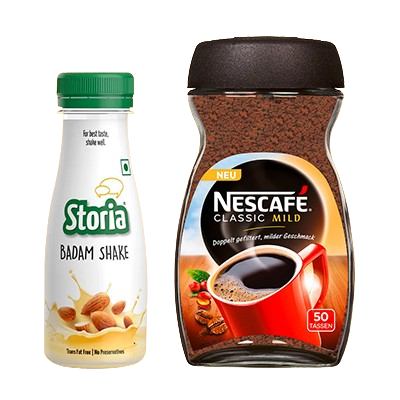
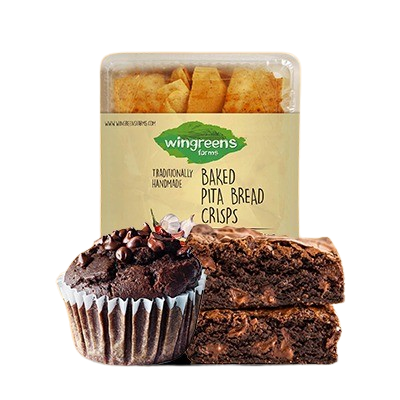
- Packaged snacks, beverages, and ready-to-eat products.
- Household cleaning and laundry products, along with personal care and hygiene items.
- Baby care, mother care, and general kitchen and stationery essentials.
Step 3: Choose Your Franchise Business Model
- FOCM (Franchise Owned Company Managed): You own the grocery store while the company manages daily operations.
- FOCM suitability: Suited to salaried professionals and first-time entrepreneurs who want ownership without daily involvement.
- FOCO (Franchise Owned Company Operated): You provide capital and commercial space while the company operates the store entirely.
- FOCO suitability: Suited to investors looking for a passive grocery retail asset.
- Your choice of model affects how involved you will be in daily grocery operations, and this is finalised in discussion with the franchise team.
Step 4: Identify a Suitable Grocery Store Location in Hapur
- Ground floor properties with good visibility and nearby parking tend to perform best for grocery retail.
- Residential colony markets and streets near apartment complexes work well for smaller grocery formats.
- Busier commercial stretches with higher footfall suit larger grocery formats like Super Mart or Hyper Mart.
- Areas close to schools, hospitals, or local transport hubs generate consistent daily grocery shopping traffic.
- The franchise team can help evaluate a proposed property or suggest suitable localities based on population density and grocery demand patterns in Hapur.
Step 5: Submit Your Franchise Inquiry
- Visit www.thebuyzaarmart.com and fill out the franchise inquiry form with your name, contact details, preferred locality in Hapur, and available investment range.
- Mention your preferred grocery store format if you have already decided, since this helps the team respond with more relevant details.
- This step carries no obligation and simply begins the conversation with the franchise team.
Step 6: Discuss Your Grocery Franchise Plan with the Team
- A member of the franchise team will connect with you to discuss investment readiness, preferred locality, and your chosen or preferred store format.
- This is also the stage to clarify questions about the grocery product range, supply chain support, and how the business model works in practice.
Step 7: Complete Documentation and Grocery Business Licensing
- KYC verification and franchise agreement review are completed with support from the company.
- Since grocery retail involves food and packaged consumables, relevant licenses such as FSSAI registration and applicable trade licenses are typically required before operations begin.
- The Buyzaar Mart team guides applicants through this compliance stage so the documentation remains clear and structured.
Step 8: Set Up the Store Interior and Grocery Display Systems
- Interior design and branding are carried out according to the chosen grocery format.
- Shelving, refrigeration units for dairy and perishable items, and product display fixtures are installed based on the store's category range.
- The POS billing and inventory management software is installed and configured to handle grocery-specific stock tracking, including expiry-sensitive categories.
Step 9: Stock the Store and Train Grocery Staff
- Initial stocking covers staple groceries, FMCG products, dairy, and household essentials suited to the chosen format.
- Staff are trained specifically on grocery billing procedures, handling perishable stock, customer service, and daily operational routines.
- Proper training at this stage helps reduce the common risks associated with grocery retail, such as spoilage and stock mismanagement.
Step 10: Launch the Store and Build Local Grocery Demand
- The launch is supported by local area marketing and customer acquisition campaigns designed specifically for your Hapur locality.
- Grocery stores benefit strongly from a good opening phase, since building trust for daily essentials shopping tends to translate into repeat, long-term customers.
- Promotional activities during launch help introduce the store's grocery range and pricing to the surrounding community.
Step 11: Operate with Ongoing Grocery-Specific Support
- Restocking guidance is provided based on grocery demand patterns, helping avoid stockouts on high-turnover items and reducing losses from expired stock.
- The company takes back expired and damaged goods in many cases, helping protect franchise partners from one of the most common risks in grocery retail.
- Sales dashboards support data-driven restocking and category decisions specific to grocery performance.
- Continued marketing assistance helps sustain grocery footfall well beyond the initial launch period.
Investment and Space Considerations for a Grocery Franchise
- Space requirements vary by format, from around 600 square feet for a Mini Mart to significantly larger footprints for a Hyper Mart.
- Investment typically covers store setup, initial grocery stock, refrigeration and display fixtures, technology deployment, and franchise-related costs.
- The exact investment range and format recommendation are usually finalised based on your available space and budget during the initial consultation.
Who Can Open a Grocery Franchise in Hapur
- Salaried Professionals: Looking to build a side income through grocery retail without leaving their primary job, often through the FOCM model.
- Local Businessmen and Traders: Wanting to diversify into organised grocery retail using their existing understanding of Hapur's local market.
- Homemakers or Retired Individuals: With access to a suitable commercial property and interest in a lower-involvement grocery business model.
- Existing Kirana Store Owners: Looking to upgrade their existing grocery shop into a branded, technology-enabled format.
- First-Time Entrepreneurs: Seeking a structured, guided entry into the grocery retail business without prior industry experience.
Common Mistakes to Avoid When Opening a Grocery Franchise
- Underestimating the importance of refrigeration and perishable stock handling in the store setup.
- Choosing a location without evaluating nearby grocery competition and daily footfall potential.
- Skipping proper staff training on grocery-specific billing and inventory practices.
- Selecting a format that does not match the available commercial space or grocery demand in the chosen locality.
- Not accounting for expiry-sensitive stock management before the store launch.
Why a Guided Grocery Franchise Process Matters
- Grocery retail involves specific operational challenges, including perishable stock handling, supply chain timing, and category-specific pricing, which independent store owners often learn through years of trial and error.
- A guided franchise process gives first-time grocery entrepreneurs in Hapur access to a tested operating system from day one, significantly reducing this learning curve.
- This structure is particularly valuable for those entering grocery retail without prior experience in managing perishable inventory or high-frequency daily transactions.
Frequently Asked Questions
What is the first step to open a grocery franchise in Hapur?
Submit a franchise inquiry at www.thebuyzaarmart.com with your details and preferred locality.
Which grocery store format should I choose to start with?
This depends on your available space and budget; Mini Mart is generally the most accessible starting format.
Do I need a food license to open a grocery franchise?
Yes, FSSAI registration and other applicable trade licenses are typically required, with company guidance provided.
How much space do I need for a grocery store in Hapur?
Space requirements range from approximately 600 square feet for a Mini Mart to larger footprints for Super Mart and Hyper Mart formats.
What happens to expired or damaged grocery stock?
The company takes back expired and damaged goods in many cases, reducing inventory loss risk for franchise partners.
Do I need prior grocery retail experience to apply?
No, complete training and operational support are provided throughout the process.
What support is provided after the grocery store opens?
Ongoing support includes restocking guidance, operational audits, sales dashboards, and continued marketing assistance.
Can I choose between FOCM and FOCO for my grocery franchise?
Yes, the business model is discussed and finalised with the franchise team based on your preferred level of involvement.
Open Your Grocery Franchise in Hapur
If you are ready to open a grocery franchise in Hapur, the process begins with a simple inquiry.
Visit www.thebuyzaarmart.com, fill out the franchise inquiry form with your preferred locality, format, and investment range, and the franchise team will guide you through documentation, setup, and launch.
Email: info@thebuyzaarmart.com
Phone / WhatsApp: 9217991727

Store Features & Services
Discover our comprehensive range of services designed to provide the best shopping experience for urban and semi-urban households


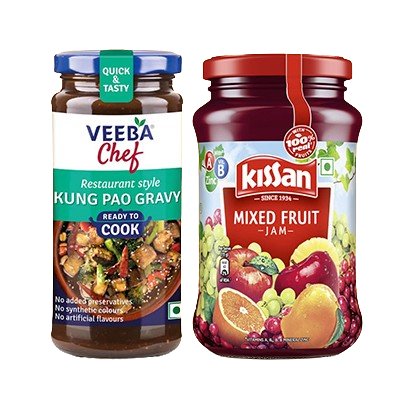
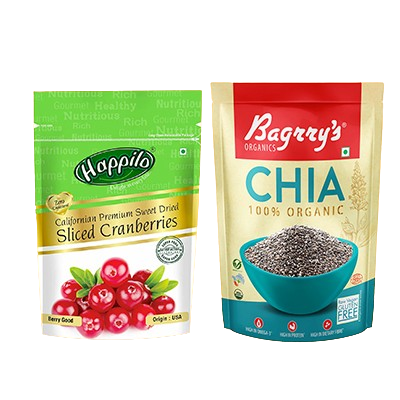




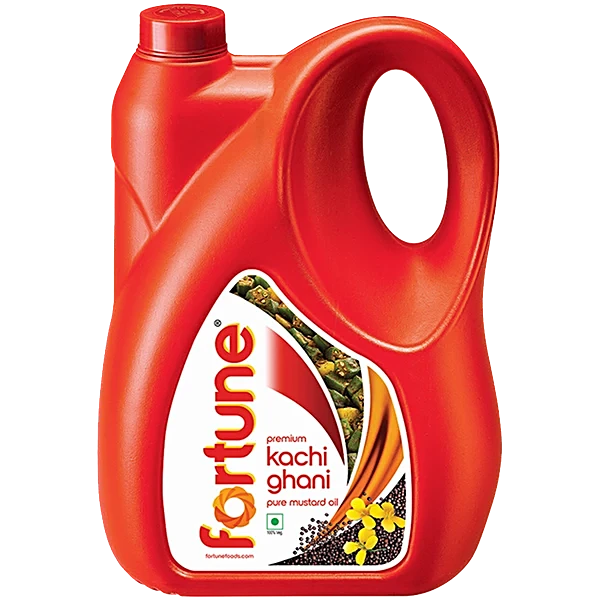
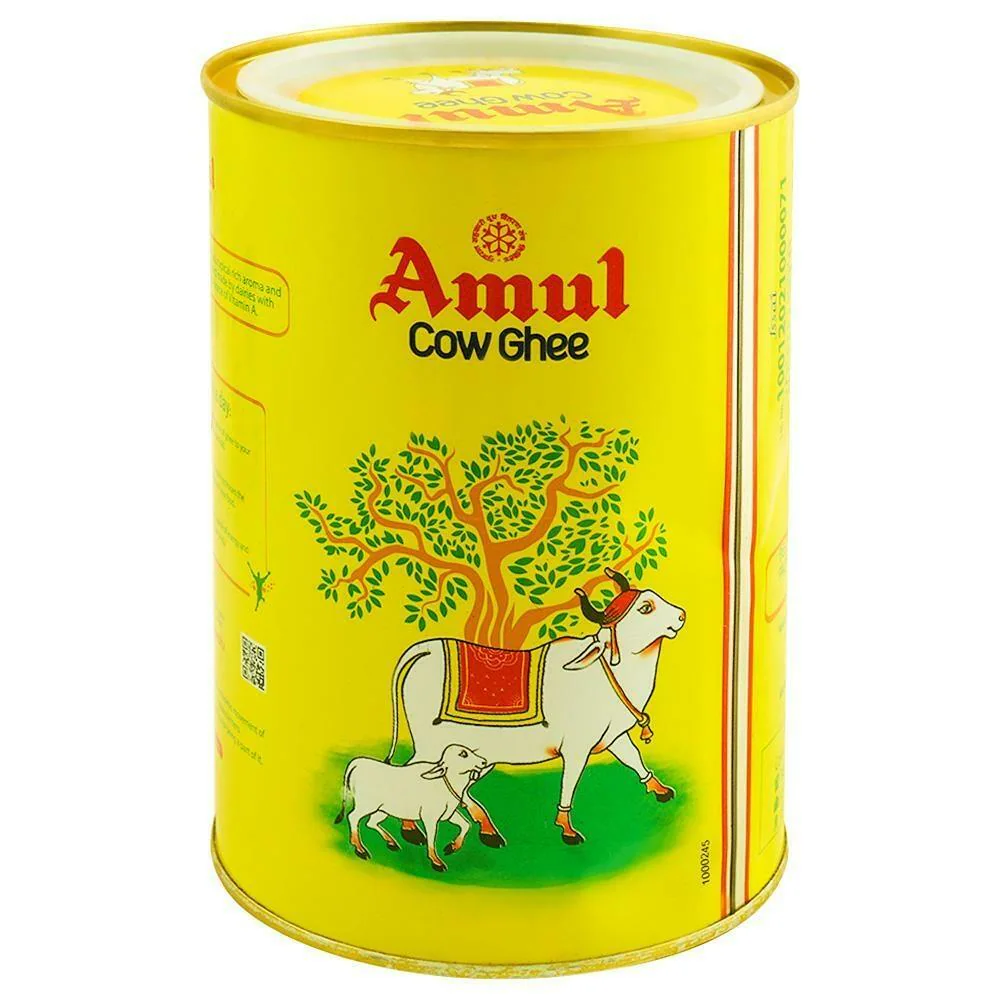


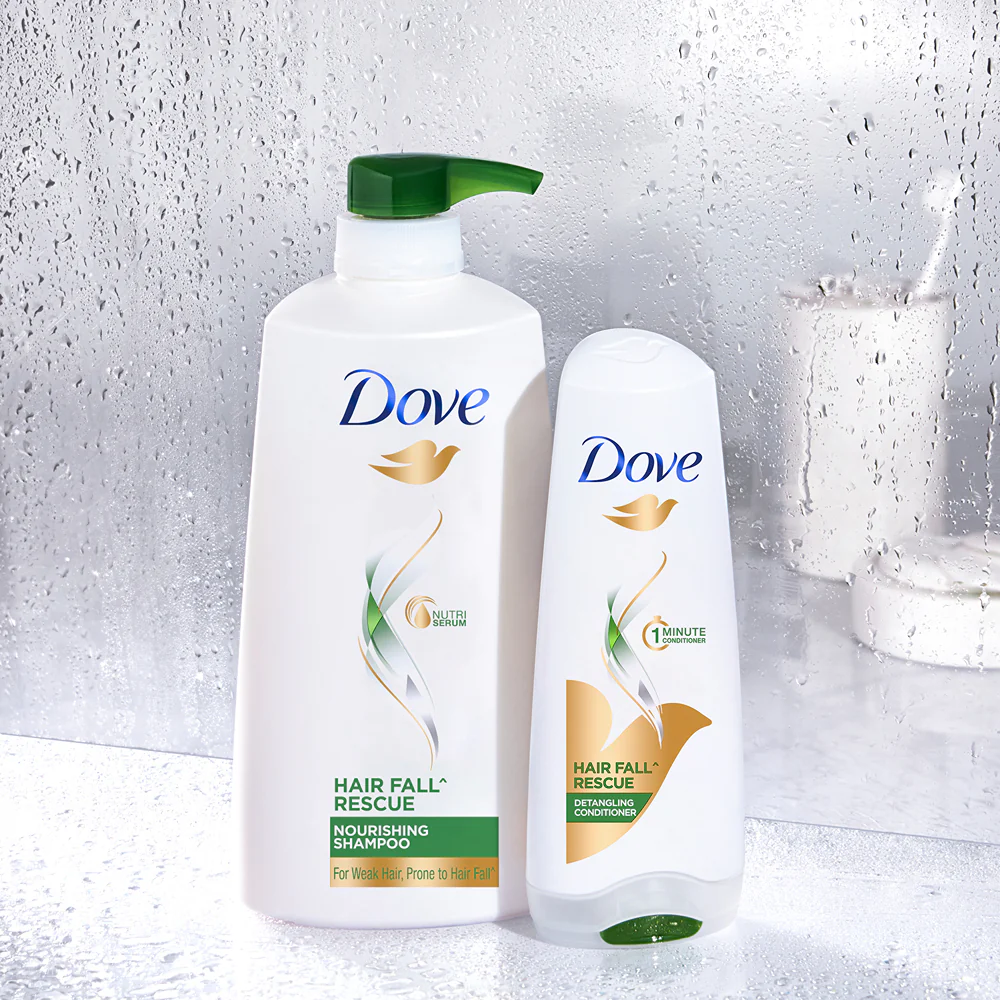

Wide Product Range
Daily-need items under one roof!

Affordable Pricing
Value-conscious pricing strategy!

POS-Enabled Billing System
Modern point-of-sale technology!

Customer Relationship Management (CRM)
Building lasting customer relationships!

Uniform Branding & Store Design
Consistent professional identity!
Localized Product Flexibility
Adapted to local preferences!