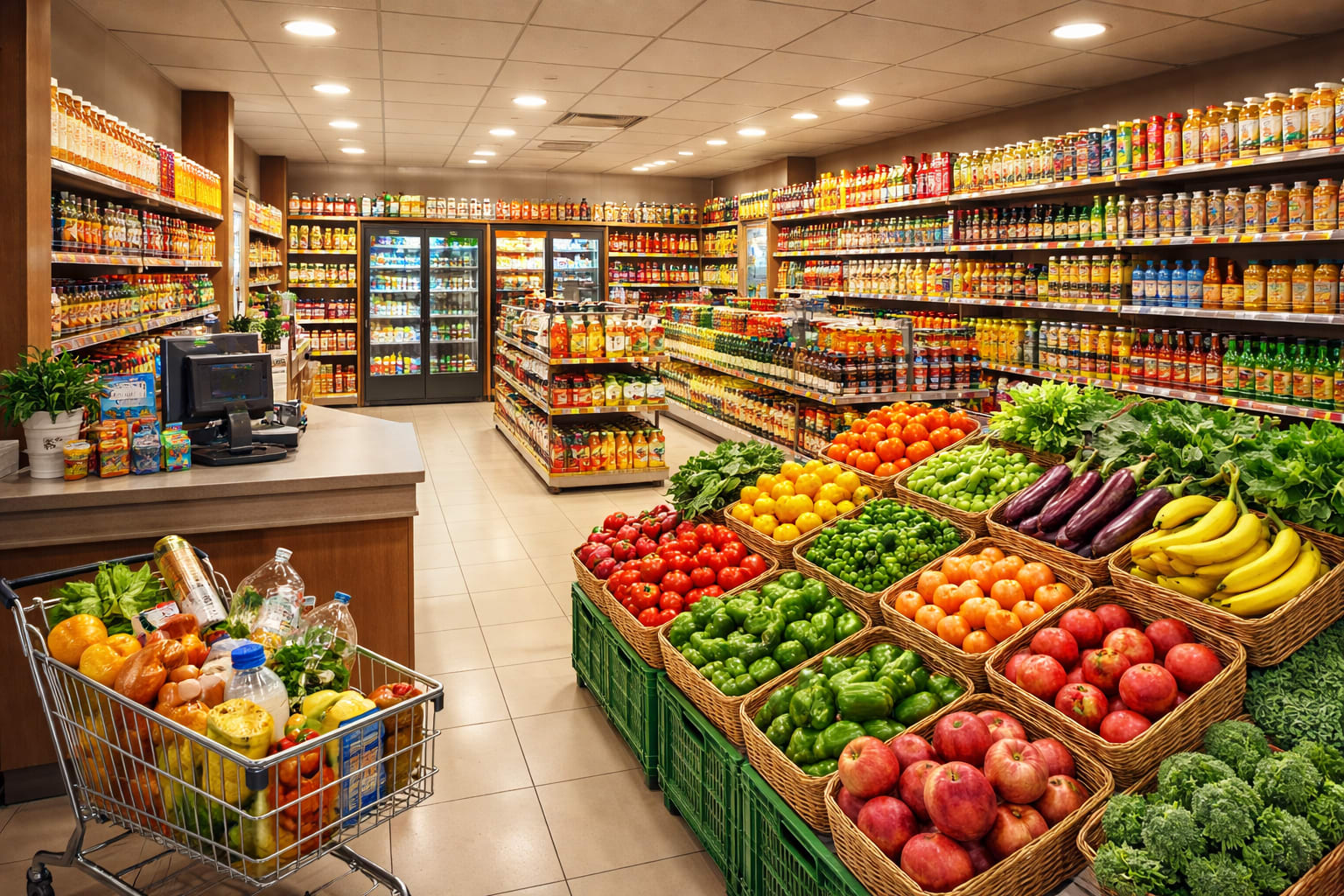
Grocery Franchise Starting from 15 Lakh Mathura | The Buyzaar Mart
Grocery Franchise Starting from 15 Lakh Mathura
- A grocery franchise starting from ₹15 lakh gives aspiring business owners in Mathura a practical entry into organised retail without the heavy capital that large supermarkets demand.
- Mathura combines steady household demand with pilgrim and tourist traffic from Vrindavan and Govardhan, so daily-need stores find buyers in every season.
- The Buyzaar Mart franchise begins at ₹15 lakh, with the final figure depending on the store format, size and location you choose.
- This guide explains what a ₹15 lakh budget is meant to cover, what to keep aside separately, how to make the most of a smaller store and how to decide whether this entry level suits you.
Why a ₹15 Lakh Grocery Franchise Makes Sense in Mathura
A Need-Based Business
- Groceries, staples, snacks and household items are bought every week, so demand does not depend on trends the way fashion or gadgets do.
- Steady repeat buying gives a small neighbourhood store a more predictable base than many other retail categories.
A Growing City with Room for Organised Stores
- New residential colonies are developing along Vrindavan Road, Bharatpur Road and the highway belt, and many of them still rely on scattered small shops.
- Families increasingly prefer printed MRP, clean aisles, barcoded billing and a wider range under one roof.
Visitor Demand as a Bonus
- Festivals such as Holi and Janmashtami bring large crowds, which lifts sales of beverages, packaged foods and daily essentials near busy routes.
- Well-placed stores can serve both residents and visitors, which helps keep footfall healthy across the year.
What "Starting from ₹15 Lakh" Means
- The Buyzaar Mart franchise starts from ₹15 lakh, which is the entry point for the smaller store format rather than a fixed price for every store.
- Your final investment depends on the format, shop size, interiors and the opening stock your location needs.
- The website investment calculator estimates your cost for a Mini Mart, Super Mart or Hyper Mart, so you can plan with clearer numbers before applying.
- Ask the franchise team for a written summary of what your specific figure includes, so there are no surprises later.
What Your Investment Is Meant to Cover
Opening Stock
- A large part of your budget goes into the initial inventory, which fills the shelves with staples, packaged foods, personal care, homecare and beverages.
- Stock is planned around local demand, so popular items are available from the first day.
Store Interiors and Setup
- Shelving, lighting, signage and layout follow the brand format, which gives your store a consistent and professional look.
- A well-organised layout helps customers find products quickly and encourages larger baskets.
Software and Billing Systems
- The software fee covers the billing and inventory tools that help you track sales, stock levels and expiry dates.
- Digital records reduce errors and make it easier to understand which products earn you the most.
Franchise Fee
- The franchise fee gives you the right to operate under the brand and access its model, supply network and support.
Security Deposit
- A security deposit forms part of the agreement, so review the terms carefully and ask how it is handled.
Costs to Keep Aside Separately
- Working capital: Set aside money for the first few months, because sales take time to stabilise while expenses begin immediately.
- Shop rent and advance: If you are renting, plan for the advance and monthly rent, and check the agreement period.
- Staff salaries: Budget for billing and floor staff, and remember that a smaller store still needs reliable people.
- Electricity and utilities: Lighting, refrigeration and billing equipment add to your monthly running cost.
- Licences and registrations: GST, FSSAI and local shop registration involve fees and paperwork.
- Local marketing: Banners, society outreach and opening offers help customers discover your store.
- Buffer fund: Keep a small reserve for repairs, delays or slower early sales.
Which Format Fits a ₹15 Lakh Budget
Mini Mart (600 to 1,000 sq ft)
- The Mini Mart is designed for dense residential colonies, smaller towns and neighbourhood pockets.
- It covers grocery, staples, personal care, beverages, homecare, hygiene, stationery and snacks.
- It suits first-time entrepreneurs who want a manageable start and the option to grow later.
Super Mart (1,001 to 3,000 sq ft)
- The Super Mart serves mid-sized residential and semi-urban markets and adds dairy and fruits and vegetables to the range.
- It needs a larger investment, so discuss the exact cost for your location with the franchise team.
Hyper Mart (3,001 to 8,000 sq ft)
- The Hyper Mart is built for high-footfall commercial zones and adds frozen foods, ready-to-eat items, gifts and toys.
- It suits investors with larger capital and a highly visible location.
How to Make a ₹15 Lakh Store Work in Mathura
Choose the Location Carefully
- A visible ground-floor shop with easy access often matters more than a large floor area for a compact store.
- Prefer areas with strong household density and limited organised competition.
- Check that the property has clean ownership papers and permission for retail use.
Keep Stock Focused
- Give priority to staples, daily-use packaged foods and fast-moving household items that families buy repeatedly.
- Avoid overstocking slow items, since unsold stock blocks cash that a small store needs for rotation.
Serve the Neighbourhood
- Friendly service, fair pricing and consistent availability turn nearby households into regular customers.
- Learn what your locality prefers and adjust your shelf mix with guidance from the brand.
Control Daily Costs
- Track rent, salaries and electricity monthly so you understand your real profit.
- Manage staff timing to match busy and quiet hours in your area.
Smart Budget Planning Tips
- Ask the franchise team for a full cost summary in writing before you arrange funds, so you know exactly what your investment covers.
- Divide your capital into setup money, working capital and a small reserve, and avoid spending everything on interiors.
- Compare funding options such as personal savings, family capital or a bank business loan, and consult a financial advisor before committing.
- Track monthly rent, salaries, electricity and wastage from the first week, because small leaks add up in a compact store.
- Remember that returns differ by location, footfall and daily management, so plan conservatively rather than expecting the best case.
Margin and Risk Protection
- Franchise partners earn an effective gross margin of 18 to 20% on sales, built into the sourcing and supply chain model.
- Gross margin is not net profit, so your final earnings depend on rent, salaries, wastage and other running expenses.
- The Hassle-Free Inventory Assurance policy means expired and damaged goods are taken back by the company.
- This protection reduces the risk of being stuck with unsellable stock, which is an important comfort for first-time owners.
Mathura Locations That Suit a Compact Store
- Residential colonies: Dense housing areas create repeat weekly and monthly shopping, which suits a Mini Mart very well.
- Society and apartment clusters: New apartment complexes give a ready customer base within walking distance of your shop.
- Market-adjacent lanes: Spots near schools, offices and bus routes bring regular walk-in customers throughout the day.
- Highway-side colonies: Areas along main roads combine local households with passing traffic, though parking and access must be checked.
- Tourist-facing routes: Locations near visitor movement can add beverages, snacks and travel essentials to your regular sales.
Support You Get From The Buyzaar Mart
- Supply chain: Purchasing, inventory and timely delivery are handled through the brand network, so you spend less time chasing suppliers.
- Technology: Billing and inventory systems help you track sales, stock levels and expiry dates accurately.
- Training: You and your staff learn billing, stock rotation, merchandising and customer handling.
- Marketing: Launch promotion and ongoing brand support help your store build local awareness faster.
Franchise vs Independent Kirana
- Brand trust: A franchise store benefits from brand recognition, while an independent shop must build trust from scratch.
- Sourcing: Centralised supply reduces the time you spend negotiating with many separate suppliers.
- Systems: Ready billing and inventory tools replace handwritten registers.
- Training: Staff and owners receive guidance that an independent store rarely gets.
- Store look: A branded layout attracts families who prefer clean, organised shopping.
Mathura Seasonal Demand at a Glance
- Holi: Snacks, beverages and festive packaged foods see stronger demand in the weeks around the festival.
- Janmashtami: Crowds in Mathura and Vrindavan lift daily essentials, drinks and packaged foods.
- Govardhan Puja and Diwali: Gifting items, dry goods and festive groceries increase basket size.
- Wedding season: Bulk buying of staples, oil and beverages rises for family events.
- Winter tourist season: Visitor movement supports snacks, drinks and travel essentials in well-placed stores.
Your First 90 Days
- Days 1 to 30: Focus on smooth billing, neat shelves, clean aisles and early customer feedback.
- Days 31 to 60: Adjust stock using real sales data, so popular items stay available and slow items are reduced.
- Days 61 to 90: Promote the store through local WhatsApp groups and society communities, and prepare stock for the next festive season.
Who Should Consider This Entry Level
- First-time entrepreneurs who want a structured brand to guide them.
- Existing kirana owners who want to upgrade to a modern, technology-enabled store.
- Property owners in Mathura with a suitable commercial space.
- Salaried professionals who can manage or closely supervise a store, since the brand expects partners to stay involved.
- Families who want a stable retail business that can grow across generations.
Simple Path to Get Started
- Enquire: Submit the form on thebuyzaarmart.com with your city, preferred format and budget.
- Location review: Share your shop details for feasibility and approval.
- Agreement: Review the franchise agreement and complete documentation.
- Launch: The store is set up, stocked and opened with local promotion and support.
Documents and Compliance
- PAN, Aadhaar or other ID proof, address proof and recent photographs.
- Ownership papers or a registered rent agreement for the shop.
- Business bank account details.
- GST registration and FSSAI licence for selling food and grocery items.
- Shop and establishment registration from the local authority.
Common Mistakes to Avoid
- Spending the entire budget on setup and leaving no working capital.
- Choosing a shop only for low rent without checking footfall and visibility.
- Assuming a store can run without regular owner supervision.
- Overstocking festive or slow-moving items beyond local demand.
- Delaying GST and FSSAI registration until the last minute.
Frequently Asked Questions
What is the starting investment for a grocery franchise in Mathura?
The Buyzaar Mart franchise starts from ₹15 lakh, depending on the format you choose.
Is ₹15 lakh the total cost for every store?
No. The final cost depends on format, size and location, so confirm your figure with the franchise team.
What margin can I expect?
Franchise partners earn an effective gross margin of 18 to 20% on sales.
Do I need extra money for working capital?
Yes. Keep separate funds for rent, salaries and running costs during the early months.
What happens to expired stock?
The company takes back expired and damaged goods under Hassle-Free Inventory Assurance.
Do I need prior grocery experience?
No, but you should be ready to stay actively involved in running the store.
Which licences are required?
You need GST registration, an FSSAI licence and local shop and establishment registration.
Start Your Grocery Franchise Journey in Mathura from ₹15 Lakh
- Mathura's steady household demand plus pilgrim traffic makes grocery one of the most dependable retail businesses in the city.
- Join The Buyzaar Mart franchise network and bring your neighborhood a modern daily needs store built on trust, convenience, and professional retail systems.
- Email: info@thebuyzaarmart.com
- Phone / WhatsApp: 9217991727
- Business Hours: Monday to Saturday, 09:00 AM – 07:00 PM

Store Features & Services
Discover our comprehensive range of services designed to provide the best shopping experience for urban and semi-urban households

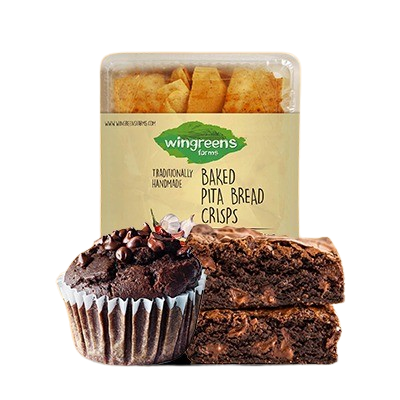

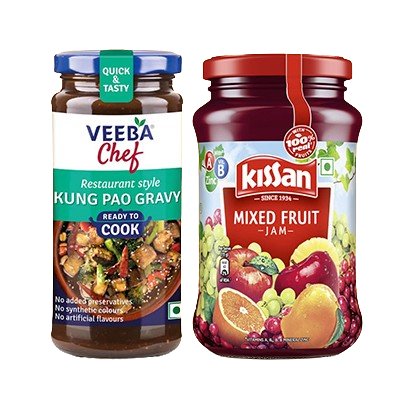
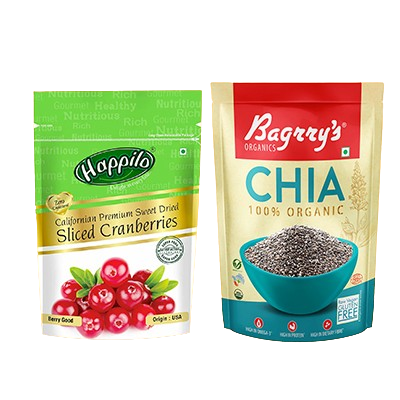
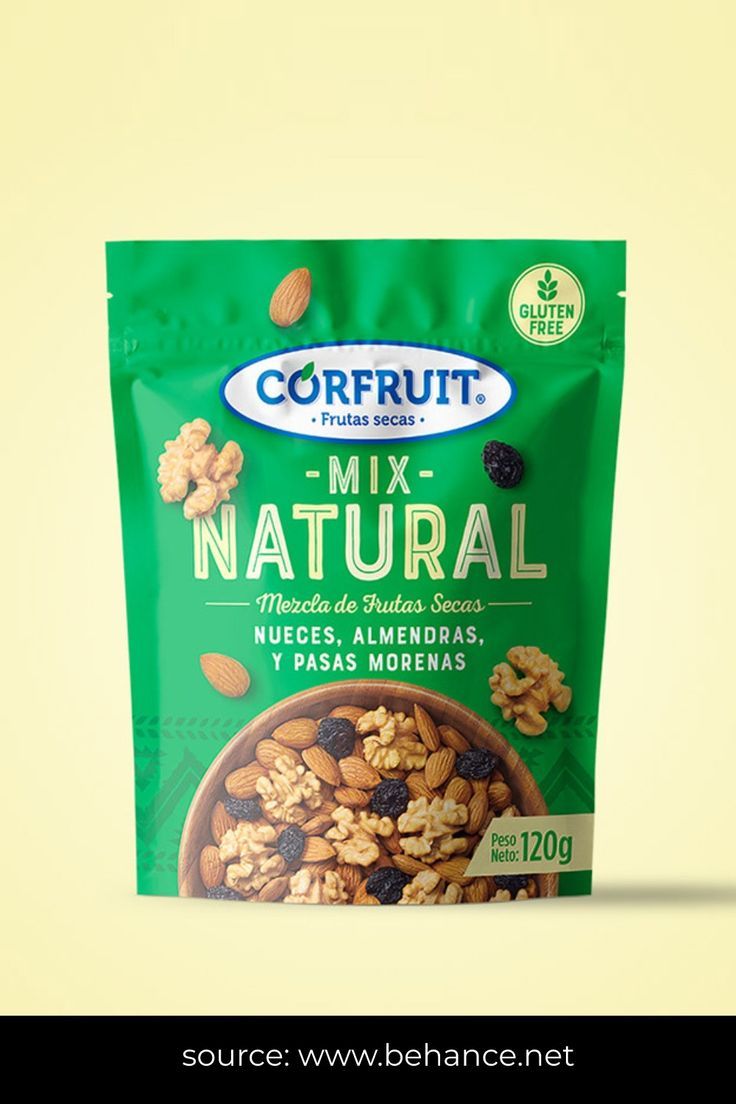



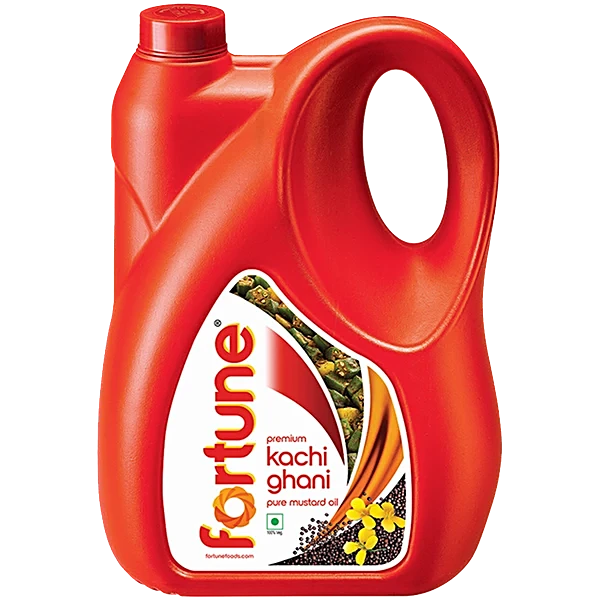
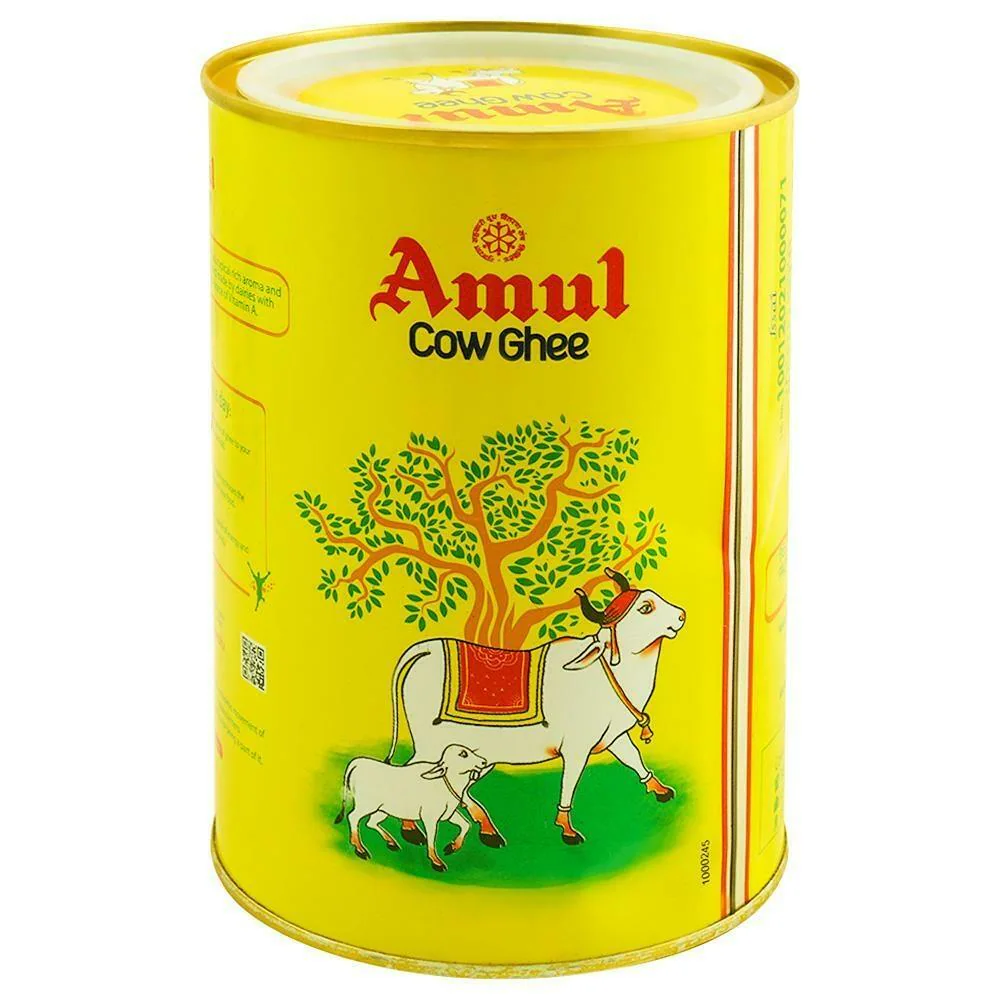


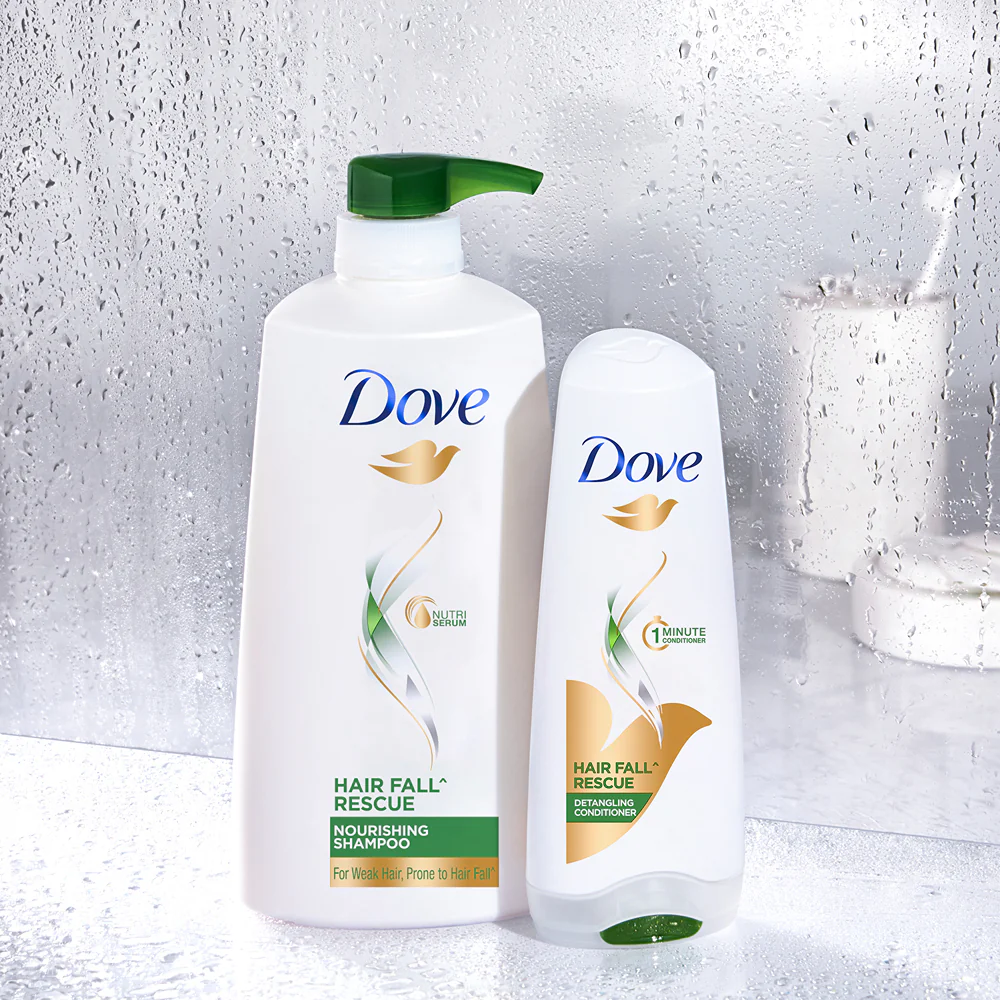

Wide Product Range
Daily-need items under one roof!

Affordable Pricing
Value-conscious pricing strategy!

POS-Enabled Billing System
Modern point-of-sale technology!

Customer Relationship Management (CRM)
Building lasting customer relationships!

Uniform Branding & Store Design
Consistent professional identity!
Localized Product Flexibility
Adapted to local preferences!