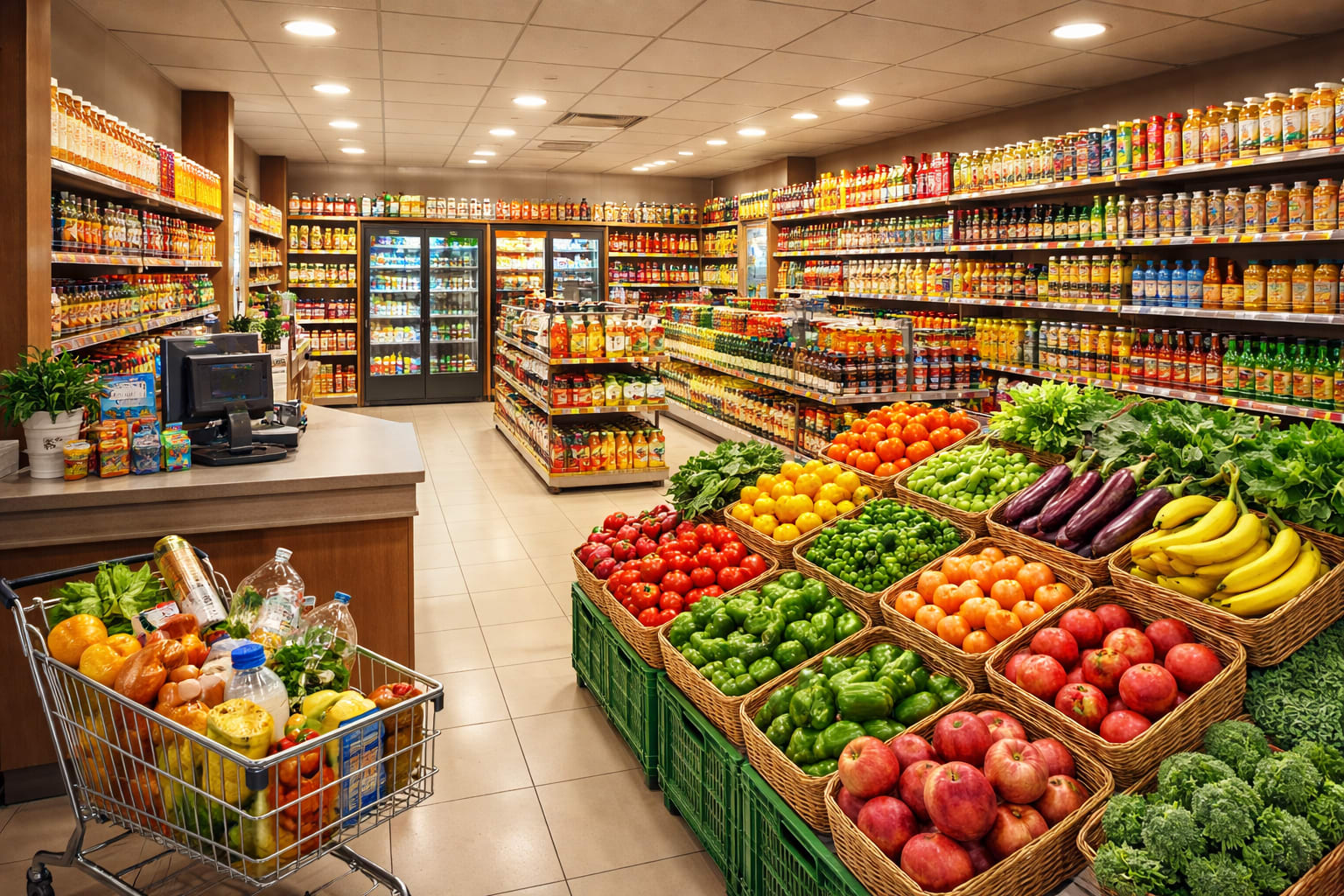
How to Invest in Grocery Franchise Mathura
How to Invest in a Grocery Franchise in Mathura — An Investor's Guide
- Investing in a grocery franchise is different from investing in stocks, mutual funds, or real estate — it's an active business investment that generates returns through retail operations rather than passive appreciation or dividends.
- This guide is written specifically for the investor's perspective: understanding capital allocation, expected returns, risk factors, and how a grocery franchise in Mathura compares to other common investment options.
Why Consider a Grocery Franchise as an Investment
- Grocery retail is one of the more resilient investment categories, since daily-need shopping continues regardless of broader economic cycles.
- Unlike trend-driven categories like apparel or electronics, grocery demand remains fairly stable across seasons, with additional spikes during festivals.
- Mathura specifically offers a dual demand base — steady local residents plus seasonal religious tourism — which can support more consistent revenue than a purely residential or purely commercial market.
- A franchise structure reduces investment risk compared to starting an independent grocery business, since systems, supply chain, and branding are already established.
- Returns come from active business operations, meaning investment performance is tied to how well the store is run, not just market movements.
How Grocery Franchise Investment Compares to Other Options
- Fixed Deposits: Offer guaranteed but relatively low returns, with no active involvement required; a grocery franchise offers higher potential returns but requires operational engagement.
- Mutual Funds and Equity: Subject to market volatility and offer no control over underlying performance; a franchise investment gives direct influence over how the business is run.
- Real Estate: Typically requires larger capital and offers slower appreciation; a grocery franchise can generate active monthly cash flow rather than long-term price appreciation alone.
- Independent Business Ventures: Carry higher risk due to lack of proven systems; a franchise reduces this risk through established supply chain and operational support.
- Grocery franchise investment sits in a middle ground — higher effort than passive instruments, but potentially higher and faster returns than most conventional investment options.
Understanding the Investment Structure
- Minimum investment for a Buyzaar Mart grocery franchise in Mathura starts from ₹15 lakh onwards, depending on store format.
- Investment is divided into stock, interior setup, POS/software fee, franchise fee inclusive of 18% GST, and a refundable security deposit.
- The security deposit is distinct from the one-time franchise fee and is returned as per the terms of the franchise agreement.
- Working capital beyond the initial investment should be planned separately, covering the first few months before the store reaches consistent sales.
- An online investment calculator on the brand's website helps estimate location- and format-specific costs before committing capital.
Store Formats and Their Investment Implications
- Mini Mart (600–1,000 sq ft): Lower investment entry point, suited for residential-area demand with steadier, smaller-scale returns.
- Super Mart (1,001–3,000 sq ft): Mid-range investment, suited for higher-footfall commercial locations with greater revenue potential.
- Hyper Mart (3,001–8,000 sq ft): Higher investment requirement, suited for high-density or highway-facing locations with the largest revenue ceiling.
- Investors with limited initial capital often start with a Mini Mart and reinvest profits into a larger format or additional outlet later.
- Format choice should balance available capital against the realistic footfall potential of your chosen Mathura location.
Expected Returns and Margin Structure
- Franchise partners can expect an effective gross margin of around 18–20% on retail sales.
- Actual investor returns depend on the operating model chosen — FOCM, or FOCO — since each has a different cost and involvement structure.
- Break-even timelines vary by store format and location, but grocery retail generally reaches stable monthly performance faster than seasonal retail categories.
- Festival-driven demand spikes in Mathura, tied to events like Janmashtami, can meaningfully boost short-term revenue and should be factored into annual return projections.
- Detailed, location-specific financial projections are typically shared during the franchise discussion stage before finalizing an investment amount.
Risk Factors to Understand Before Investing
- Location risk: Choosing a property with poor visibility or low footfall can significantly affect returns regardless of the brand or category.
- Operational risk: Inconsistent staff management or poor inventory handling can erode margins, particularly in a low-margin, high-volume category like grocery.
- Working capital risk: Underestimating the funds needed for the first few months can strain the business before it stabilizes.
- Competitive risk: While Mathura currently has limited organized retail competition, this could change as the market develops.
- Seasonal dependency risk: Locations heavily reliant on pilgrim footfall may see sharper revenue fluctuations between peak and off-peak periods.
- A franchise model mitigates several of these risks through standardized systems, training, and supply chain support, but doesn't eliminate them entirely.
Choosing an Investment Involvement Level
- FOCM, Franchise Owned, Company Managed: Suited for investors who want ownership control with company support handling daily execution.
- FOCO, Franchise Owned, Company Operated: Suited for more passive investors who want minimal day-to-day involvement, with the company managing nearly all operations.
- Investment returns and involvement are directly linked — more active models generally mean the investor retains more overall control over profit outcomes.
- Choosing the right involvement level should be based on how much time you can realistically dedicate, alongside your financial goals.
Due Diligence Steps Before Investing
- Review the franchise's track record across other cities, including how long the brand has been operating and its current store network.
- Understand the complete fee structure, including what's covered under the franchise fee versus what requires separate investment.
- Ask for location-specific footfall data or comparable performance figures from similar-format stores in other cities.
- Clarify the terms of the franchise agreement, particularly around renewal, termination, and any performance-linked clauses.
- Speak with the franchise team about realistic break-even timelines and how they're calculated for a Mathura-specific location.
Evaluating a Mathura Location From an Investment Standpoint
- Residential-area locations tend to offer more stable, predictable daily revenue from routine grocery shopping.
- Locations near temples or transit points can offer higher peak revenue but may see sharper dips during off-season periods.
- Highway-facing properties near NH-19 can support larger-format stores with a broader customer base, though they typically require higher upfront investment.
- A proper site evaluation — assessing footfall, visibility, and accessibility — should be treated as a core part of your investment due diligence, not a formality.
- Local knowledge of Mathura's neighborhoods can help identify locations with strong underlying demand that might not be obvious from general market data alone.
Building a Financial Plan Before Investing
- Calculate your total available capital, separating funds for initial setup versus working capital reserves.
- Factor in a conservative break-even timeline rather than assuming immediate profitability from month one.
- Plan for seasonal revenue fluctuations tied to Mathura's religious tourism calendar, rather than assuming flat monthly performance.
- Decide in advance how profits will be reinvested — whether toward store improvement, marketing, or eventually a second outlet.
- Review your financial plan periodically against actual store performance reports to adjust expectations and strategy over time.
How Ongoing Brand Support Affects Investment Outcomes
- Centralized supply chain access helps maintain consistent product pricing, directly protecting profit margins.
- Predictive inventory tools reduce wastage and stockouts, both of which can otherwise erode returns.
- Marketing support, especially around launch and festival periods, helps drive footfall without requiring the investor to build a marketing strategy independently.
- Periodic performance reviews from the brand's central team provide investors with data to make informed decisions about reinvestment or expansion.
- This ongoing support is one of the key reasons franchise investment often outperforms a similarly capitalized independent retail venture.
Long-Term Investment Growth Potential
- A well-performing first outlet in Mathura can serve as the financial and operational foundation for a second store, either in the city or a nearby town.
- Multi-store investors benefit from shared operational efficiencies, such as better-negotiated bulk stocking and shared learnings across locations.
- Reinvesting early profits into store improvements or expansion can compound returns over a multi-year horizon.
- Investors focused on long-term growth often start with a more actively involved model and shift toward a more passive structure as they scale to multiple outlets.
Frequently Asked Questions (FAQs)
How much do I need to invest in a grocery franchise in Mathura?
Investment starts from ₹15 lakh onwards, depending on the store format chosen.
What returns can I expect from a grocery franchise investment?
Franchise partners can expect an effective gross margin of around 18–20% on retail sales, with actual returns depending on the operating model chosen.
Is this a passive or active investment?
It can be either — FOCM and FOCO offer more supported or largely passive involvement levels.
What are the biggest risks of investing in a grocery franchise?
Location selection, working capital planning, and operational management are the primary risk factors to manage carefully.
How does a franchise reduce investment risk compared to an independent store?
Through established supply chain relationships, standardized systems, training, and ongoing operational support from the brand.
Can I reinvest profits to expand into a second store?
Yes, once your first Mathura outlet stabilizes, profits can be reinvested toward opening additional stores in the city or nearby areas.
Begin Your Grocery Franchise Investment in Mathura
Discuss your investment capacity, preferred store format, involvement model, location, expected returns, and financial planning requirements with The Buyzaar Mart team.
Receive guidance on investment components, site evaluation, operating models, working capital, and long-term expansion planning for your Mathura grocery franchise.
Email: info@thebuyzaarmart.com
Phone / WhatsApp: 9217991727
Business Hours: Monday to Saturday, 09:00 AM – 07:00 PM

Store Features & Services
Discover our comprehensive range of services designed to provide the best shopping experience for urban and semi-urban households




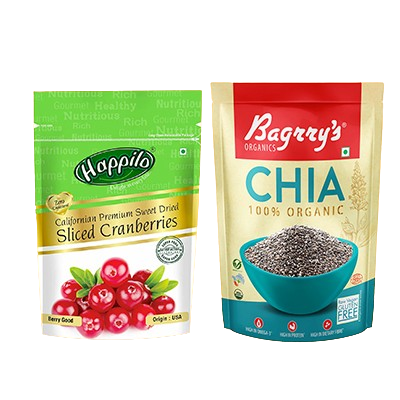




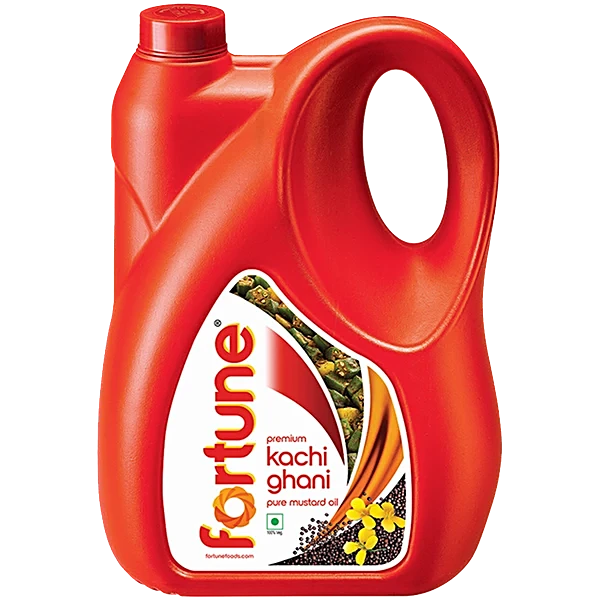
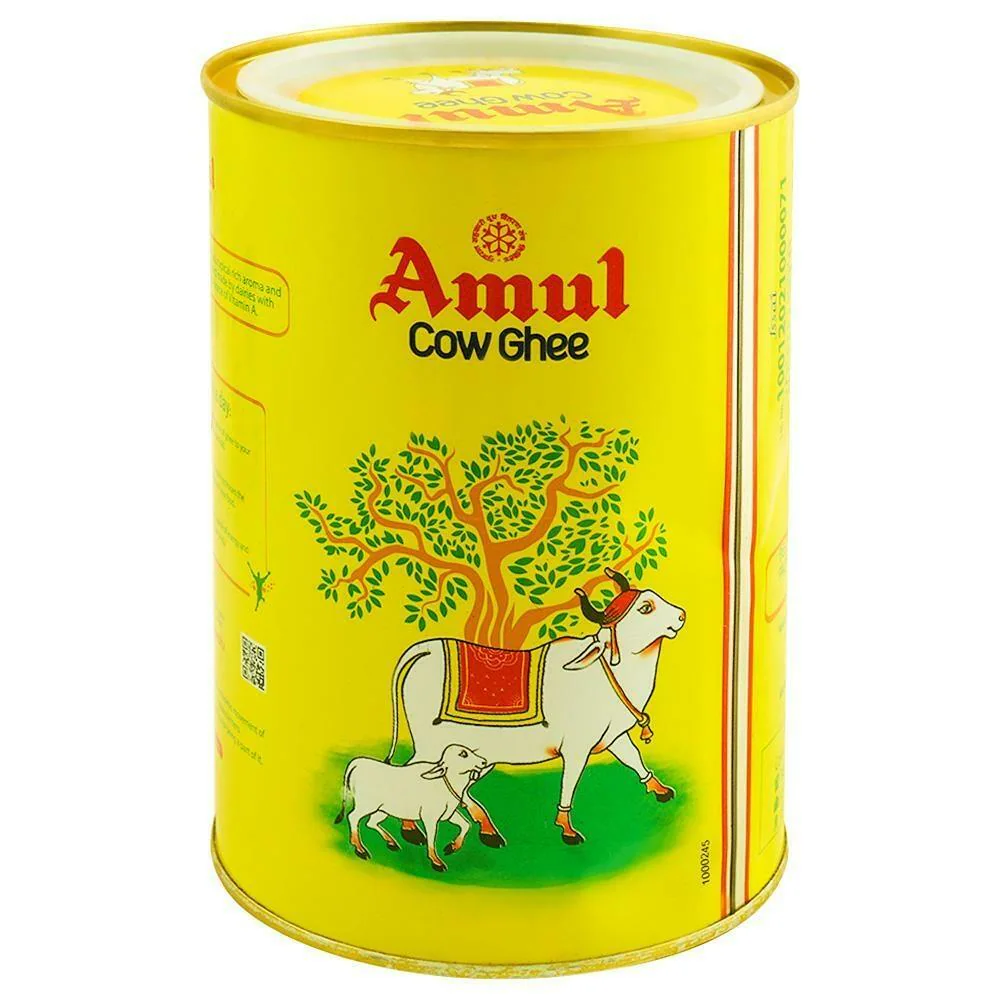




Wide Product Range
Daily-need items under one roof!

Affordable Pricing
Value-conscious pricing strategy!

POS-Enabled Billing System
Modern point-of-sale technology!

Customer Relationship Management (CRM)
Building lasting customer relationships!

Uniform Branding & Store Design
Consistent professional identity!
Localized Product Flexibility
Adapted to local preferences!