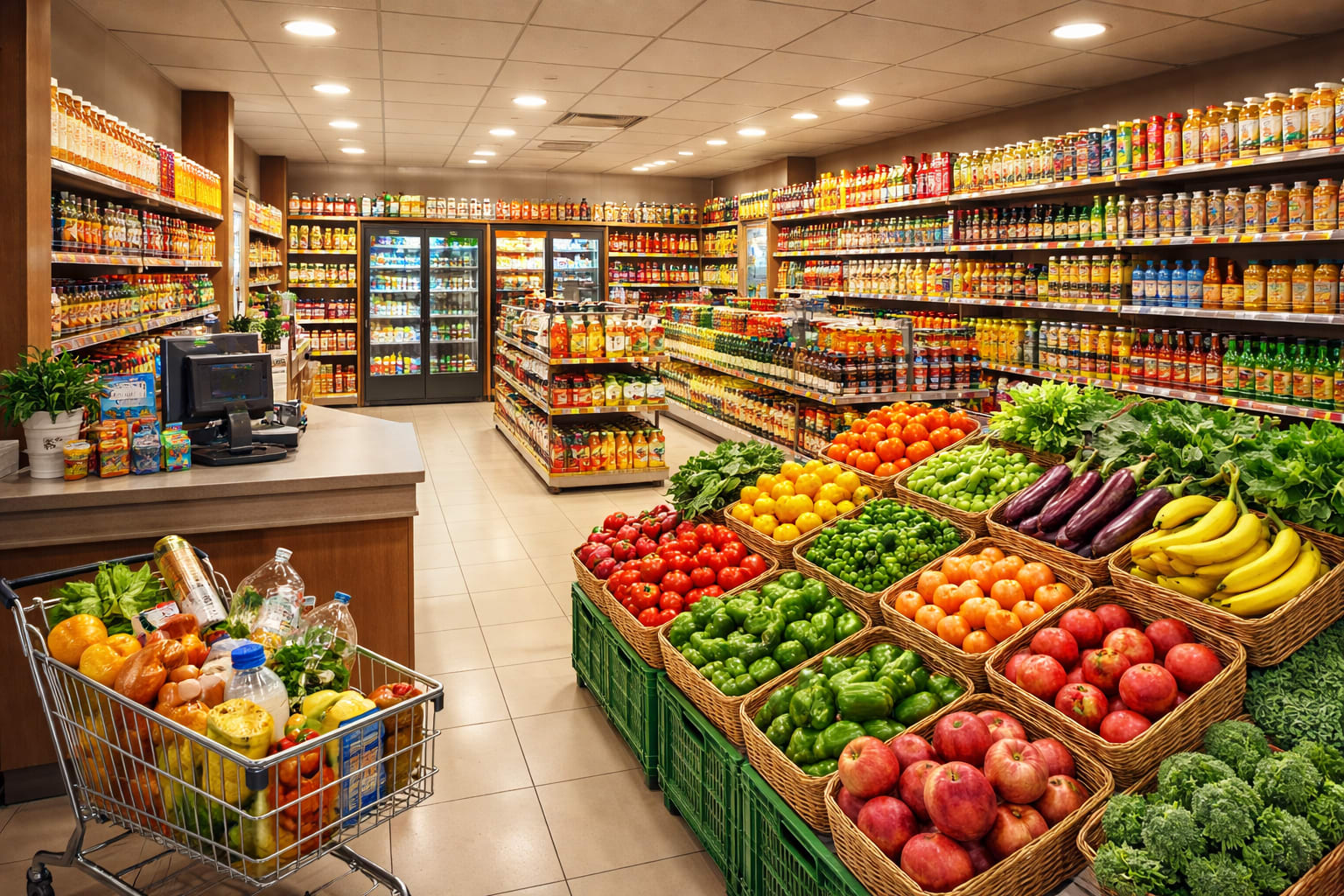
How to Open Grocery Franchise in Mathura
How to Open a Grocery Franchise in Mathura — A Category-Focused Guide
Grocery retail works differently from general merchandise or apparel franchises — stock turnover is faster, margins are thinner per item but higher in volume, and customer trust depends heavily on freshness, pricing consistency, and daily-need availability. If you're specifically looking to open a grocery franchise in Mathura, this guide focuses on what makes grocery retail unique, what product categories to plan for, and how a structured franchise model like The Buyzaar Mart simplifies this process.
Why Grocery Retail Is Different From Other Retail Categories
- Grocery stores see far higher purchase frequency than apparel, electronics, or lifestyle retail, since customers restock daily-use items every few days.
- Margins per item are generally lower in grocery, but consistent repeat purchases make up for this through volume.
- Inventory management is more demanding, since grocery includes perishables, short-shelf-life items, and fast-moving FMCG products.
- Customer loyalty in grocery is driven more by pricing consistency, product availability, and convenience than by branding alone.
- A grocery franchise needs tighter supply chain coordination compared to other retail categories, since stockouts directly affect daily customer trust.
Why Mathura Is a Strong Market Specifically for Grocery Retail
- Mathura's residential population needs consistent daily-use grocery access, independent of the city's tourism cycles.
- Seasonal pilgrim footfall adds a secondary demand layer for packaged snacks, bottled water, and prasad-related items during festivals.
- The city currently has very few organized, branded grocery chains, leaving daily shopping largely dependent on traditional kirana stores.
- Growing residential development around areas like Vrindavan Road and Krishna Nagar is expanding the base of households needing regular grocery access.
- Local working population tied to small industries and educational institutions adds another steady grocery-shopping segment.
Grocery Product Categories to Plan For
- Staples: Rice, atta, pulses, cooking oil, and sugar — the core, high-frequency purchase category in any grocery store.
- Packaged FMCG: Biscuits, snacks, beverages, and branded packaged foods from companies like Britannia, Parle, and ITC.
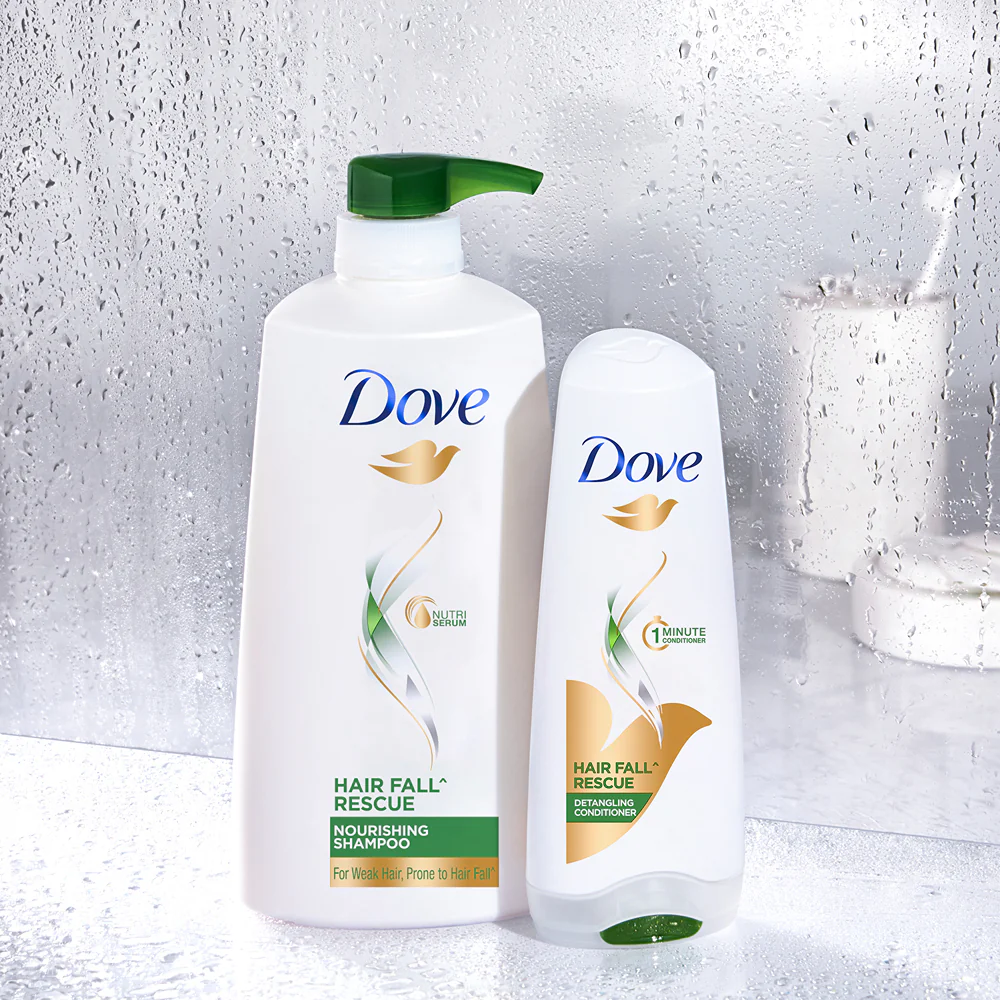
- Personal care and household items: Soaps, detergents, and daily-use toiletries from brands like HUL, Godrej, and P&G.
- Dairy and perishables: Milk, curd, and short-shelf-life items that require careful stock rotation.
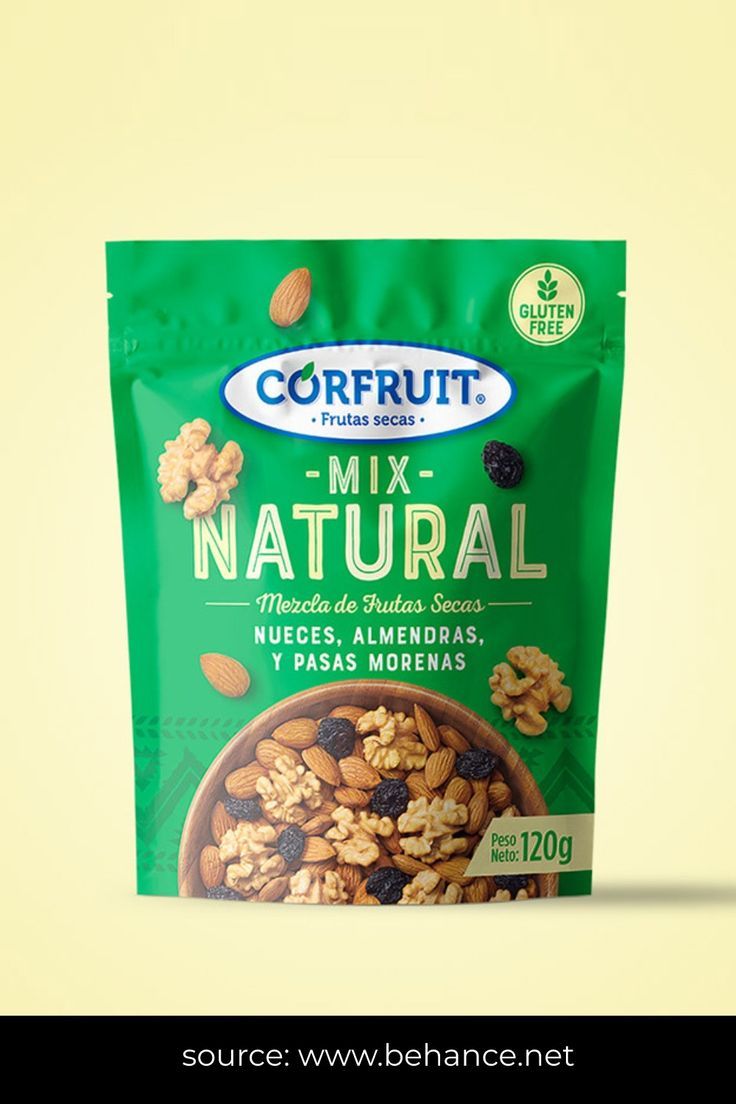
- Festive and religious items: Packaged sweets, dry fruits, and prasad-related products, which see spikes around Mathura's festival calendar.
- Region-specific items: Products that reflect local buying preferences, adjusted based on the specific neighborhood within Mathura.
Choosing the Right Grocery Store Format
- Mini Mart (600–1,000 sq ft): Suited for residential colonies where customers shop frequently for daily staples.
- Super Mart (1,001–3,000 sq ft): Suited for busier market areas offering a broader FMCG and household range.
- Hyper Mart (3,001–8,000 sq ft): Suited for high-footfall or highway-facing locations that can support a wider grocery and general merchandise mix.
- Grocery-specific formats need more shelving depth for staples and refrigeration space for dairy, compared to general merchandise stores.
- Format choice should reflect how much of your customer base is daily residential shoppers versus occasional bulk buyers.
Investment Considerations Specific to Grocery Franchises
- Grocery franchises typically require higher initial stock investment relative to store size, since staples and FMCG need continuous shelf-stocking.
- Minimum investment for a grocery franchise like The Buyzaar Mart starts from ₹15 lakh onwards, depending on format.
- Investment components include stock, interior setup, POS/software fee, franchise fee (inclusive of 18% GST), and a refundable security deposit.
- Refrigeration and cold-storage setup for dairy and perishables may add to interior costs compared to non-grocery retail formats.
- Working capital planning should account for faster restocking cycles typical of grocery categories.
Supply Chain Requirements for a Grocery Franchise
- Grocery retail depends heavily on consistent restocking cycles, since staples and FMCG move faster than other retail categories.
- Centralized supply chain access to established FMCG brands ensures pricing consistency and reduces the risk of stockouts.
- A franchise model connects Mathura store owners to vendor relationships already built with companies like Nestlé, Dabur, Patanjali, and Marico.
- Predictive inventory tools help balance fast-moving staples against slower-moving specialty items, reducing wastage.
- Independent grocery store owners often struggle with inconsistent vendor pricing, which a franchise's centralized sourcing directly addresses.
Licensing Requirements Specific to Grocery Stores
- FSSAI License: Mandatory for any store selling packaged or perishable food items, making it a non-negotiable requirement for grocery retail.
- GST Registration: Required for tax compliance on grocery sales and applicable franchise transactions.
- Trade License: Local municipal registration needed to legally operate a grocery retail establishment in Mathura.
- Weights and Measures Compliance: Relevant if the store sells loose or weighed grocery items.
- Franchise brands typically guide new store owners through these grocery-specific compliance requirements, reducing setup delays.
Pricing Strategy for a Grocery Franchise in Mathura
- Grocery pricing needs to stay competitive against local unorganized kirana stores, which often price flexibly and informally.
- Transparent, fixed pricing — a hallmark of organized grocery retail — helps build trust faster than negotiable pricing at traditional stores.
- Bundled or combo pricing on staples can encourage larger basket sizes during customer visits.
- Seasonal pricing adjustments around festivals can help capture higher demand for prasad items, dry fruits, and packaged sweets.
- A franchise model typically provides pricing guidelines based on category and local market data, reducing guesswork for new store owners.
Staffing Needs for a Grocery Store
- Grocery stores require staff familiar with fast billing cycles, since customer footfall tends to be higher-frequency than other retail categories.
- Staff should be trained specifically on handling perishables, stock rotation, and expiry tracking.
- Billing counter efficiency matters more in grocery retail, since customers expect quick checkout for daily-use purchases.
- POS-enabled systems reduce billing errors, which is especially important given the high transaction volume in grocery retail.
- Franchise brands typically provide structured training modules covering these grocery-specific operational needs.
Managing Perishables and Stock Rotation
- Perishable categories like dairy require careful, frequent restocking to avoid spoilage-related losses.
- FIFO (first-in-first-out) stock rotation practices are essential for grocery categories with shorter shelf lives.
- Predictive inventory systems help forecast demand for perishables based on past sales patterns specific to the Mathura store's location.
- Wastage tracking should be a regular part of store operations, since perishable losses directly affect grocery margins.
- Franchise-provided backend tools typically support this level of inventory discipline more effectively than manual, independent tracking.
Marketing Approach for a Grocery Franchise
- Grocery marketing focuses more on convenience, pricing transparency, and consistent availability than lifestyle branding.
- Local area promotional campaigns around store launch help establish early footfall from nearby residential pockets.
- Festival-specific promotions — especially around Mathura's religious calendar — can significantly boost seasonal grocery sales.
- Listing the store on local directories and Google Maps improves visibility for nearby daily shoppers.
- Word-of-mouth and repeat-customer loyalty matter more in grocery retail than one-time promotional pushes.
Step-by-Step Process to Open a Grocery Franchise in Mathura
- Submit an inquiry: Visit thebuyzaarmart.com and fill out the franchise form, selecting Mathura as your city and grocery retail as your interest.
- Discuss format and budget: The franchise team reviews your investment capacity and recommends a suitable grocery store format.
- Evaluate your property: The team assesses your proposed site specifically for grocery footfall potential, including residential proximity.
- Complete documentation: KYC, property documents, and the franchise agreement are reviewed and signed.
- Set up your store: Interior work, shelving, refrigeration (if needed), branding, and POS installation are completed.
- Train your staff: Staff receive grocery-specific training on billing, perishable handling, and stock rotation.
- Launch your store: A structured grocery-focused launch plan, including local marketing, is executed.
- Receive ongoing support: Continued supply chain coordination and inventory prediction support follow post-launch.
Common Mistakes to Avoid When Opening a Grocery Franchise
- Underestimating restocking frequency needed for staples and perishables compared to other retail categories.
- Choosing a store format larger than what the local residential catchment can realistically support.
- Ignoring refrigeration or cold-storage needs when planning interior setup and budget.
- Pricing grocery items without considering local competition from unorganized kirana stores.
- Skipping proper staff training on perishable handling, leading to avoidable stock wastage.
Why a Franchise Model Simplifies Grocery-Specific Challenges
- Centralized supply chain access reduces the vendor management burden that independent grocery owners typically face.
- Predictive inventory tools address the unique stock rotation challenges of perishable and fast-moving categories.
- Standardized pricing guidance helps new store owners compete effectively against informal, unorganized retail.
- Structured staff training ensures billing speed and perishable handling meet customer expectations from day one.
- Ongoing operational support continues well beyond the initial store setup, addressing challenges as the grocery business scales.
Frequently Asked Questions (FAQs)
What makes opening a grocery franchise different from other retail franchises?
Grocery retail involves faster stock turnover, perishable handling, and higher purchase frequency compared to other retail categories.
What licenses are specifically required for a grocery store in Mathura?
FSSAI license, GST registration, trade license, and weights and measures compliance for loose items are typically required.
How much investment is needed to open a grocery franchise in Mathura?
Investment starts from ₹15 lakh onwards under The Buyzaar Mart franchise, depending on the store format chosen.
How is perishable stock managed in a grocery franchise?
Through FIFO stock rotation practices and predictive inventory tools that help forecast demand and reduce wastage.
What grocery categories should I plan to stock?
Staples, packaged FMCG, personal care items, dairy and perishables, and festive or region-specific products.
Does a franchise help with grocery-specific supply chain needs?
Yes, franchise brands provide centralized supply chain access to established FMCG companies, reducing vendor management burden.
Start Your Grocery Franchise Journey in Mathura
Mathura's daily consumer economy offers one of the most reliable opportunities for a branded FMCG retail store.
Join The Buyzaar Mart franchise network and bring your neighborhood a modern daily needs store built on trust, convenience, and professional retail systems.
Email: info@thebuyzaarmart.com
Phone / WhatsApp: 9217991727
Business Hours: Monday to Saturday, 09:00 AM – 07:00 PM

Store Features & Services
Discover our comprehensive range of services designed to provide the best shopping experience for urban and semi-urban households
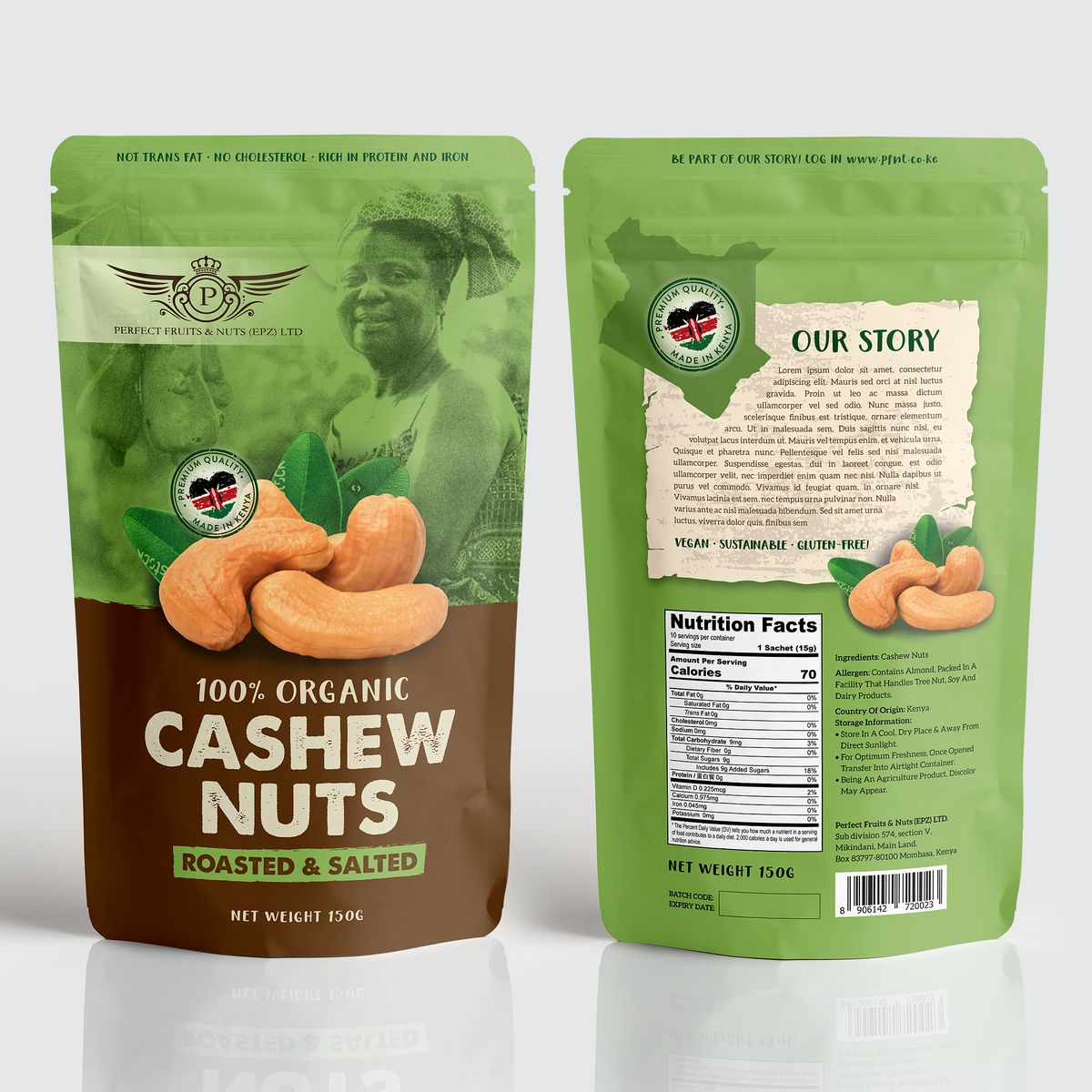
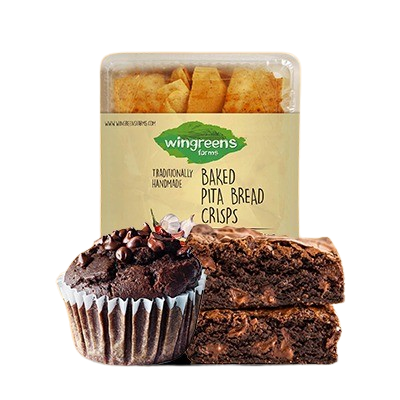

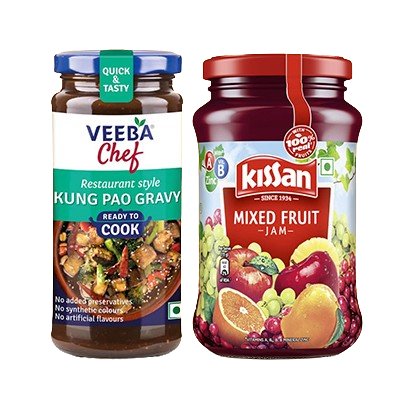
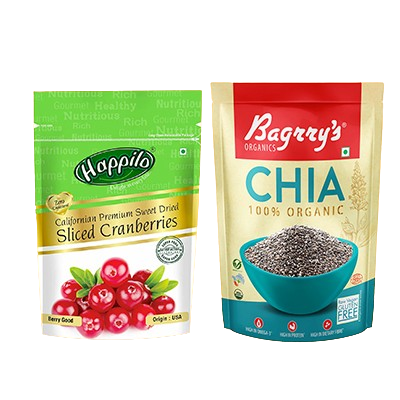





Wide Product Range
Daily-need items under one roof!

Affordable Pricing
Value-conscious pricing strategy!

POS-Enabled Billing System
Modern point-of-sale technology!

Customer Relationship Management (CRM)
Building lasting customer relationships!

Uniform Branding & Store Design
Consistent professional identity!
Localized Product Flexibility
Adapted to local preferences!