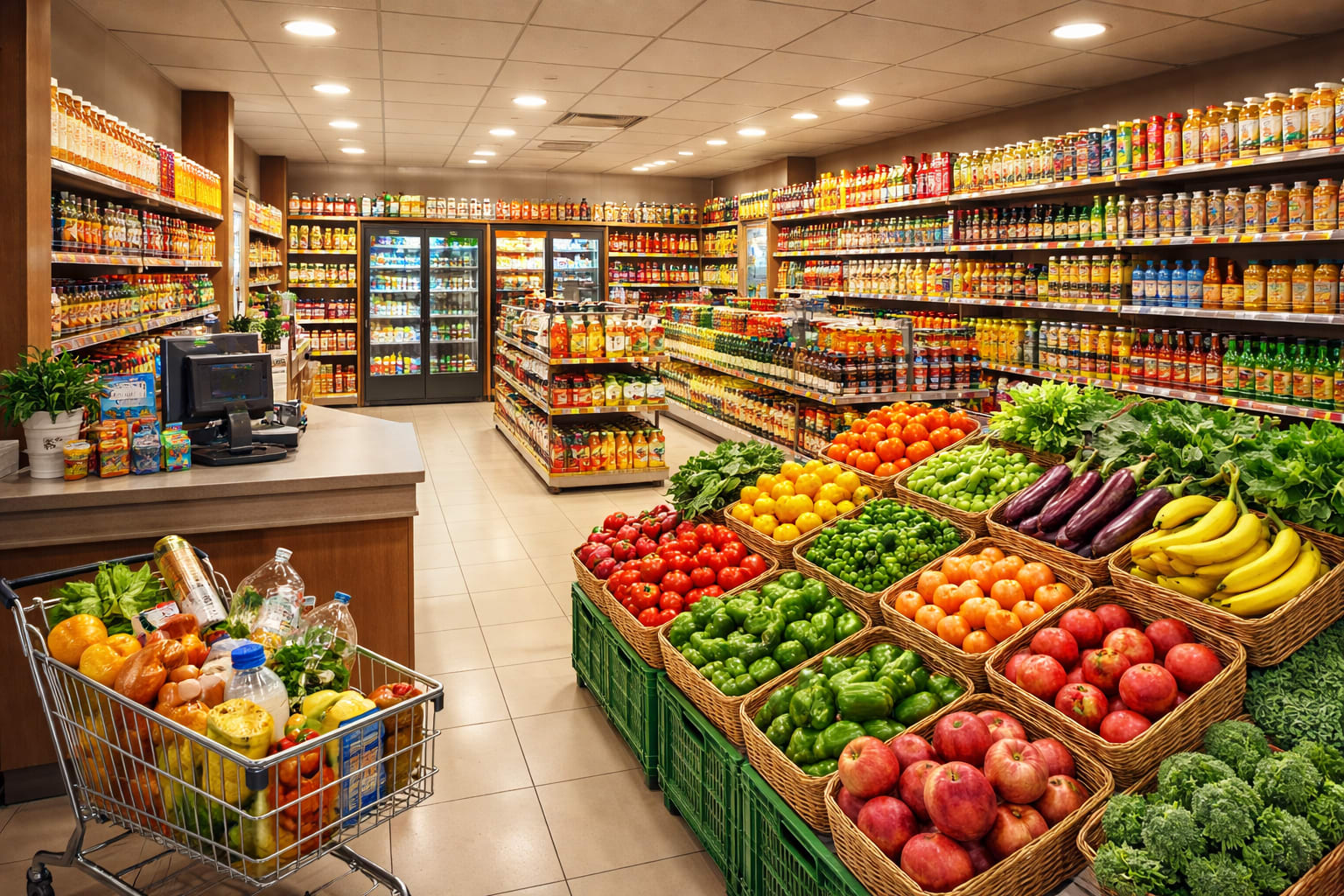
How to Take Franchise of Grocery Mart in Mathura
How to Take a Grocery Mart Franchise in Mathura
- Taking a grocery mart franchise in Mathura is a major business decision, so it pays to compare options, ask the right questions and choose the right format before you commit any capital.
- Mathura offers steady household demand plus pilgrim and tourist traffic from Vrindavan and Govardhan, which gives a well-run grocery mart many buying occasions through the year.
- Grocery is a need-based category, so families keep buying staples, dairy, snacks and household items in every season, which protects you from the sharp swings seen in luxury retail.
- This guide shows how to evaluate a grocery mart franchise, pick the right format, plan your budget and your first 90 days, and avoid common mistakes with The Buyzaar Mart.
Why Take a Franchise Instead of Starting Independently
- A franchise gives you a proven business model, so you are not testing layouts, product ranges and pricing by trial and error with your own money.
- Brand recognition helps customers trust a new store faster than an unknown independent shop, which shortens the time needed to build regular footfall.
- Centralised sourcing and supply support help you keep shelves stocked without negotiating with dozens of separate suppliers on your own.
- Billing and inventory systems come ready, so tracking sales, stock and expiry does not depend on handwritten registers or guesswork.
- Training and launch support shorten the learning curve, which is especially useful for first-time business owners who have never managed staff or stock.
- Compared with an ordinary kirana, a branded mart looks cleaner, feels more organised and can attract families who now prefer modern shopping.
Understand What You Are Taking
The Buyzaar Mart Approach
- The Buyzaar Mart is a neighbourhood grocery and FMCG franchise designed around how families in Uttar Pradesh and North India actually shop every week.
- The range covers groceries, staples, personal care, beverages, homecare, hygiene, stationery and snacks under one roof, so customers can finish most of their shopping in a single visit.
- Investment starts from ₹15 lakh, and the final figure depends on the store format you choose and your location.
- Franchise partners earn an effective gross margin of 18 to 20% on sales through the brand's sourcing model, without depending on uncertain performance slabs.
Three Store Formats
- Mini Mart (600 to 1,000 sq ft): A compact store for dense residential colonies and smaller neighbourhood pockets, covering everyday grocery and household needs.
- Super Mart (1,001 to 3,000 sq ft): A mid-sized store for residential and semi-urban markets that adds dairy and fruits and vegetables to the core range.
- Hyper Mart (3,001 to 8,000 sq ft): A large store for busy commercial zones that adds frozen foods, ready-to-eat items, gifts and toys for a complete shopping destination.
Mathura Market Zones to Consider
Residential Colonies
- Dense housing areas generate repeat weekly and monthly shopping, which suits Mini and Super Mart formats very well.
- Look for colonies where organised grocery options are still limited and residents currently depend on scattered small shops.
Highway and Main Road Belts
- Roads such as the Delhi-Agra highway corridor and main city arteries give strong visibility and pass-by traffic for larger stores.
- Check parking space and easy entry, since grocery shoppers often carry bulk items and prefer convenient access.
Tourist and Temple-Adjacent Areas
- Locations near visitor movement can benefit from beverages, snacks, packaged foods and travel essentials, especially during festivals.
- Balance visitor demand with regular resident demand so the store stays busy even outside peak pilgrim weeks.
How to Choose the Right Format for Mathura
Based on Your Budget
- If you want a lower entry cost, a Mini Mart lets you start with a manageable investment and expand your business later.
- If you have stronger capital and want a wider range, a Super Mart offers a bigger basket per customer.
- Investors with larger capital and a high-visibility site can consider a Hyper Mart as a full shopping destination.
Based on Your Location
- Dense residential colonies usually suit Mini and Super Mart formats because customers prefer shopping close to home.
- Main road and highway locations with parking can support larger stores that attract passing customers.
- Match the store size to the real catchment, since a big store in a weak area struggles to justify its rent.
Based on Your Involvement
- If you plan to be in the store daily, you can manage staff, stock and customer service closely and improve results faster.
- If your time is limited, discuss with the franchise team which arrangement suits your level of involvement before deciding.
- The brand expects partners to stay engaged with the outlet, so treat this as an active business rather than a passive investment.
How to Evaluate a Grocery Mart Franchise Before You Sign
- Check the brand's supply chain and ask how orders, delivery timelines and stock availability work for a city like Mathura.
- Understand the margin structure clearly, including what is built into sourcing and what depends on your own sales performance.
- Confirm the inventory policy, and note that The Buyzaar Mart takes back expired and damaged goods under its Hassle-Free Inventory Assurance.
- Review the agreement for fees, deposits, renewal terms and territory, and ask for written clarity on any clause you do not fully understand.
- Ask about training, launch marketing and ongoing support, since these decide how smoothly your first months will go.
- Confirm compliance support, including GST and FSSAI requirements for a food and grocery business.
- Speak openly with the franchise team about your budget, so the recommended format matches your real capacity and not just your ambition.
Questions to Ask the Franchise Team
- What is the total investment for my chosen format, and what exactly does it include?
- How is my location assessed, and what happens if it is not approved?
- How often will stock be supplied, and how are shortages or delays handled?
- What technology will I use for billing, inventory and expiry tracking?
- What training and launch support will my staff and I receive?
- What responsibilities are expected from me as a franchise partner on a daily basis?
Budget Planning Before You Take the Franchise
- Use the investment calculator on thebuyzaarmart.com to estimate your cost for the chosen format, including stock, interiors, software, franchise fee and security deposit.
- Keep extra working capital aside for the first few months, because sales take time to stabilise and expenses begin from day one.
- Plan monthly running costs separately, including rent, staff salaries, electricity, transport and licence renewals.
- Compare funding options such as personal savings, family capital or a bank business loan, and discuss the plan with a financial advisor before committing.
- Remember that profit depends on location, footfall, rent and daily management, so results differ from one store to another.
Your Timeline to Take the Franchise
- Week 1: Research your market, shortlist two or three locations and decide your budget and preferred format.
- Week 2: Submit your enquiry on thebuyzaarmart.com and discuss your plans with the franchise team.
- Weeks 3 to 4: Share location details for feasibility review and arrange documents such as ID proof, address proof and property papers.
- Weeks 5 to 6: Review the agreement, complete registrations and prepare the shop for interiors and setup.
- Launch stage: Stock the store, train staff and open with local promotion. Actual timelines vary by location and readiness.
Profit Levers for a Grocery Mart in Mathura
- Footfall: Choose a visible, easy-to-reach site, because grocery sales depend heavily on regular walk-in customers.
- Basket size: Train staff to suggest add-ons such as snacks, personal care and homecare products at the billing counter.
- Stock discipline: Stock fast-moving items well, and avoid tying money in slow-moving products that sit on shelves.
- Expiry control: Monitor dates daily and rotate stock so wastage stays low and customers always find fresh products.
- Cost control: Review rent, staff, electricity and other expenses every month to protect your margin.
- Repeat customers: Friendly service, fair pricing and consistent availability build loyalty in a neighbourhood market.
Mathura's Seasonal Demand Calendar
- Holi: Colours, snacks, beverages and festive packaged foods see strong demand in the weeks around the festival.
- Janmashtami: Large crowds in Mathura and Vrindavan lift sales of beverages, packaged foods and daily essentials.
- Govardhan Puja and Diwali: Gifting items, dry goods and festive groceries drive higher baskets and bigger bills.
- Wedding season: Bulk buying of staples, oil, beverages and packaged foods increases for family events.
- Winter tourist season: Visitor movement supports snacks, drinks and travel essentials in well-placed stores.
Your First 90 Days After Taking the Franchise
Days 1 to 30: Stabilise
- Focus on smooth billing, correct shelf placement and clean, well-lit aisles that make a strong first impression.
- Gather early customer feedback and note which products sell fastest in your area.
Days 31 to 60: Optimise
- Adjust stock levels using real sales data so popular items are always available and slow items are reduced.
- Review staff timing and duties to reduce idle hours and improve service during rush periods.
Days 61 to 90: Grow
- Promote the store through local WhatsApp groups, society communities and word of mouth.
- Plan for the next festive season by preparing stock and visible in-store displays well in advance.
Compliance Essentials
- Register for GST and file returns on time so your billing and tax records stay clean.
- Obtain an FSSAI licence before selling food and grocery items.
- Complete shop and establishment registration with the local authority.
- Keep agreements, licences and invoices organised in one place for quick reference.
Support You Get From The Buyzaar Mart
- Supply chain: Purchasing, inventory and timely delivery are handled through the brand's network, so you spend less time chasing suppliers.
- Technology: Billing and inventory systems help you track sales, stock levels and expiry dates with more accuracy.
- Training: You and your staff learn billing, stock rotation, merchandising and customer handling before and after launch.
- Marketing: Launch promotion and ongoing brand support help your store build local awareness faster.
- Inventory assurance: Expired and damaged goods are taken back by the company, which reduces the financial risk of unsold stock.
Common Mistakes to Avoid
- Choosing a location for cheap rent without checking visibility, access and footfall.
- Picking a format larger than your budget or catchment can support.
- Underestimating working capital needed for the first few months.
- Skipping staff training and then facing billing errors and poor customer service.
- Ignoring local festival demand and being under-stocked at peak time.
- Treating the store as a passive investment when the brand expects active involvement.
Frequently Asked Questions
How can I take a grocery mart franchise in Mathura?
Submit an enquiry on thebuyzaarmart.com, then share your location details for review.
What is the starting investment?
The franchise starts from ₹15 lakh, depending on the format you choose.
Which format is best for beginners?
Many first-time owners begin with a Mini Mart, but the right choice depends on your budget and location.
What margin can I expect?
Franchise partners earn an effective gross margin of 18 to 20% on sales.
What if products expire or get damaged?
The company takes back expired and damaged goods under Hassle-Free Inventory Assurance.
Do I need to manage the store myself?
The brand looks for partners who stay actively involved in running the outlet.
Which licences do I need?
You need GST registration, an FSSAI licence and local shop and establishment registration.
Start Your Grocery Mart Franchise Journey in Mathura
- Mathura's steady household demand plus pilgrim traffic makes grocery one of the most dependable retail businesses in the city.
- Join The Buyzaar Mart franchise network and bring your neighborhood a modern daily needs store built on trust, convenience, and professional retail systems.
- Email: info@thebuyzaarmart.com
- Phone / WhatsApp: 9217991727
- Business Hours: Monday to Saturday, 09:00 AM – 07:00 PM

Store Features & Services
Discover our comprehensive range of services designed to provide the best shopping experience for urban and semi-urban households

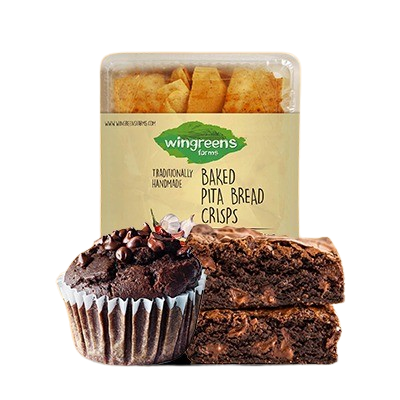

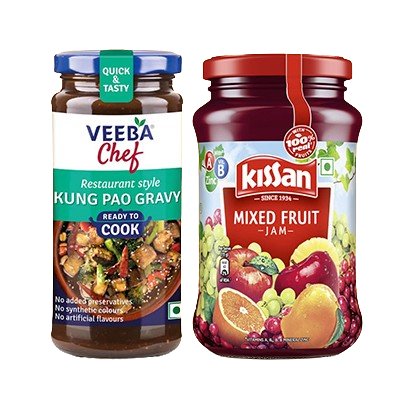
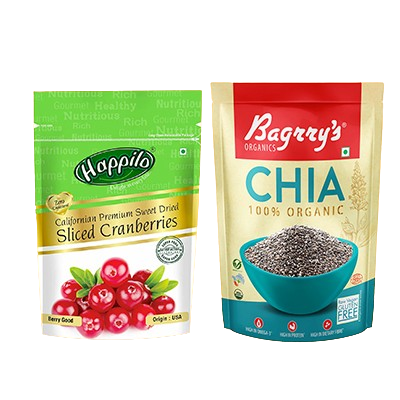




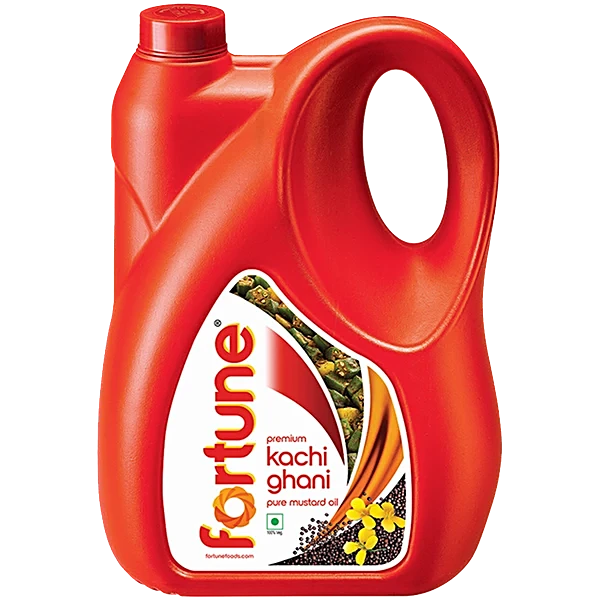
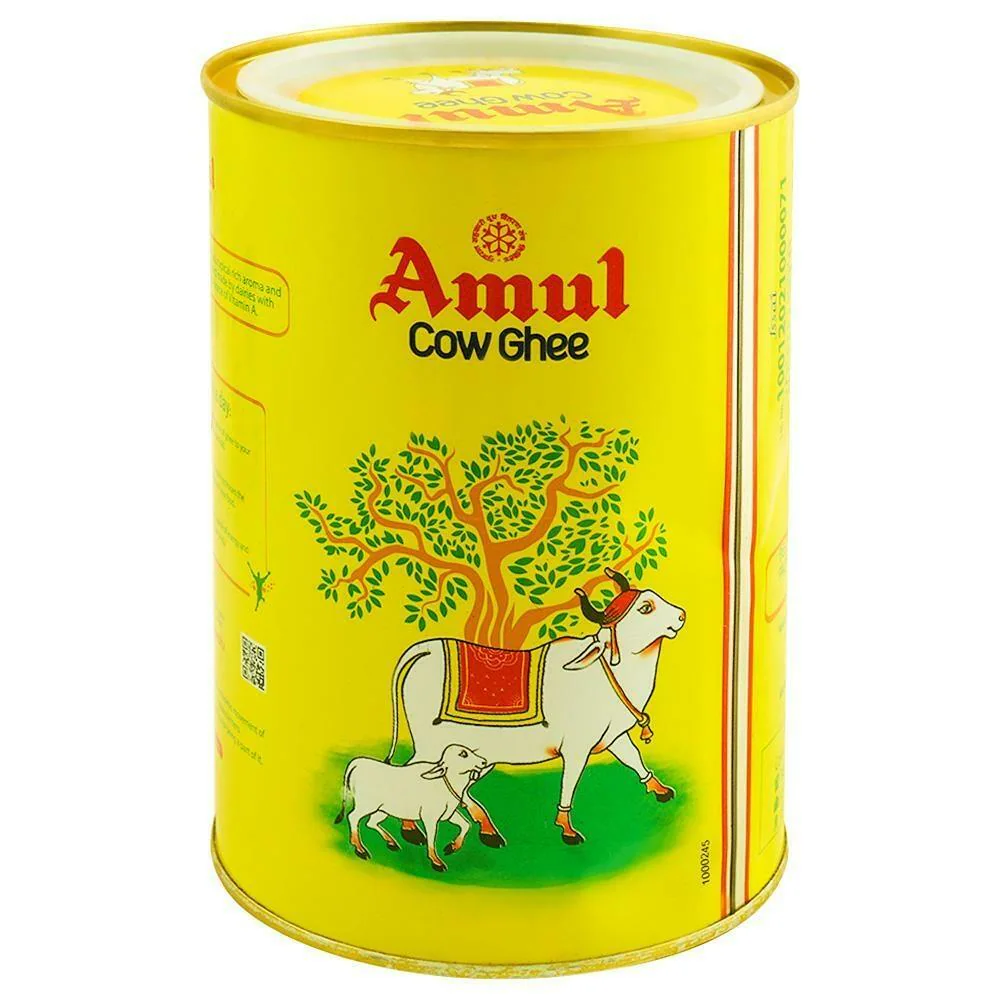


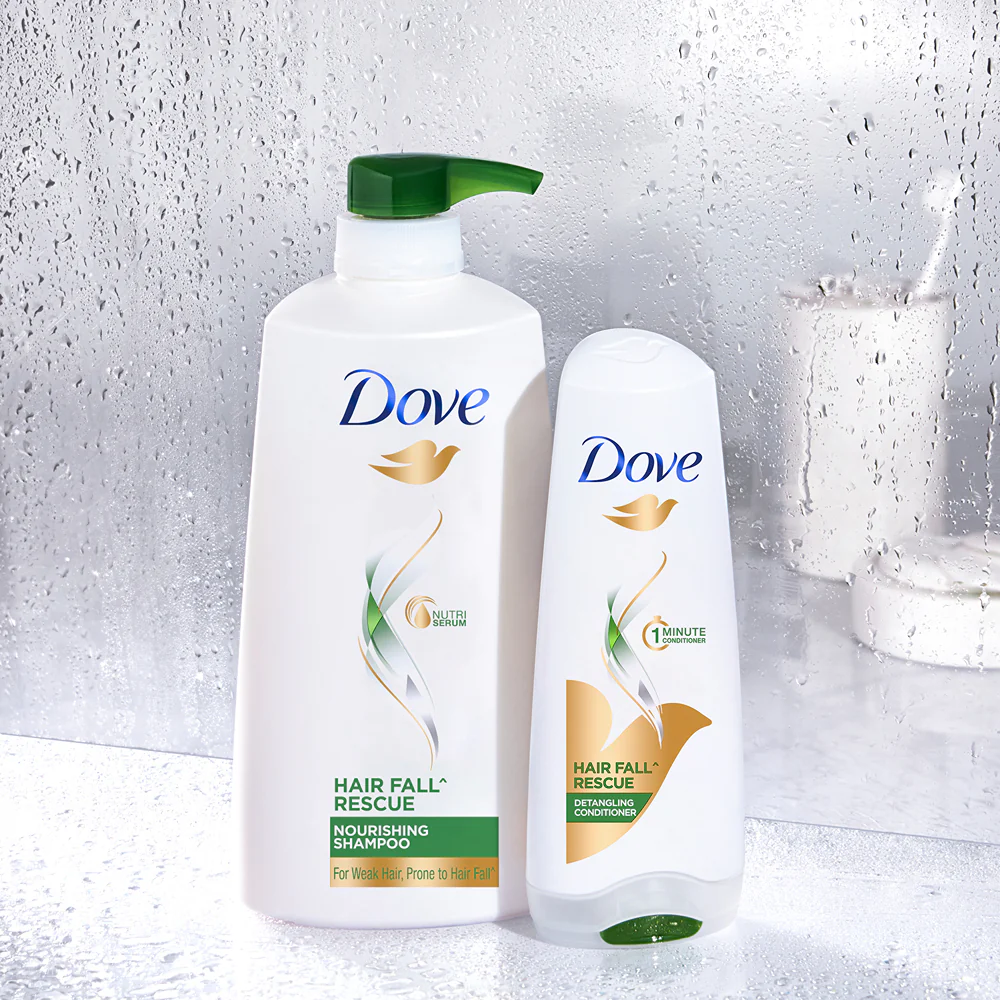

Wide Product Range
Daily-need items under one roof!

Affordable Pricing
Value-conscious pricing strategy!

POS-Enabled Billing System
Modern point-of-sale technology!

Customer Relationship Management (CRM)
Building lasting customer relationships!

Uniform Branding & Store Design
Consistent professional identity!
Localized Product Flexibility
Adapted to local preferences!