Mart Franchise Starting at ₹15 Lakh in Mathura - Join Buyzaar Mart Today!
Mart Franchise Starting at ₹15 Lakh in Mathura: Store Blueprint
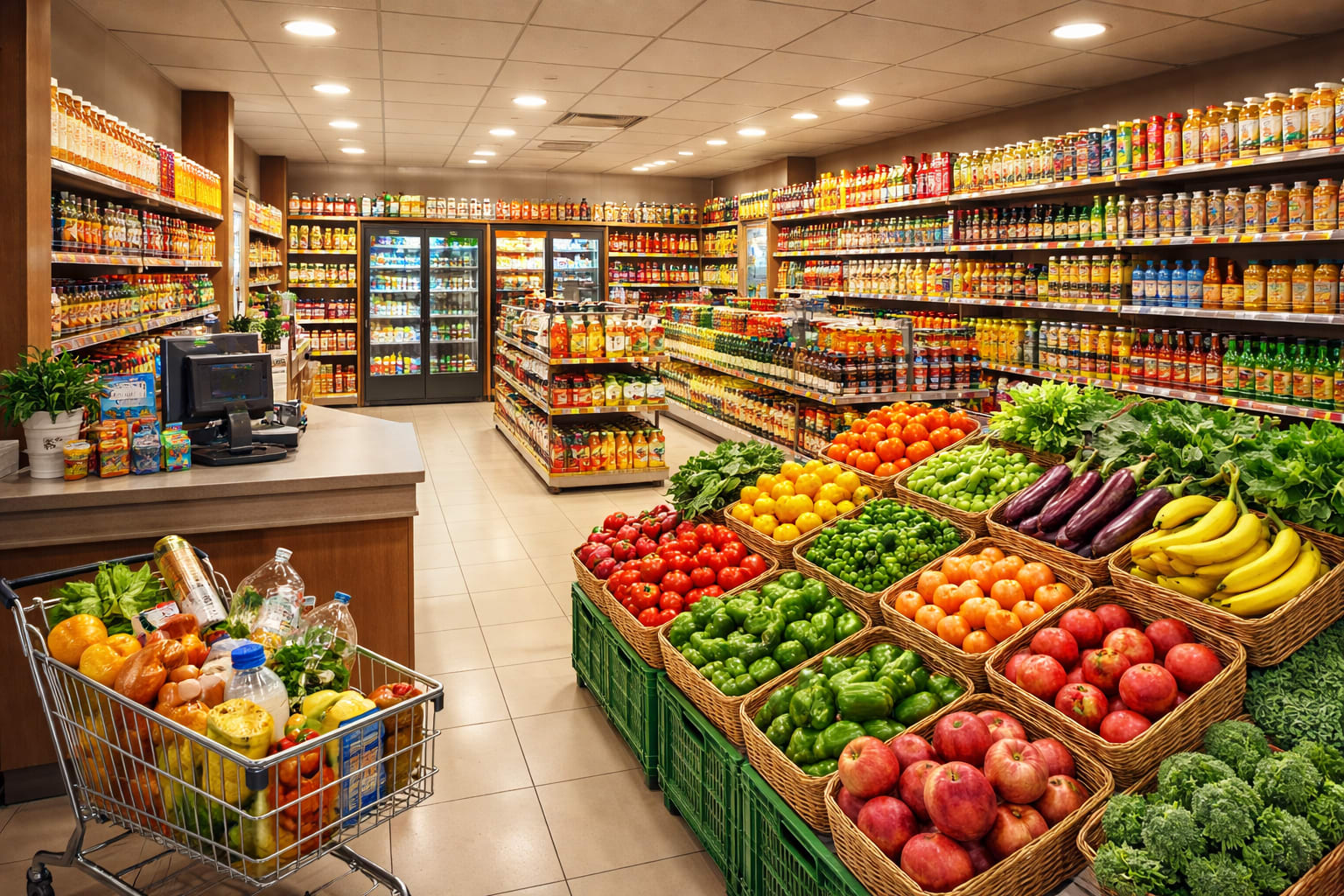
A mart franchise starting at ₹15 lakh in Mathura is a compact, neighbourhood-focused store designed to serve daily household needs with modern billing, clean layout and dependable stock.
The Buyzaar Mart franchise begins at ₹15 lakh, and the smaller Mini Mart format is built for residential colonies and neighbourhood pockets where families shop close to home.
This guide looks inside the store: how the space is laid out, what it sells, how a typical day runs and how a compact mart in Mathura can grow steadily.
Use it to picture your future store before you apply, so your location, staffing and stock plans match what a Mini Mart actually needs.
What a ₹15 Lakh Mart Franchise Looks Like
Store Size and Format
- The Mini Mart works in 600 to 1,000 sq ft, which suits ground-floor shops in dense colonies and busy neighbourhood lanes.
- The compact size keeps rent and staffing manageable while still offering a wide range of daily-need products.
The Brand Feel
- Every store follows the brand look, with clear signage, tidy shelves and printed pricing, so customers instantly recognise a trusted mart.
- A consistent identity helps a new store earn confidence faster than an unknown local shop.
The Customer Promise
- Customers get groceries, staples, personal care and household items under one roof at fair prices.
- The store aims to make everyday shopping quick, clean and reliable.
Inside the Store: Layout That Works
Entrance and Billing Zone
- Keep the entrance clear and welcoming, with the billing counter positioned so staff can see the whole store floor.
- Place small impulse items such as snacks and confectionery near billing to lift basket value.
Main Aisles
- Arrange categories in a logical flow, so customers can find staples, packaged foods and household items without asking for help.
- Use clear category boards and price tags, since neat navigation makes a small store feel organised and spacious.
Prime Shelf Positions
- Put fast-moving daily items at eye level and easy reach, and keep slower products on upper or lower shelves.
- Rotate shelf positions with the seasons, especially around festivals when demand shifts.
Storage and Backroom
- Reserve a tidy storage corner for reserve stock, and label items by category and expiry order.
- Good storage cuts wastage, saves staff time and keeps the shop floor uncluttered.
What a Mini Mart Sells
- Staples and grocery: Atta, rice, pulses, oil, sugar, spices and other items that families buy every month.
- Packaged foods and snacks: Biscuits, namkeen, noodles, ready mixes and other quick-purchase items.
- Beverages: Tea, coffee, juices, soft drinks and other drinks that sell strongly during festivals and summer.
- Personal care: Soaps, shampoos, oral care, skincare and daily grooming products.
- Homecare and hygiene: Detergents, cleaners, tissues and other household hygiene items.
- Stationery and small items: Everyday stationery that fills gaps for nearby families and students.
A Typical Day in Your Mart
Morning
- Open the store, check shelves and refill fast-moving items before the first rush.
- Review expiry dates on packaged foods and remove anything close to its limit.
Midday
- Handle steady walk-in traffic, receive stock deliveries and update inventory records in the billing system.
- Use quieter hours for shelf tidying and reserve stock arrangement.
Evening
- Prepare for the busiest window when working families finish shopping on the way home.
- Keep billing moving quickly, since long queues push customers back to old habits.
Closing
- Review the day's sales, note items that sold out and place stock requirements for the next cycle.
- Secure the store, cash and equipment, and reset shelves for tomorrow.
Who Shops at a Neighbourhood Mart in Mathura
- Regular households: Families who buy monthly staples and topping-up items throughout the week.
- Working professionals: Customers who want quick shopping with reliable billing and a clean store.
- Students and tenants: Nearby residents who buy snacks, stationery and daily essentials.
- Festival shoppers: Families who stock up around Holi, Janmashtami, Govardhan Puja and Diwali.
- Visitors and pilgrims: People near busy routes who buy drinks, snacks and travel essentials.
Staffing Your Mini Mart
- Plan for reliable billing and floor staff, and ensure someone trustworthy handles the counter during busy hours.
- Train staff on billing, shelf refilling, expiry checks and polite customer handling.
- Owners who stay involved catch problems early, from stock gaps to service slips.
- Set clear duty timings so staff cover peak hours without idle stretches.
- Confirm the recommended team size for your store with the franchise team during onboarding.
Technology That Keeps a Small Store Organised
- Billing system: Barcoded billing speeds up checkout and reduces pricing mistakes.
- Inventory tracking: Stock records show what is selling, what is slow and what needs reordering.
- Expiry monitoring: Digital tracking helps you clear short-dated items before they become losses.
- Sales insight: Daily and weekly reports help you decide which categories deserve more shelf space.
Category Management Tips
- Give the most space to categories that sell every week, such as staples, packaged foods and personal care.
- Review slow-moving items monthly, and reduce their shelf space before they turn into dead stock.
- Watch which products customers ask for but you do not stock, and discuss additions with the brand team.
- Place complementary items together, such as tea near biscuits, so customers add more to their baskets.
- Refresh displays before each festival so the store always feels current.
Keeping Costs Under Control
- Track rent, salaries, electricity and wastage every month, so you know your true profit.
- Match staff timing to real footfall, and avoid paying for idle hours.
- Switch off unnecessary lighting and equipment in quiet periods to save on utilities.
- Keep petty cash and daily collections recorded, and reconcile them at closing.
Supply Chain and Stock Management
- Purchasing and supply are handled through the brand network, so you spend less time chasing suppliers.
- Order according to real sales, rather than filling shelves out of habit.
- Keep a healthy stock of daily essentials, because empty shelves send customers to competitors.
- Under Hassle-Free Inventory Assurance, expired and damaged goods are taken back by the company, which reduces the risk of dead stock.
Customer Service Standards That Build Loyalty
- Greet customers warmly, and help them find products without making them feel rushed.
- Keep billing fast and accurate, and explain prices clearly if a customer has a question.
- Handle returns and complaints politely, since one good experience can turn a first-time visitor into a regular.
- Keep the floor clean, the lights bright and the shelves full, because these small details shape how customers judge the store.
Margin and Returns in Plain Terms
- Franchise partners earn an effective gross margin of 18 to 20% on sales, built into the sourcing model.
- Gross margin is not net profit, so rent, salaries, electricity and wastage reduce what you finally keep.
- Steady footfall, good stock discipline and controlled costs matter more than any single number.
- Results differ by location and management, so plan conservatively and review your numbers regularly.
Choosing a Location for a ₹15 Lakh Mart
- Dense residential colonies: Close-packed housing creates repeat weekly shopping within walking distance.
- Apartment and society clusters: Large housing groups provide a ready customer base.
- Roadside shops with easy access: Visible frontage and simple entry help customers notice and stop.
- Near schools and offices: Regular movement adds steady walk-in customers through the day.
- Away from strong competition: Areas with limited organised retail give a branded mart room to stand out.
Marketing Your Mart Locally
- Announce your opening through banners, society noticeboards and WhatsApp groups.
- Offer introductory deals on daily-use items to bring families in and build the shopping habit.
- Collect feedback from early customers and use it to adjust your shelf mix.
- Keep the store clean and well lit, because word of mouth spreads fastest when shopping feels pleasant.
- Ask the franchise team about launch marketing support during onboarding.
Planning for Mathura's Festival Calendar
- Holi: Prepare snacks, beverages and festive packaged foods before the rush begins.
- Janmashtami: Expect crowds in Mathura and Vrindavan, and stock daily essentials and drinks generously.
- Govardhan Puja and Diwali: Focus on gifting items, dry goods and festive groceries.
- Wedding season: Keep staples, oil and beverages ready for bulk purchases.
- Winter tourist season: Stock snacks, drinks and travel essentials near visitor routes.
Your First 90 Days
- Days 1 to 30: Focus on smooth billing, neat shelves, clean aisles and early customer feedback.
- Days 31 to 60: Adjust stock using real sales data, so popular items stay available and slow items are reduced.
- Days 61 to 90: Promote the store through local WhatsApp groups and society communities, and prepare stock for the next festive season.
How a Mini Mart Can Grow
- Start with a strong core range, and add categories as you learn what your customers ask for.
- Build repeat customers first, since loyal households are the foundation of a stable neighbourhood store.
- Discuss future format upgrades with the franchise team if your catchment and capital support them.
- Keep records of sales and wastage, because good data makes every growth decision safer.
Simple Path to Get Started
- Enquire: Submit the form on thebuyzaarmart.com with your city, preferred format and budget.
- Location review: Share your shop details for feasibility and approval.
- Agreement: Review the franchise agreement and complete documentation.
- Launch: The store is set up, stocked and opened with local promotion and support.
Documents and Compliance
- PAN, Aadhaar or other ID proof, address proof and recent photographs.
- Ownership papers or a registered rent agreement for the shop.
- Business bank account details.
- GST registration and FSSAI licence for selling food and grocery items.
- Shop and establishment registration from the local authority.
Common Mistakes to Avoid
- Cramming too many products into the space and making aisles hard to navigate.
- Ignoring expiry checks and letting wastage quietly reduce profit.
- Choosing a shop for low rent without checking footfall and visibility.
- Running short of working capital in the first few months.
- Leaving the store entirely to staff without regular owner supervision.
Frequently Asked Questions
1. What is the starting investment for a mart franchise in Mathura?
The Buyzaar Mart franchise starts from ₹15 lakh, depending on the format you choose.
2. How much space does a Mini Mart need?
A Mini Mart works in 600 to 1,000 sq ft.
3. What does the Mini Mart sell?
It covers grocery, staples, personal care, beverages, homecare, hygiene, stationery and snacks.
4. What margin can I expect?
Franchise partners earn an effective gross margin of 18 to 20% on sales.
5. What happens to expired stock?
The company takes back expired and damaged goods under Hassle-Free Inventory Assurance.
6. Do I need retail experience?
No, but you should be ready to stay actively involved in running the store.
7. Which licences are required?
You need GST registration, an FSSAI licence and local shop and establishment registration.
Start Your Mart Franchise Journey in Mathura
Mathura's daily consumer economy offers one of the most reliable opportunities for a branded mart retail store.
Join The Buyzaar Mart franchise network and bring your neighborhood a modern daily needs store built on trust, convenience, and professional retail systems.
Email: info@thebuyzaarmart.com
Phone / WhatsApp: 9217991727
Business Hours: Monday to Saturday, 09:00 AM – 07:00 PM

Store Features & Services
Discover our comprehensive range of services designed to provide the best shopping experience for urban and semi-urban households
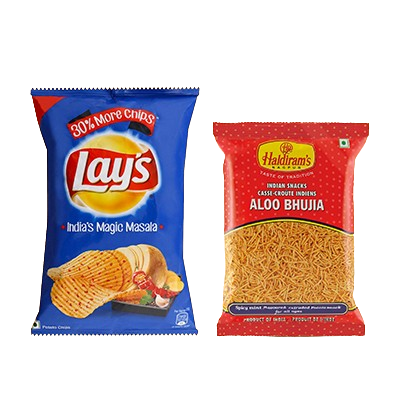

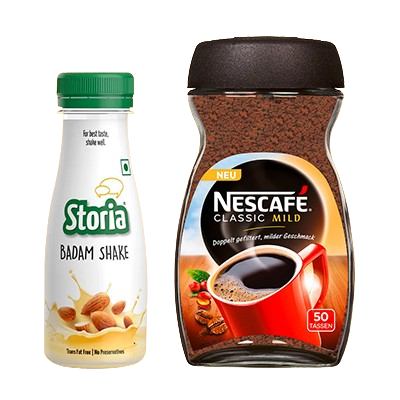

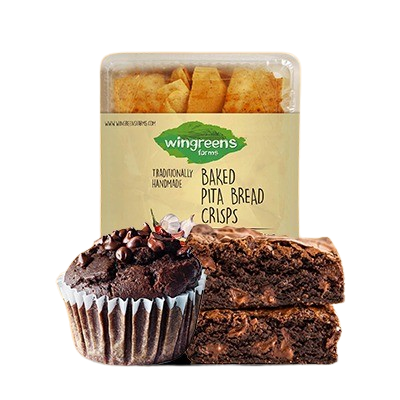

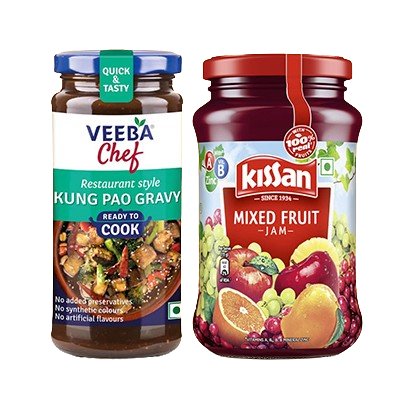
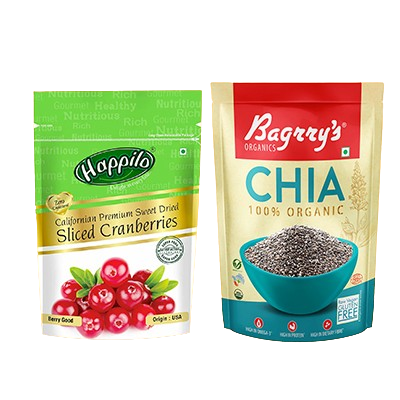




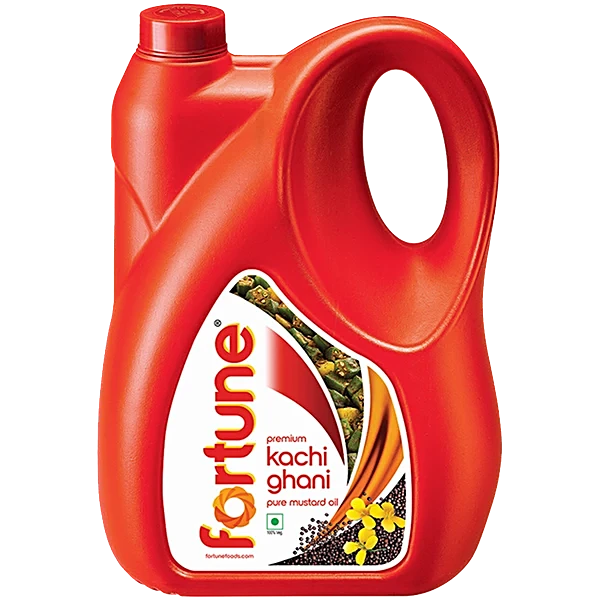
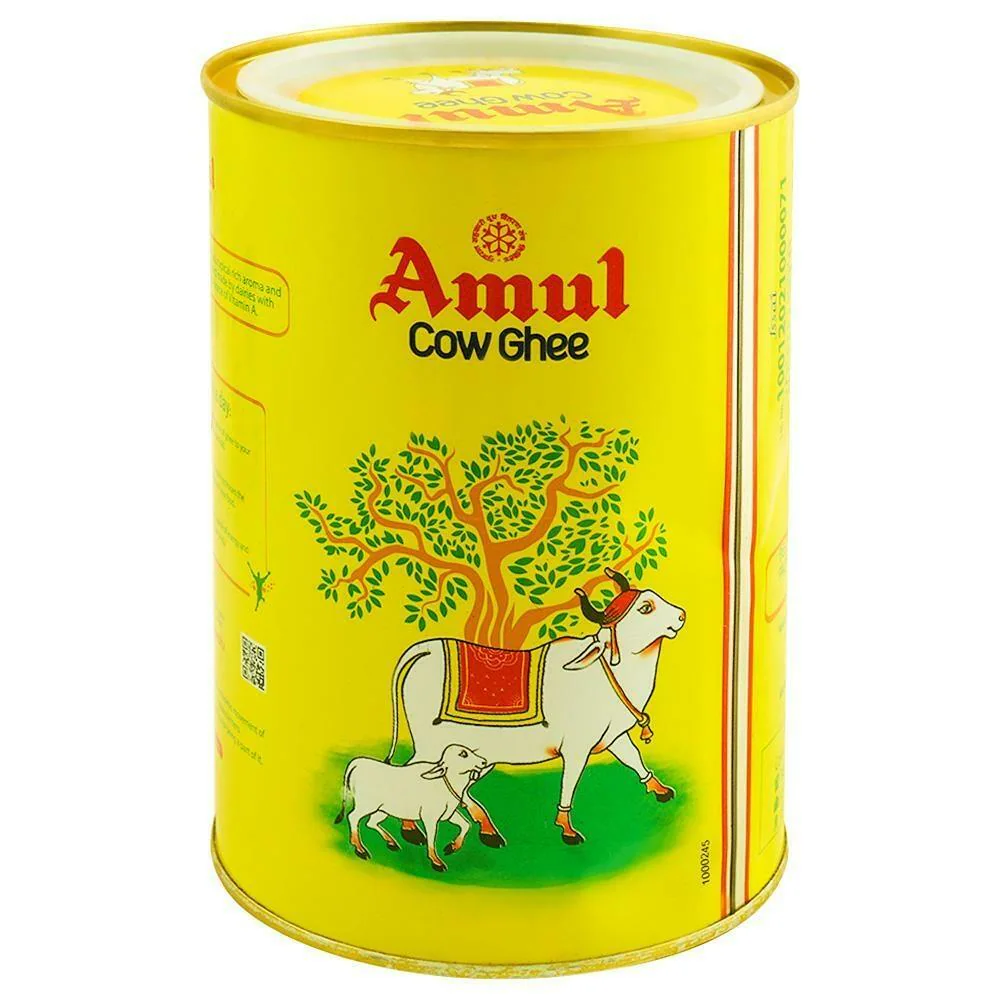




Wide Product Range
Daily-need items under one roof!

Affordable Pricing
Value-conscious pricing strategy!

POS-Enabled Billing System
Modern point-of-sale technology!

Customer Relationship Management (CRM)
Building lasting customer relationships!

Uniform Branding & Store Design
Consistent professional identity!
Localized Product Flexibility
Adapted to local preferences!