Profitable Franchise in Mathura | The Buyzaar Mart
Profitable Franchise in Mathura: What Makes a Grocery Franchise Earn and Last
Looking for a Profitable Franchise in Mathura?
- A profitable franchise in Mathura is one that earns steadily after all costs, not one that simply advertises a high margin. Profit comes from demand, cost control, stock discipline and a location that brings customers through the door every day.
- Grocery and supermarket retail is a strong candidate because families buy essentials weekly, and Mathura also sees constant pilgrim and tourist movement.
- This guide explains how profit is actually created in a grocery franchise, where money can leak, and how The Buyzaar Mart model is structured to help owners build a stable business. It does not promise fixed earnings, because results depend on your shop, effort and local market.
What Makes a Franchise Profitable in a City Like Mathura
- Repeat demand: Profitable businesses sell things people need again and again. Staples, dairy, packaged food, beverages and household items fit this pattern.
- Controlled costs: Rent, salaries, electricity and wastage must stay in proportion to sales, or even a high margin will shrink to little.
- Fast stock movement: Money tied up in slow products does not earn. Fast turnover turns shelves into cash.
- Good location: A visible shop with enough households and passing traffic often decides whether a store thrives or struggles.
- Brand trust: A known system with clear billing, quality products and support lowers the time needed to win customers.
- Owner discipline: Daily checks on stock, cash and service quality separate stores that last from stores that fade.
How a Buyzaar Mart Generates Profit
- Gross margin: The FOCM model works with a gross margin of roughly 18–20% on sales. For every ₹1 lakh of sales, that means about ₹18,000 to ₹20,000 before store expenses.
- Net profit: What remains after rent, salaries, power, transport, wastage and marketing are deducted from gross margin.
- Volume: Grocery earns through many small bills. The more regular customers you serve, the stronger your monthly numbers become.
- Basket size: Customers who arrive for staples often add snacks, personal care or cleaning items, which raises each bill.
- Repeat visits: A family that trusts your store may return several times a week, creating predictable income.
Investment That Shapes Your Return
- A Mini Mart requires approximately ₹15.25 lakh to ₹25 lakh in total, including franchise fee, security deposit, interiors, POS setup and opening stock.
- Super Mart and Hyper Mart investments rise with area and range. Treat these as estimates and request a written quotation from the franchise team.
- A smaller investment can improve the return on capital if the store gets good footfall, because you need less revenue to cover your costs.
- Keep a working-capital reserve for rent, salaries and supplier payments in the first months, since profit takes time to build.
- Always judge profitability on total money invested, including deposits and stock, not only the franchise fee.
The Profit Formula Every Franchise Owner Should Know
- Step 1: Estimate monthly sales based on households nearby, shop visibility and format size.
- Step 2: Multiply monthly sales by the gross margin to find gross earnings.
- Step 3: Subtract monthly rent, salaries, electricity, transport, wastage and marketing.
- Step 4: The remaining amount is your estimated net monthly profit.
- Step 5: Divide your total investment by net monthly profit to understand how long recovery may take.
- Step 6: Repeat the calculation with lower sales to see how safe your plan is if business starts slowly.
Five Levers That Increase Grocery Profit
- Location and Footfall: Choose a shop with visibility, parking and enough households within walking distance. More customers spreading your fixed costs improves profit faster than any discount.
- Product Mix: Staples bring people in, while personal care, home care and packaged items support better margins. Balance both so the store attracts traffic and earns well.
- Stock Rotation: Use first-in, first-out shelving, review slow items monthly and reorder fast sellers quickly to avoid stock-outs and expiry losses.
- Cost Control: Keep staff numbers matched to peak hours, avoid unnecessary spending on interiors and monitor electricity and wastage closely.
- Customer Retention: Friendly service, accurate billing and fair prices bring families back, and repeat customers are cheaper to serve than new ones.
Where Profit Leaks in a Grocery Store
- Expired and damaged goods: These can erase margin quickly if not managed, which is why the buyback policy for expired and damaged stock is valuable.
- Overbuying: Too much inventory locks up cash and creates storage and expiry problems.
- Billing errors: Wrong prices, missed items or weak cash handling reduce earnings silently.
- Low footfall: A good store in a poor location may not cover its fixed costs.
- Staff turnover: Constant retraining affects service quality and operating efficiency.
- Excess discounting: Deep offers can attract traffic but damage margin if used without a plan.
Why Mathura Offers Strong Profit Potential
- Large resident base: Families across Mathura city, Vrindavan and nearby towns buy staples and household items every week.
- Visitor-driven demand: Holi, Janmashtami and other festivals bring pilgrims who need water, snacks, toiletries and travel essentials.
- Retail gap: Many areas still rely on unbranded shops, so a clean, organised mart can stand out quickly.
- Hospitality customers: Hotels, guest houses and dharamshalas can generate extra bulk and convenience purchases.
- Connectivity: Delhi–Agra corridor access supports steady supply movement.
Choosing the Right Buyzaar Mart Format for Profit
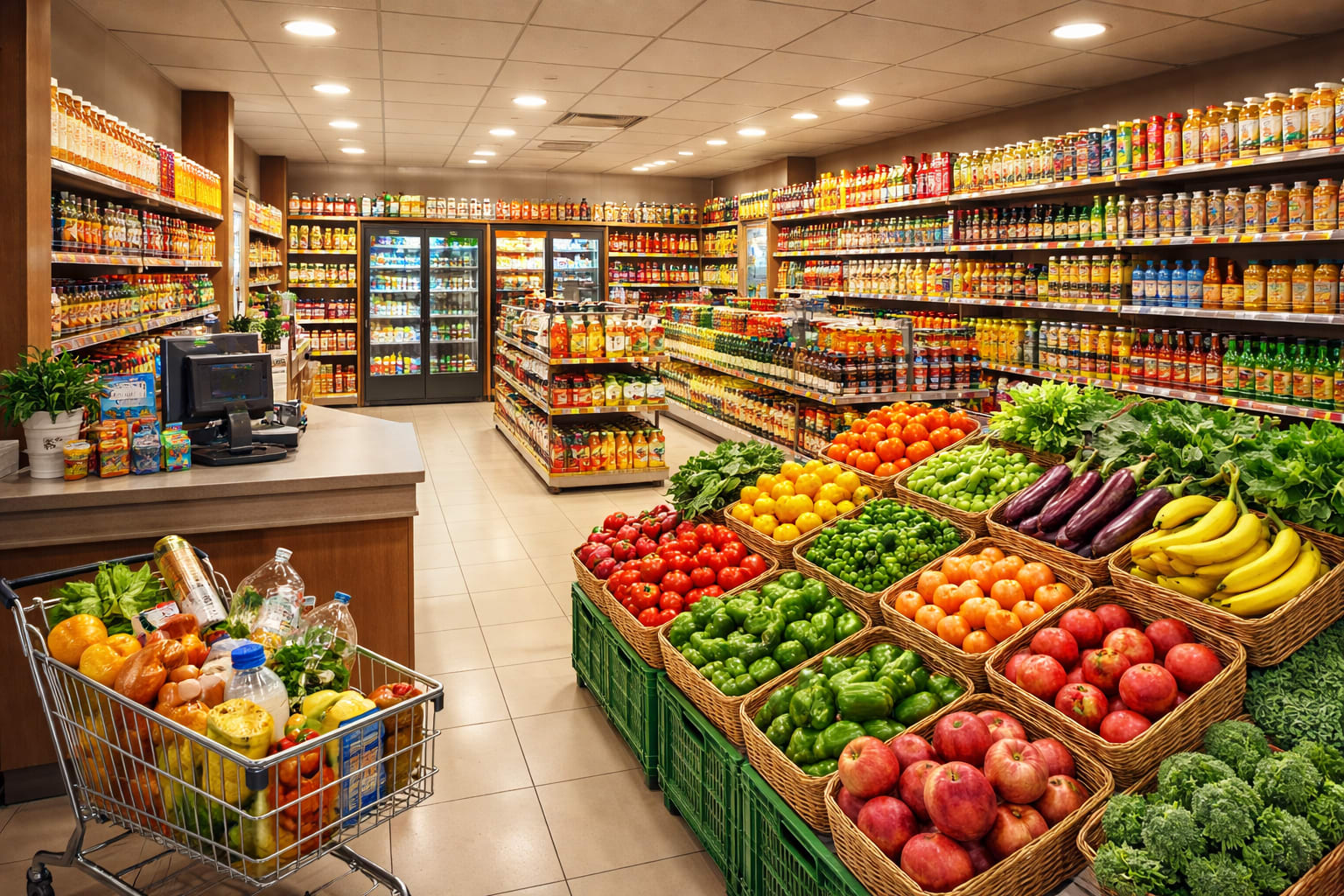
- Mini Mart: Roughly 600–1,000 sq ft. Lower investment, simpler stock and quicker setup make it a practical start for first-time owners.
- Super Mart: Roughly 1,000–3,000 sq ft. A wider range can raise average bill value in busy roads and larger societies.
- Hyper Mart: 3,000 sq ft and above. Bigger scale and higher bulk potential, but also higher stock, staff and rent needs.
- The most profitable format is the one that matches your location and capital, not simply the biggest one.
Support That Protects Your Profit
- Supply network: The brand works with 50+ FMCG partners, helping keep popular products available.
- Buyback policy: Expired and damaged goods are covered, reducing a major loss risk.
- Technology: Billing and inventory tools show what sells, what stalls and when to reorder.
- Store design: A tested layout improves shopping ease and product visibility.
- Compliance guidance: FSSAI, GST and MSME support keeps your store legally prepared.
- Brand identity: The tagline "अपना बाजार – बचत का साथ, Quality की बात" gives customers a clear value promise.
FOCM or FOCO: Which Model Suits Your Profit Goals?
- FOCM: You stay involved in daily management, which can improve cost control and customer service when you have time to supervise.
- FOCO: You own the store while the company operates it, which suits investors with limited time. Ask the franchise team how returns and costs work under this model.
- Both models use the same brand, formats and supply network.
- Choose the model that fits your time, comfort and expectations, not just the highest imagined return.
Best Locations in Mathura for Profitability
- Residential colonies near Krishna Nagar, Govindpuri, Jaisingh Pura and Vrindavan Road for dependable weekly shopping.
- Main roads and chowks with visibility, parking and constant walk-in traffic.
- Temple routes and guest-house areas where visitors need quick essentials.
- Highway and bypass belts suited to larger formats with bulk buyers.
- Nearby towns such as Raya, Chhata, Govardhan and Kosi Kalan, where lower rent can improve returns.
- Check footfall, rent, frontage, legal documents and permissions before signing a lease.
Realistic Expectations for the First Year
- Months one to three: Expect customers to discover the store gradually. Focus on service, availability and local promotion.
- Months four to six: Review sales data, adjust your range and remove slow items to improve cash flow.
- Months seven to twelve: Build repeat customers, plan festival stock and strengthen supplier and staff routines.
- Profit usually grows with habit and trust, so patience and consistent operations matter.
- Avoid comparing your early months with a mature store, since new outlets need time to stabilise.
- Keep a simple monthly record of sales, expenses and stock value so you can see whether your profit is improving and act early if it is not.
- Share your monthly numbers with the franchise team when you need advice, because shared data leads to better practical suggestions.
Product Mix for Better Margins
- Traffic builders: Atta, rice, pulses, oil, sugar and spices bring families to your store every week, even if their individual margins are modest.
- Margin boosters: Personal care, home care, packaged snacks and beverages add valuable earnings to each bill.
- Impulse items: Biscuits, chocolates, cold drinks and small packs near the billing counter increase bill value without extra effort.
- Visitor items: Packaged water, travel-size toiletries and ready-to-eat snacks suit stores near temple routes and guest houses.
- Review monthly: Check which categories give the best sales and margin, then give them better shelf space.
Seasonal Planning to Protect Profit in Mathura
- Holi and Janmashtami: Stock extra snacks, beverages, sweets ingredients and packaged water before visitor numbers rise.
- Diwali and wedding season: Prepare dry fruits, cooking supplies, pooja items and gifting products to capture larger baskets.
- Summer months: Increase stock of juices, cold drinks and packaged water, and keep refrigeration running reliably.
- Off-season periods: Focus on staples, loyalty offers and cost control while visitor demand is lower.
- Avoid last-minute stocking, because shortages cost sales and rushed purchases can cost margin.
Profit Mistakes to Avoid
- Judging a shop only by low rent without checking footfall and visibility.
- Copying another store's stock list without studying your own neighbourhood's preferences.
- Ignoring small daily losses such as damaged packs, wrong billing or missing items.
- Spending heavily on decoration before the business has proven its sales.
- Offering large discounts regularly, which can train customers to wait for offers.
- Skipping monthly reviews of sales, expenses and stock, which hides problems until they become serious.
How to Apply for a Buyzaar Mart Franchise in Mathura
- Step 1: Contact the franchise team with your city, budget and shop details.
- Step 2: Choose your format and discuss FOCM or FOCO.
- Step 3: Share shop details for location assessment.
- Step 4: Review the investment break-up and agreement carefully.
- Step 5: Complete documentation, registrations and payments.
- Step 6: Set up the store, stock the shelves and open with local promotion.
Build Profit Through Daily Demand and Daily Discipline
- A profitable franchise in Mathura depends on repeat demand, controlled costs, strong location and consistent store management.
- The Buyzaar Mart offers flexible formats, two ownership models, supply support and a buyback policy to help you manage common grocery risks.
- Call +91 9217991727, email info@thebuyzaarmart.com or visit thebuyzaarmart.com to discuss your Mathura location and plan your numbers.
Frequently Asked Questions (FAQs)
Q1. Is a grocery franchise profitable in Mathura?
It can be, because demand repeats daily. Results depend on location, costs and management.
Q2. What margin does the model offer?
The FOCM model works with roughly 18–20% gross margin. Net profit is lower after expenses.
Q3. What is the Mini Mart investment?
About ₹15.25 lakh to ₹25 lakh. Confirm the exact quote with the team.
Q4. How long to recover the investment?
It depends on sales and costs. Calculate your own estimate with the franchise team.
Q5. Does the company guarantee profit?
No business can honestly guarantee profit. Review all terms in writing.
Q6. What if stock expires?
The buyback policy covers expired and damaged goods.
Q7. How do I apply?
Call +91 9217991727 or email info@thebuyzaarmart.com.
Start Your Profitable Franchise Journey in Mathura
Mathura's daily consumer economy offers one of the most reliable opportunities for a branded grocery retail store.
Join The Buyzaar Mart franchise network and bring your neighborhood a modern daily needs store built on trust, convenience, and professional retail systems.
Email: info@thebuyzaarmart.com
Phone / WhatsApp: 9217991727
Business Hours: Monday to Saturday, 09:00 AM – 07:00 PM

Store Features & Services
Discover our comprehensive range of services designed to provide the best shopping experience for urban and semi-urban households



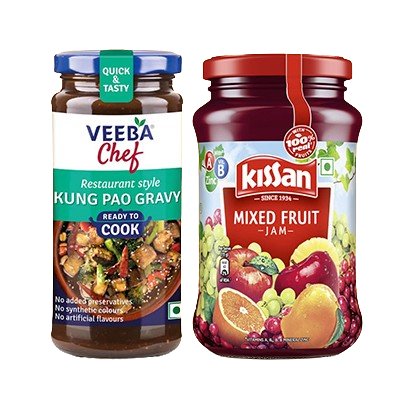
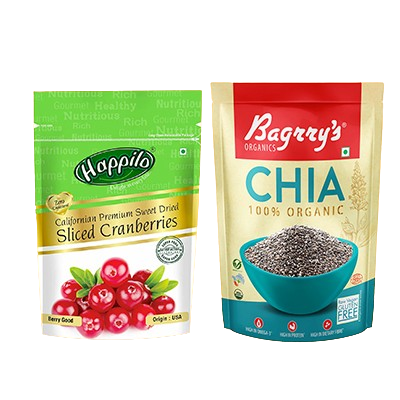




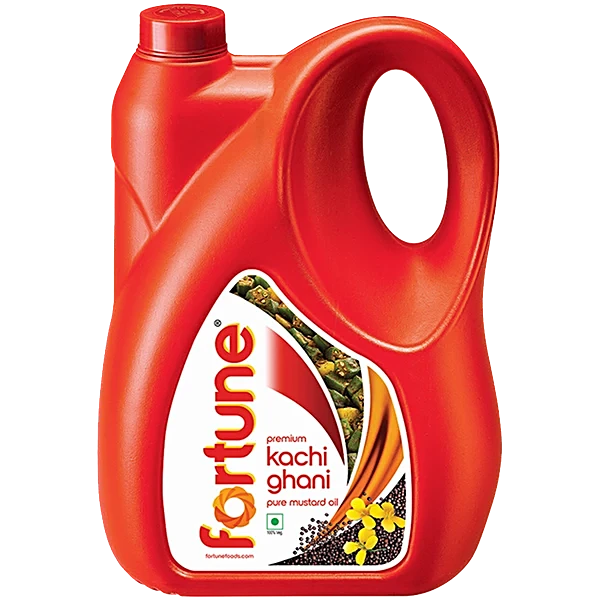
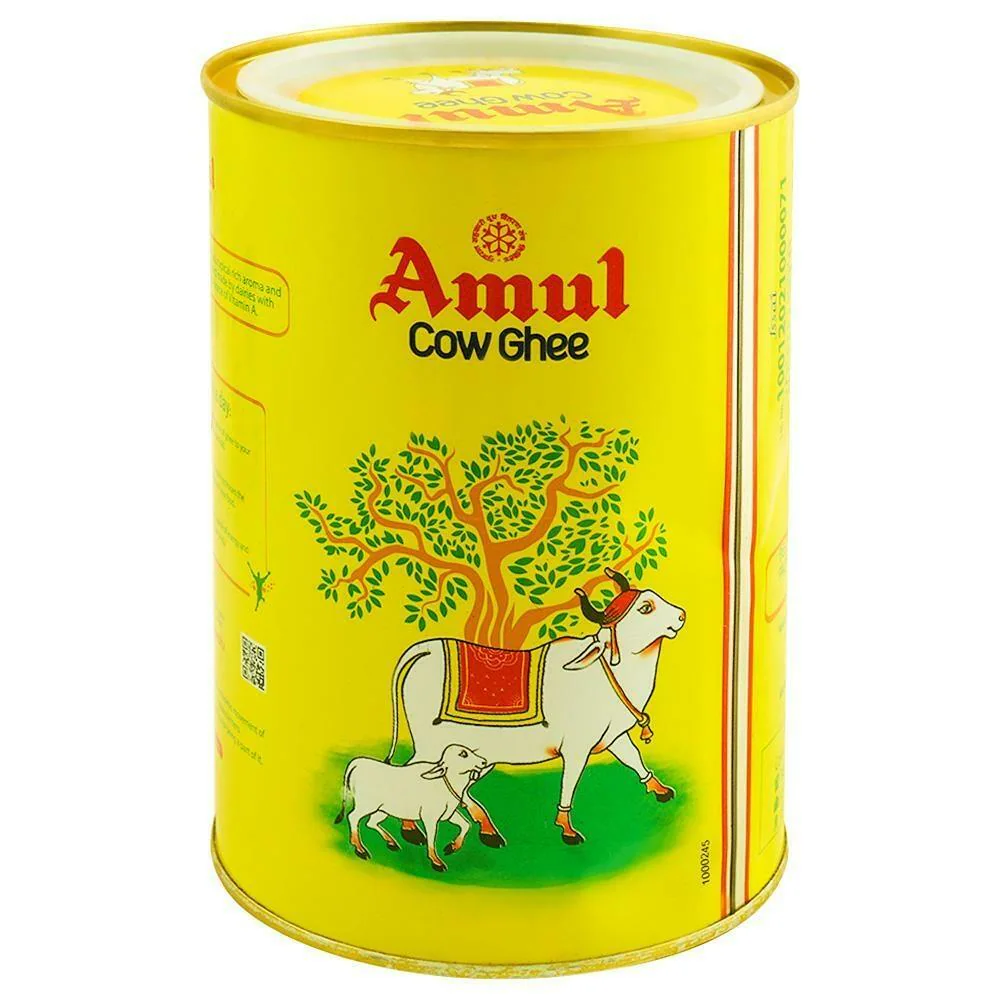


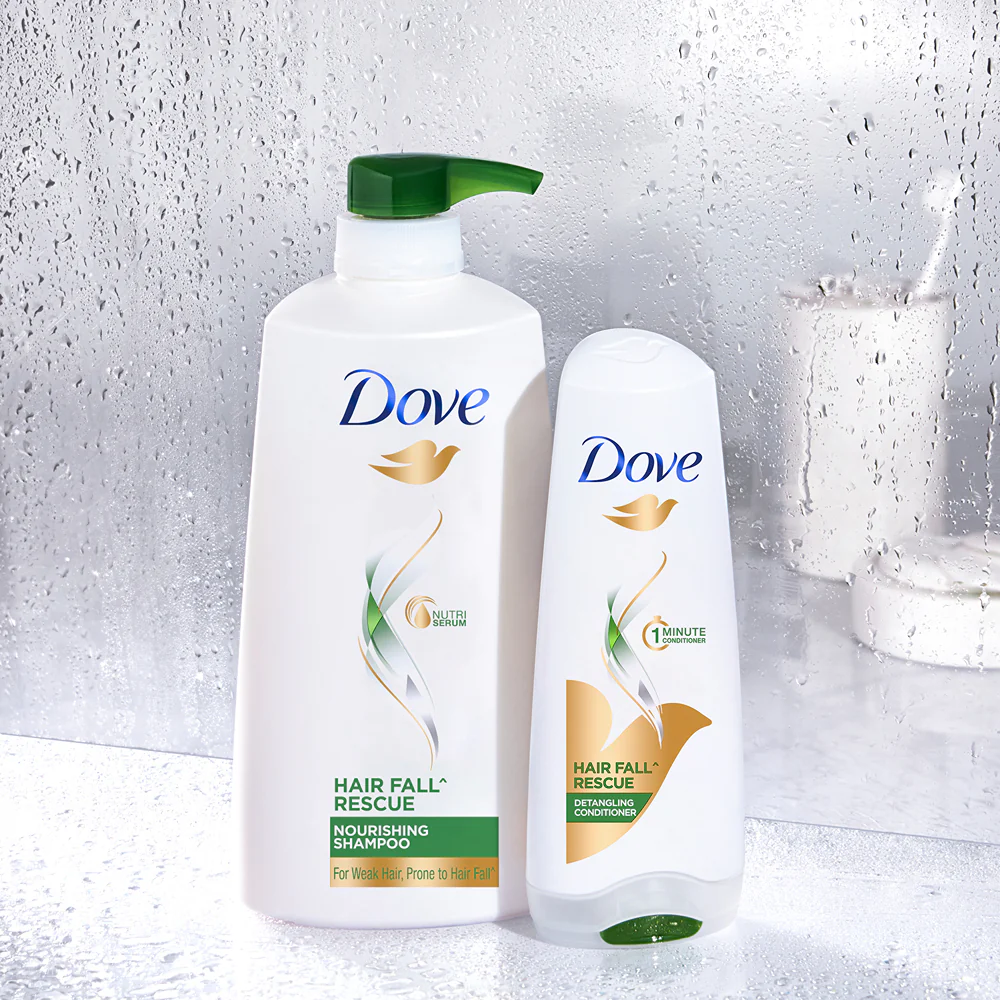

Wide Product Range
Daily-need items under one roof!

Affordable Pricing
Value-conscious pricing strategy!

POS-Enabled Billing System
Modern point-of-sale technology!

Customer Relationship Management (CRM)
Building lasting customer relationships!

Uniform Branding & Store Design
Consistent professional identity!
Localized Product Flexibility
Adapted to local preferences!