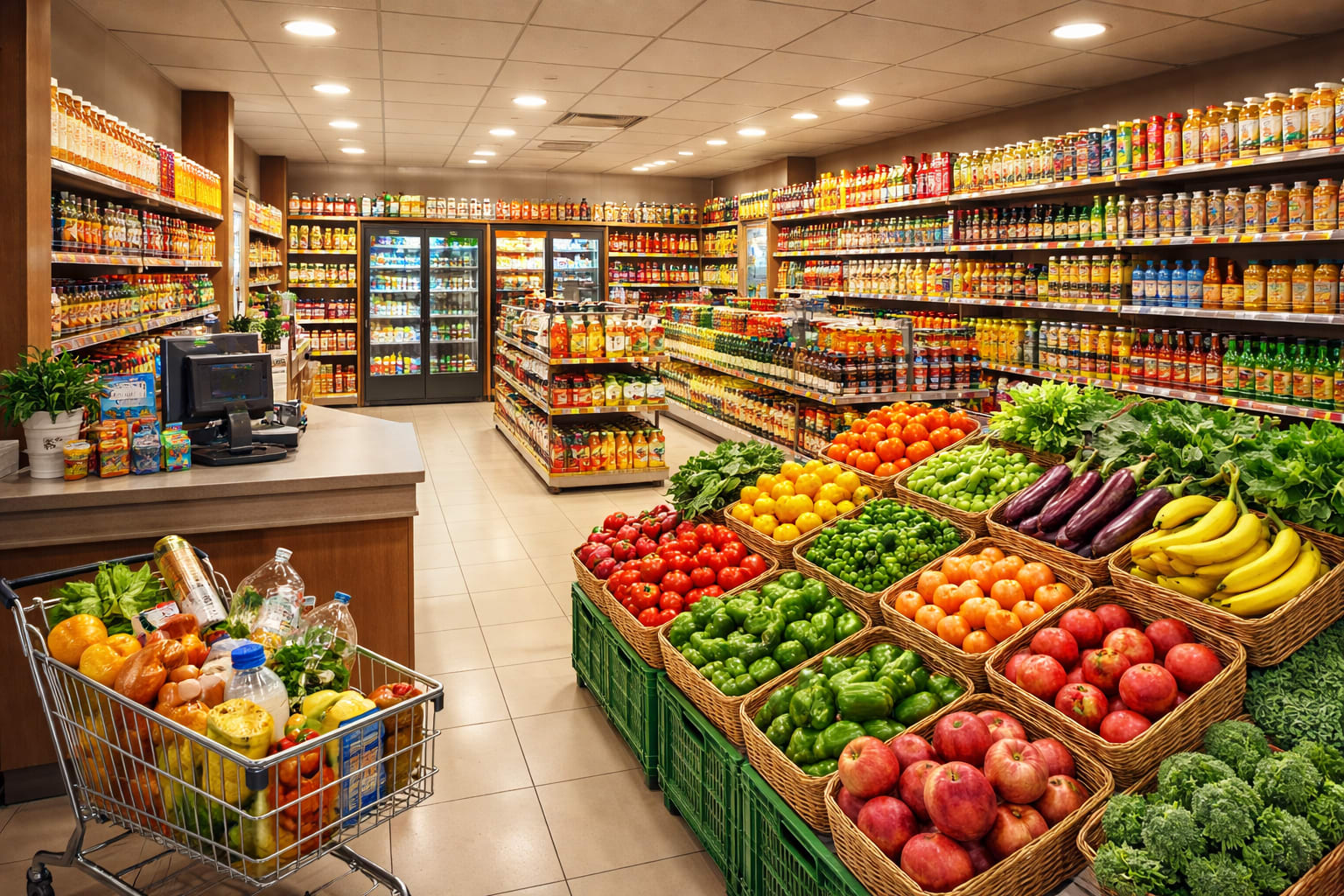
Buyzaar Mart Franchise Prayagraj
Daily Needs Mart Franchise in Prayagraj — The Buyzaar Mart
- Every household in Prayagraj, regardless of income level, neighbourhood, or family size, buys the same handful of categories week after week — staples, dairy, packaged foods, personal care, and household basics. This is the daily needs category, and it is the single most recession-proof segment in all of retail. The Buyzaar Mart's daily needs mart franchise is built specifically around this category, giving Prayagraj investors a way to tap into the steadiest, most predictable form of consumer spending that exists in any city. Here is a complete breakdown of what this franchise involves, explained in points.
What Daily Needs Actually Covers
- Daily needs refers to the category of products that households purchase repeatedly and consistently, regardless of income changes, festivals, or seasons — staples, dairy, packaged foods, beverages, personal care, and household essentials.
- Unlike discretionary categories such as apparel, electronics, or furniture, daily needs purchases do not get postponed during financial tightness — families may cut back elsewhere, but grocery and household essentials remain a fixed weekly expense.
- This category typically accounts for the largest share of monthly household spending across Indian cities, including Prayagraj, making it the most stable foundation for a retail business.
- A store focused on daily needs benefits from high purchase frequency — customers visit multiple times a week rather than the occasional, larger-ticket visits typical of other retail categories.
Why a Daily Needs Mart Works So Well in Prayagraj
- Prayagraj's population of over 12 lakh, spread across established neighborhoods and rapidly growing colonies, generates consistent daily needs demand across the entire city, not just in a few commercial pockets.
- The city's large student population from Allahabad University, MNNIT, and various coaching institutes adds a segment of consumers with frequent, smaller-basket daily needs purchases — exactly the kind of demand a daily needs mart is built to serve.
- Families across Civil Lines, Naini, Tagore Town, and developing colonies in Jhusi and Phaphamau all represent stable, recurring daily needs customers regardless of their individual income bracket.
- Prayagraj's pilgrimage-driven seasonal footfall during Magh Mela and Kumbh adds an additional, temporary surge in daily needs demand that a well-stocked store can capture beyond its regular customer base.
- Most neighborhoods in Prayagraj are still served primarily by unorganized kirana shops for daily needs purchases, leaving clear room for an organized, reliably stocked alternative.
The Buyzaar Mart's Approach to Daily Needs Retail
- The Buyzaar Mart's store formats are specifically curated to prioritize daily needs categories first, ensuring the core essentials every household needs are always available, well-stocked, and competitively priced.
- Centralized procurement means daily needs products — which often have thinner margins due to competitive pricing expectations — are sourced at bulk rates that protect franchisee profitability even on high-frequency, lower-ticket items.
- Inventory systems are tuned to track daily needs products closely, since these are the fastest-moving items and stockouts on staples or dairy directly damage customer trust and repeat visits.
- The brand's standardized store layout places daily needs categories prominently and accessibly, reducing the time customers spend shopping for routine purchases — an important factor in building habitual, repeat visits.
What a Daily Needs Mart Stocks
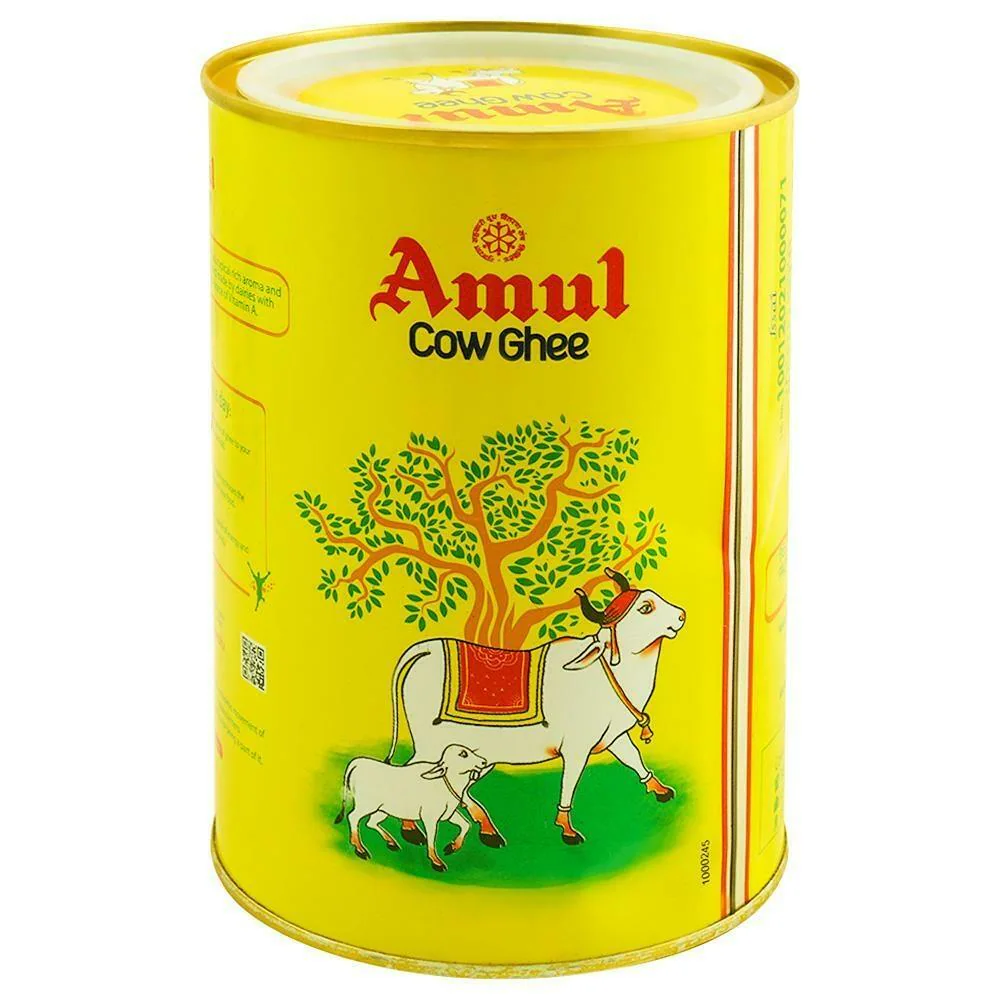
- Staple groceries: Rice, wheat, flour, pulses, sugar, salt, edible oils, and spices — the foundation of nearly every Indian household's weekly shopping list.
- Dairy products: Milk, curd, butter, paneer, and cheese, typically purchased fresh and frequently rather than stocked up in bulk.
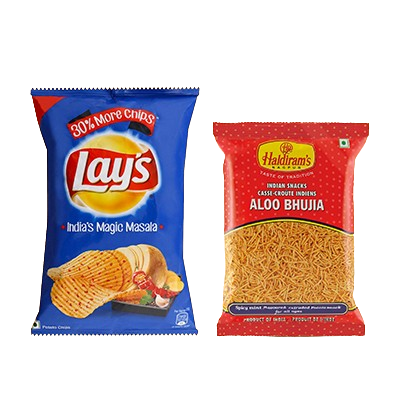
- Packaged foods and snacks: Biscuits, namkeen, instant foods, and ready-to-eat items suited to quick, frequent purchases by busy households and students.
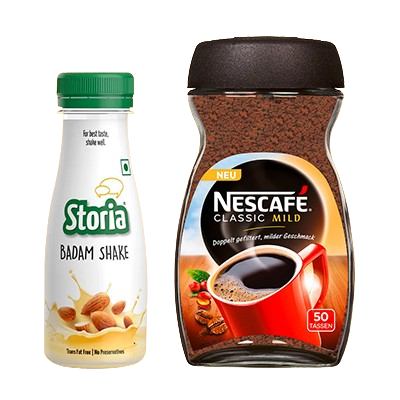
- Beverages: Tea, coffee, juices, soft drinks, and packaged water — daily consumption items with consistent repeat demand.
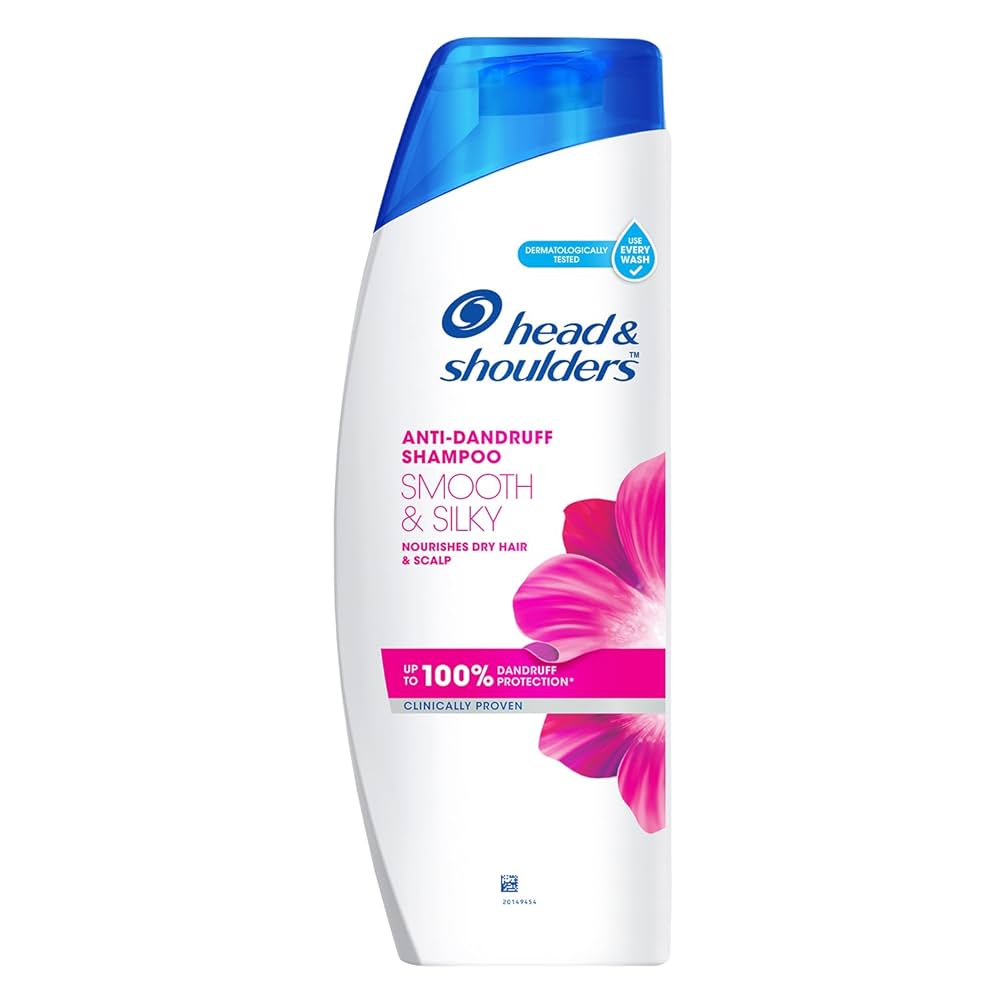
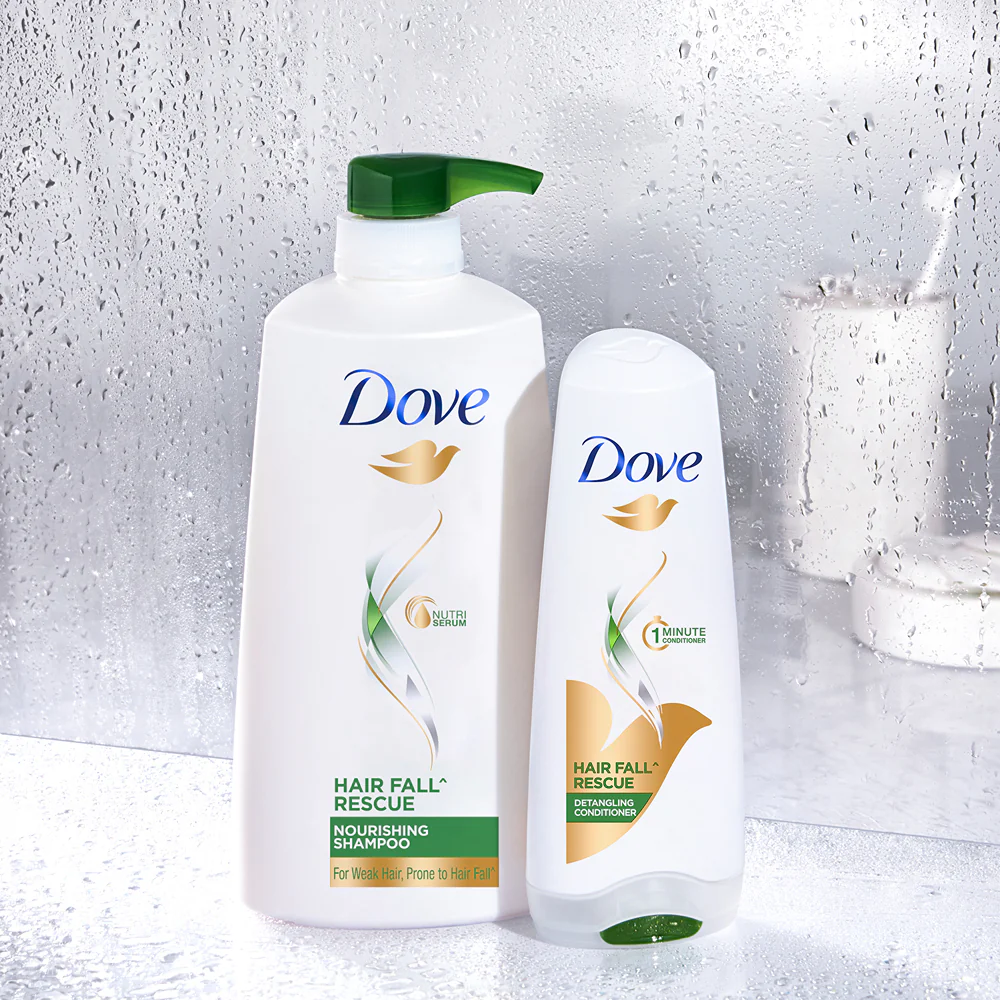
- Personal care and hygiene: Soaps, shampoos, toothpaste, and similar items that households restock on a predictable cycle.
- Household essentials: Detergents, cleaning supplies, and home care products that round out the complete daily needs basket.
Franchise Models for a Daily Needs Mart in Prayagraj
- FOCO stands for Franchise Owned, Company Operated: The investor owns the store and franchise rights while The Buyzaar Mart's operations team manages all daily activities — suited for those seeking a passive, asset-backed income source.
- FOCM stands for Franchise Owned, Company Managed: A similar ownership structure with added flexibility, allowing the franchisee periodic visibility into store-level operations while the company manages the operational core.
- Both models work well for a daily needs mart, since the category's predictable, high-frequency nature makes daily operations relatively systematic once the supply chain and staffing are properly established.
- The franchise agreement runs for a 5-year term with clearly defined revenue sharing and responsibilities, giving investors a structured, transparent business relationship from day one.
Store Formats for a Daily Needs Mart
- Mini Mart (600-1000 sqft): The most natural fit for a daily needs-focused store, sized for residential colony locations such as Tagore Town, Colonyganj, or Allahpur — covering the core daily needs categories efficiently within a compact footprint.
- Super Mart (1000-3000 sqft): A larger daily needs offering suited to main market roads and busier commercial pockets such as Naini or George Town, expanding the product range while still anchored around daily essentials.
- Hyper Mart (3000-8000 sqft): The most comprehensive daily needs destination, suited for high-traffic zones like Civil Lines or developing belts in Jhusi, offering the widest range across staples, FMCG, dairy, and household categories.
- Regardless of format, the daily needs category remains the core revenue driver, with format size primarily affecting how broad the surrounding product range can be.
Investment Required
- The Mini Mart format — the most accessible entry point for a daily needs mart — starts at ₹15,25,000, covering franchise rights, store interior and setup, opening inventory, technology infrastructure, and launch marketing.
- Super Mart and Hyper Mart formats require higher investment depending on store size and chosen location, scaling proportionally with the larger daily needs product range carried.
- Prayagraj's relatively affordable commercial real estate compared to Lucknow or NCR keeps the overall investment manageable, particularly for the Mini Mart format.
- Investors with access to an existing commercial space in a suitable Prayagraj locality can reduce upfront costs further by eliminating rental expenses.
Best Locations in Prayagraj for a Daily Needs Mart
- Civil Lines and Allahpur are premium residential zones with strong purchasing power and consistent daily needs demand across a wide range of categories.
- Naini is a dense industrial-residential population generating steady, high-frequency daily needs purchases throughout the week.
- George Town and Chowk are high-footfall commercial areas where a well-stocked daily needs store can capture both resident and passing customer demand.
- Jhusi and Phaphamau are rapidly developing colonies where new households are actively establishing their default daily needs shopping habits.
- Tagore Town and Colonyganj have established residential demand with a steady, predictable customer base for daily essentials.
Why Daily Needs Retail Is Lower Risk Than Other Categories
- Demand for daily needs products does not disappear during economic slowdowns the way demand for discretionary categories often does, making this segment more resilient during uncertain periods.
- High purchase frequency means a daily needs mart generates consistent cash flow from the very early weeks of operation, rather than depending on occasional large-ticket transactions.
- Because nearly every household is a potential customer, the addressable market for a daily needs store is broader than for more specialized retail categories.
- Centralized procurement protects margins on daily needs products specifically, since these categories tend to have thinner per-unit margins that benefit significantly from bulk-negotiated pricing.
- The predictability of daily needs demand makes inventory planning more straightforward, reducing the risk of dead stock that often affects stores carrying more discretionary or seasonal product ranges.
Step-by-Step: Starting a Daily Needs Mart Franchise
- Step 1 — Inquiry: Contact The Buyzaar Mart with your investment budget and interest in a daily needs-focused franchise in Prayagraj.
- Step 2 — Consultation: Discuss your preferred store format, available commercial space, and whether FOCO or FOCM suits your involvement preference.
- Step 3 — Location Assessment: The Buyzaar Mart team evaluates suitable Prayagraj localities based on residential density, competition, and footfall patterns.
- Step 4 — Agreement: Sign the franchise agreement covering investment terms, revenue sharing, and a 5-year tenure.
- Step 5 — Store Setup: Interior design, shelving, signage, and branding are completed by the company, with daily needs categories prominently positioned.
- Step 6 — Staffing: Store staff are recruited and trained before launch, prepared to handle the high transaction frequency typical of daily needs retail.
- Step 7 — Supply Chain Activation: Your store connects to centralized procurement, ensuring daily needs categories are consistently stocked from day one.
- Step 8 — Launch: Hyperlocal marketing builds awareness among nearby households, encouraging them to adopt the store as their default daily needs destination.
- Step 9 — Ongoing Operations: Replenishment cycles and performance reviews continue post-launch, with particular attention to keeping fast-moving daily needs categories well stocked.
Frequently Asked Questions
What does a daily needs mart sell?
Staples, dairy, packaged foods, beverages, personal care, and household essentials — the core categories every household buys repeatedly.
Why is daily needs retail considered low risk?
Demand stays consistent regardless of economic conditions, since these are non-discretionary household purchases.
What is the minimum investment required?
The Mini Mart format starts at ₹15,25,000, with higher formats available based on budget.
Which store format suits a daily needs mart best?
Mini Mart is the most natural fit, though Super Mart and Hyper Mart also anchor around daily needs with a wider range.
Which areas in Prayagraj suit this franchise?
Civil Lines, Naini, George Town, Jhusi, Phaphamau, and Tagore Town are strong locations.
How do I apply for a daily needs mart franchise in Prayagraj?
Contact The Buyzaar Mart through their website or call to begin the consultation process.
Start Your Daily Needs Mart Journey in Prayagraj
Daily needs retail gives households a reliable place to buy the essentials they need every week.
Join The Buyzaar Mart franchise network and build a steady, neighborhood-focused retail business in Prayagraj.
Email: info@thebuyzaarmart.com
Phone / WhatsApp: 9217991727
Business Hours: Monday to Saturday, 09:00 AM - 07:00 PM

Store Features & Services
Discover our comprehensive range of services designed to provide the best shopping experience for urban and semi-urban households

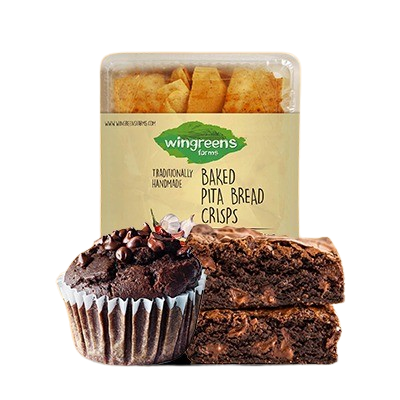

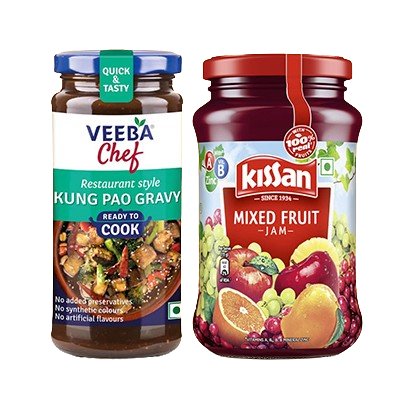
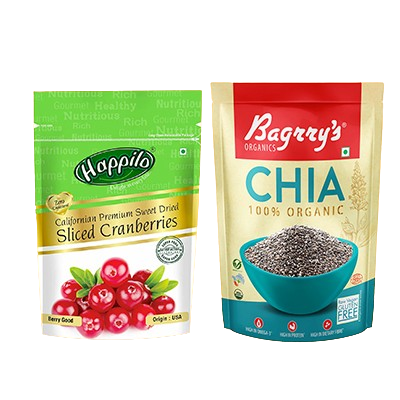




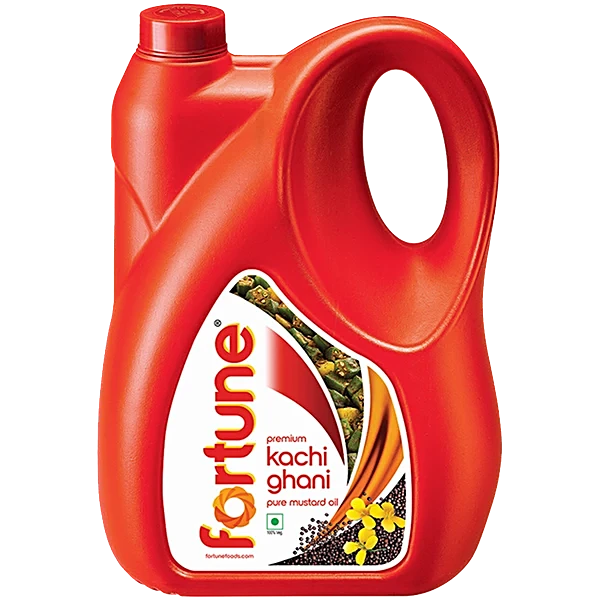


Wide Product Range
Daily-need items under one roof!

Affordable Pricing
Value-conscious pricing strategy!

POS-Enabled Billing System
Modern point-of-sale technology!

Customer Relationship Management (CRM)
Building lasting customer relationships!

Uniform Branding & Store Design
Consistent professional identity!
Localized Product Flexibility
Adapted to local preferences!