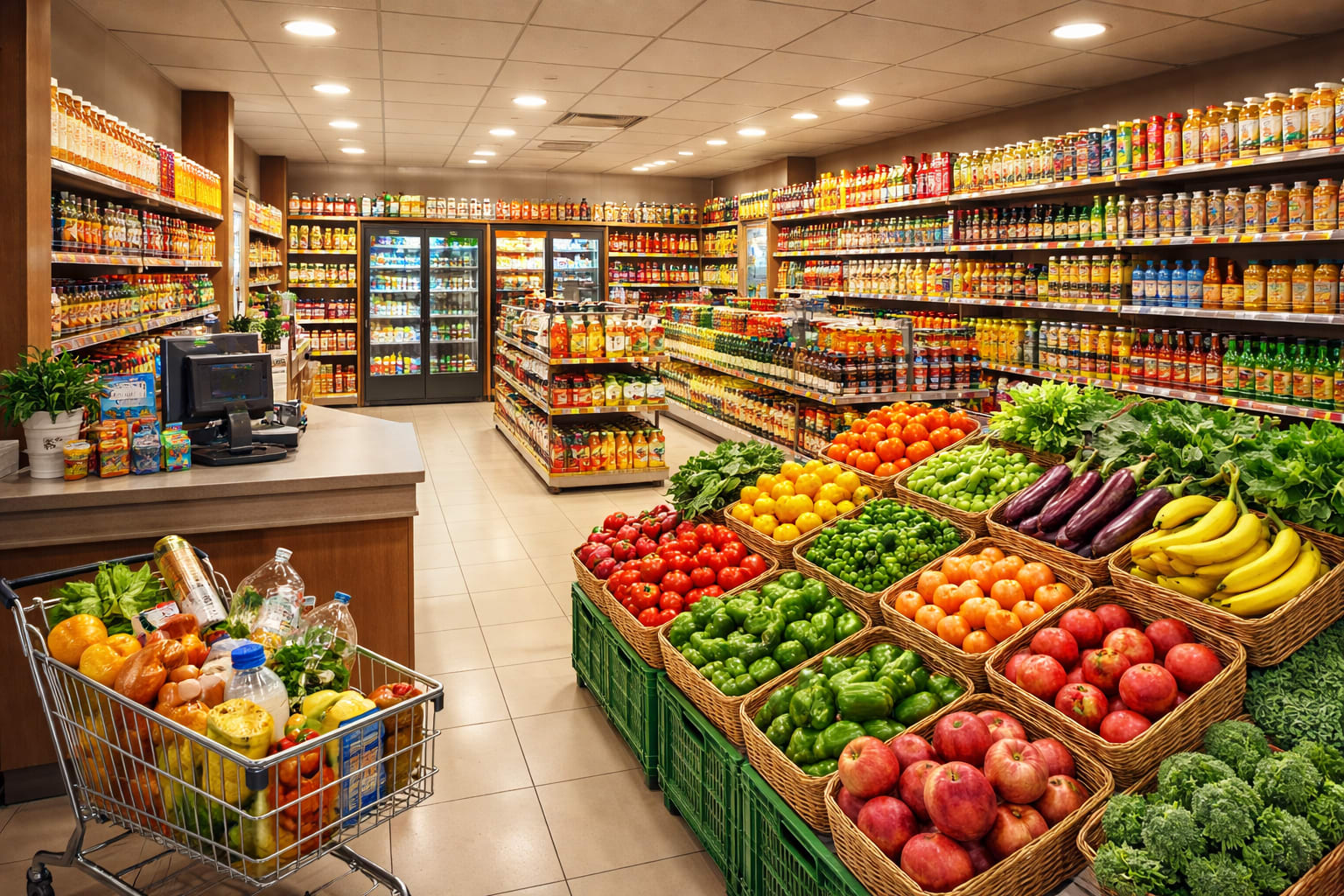
Buyzaar Mart Franchise Prayagraj
Grocery Franchise Investment in Prayagraj — The Buyzaar Mart
Before committing capital to any business, the real question every investor asks is simple: where exactly is my money going, and what am I likely to get back for it. A grocery franchise investment is different from buying a fixed deposit or mutual fund — it is an operating business, and understanding it properly means looking past the headline investment figure into what that money actually buys, how returns are structured, and what risks genuinely exist. This piece breaks down the grocery franchise investment opportunity with The Buyzaar Mart in Prayagraj from a purely financial and decision-making lens.
How to Think About This as an Investment
- A franchise investment differs from a passive financial instrument in one key way — it generates returns through an active, operating business rather than market-linked appreciation or fixed interest.
- Unlike stocks or mutual funds, a grocery franchise gives the investor a tangible local asset — a physical store, inventory, brand association, and a customer base built within a specific Prayagraj neighbourhood.
- The return profile depends heavily on execution — location, format, demand in the catchment, and operational quality — rather than being purely formulaic the way a fixed deposit's interest rate is.
- This makes due diligence on location and format genuinely important, rather than a formality, since these factors directly determine how the investment performs.
- Compared to starting an independent business, a franchise investment in an established system like The Buyzaar Mart reduces — but does not eliminate — execution risk, since core systems are already tested.
What Your Investment Covers
- Franchise rights: The legal right to operate under The Buyzaar Mart brand in your chosen Prayagraj location, including access to the brand name, systems, and ongoing support for the agreement term.
- Store interior and setup: Shelving, signage, branded fixtures, lighting, and the physical buildout that turns a commercial space into an operational Buyzaar Mart store.
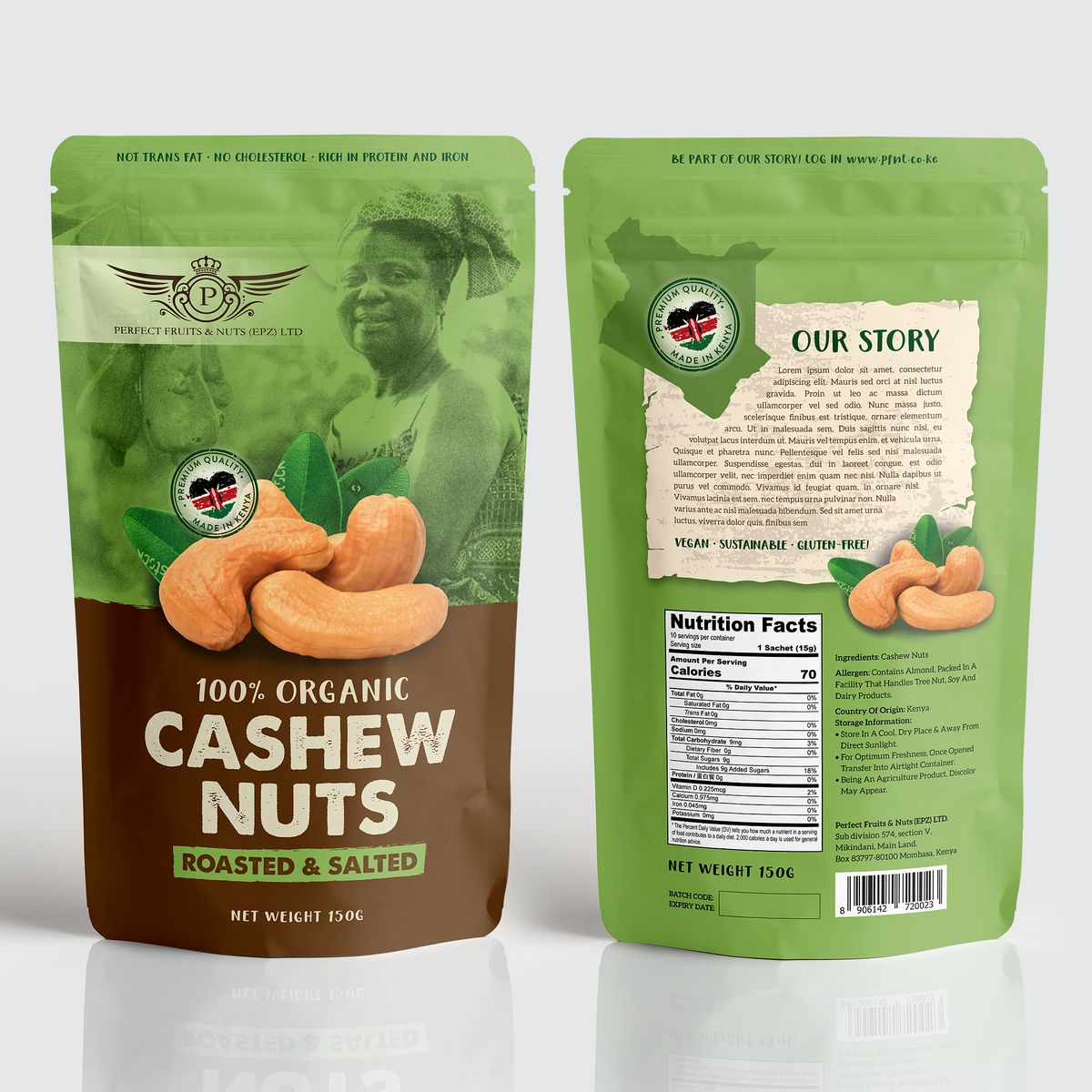
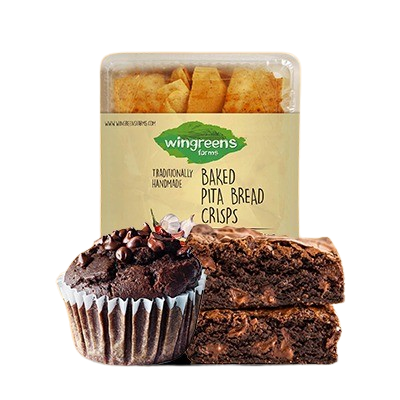
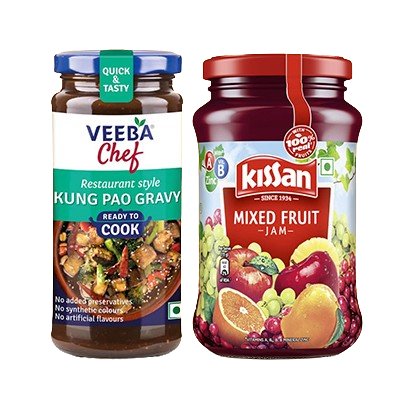
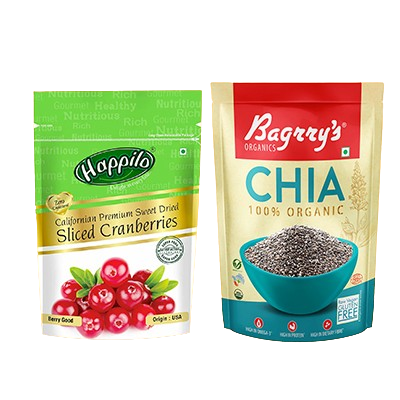
- Opening inventory: The initial stock across all categories — staples, dairy, packaged foods, personal care, and household essentials — needed to open with a fully shelved store rather than a partially stocked one.
- Technology infrastructure: The POS billing system, inventory management software, and the hardware required to run daily transactions and track stock accurately.
- Launch marketing: Hyperlocal digital campaigns, grand opening promotions, and initial customer acquisition activity designed to build footfall in the first weeks of operation.
- Understanding this breakdown matters because it shows the investment is not a single lump payment for a shop — it is a structured allocation across the elements that actually determine whether the store performs well from day one.
Investment Figures by Format
- Mini Mart (600-1000 sqft): Starts at ₹15,25,000 — the lowest entry point, suited for residential colony locations and first-time franchise investors.
- Super Mart (1000-3000 sqft): Requires a higher investment than Mini Mart, scaled to a larger commercial space and broader product range, suited to main market roads and busier commercial pockets.
- Hyper Mart (3000-8000 sqft): The highest investment tier, reflecting the largest store size and most comprehensive product range, suited to high-traffic commercial zones and premium residential areas.
- Exact figures for Super Mart and Hyper Mart are confirmed during consultation based on the specific commercial space and location identified, since larger formats vary more by site-specific factors like rental structure and store size.
- Across all formats, Prayagraj's relatively affordable commercial real estate compared to Lucknow or NCR means the investment stretches further here than in larger, more expensive markets.
Factors That Influence Your Actual Investment Amount
- Whether you already own a suitable commercial space or need to lease one — owning property eliminates a significant portion of setup cost.
- The specific Prayagraj locality chosen, since rental rates vary meaningfully between premium zones like Civil Lines and developing areas like Jhusi or Phaphamau.
- The store format selected, with investment scaling up from Mini Mart through Super Mart to Hyper Mart based on size and inventory breadth.
- Any additional customization requested for the store beyond standard specifications, though most franchisees operate within standard buildout terms.
- Timing of the investment relative to seasonal factors, since launching ahead of high-footfall periods like Magh Mela may involve slightly different inventory planning.
Franchise Models and How They Affect Your Role
- FOCO stands for Franchise Owned, Company Operated: Your investment funds the asset, and the company handles all operations — your role post-investment is largely passive, reviewing performance rather than managing the business.
- FOCM stands for Franchise Owned, Company Managed: A similar investment structure with slightly more involvement available to the franchisee if desired, though core operations remain with the company.
- Neither model changes the fundamental investment figures by format — they affect how involved you are after the investment is made, not how much capital is required upfront.
- Choosing between the two should be based on your personal preference for involvement, not on which one is cheaper, since the investment cost structure is largely similar across both.
How Returns Are Generated
- Revenue is generated from daily transactions at the store — every grocery purchase by a local customer contributes to the store's sales, accumulating into a steady, frequent income stream rather than occasional large transactions.
- The franchise agreement defines a clear revenue-sharing or return structure between the franchisee and The Buyzaar Mart, agreed upon before the investment is finalized.
- Because grocery is a non-discretionary, high-frequency purchase category, revenue tends to build more predictably over time compared to businesses dependent on seasonal or trend-driven demand.
- A well-located store in a strong Prayagraj catchment — measured by residential density, nearby competition, and footfall — tends to reach a stable, predictable revenue pattern faster than a poorly located one, reinforcing why location assessment is a critical part of the process.
Risk Factors Worth Understanding
- Like any retail business, performance depends partly on location quality — even with a strong brand and supply chain, a poorly chosen catchment will underperform a well-chosen one.
- Grocery retail margins are generally thinner than some other retail categories, which is why centralized procurement and bulk pricing play such a significant role in protecting profitability.
- Local competition, including other organized retail entrants over time, can affect a store's market share within its catchment, particularly in areas that become more commercially developed.
- As with any 5-year agreement, franchisees should review the specific terms around revenue sharing, renewal, and responsibilities carefully during the consultation stage rather than after signing.
- A franchise investment, while lower-risk than starting independently, is not risk-free — it remains an operating business subject to local market dynamics.
Why a Franchise Investment Reduces Risk
- The supply chain, vendor relationships, and procurement pricing are already established, removing one of the most difficult and time-consuming aspects of starting a grocery business from scratch.
- Staff recruitment, training, and store operations are handled by an experienced team rather than being built through trial and error.
- The brand itself carries existing recognition and trust, shortening the time needed to build a customer base compared to an unbranded independent store.
- Standardized systems for billing, inventory, and reporting mean the store operates to a tested standard from day one rather than improving gradually through operational mistakes.
Questions to Ask Before Committing Your Investment
- What does the revenue-sharing structure look like under the specific model — FOCO or FOCM — you are considering?
- What does the location assessment for your preferred Prayagraj locality show in terms of footfall and competition?
- What is the realistic timeline from agreement signing to store launch for your specific situation?
- What ongoing reporting will you receive, and how frequently, to track your investment's performance?
- What are the terms around renewal, exit, or expansion at the end of the 5-year agreement period?
Frequently Asked Questions
What is the minimum investment for a grocery franchise in Prayagraj?
The Mini Mart format starts at ₹15,25,000. Super Mart and Hyper Mart require higher investment based on size and location.
What exactly does the investment cover?
Franchise rights, store setup, opening inventory, technology infrastructure, and launch marketing.
How are returns generated from this investment?
Through daily store revenue, shared between franchisee and company as per the agreement structure.
How long until the store becomes operational after investing?
Few months from signing the franchise agreement.
Does owning my own commercial space reduce the investment?
Yes. Using your own property eliminates rental costs from the setup budget.
How do I get a precise investment figure for my situation?
Contact The Buyzaar Mart for a consultation based on your preferred format and location in Prayagraj.
Start Your Grocery Franchise Investment in Prayagraj
- A grocery franchise investment should be judged by what it builds, how it operates, and how it performs over time.
- Join The Buyzaar Mart franchise network and evaluate the investment with a clear view of format, location, returns, and risk.
- Email: info@thebuyzaarmart.com
- Phone / WhatsApp: 9217991727
- Business Hours: Monday to Saturday, 09:00 AM - 07:00 PM

Store Features & Services
Discover our comprehensive range of services designed to provide the best shopping experience for urban and semi-urban households




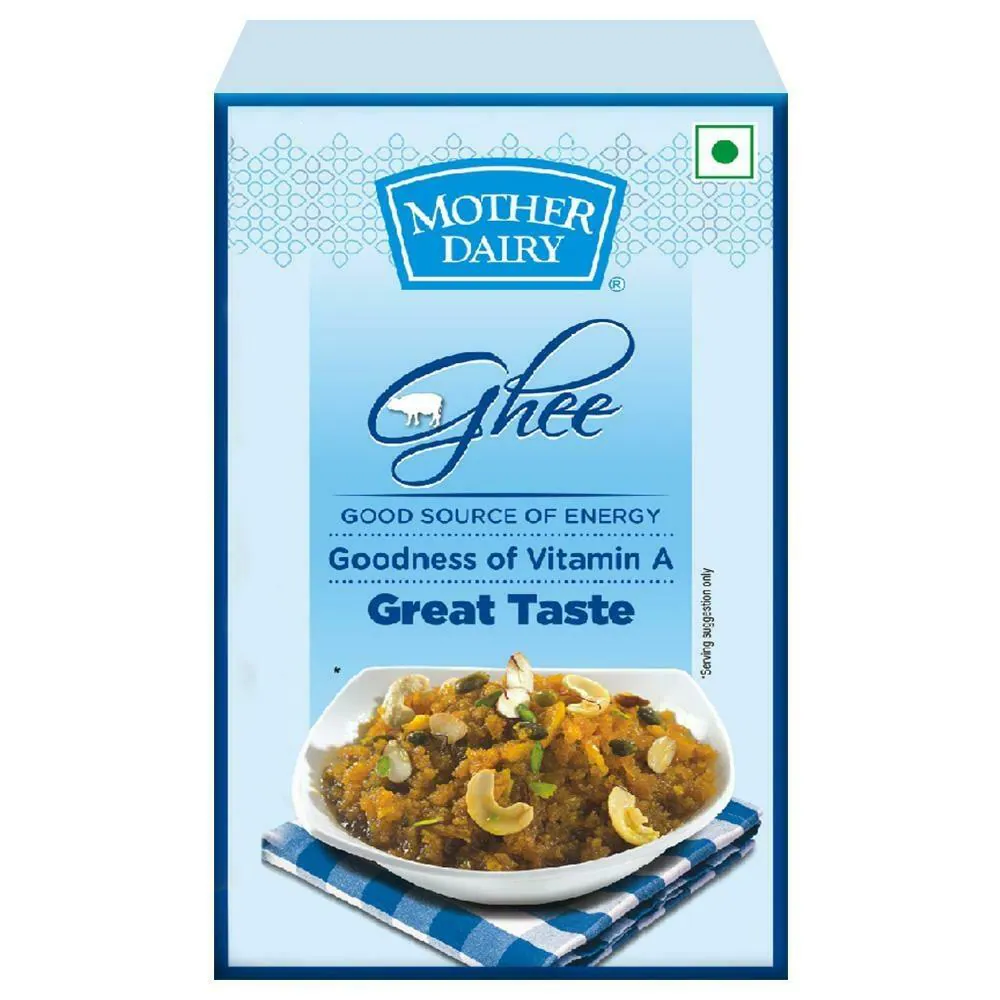
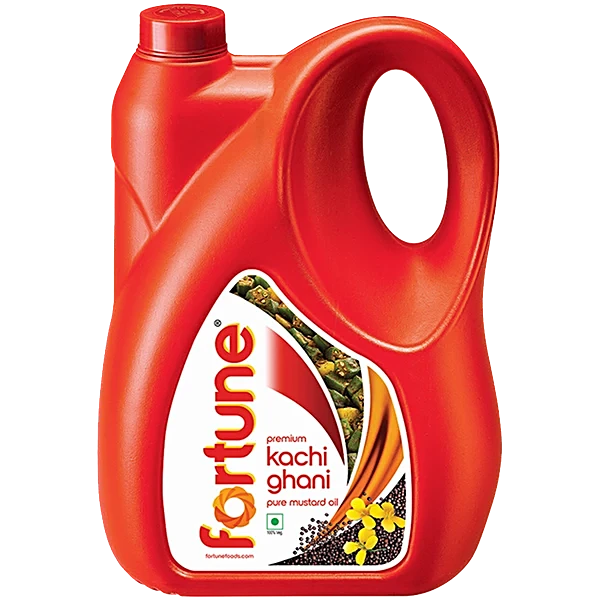
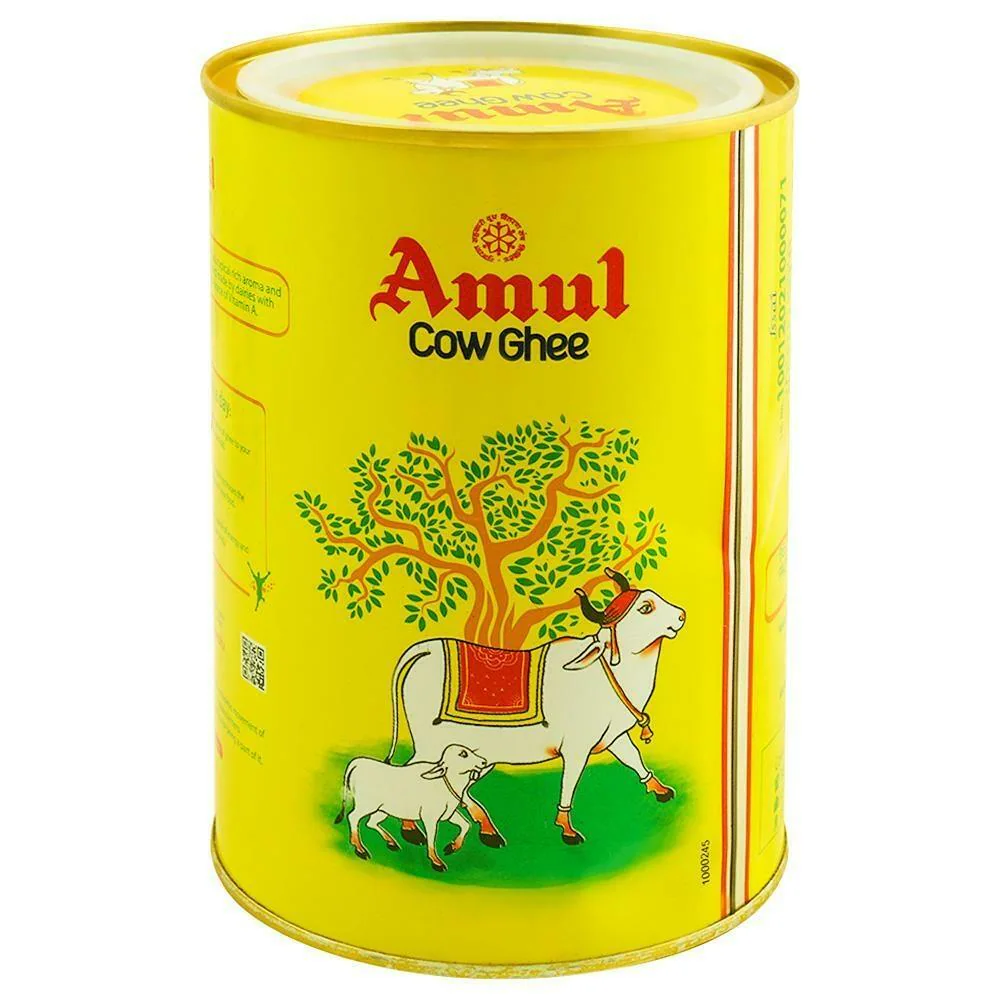




Wide Product Range
Daily-need items under one roof!

Affordable Pricing
Value-conscious pricing strategy!

POS-Enabled Billing System
Modern point-of-sale technology!

Customer Relationship Management (CRM)
Building lasting customer relationships!

Uniform Branding & Store Design
Consistent professional identity!
Localized Product Flexibility
Adapted to local preferences!