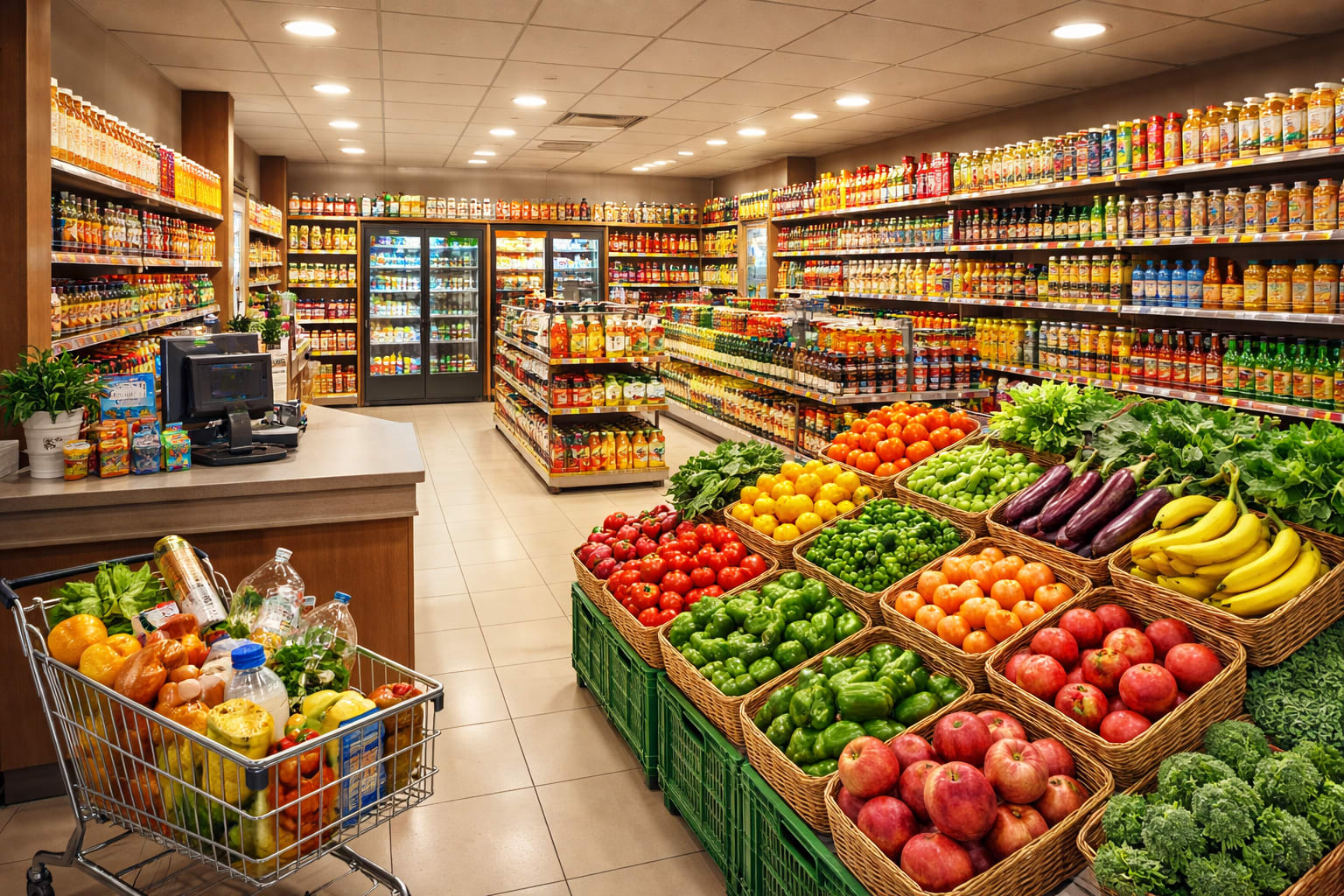
Profitable Franchise in Rampur | The Buyzaar Mart
Profitable Franchise in Rampur: How a Buyzaar Mart Grocery Store Earns Its Returns
Looking for a Profitable Franchise in Rampur
- A profitable franchise is one where steady sales, a healthy margin and controlled costs work together, not one that simply promises big numbers.
- Grocery retail suits this goal because families in Rampur buy staples, snacks, beverages, personal care and home care items every week.
- The Buyzaar Mart offers a supermarket franchise model built on the idea of "Your Friendly Neighborhood Store", with store setup, billing technology, training and marketing support.
- This guide explains where profit comes from, which costs reduce it, how to grow sales and what a new owner in Rampur should plan for.
Why Grocery Is a Practical Profit Business
Repeat Demand
- Atta, rice, dal, oil, spices, soaps and cleaning products are bought again and again, so income does not depend on one season.
- Festivals such as Navratri, Diwali and Eid and wedding season raise footfall and basket size.
Essential Products
- Daily-need items stay in demand even when families reduce spending on non-essential goods.
- Regular customers return to the same trusted store, which lowers the cost of winning each sale.
Support from a Franchise System
- A tested layout, product mix guidance and supply support reduce the common mistakes of new independent shops.
Total Investment for a Profitable Start
- The total investment for a Buyzaar Mart Mini Mart franchise (600-1000 sq ft) is about ₹15 lakh to ₹20 lakh.
- The exact amount depends on store size, layout, location and the format you choose, and larger formats need a higher total.
- Use the investment calculator on the franchise page to estimate your cost, and confirm the final total with the franchise team before signing.
- Keep working capital ready for rent, salaries and electricity, since the franchise owner pays these running costs under the FOCM model.
Understanding the Margin: 18% to 20%
What the Margin Means
- The Buyzaar Mart model states an effective gross margin of around 18% to 20%, depending on location, store size and sales volume.
- Gross margin is what remains from sales after the cost of goods, before your store’s running expenses are paid.
Gross Margin Is Not Net Profit
- Rent, staff salaries, electricity and other operating costs are paid from the gross margin.
- Your net profit is what remains after these costs and any wastage, so it depends on how well you run the store.
Why the Margin Can Vary
- A high-footfall location with good stock availability usually sells more than a weak location.
- Larger formats with more categories can raise basket size, but also bring higher running costs.
Main Sources of Profit in a Grocery Store
Everyday Staples
- Atta, rice, dal, oil, sugar and spices bring steady footfall and regular visits.
Packaged Food and Snacks
- Biscuits, namkeen, chocolates and ready snacks bring quick-moving sales and impulse purchases.
Personal Care and Home Care
- Soaps, shampoos, detergents and cleaning products add value to each basket and bring families back every month.
Dairy, Fruits and Vegetables
- Available in Super Mart and Hyper Mart formats, these items increase visit frequency and basket size.
Gifts, Toys and Frozen Items
- Available in Hyper Mart, these categories attract families and add variety to the store.
Costs That Reduce Your Profit
Rent
- Choose a shop where rent is balanced against realistic daily sales, because a high lease can eat into your margin.
Staff Salaries
- Keep the team size in line with store format and footfall, and train staff so that each person is productive.
Electricity and Other Running Costs
- Use lighting and cooling sensibly, and track monthly costs to find savings.
Wastage and Dead Stock
- Expired or damaged stock directly reduces profit, which is why the company’s take-back of expired and damaged goods is valuable.
- Avoid overstocking slow-moving items that block your cash.
Store Formats and Profit Potential
Mini Mart (600-1000 sq ft)
- A practical entry point with lower setup size, suited to residential neighbourhoods.
- Covers personal care, beverages, grocery and staples, home care and hygiene, stationery, snacks and biscuits.
Super Mart (1000-3000 sq ft)
- Suited to busy roads and larger markets where families shop for the full month.
- Adds dairy items and fruits and vegetables for a bigger basket.
Hyper Mart (3000-8000 sq ft)
- Built for large premises in high-footfall areas, with the widest product range.
- Adds gifts, toys and frozen ready-to-eat items.
How to Increase Profit in a Rampur Store
Win Regular Customers
- Greet customers by name, keep prices clear and make billing quick so that families return every week.
- Use CRM tools to track repeat buyers and send them offers.
Increase Basket Size
- Place related items together, such as tea with biscuits and rice with oil, to encourage extra purchases.
- Offer combo packs on staples during festivals and month-end shopping.
Reduce Wastage
- Rotate stock so that older packs sell first, and check expiry dates every week.
- Review POS reports to cut slow-moving items before they become dead stock.
Use Festival Demand
- Plan stock early for Navratri, Diwali, Eid and wedding season, including fasting and gifting items.
Offer Convenience
- Use phone ordering and home delivery for regular families who prefer to shop from home.
Location Decides Profit in Rampur
- Choose a place near dense housing colonies, busy chowks, schools, hospitals or market clusters.
- Prefer a ground-floor shop with wide frontage, signboard space and easy two-wheeler parking.
- Study nearby grocery stores and note where they are weak in range, billing or display.
- Customers from nearby towns such as Swar, Bilaspur, Milak and Shahabad often visit Rampur, which can widen your customer base.
- The company surveys your site and checks population, purchasing capacity and local demand before approval.
How The Buyzaar Mart Supports Profitability
Inventory and Supply
- Opening stock recommendations, replenishment guidelines and procurement systems help you keep the right products on the shelf.
- Products are sourced directly from manufacturers with logistics coordination.
Stock Protection
- The company takes back expired and damaged goods, which reduces dead stock losses.
Technology
- POS-enabled billing tracks sales and inventory, and CRM tools help you understand customers.
Training and Audits
- Initial training for owner and staff, followed by a dedicated support team, audits and performance dashboards.
Marketing
- A launch strategy, local campaigns and digital marketing support build awareness quickly.
Step-by-Step Process to Start
Step 1: Inquiry
- Fill the inquiry form on thebuyzaarmart.com or call +91 9217991727.
Step 2: Application
- Complete the franchise application with identity, address, bank and store details.
Step 3: Site Survey and Approval
- The company reviews your location before setup begins.
Step 4: Agreement
- Review and sign the franchise agreement, complete KYC and make the payment as agreed.
- The FOCM term is five years, with renewal support at the end.
Step 5: Setup and Launch
- The team handles layout, interiors and branding, trains you and your staff, and supports your launch.
Documents Required
- ID proof such as Aadhaar, PAN or Voter ID.
- Educational certificate showing your highest qualification.
- Cancelled cheque or bank passbook copy.
- Ownership paper or rental agreement for the proposed store.
- GST registration, FSSAI licence or registration and local shop registration as required.
Cash Flow Planning for the First Months
- Keep a reserve for rent, salaries and electricity, because sales take time to build.
- Order stock in quantities that match real demand instead of filling every shelf with slow items.
- Check daily POS sales and weekly profit so that problems are noticed early.
- Avoid heavy borrowing that makes monthly repayments difficult while the store is still growing.
- Judge performance over several months, not a few weeks, because regular customers build gradually.
A Simple Monthly Profit Review
Check Sales
- Compare each month’s total sales with the previous month and note which days and categories sold best.
- Look at festival weeks separately, so that you can plan stock better for the next season.
Check Costs
- List rent, salaries, electricity and other running expenses, and look for any cost that has quietly increased.
- Track wastage from expired or damaged items, and discuss take-back with the support team.
Check Stock
- Find the ten fastest-moving items and make sure they never run out.
- Identify slow items and reduce their orders before they block your cash.
Act on Audit Feedback
- Use the performance dashboards and audit reports from the company to find weak points.
- Turn each suggestion into a small weekly task, such as improving display or retraining staff.
Questions to Ask Before Joining for Better Profit
- What is the complete total investment for my shop size, and what running costs will I pay every month?
- What does the stated margin depend on, and how do other owners improve it?
- How are opening stock and replenishment decided for my area?
- How does the take-back of expired and damaged goods work in practice?
- What training, audits and ongoing support will I receive after launch?
- Can I visit a running store and speak with an existing owner before I decide?
Mistakes That Reduce Profit
- Choosing a cheap shop with low footfall instead of a visible location.
- Ignoring working capital and running short of cash.
- Overstocking slow items while fast sellers run out.
- Skipping staff training and brand standards.
- Not reviewing POS reports and audit feedback.
Why Choose The Buyzaar Mart
- The brand is FSSAI licensed, GST registered and MSME certified.
- It works with leading FMCG brand associations for quality and availability.
- No retail experience is needed, since training and ongoing support are included.
- Uniform branding gives customers a trusted shopping experience.
Frequently Asked Questions
What is the total investment for a profitable franchise in Rampur?
A Mini Mart of 600-1000 sq ft needs about ₹15 lakh to ₹20 lakh in total, and larger formats cost more.
What margin does the model offer?
The model offers an effective gross margin of about 18% to 20%, depending on location and sales.
Is the margin the same as my net profit?
No, rent, salaries, electricity and wastage are paid from the margin, so net profit depends on your store.
Who pays rent and salaries?
Under the FOCM model, the franchise owner pays rent, staff salaries, electricity and running costs.
Do I need retail experience?
No, training, billing software and ongoing support are provided.
What happens to expired stock?
The company takes back expired and damaged goods.
Start Your Profitable Grocery Franchise Journey in Rampur
Rampur’s steady grocery demand offers a practical opportunity to build a profitable neighbourhood retail business.
Join The Buyzaar Mart franchise network and plan your store with clear investment guidance, inventory support, training and launch marketing.
Email: info@thebuyzaarmart.com
Phone / WhatsApp: 9217991727
Business Hours: Monday to Saturday, 09:00 AM – 07:00 PM

Store Features & Services
Discover our comprehensive range of services designed to provide the best shopping experience for urban and semi-urban households


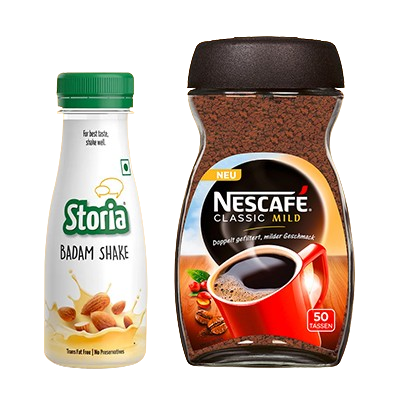
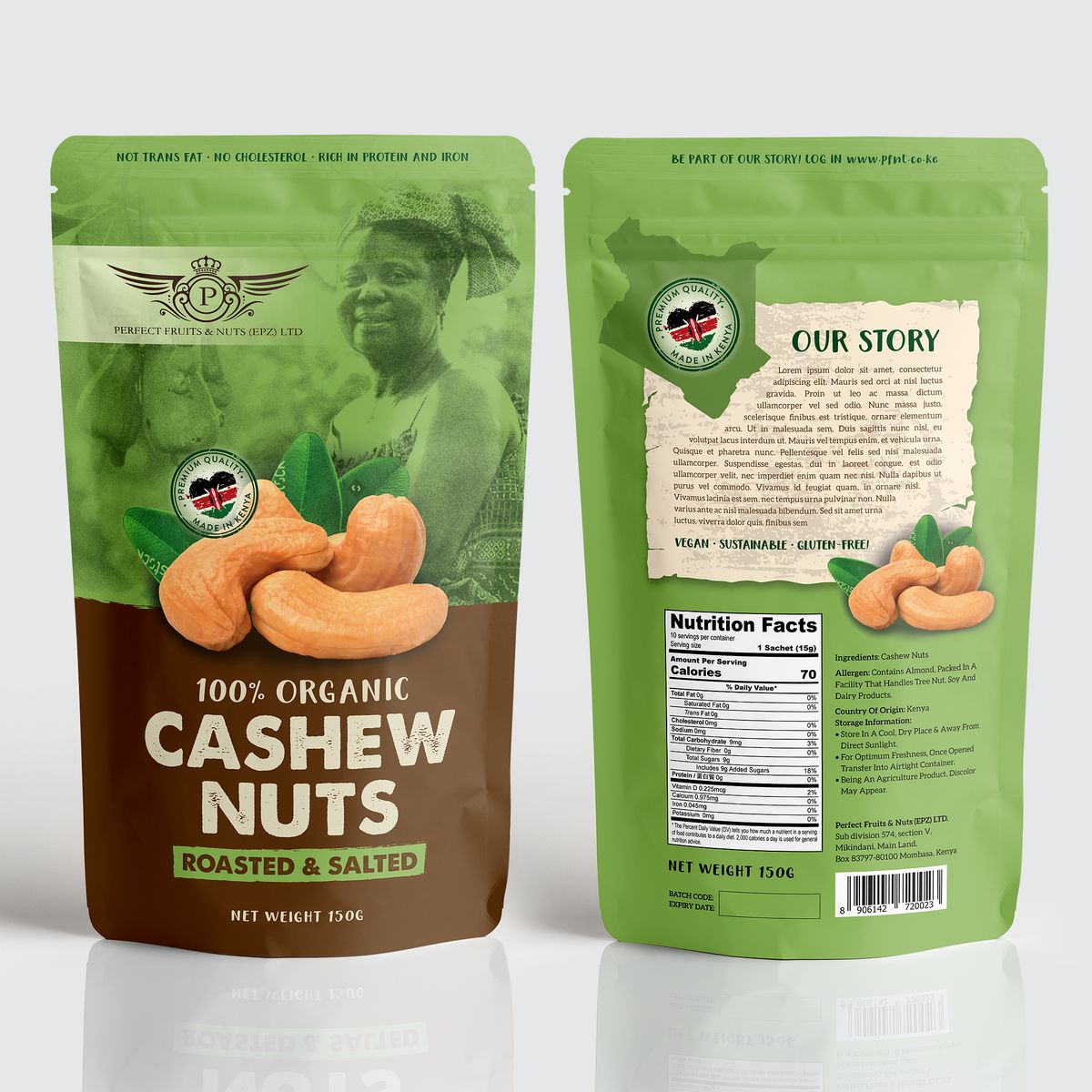


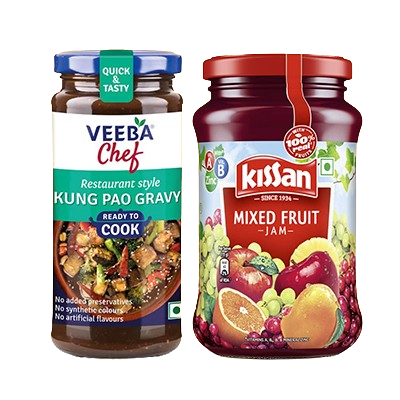
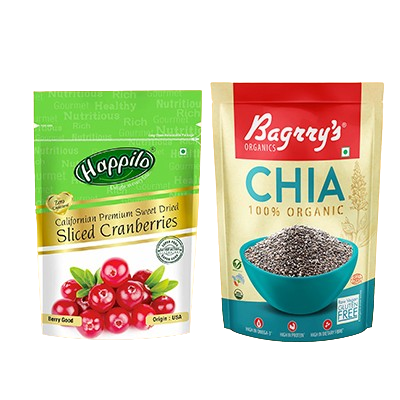




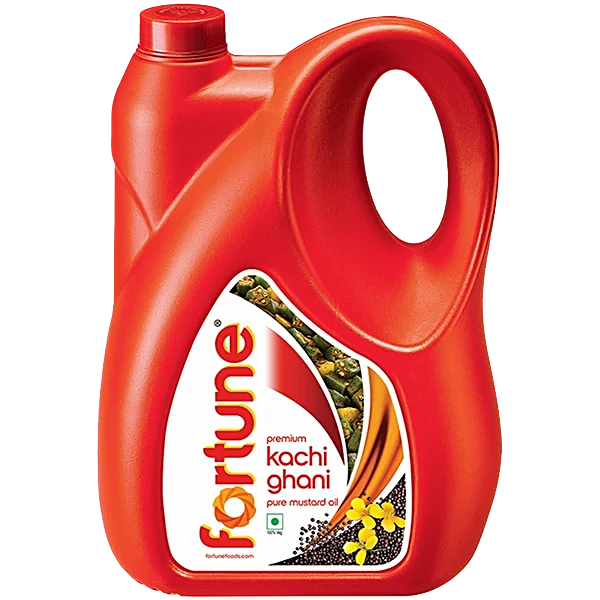
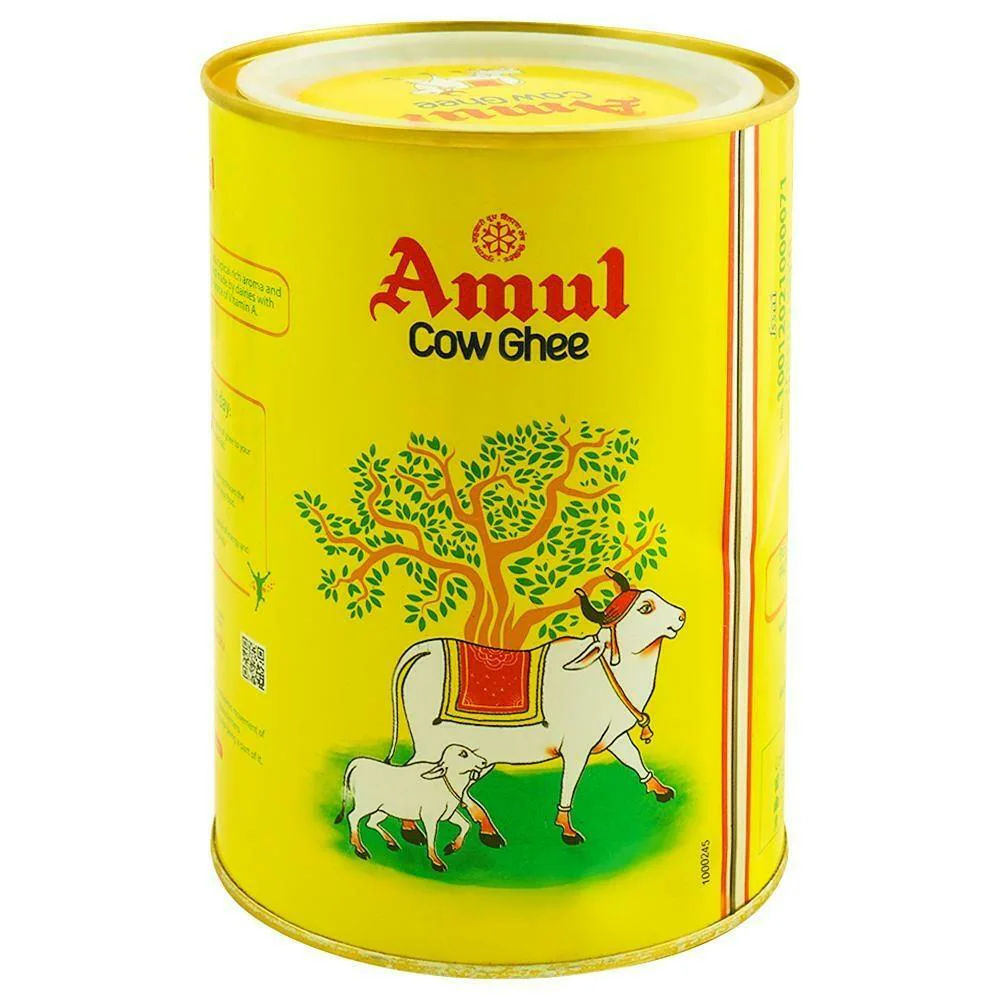


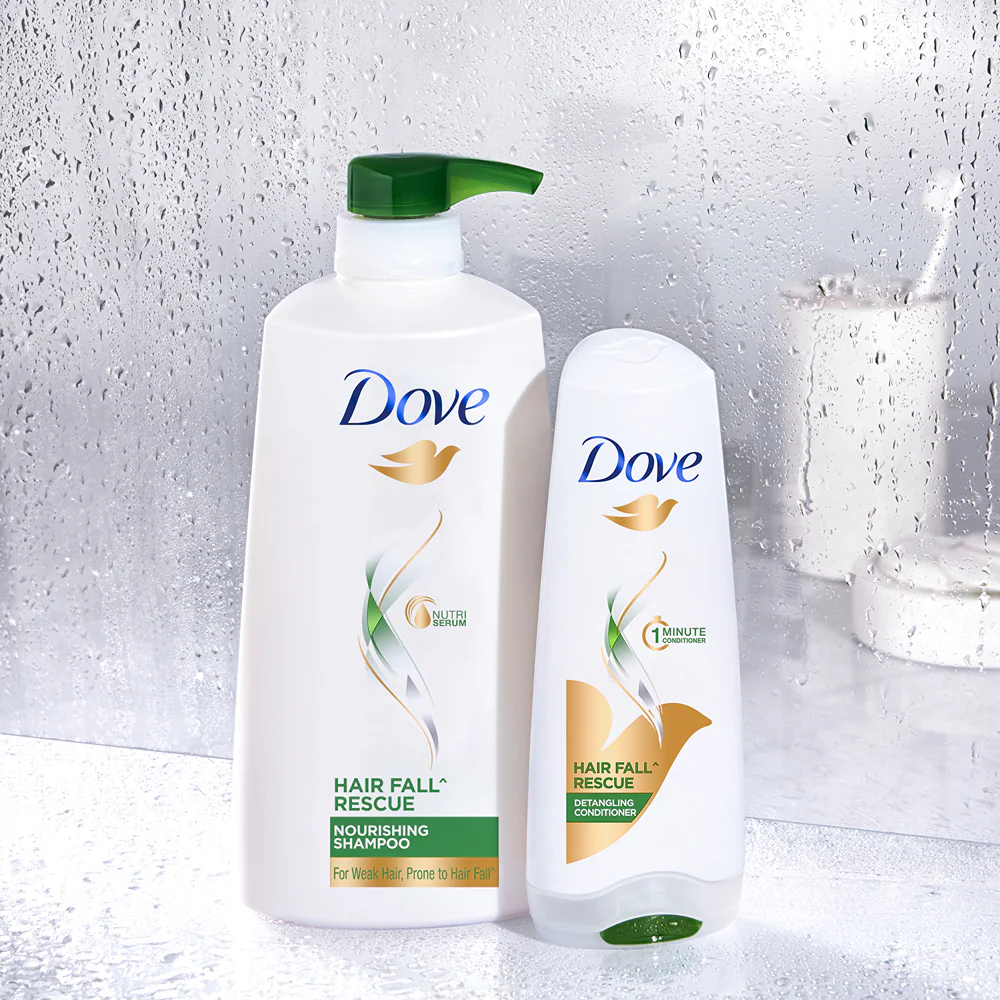

Wide Product Range
Daily-need items under one roof!

Affordable Pricing
Value-conscious pricing strategy!

POS-Enabled Billing System
Modern point-of-sale technology!

Customer Relationship Management (CRM)
Building lasting customer relationships!

Uniform Branding & Store Design
Consistent professional identity!
Localized Product Flexibility
Adapted to local preferences!