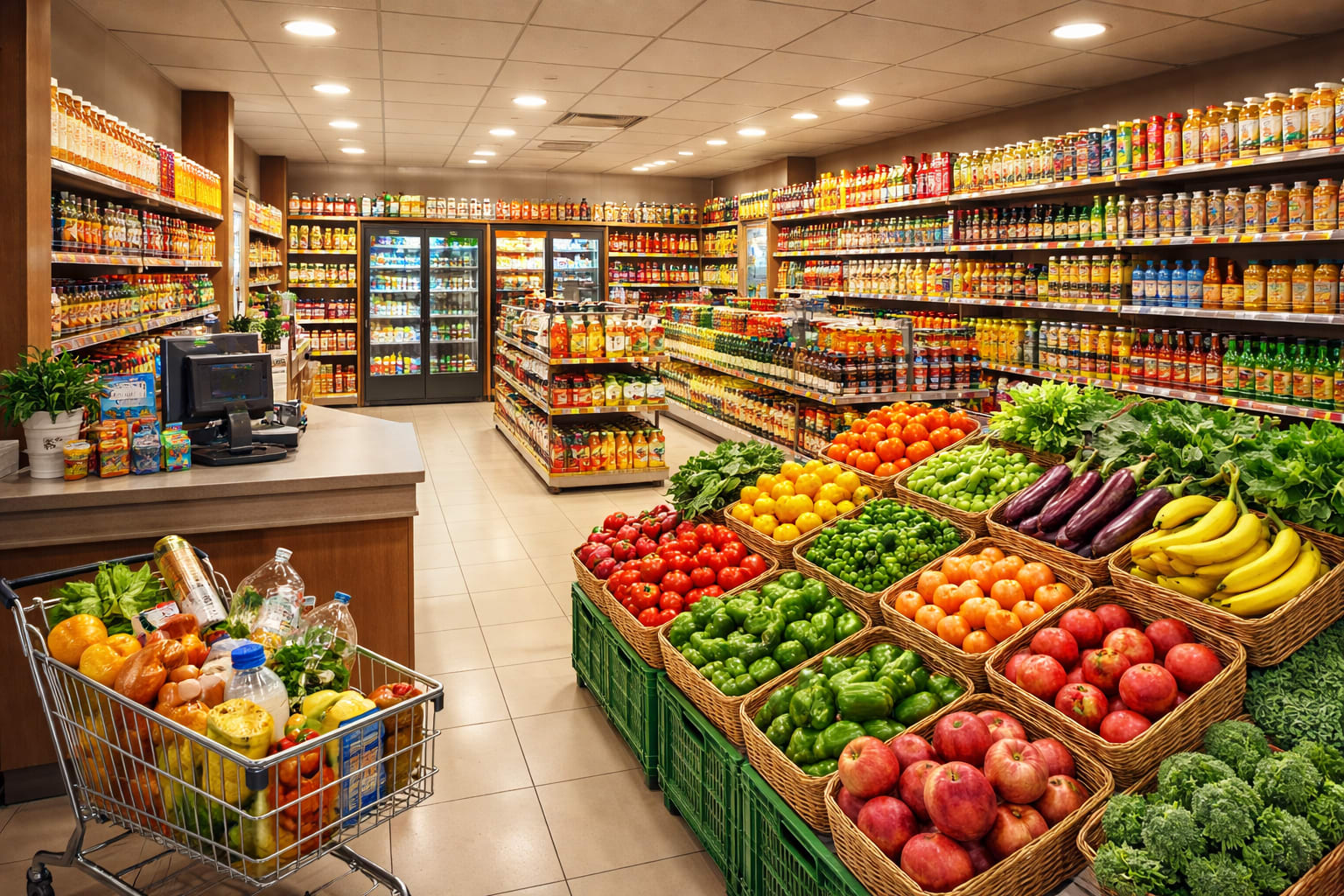
FMCG Retail Franchise in Varanasi
FMCG Retail Franchise in Varanasi: Investment, Store Formats and Complete Business Guide
FMCG products are the foundation of everyday retail and include the essential items that households purchase repeatedly throughout the year. For entrepreneurs in Varanasi who are looking for a structured grocery and daily-needs business, an FMCG retail franchise can be a practical opportunity to evaluate. The Buyzaar Mart provides Mini Mart, Super Mart, and Hyper Mart formats with support for store setup, product sourcing, POS billing, inventory, staff training, marketing, and daily retail operations according to the selected franchise model. This complete guide explains why Varanasi may be suitable for FMCG retail, what an organised FMCG franchise involves, how the FOCM and FOCO models differ, what the indicative investment and store sizes are, which products can be sold, how to assess a location, and what investors should verify before making a financial commitment.
About the FMCG Retail Franchise
An FMCG, or Fast-Moving Consumer Goods, retail franchise is a branded store format focused on products that move regularly from shelves and require frequent replenishment because customers purchase them daily or weekly.
- It focuses on high-turnover categories such as packaged foods, beverages, personal care, household products, staples, dairy, and daily grocery essentials.
- It operates on a repeat-purchase model in which customers return regularly for routine household shopping instead of making only occasional purchases.
- It generally functions as a neighbourhood convenience store, Mini Mart, supermarket, or larger community retail outlet.
- It may be supported by organised sourcing, standardised operations, POS technology, staff training, and a recognisable franchise identity.
- The product range can be adjusted according to local customer demand, available store area, format, storage, refrigeration, and the approved category plan.
Why FMCG Retail Is a Recurring-Demand Business Category
FMCG retail can be attractive to investors because it serves everyday household needs rather than depending only on seasonal or discretionary purchases. Nevertheless, it remains a competitive business, and actual results depend on the selected location, pricing, assortment, operations, rent, stock management, and customer loyalty.
- Essential demand: Groceries, personal care, cleaning products, packaged foods, and household supplies remain relevant throughout the year.
- Frequent purchases: Customers may buy FMCG products weekly or more often, supporting regular visits and recurring sales opportunities.
- Broad customer base: Almost every household requires groceries, beverages, hygiene products, and home-care items.
- Opportunity for basket growth: Customers may purchase several categories together when the store provides convenience and reliable product availability.
- Inventory planning: Fast-moving products can support regular stock rotation when purchasing, storage, expiry management, and replenishment are handled properly.
- Local customer retention: A convenient store with dependable stock, fair pricing, clean presentation, and good service can develop repeat neighbourhood customers.
Why Varanasi Is a Strong Market for FMCG Retail
Varanasi has a diverse customer base made up of resident families, students, professionals, business owners, pilgrims, tourists, and workers connected to the city's commercial, educational, religious, and service sectors. This combination may support different FMCG store formats when the location, product assortment, property cost, and customer catchment are evaluated carefully.
- A large resident population creates recurring demand for groceries, packaged foods, beverages, personal care products, household supplies, and other everyday essentials.
- Continuous pilgrim and tourist movement adds customer activity beyond the permanent residential population, particularly in suitable commercial and high-footfall locations.
- A sizeable student population, including areas connected to Banaras Hindu University and other educational institutions, supports demand for snacks, beverages, personal-care items, quick meals, and convenience products.
- Organised retail is still developing in many parts of the city, leaving potential room for modern stores that provide better assortment, hygiene, billing, and shopping convenience.
- New residential projects on the city's outskirts may create additional retail catchments as occupancy and local purchasing demand increase.
- Consumers are increasingly aware of product quality, expiry dates, price transparency, digital payments, and organised store presentation.
- Areas with residential density, educational activity, tourism, offices, hospitals, and transport connectivity may offer different opportunities for Mini Mart, Super Mart, and Hyper Mart formats.
- FMCG demand is not automatically profitable; investors should study nearby competition, rent, visibility, parking, stock availability, staffing, and expected customer volumes.
Product Categories Under an FMCG Retail Franchise
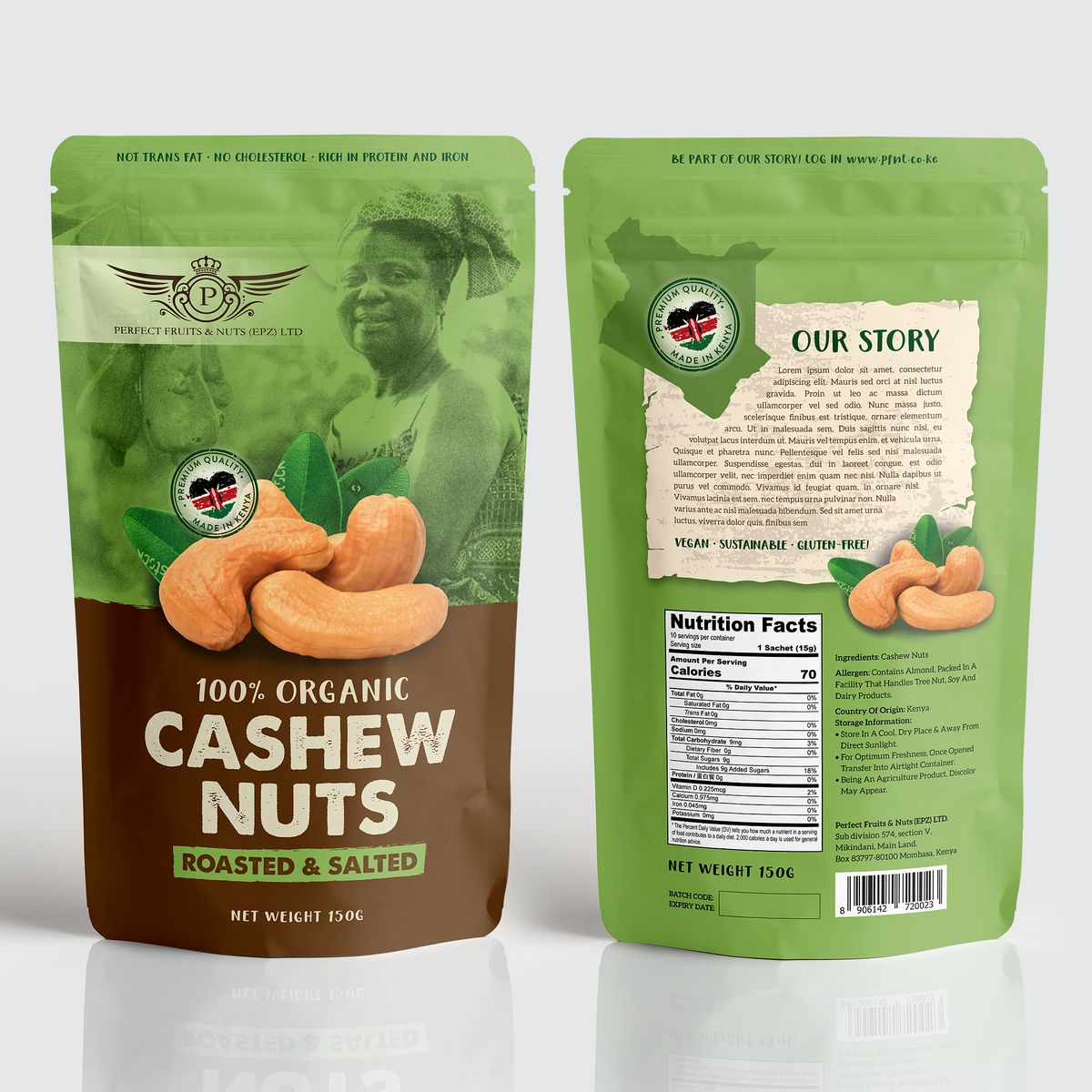
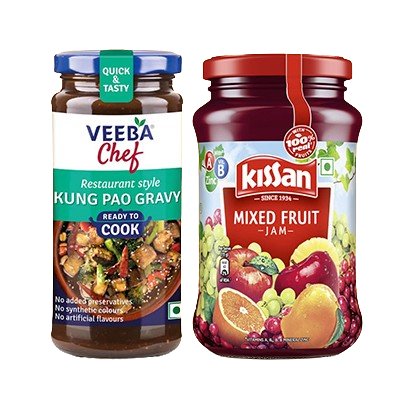
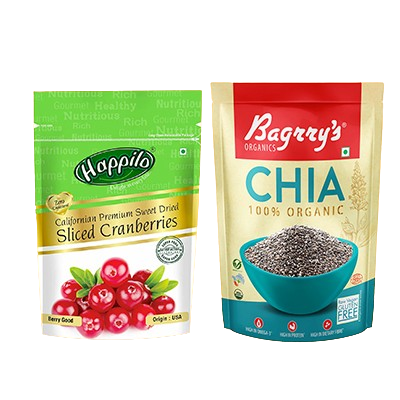
A well-planned FMCG franchise generally offers a practical mix of fast-moving products that meet the daily and weekly requirements of local households, students, working professionals, and other nearby customers.
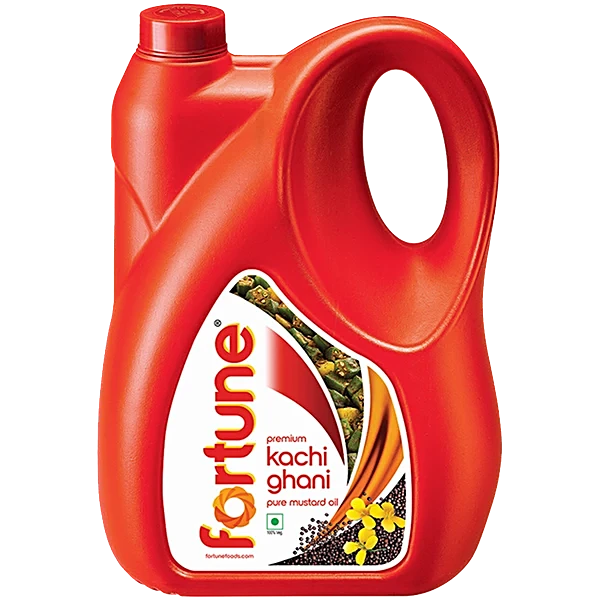
- Staple groceries: Rice, pulses, flour, edible oils, sugar, salt, spices, grains, and other kitchen essentials.
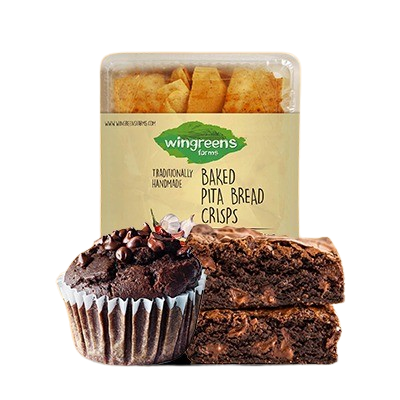
- Packaged foods: Biscuits, snacks, namkeen, noodles, ready-to-eat products, breakfast items, chocolates, bakery products, and convenience foods.
- Beverages: Packaged water, juices, soft drinks, tea, coffee, energy drinks, and other commonly purchased beverages.
- Personal care: Soaps, shampoos, toothpaste, oral-care products, skincare products, deodorants, shaving products, and hygiene items.
- Household products: Detergents, dishwashing products, floor cleaners, toilet cleaners, disinfectants, tissues, garbage bags, and air fresheners.
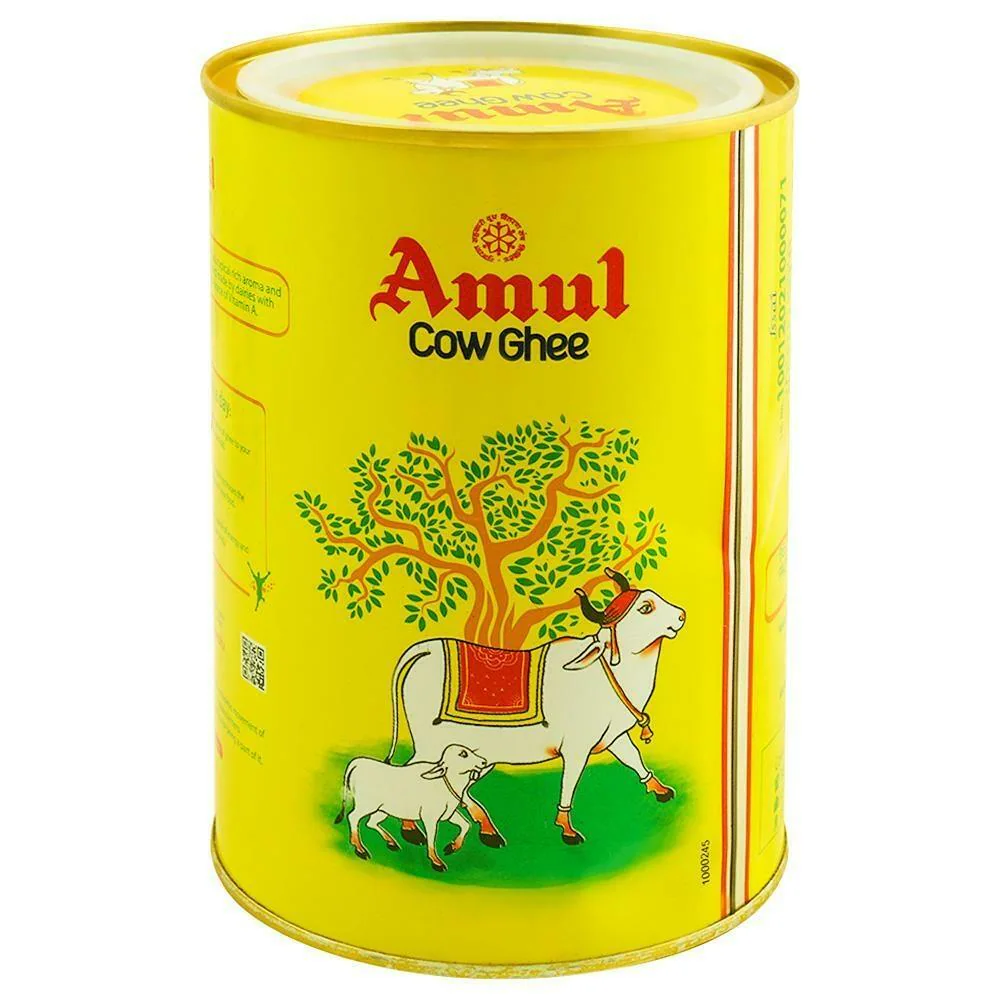
- Dairy and chilled items: Milk, curd, butter, paneer, cheese, and other refrigerated products where storage and format permit.
- Baby-care products: Diapers, wipes, baby food, and other daily-use products according to the approved product range.
- Additional categories: Stationery, utility items, devotional products, toys, pet-care items, frozen foods, fresh produce, and bakery products may be suitable for larger formats.
What The Buyzaar Mart Offers as an FMCG Franchise
The Buyzaar Mart is built around a structured FMCG retail system designed to help franchise partners evaluate, launch, and operate a branded grocery and daily-needs store with support at important stages of the business.
- Curated FMCG assortment: A planned product mix focused on fast-moving local household demand and the approved store format.
- Complete store setup: Interior layout, shelving, fixtures, branding, signage, POS installation, and initial product placement support.
- Technology-enabled operations: POS billing, digital payment support, sales reporting, and inventory-management systems according to the selected package.
- Demand-based stocking: Inventory planning designed to balance product availability with the risk of overstocking slow-moving items.
- Standard Operating Procedures: Defined processes for billing, replenishment, customer service, hygiene, stock handling, and daily store routines.
- Supply-chain assistance: Centralised sourcing and vendor coordination may help maintain product availability and simplify procurement.
- Compliance guidance: Support and information regarding applicable documentation, licensing, GST, food safety, and other operating requirements.
- Marketing support: Local launch promotions, digital communication, festive campaigns, and brand visibility activities according to the franchise package.
- Staff training: Training on billing, POS use, inventory, customer service, product display, hygiene, and operating procedures.
Franchise Models Available
Prospective franchise owners can compare the available operating models according to their preferred level of involvement, investment approach, property situation, and responsibility for daily store management.
FOCM (Franchise Owned, Company Managed)
- You invest in the approved store setup and hold the franchise rights according to the formal agreement.
- The brand's operations team manages agreed daily activities such as inventory, staffing, billing, procurement coordination, and store processes.
- You may receive business reports and retain oversight while the company manages routine operations.
- The exact investment, responsibilities, fees, territory, reporting, and support should be confirmed in writing.
FOCO (Franchise Owned, Company Operated)
- You provide the agreed capital for the location and store development according to the final proposal.
- The company operates the store according to the agreed commercial and operational terms, including staffing and routine management.
- A revenue-sharing, profit-sharing, fixed-return, or other arrangement may be discussed and documented in advance.
- The investor should understand all operating costs, deductions, reporting, payment conditions, and risks before signing.
Store Formats, Area and Indicative Investment
FMCG retail franchises are available in different size categories so investors can compare an option based on their budget, property, target customer base, available storage, expected footfall, and desired product range.
- Mini Mart – approximately 600–1,000 sq. ft. → Indicative investment: approximately ₹15.25 lakh.
- Super Mart – approximately 1,001–3,000 sq. ft. → Indicative investment: approximately ₹26.63 lakh.
- Hyper Mart – approximately 3,001–8,000 sq. ft. → Indicative investment: approximately ₹78.89 lakh.
- Investment may increase according to store area, property condition, interiors, equipment, inventory, staffing, technology, and location.
- Applicants should request a location-specific cost sheet before making a financial commitment.
- The final investment may include franchise fees, initial stock, interior setup, equipment, POS technology, branding, security deposit, and other approved requirements.
Understanding What the Investment Covers
The final investment should be explained through a written proposal because the total cost can vary according to the selected format, property, fit-out, product assortment, equipment, and commercial terms.
- Stock: Initial FMCG and grocery inventory required for opening and serving the approved local catchment.
- Interior and setup: Shelving, branding, signage, layout planning, fixtures, lighting, counters, and store fit-out.
- Security deposit: A refundable or adjustable amount may apply according to the store format, property, and agreement.
- Technology: POS billing hardware, software, barcode equipment, inventory tools, payment systems, configuration, and support according to the package.
- Working capital: Funds for rent, staff, utilities, replenishment, maintenance, marketing, and other early-stage operating expenses.
- Location-specific expenses: Rent, property deposit, licences, taxes, electricity, insurance, repairs, and local permissions should be considered separately where applicable.
- A complete written quotation is recommended before finalising the investment decision.
Return on Investment: What to Expect
FMCG retail is generally a steady-growth business rather than an automatic quick-profit model. Setting realistic expectations is important because actual returns depend on the location, store format, margins, footfall, pricing, inventory turnover, expenses, staffing, and customer retention.
- Returns depend strongly on location, visibility, footfall, local competition, property cost, and how closely the store format matches neighbourhood demand.
- Repeat purchases and daily customer visits can build revenue gradually as the store becomes known and trusted in the surrounding area.
- FMCG margins are often moderate, so product availability, purchasing discipline, stock rotation, pricing, and operating cost control are important.
- Centralised sourcing and bulk purchasing may support competitive procurement, although actual margins vary by category and market conditions.
- Break-even timelines vary by format, property, rent, customer volume, competition, and expenses. Investors should request realistic estimates instead of relying on guaranteed timelines.
- Long-term value may come from customer loyalty, repeat transactions, reliable stock, efficient operations, and the store becoming part of the local shopping routine.
- No franchise should be treated as a guaranteed-return or risk-free investment without independent financial review.
Common Challenges and How Franchise Support Helps
Like any retail business, an FMCG store can face operational challenges. A structured franchise model can help reduce uncertainty through systems, training, procurement support, technology, and brand guidance, but it does not eliminate all business risks.
- Inventory mismanagement: Demand planning, stock reports, expiry monitoring, and centralised stock coordination can help reduce manual guesswork.
- Inconsistent supply: Established vendor relationships and replenishment processes may improve product availability.
- Staff-training gaps: Onboarding and refresher guidance can help staff follow billing, hygiene, customer-service, and stock-handling standards.
- Slow initial footfall: Launch promotions, local awareness activities, and product availability can help the store attract its first regular customers.
- Billing and accounting errors: Standardised POS systems can support more accurate billing, payment tracking, transaction records, and reconciliation.
- Expiry and damaged stock: The applicable inventory policy should be reviewed carefully, including eligible products, exclusions, claims, and settlement procedures.
- Competition: The site should be evaluated against nearby kirana stores, supermarkets, delivery services, and other organised retailers.
Growth and Expansion Potential
For many entrepreneurs, one well-performing FMCG outlet can become the foundation for a larger retail presence. Expansion should be considered only after reviewing sales stability, cash flow, staffing, customer retention, operational systems, and the suitability of the next location.
- A successful first outlet in one part of Varanasi can provide operating experience before expansion into other neighbourhoods or nearby towns.
- Multi-unit ownership may allow investors to scale using similar systems, brand standards, technology, and supply-chain processes.
- As residential zones expand, new commercial opportunities may emerge in underserved areas.
- Building a reliable performance record with one store can improve the investor's understanding of customer demand, product categories, staffing, and cost control.
- Additional stores should be selected through separate location research rather than assuming that the first store's performance will automatically repeat elsewhere.
Step-by-Step Process to Start an FMCG Franchise in Varanasi
- Step 1: Submit an enquiry to The Buyzaar Mart and share your preferred Varanasi location, budget, available property, and business objectives.
- Step 2: Discuss the proposed location and complete a site review based on footfall, catchment, visibility, competition, rent, access, and demand.
- Step 3: Choose between FOCM and FOCO after understanding the investment, responsibilities, operational involvement, reporting, and commercial terms.
- Step 4: Select the Mini Mart, Super Mart, or Hyper Mart format according to available space, budget, product range, customer capacity, and location potential.
- Step 5: Receive a customised investment estimate that explains franchise fees, setup, stock, POS technology, security deposit, working capital, and other expenses.
- Step 6: Complete KYC, legal documentation, licences, agreement review, and other required formalities.
- Step 7: Begin store setup, including interior work, branding, shelving, equipment, POS installation, staff preparation, and initial inventory.
- Step 8: Complete owner and staff training on billing, inventory, customer service, hygiene, product placement, and operating procedures.
- Step 9: Launch the outlet with local marketing support, opening communication, product availability, and ongoing operational monitoring.
Choosing the Right Location
Since FMCG retail depends heavily on daily and weekly customer movement, location selection is one of the most important parts of a successful franchise store. A site should be approved only after reviewing the customer catchment, property economics, competition, access, and expected demand.
- Prioritise residential neighbourhoods with consistent household density and limited organised retail competition.
- Look for stable footfall near housing clusters, schools, hostels, offices, hospitals, markets, temples, and busy local roads.
- Consider proximity to educational institutions and student accommodation where demand for snacks, beverages, personal care, and convenience products may be frequent.
- Ensure good visibility, convenient entry, practical loading access, and suitable parking or stop-and-shop convenience.
- Balance rent, security deposit, property size, frontage, and utilities against projected customer demand and store capacity.
- Evaluate nearby kirana stores, supermarkets, online delivery services, wholesale markets, and other competitors before final approval.
Key Factors to Evaluate Before Investing
- Catchment strength: Review residential density, household profile, customer demand, and expected customer radius.
- Rental affordability: Ensure monthly rent, deposit, utilities, and other property expenses fit realistically within the projected business plan.
- Supply-chain reliability: Confirm stock availability, delivery timelines, replenishment support, vendor access, and product return procedures.
- Contract terms: Review tenure, renewal, territory, transfer, exit, dispute resolution, responsibilities, and fee clauses carefully.
- Support scope: Clarify what is included in store setup, training, marketing, staffing, operations, technology, inventory, audits, and post-launch assistance.
- Financial planning: Include working capital, salaries, rent, taxes, utilities, maintenance, wastage, marketing, and possible delays in reaching stable sales.
- Verification: Confirm all investment figures, return claims, certifications, inventory policies, and operating commitments through official documentation.
Who Should Consider an FMCG Retail Franchise
- First-time entrepreneurs looking for a structured and recognisable business model with store setup, training, technology, and operational support.
- An FMCG retail franchise can reduce some uncertainty associated with starting an independent grocery store, although business risk remains.
- It provides a guided entry into business ownership with defined processes for product sourcing, inventory, billing, marketing, and customer service.
- Local property owners in Varanasi can evaluate whether vacant or underused commercial space can be converted into a branded grocery or FMCG outlet.
- A professionally operated retail outlet may improve the commercial use of a property, subject to rent, location, investment, and business feasibility.
- Existing kirana store owners can consider modernising their business through a branded FMCG franchise format.
- A franchise model may improve product sourcing, store presentation, billing systems, inventory management, and customer experience.
- Brand association can help create a more consistent retail identity, although customer trust must still be earned through service, quality, value, and availability.
- Working professionals and investors can evaluate the FOCO model for a passive or semi-passive business opportunity.
Frequently Asked Questions
What is an FMCG retail franchise?
An FMCG retail franchise is a branded store focused on fast-moving consumer goods such as groceries, packaged foods, beverages, personal care products, household essentials, and other daily-use items.
Why is FMCG retail considered a recurring-demand business?
FMCG products are purchased frequently by households throughout the year. Actual revenue and profitability still depend on location, pricing, competition, inventory, operating expenses, and customer retention.
Why is Varanasi a suitable market for this franchise?
Varanasi has a large resident population, student communities, tourism and religious activity, developing residential areas, and recurring demand for daily essentials. Final suitability depends on the proposed locality and site assessment.
What are the store formats and indicative investments?
Mini Mart of approximately 600–1,000 sq. ft. is around ₹15.25 lakh, Super Mart of approximately 1,001–3,000 sq. ft. is around ₹26.63 lakh, and Hyper Mart of approximately 3,001–8,000 sq. ft. is around ₹78.89 lakh. Final figures may vary by location and setup requirements.
What is the difference between FOCM and FOCO?
FOCM means Franchise Owned, Company Managed, where the partner owns the franchise and participates in the business while the company manages agreed operations. FOCO means Franchise Owned, Company Operated, where the partner provides the agreed investment and property while the company operates the store.
What products are typically sold?
Products may include groceries, staples, packaged foods, snacks, beverages, dairy, personal care products, cleaning products, household essentials, and other daily-use FMCG categories.
Start Your FMCG Franchise Journey in Varanasi
Varanasi's daily retail demand, resident population, student activity, tourism, and developing neighbourhoods create an opportunity to evaluate a branded FMCG store with organised systems and professional support.
Join The Buyzaar Mart franchise network and explore a modern FMCG store built around convenience, product availability, POS billing, inventory support, customer service, and structured retail operations.
Email: info@thebuyzaarmart.com
Phone / WhatsApp: 9217991727
Business Hours: Monday to Saturday, 09:00 AM – 07:00 PM

Store Features & Services
Discover our comprehensive range of services designed to provide the best shopping experience for urban and semi-urban households









Wide Product Range
Daily-need items under one roof!

Affordable Pricing
Value-conscious pricing strategy!

POS-Enabled Billing System
Modern point-of-sale technology!

Customer Relationship Management (CRM)
Building lasting customer relationships!

Uniform Branding & Store Design
Consistent professional identity!
Localized Product Flexibility
Adapted to local preferences!