
FOCO Model Retail Store Varanasi
FOCO Model Retail Store Opportunity in Varanasi: Investment, Operations and Complete Guide
- Among the franchise formats available to investors, the FOCO model—Franchise Owned, Company Operated—can suit people who want exposure to organised retail without managing the store personally every day.
- For investors in Varanasi looking for a structured, brand-led business opportunity, The Buyzaar Mart's FOCO retail store model provides a way to evaluate participation in the city's growing grocery and daily-needs retail market.
- The model is relevant for investors who want asset-based participation in retail and prefer company-managed staffing, inventory, billing, customer service, and store operations.
- It may also suit people comparing passive or semi-passive business opportunities and looking for a retail asset with clearly separated ownership and operating responsibilities.
- The structure combines ownership of the approved franchise business with brand-managed execution, subject to the terms, costs, responsibilities, and commercial conditions in the franchise agreement.
- Investors should understand that company-managed operations do not remove financial risk. Store performance can depend on location, rent, competition, product availability, costs, customer demand, and the quality of execution.
What the FOCO Model Actually Means
- The FOCO structure separates ownership from daily operations, allowing the investor and brand to handle different parts of the retail business.
- Under this model, the franchise partner provides the agreed capital and may provide or arrange the approved commercial property, infrastructure, and store setup.
- The Buyzaar Mart manages agreed daily store activities, which may include staffing, inventory control, procurement coordination, billing, merchandising, customer service, and store reporting.
- This arrangement allows the investor to remain less involved in routine operations while the brand team manages systems, staff, and operational execution.
- FOCO differs from FOFO, or Franchise Owned, Franchise Operated, where the franchise partner is responsible for both investment and day-to-day store operations.
- In a FOCO arrangement, the investor acts as a more passive stakeholder and receives returns according to the commercial structure defined in the franchise agreement.
- The brand team may manage execution, compliance processes, store standards, service quality, and operational discipline according to the agreed scope.
- For many investors, the separation between ownership and operations is the main reason the FOCO model appears more manageable than traditional owner-operated retail.
Why Varanasi Presents a Strong Case for FOCO Investment
- Varanasi's retail environment is evolving steadily, supported by residential development, tourism, education, commercial expansion, and changing customer expectations.
- A significant student population connected to Banaras Hindu University and other educational institutions can create regular demand for groceries, snacks, beverages, personal care, and daily essentials.
- Religious tourism and commercial activity across important city corridors create regular movement from residents, students, workers, visitors, and service-sector customers.
- Recurring purchases of groceries, packaged foods, dairy, household essentials, and FMCG products can support a retail model focused on repeat customer demand.
- A considerable part of Varanasi's grocery market is still served by independent kirana stores that may not use standardised technology, store layouts, inventory systems, or branded processes.
- This creates an opportunity for organised retail stores that can offer better assortment, consistent presentation, digital billing, improved convenience, and structured customer service.
- The FOCO model may allow investors to participate in this opportunity without personally managing staff, suppliers, inventory, billing, and daily store routines.
Who the FOCO Model Is Designed For
- Working professionals who want to evaluate a retail investment but do not have time to manage the store on a daily basis.
- Business owners already running another venture who want to diversify their income sources through an organised retail asset.
- Individuals seeking to evaluate property-backed participation in the grocery and daily-needs retail sector.
- Investors who prefer brand-managed consistency and professional execution over personal involvement in routine store operations.
- People who want exposure to retail without independently learning every detail of staffing, procurement, inventory, billing, and customer service.
- Passive or semi-passive investors who value a business model with clearly divided responsibilities and formal reporting.
- For these investors, the FOCO model creates a route into retail ownership without requiring them to manage billing, staffing, inventory, supplier coordination, or customer service personally.
- It may be particularly appealing to people who view retail as a structured business investment rather than a full-time operating role.
- The model can provide a guided entry into organised retail for first-time investors, although every investor should still complete financial, legal, and commercial due diligence.
The Buyzaar Mart's Role in the FOCO Structure
- Under the FOCO model, The Buyzaar Mart assumes the agreed operational responsibilities from the beginning of the business.
- Recruiting, training, scheduling, and managing store staff may be handled by the company to maintain service quality and operational discipline.
- Daily billing and customer service may be managed through an efficient POS-based billing and reporting system.
- Procurement, stock planning, and replenishment may be coordinated through a centralised supply-chain network.
- Sales performance, product movement, inventory, customer activity, and store-level indicators may be monitored through reports and operational reviews.
- The outlet may be maintained according to approved brand standards for cleanliness, layout, product presentation, signage, and customer experience.
The Investor's Responsibilities in a FOCO Arrangement
- The investor retains important responsibilities even though daily store operations are managed by the brand.
- Securing, leasing, or providing the approved commercial property may be one of the investor's primary responsibilities.
- Funding the interior fit-out, shelving, refrigeration, fixtures, signage, checkout infrastructure, and other approved setup requirements may remain the investor's responsibility.
- Initial setup costs, including inventory, POS hardware, equipment, deposits, and store-readiness expenses, should be clearly included in the investment proposal.
- The investor must enter into a formal agreement defining the revenue, profit-sharing, fixed-return, fee, duration, renewal, exit, and reporting terms.
- In simple terms, the investor provides the agreed capital and property while the brand provides operational expertise, retail systems, supply-chain support, and management capability.
- The clearer the agreement, the easier it becomes for both parties to manage expectations and responsibilities throughout the franchise tenure.
Revenue Sharing and Return Structure
- In a FOCO model, investor returns may be structured through revenue sharing, profit sharing, fixed payouts, or another commercial arrangement defined in the franchise agreement.
- The actual return may vary according to store location, sales volume, gross margins, rent, staffing, inventory, taxes, operating costs, and other commercial factors.
- Because the brand operates the store, the investor's income is generally linked to overall business performance rather than personal involvement in daily sales activities.
- This structure may suit investors who prefer delegated operations, but it should not be treated as a guaranteed-return or risk-free investment.
- The agreement should explain how sales, expenses, operating costs, taxes, deductions, and distributable amounts are treated.
- The duration of the contract and renewal conditions should be understood clearly.
- The conditions under which either party can terminate, transfer, or renew the arrangement should be documented.
- Responsibilities for repairs, upgrades, replacements, losses, inventory, insurance, maintenance, and unexpected expenses should be assigned clearly.
Choosing the Right Property for a FOCO Store
- Because the investor may provide or arrange the property, site selection is one of the most important parts of a successful FOCO arrangement.
- The proposed property should be evaluated according to residential density, household profile, customer demand, nearby institutions, and the surrounding catchment.
- Visibility, frontage, signage, road access, pedestrian movement, and ease of entry are important considerations for a grocery and daily-needs store.
- Competition from organised supermarkets, local kirana stores, delivery services, and nearby commercial outlets should be mapped before approval.
- Footfall potential from nearby homes, educational institutions, hospitals, offices, transit routes, temples, markets, and commercial activity should be analysed.
- Potential Varanasi locations may include Sigra, Lanka, Mahmoorganj, Sundarpur, and the Cantonment area, subject to a proper site survey.
- These areas may offer a combination of residential activity, institutional demand, commercial movement, and potential demand for organised daily-needs retail.
- Rent, security deposit, parking, loading access, power supply, storage, property condition, and future development should also be considered.
Setting Up the Store Under a FOCO Agreement
- After the property is approved and the agreement is signed, the store setup can follow a defined implementation process.
- Property preparation begins with the investor arranging the commercial space according to The Buyzaar Mart's layout, branding, and infrastructure requirements.
- Infrastructure installation may include shelving, refrigeration, counters, signage, lighting, storage, checkout equipment, and POS billing systems.
- Initial inventory and product placement may be coordinated by The Buyzaar Mart through its approved sourcing and replenishment network.
- Staff recruitment, induction, training, scheduling, and operational preparation may be handled by the company's operations team.
- The store launch may include local marketing, opening communication, promotional activity, and customer-awareness support.
- This structured process helps the outlet open with consistent branding, operational discipline, customer-ready systems, and appropriate product availability.
- The exact setup timeline depends on property readiness, documentation, interior work, equipment, staffing, inventory, and launch planning.
Advantages of the FOCO Model for Passive Investors
- The FOCO model can provide retail exposure without requiring the investor to manage store operations every day.
- The investor may not need to personally manage staff, billing, inventory, supplier relationships, or customer service.
- The time commitment may be lower than that of a fully owner-operated grocery franchise.
- Investors may receive access to The Buyzaar Mart's operating systems, procurement network, retail processes, technology, and brand support.
- Standardised operations can create greater consistency in store execution, product display, staff routines, and customer experience.
- The model can provide an opportunity to diversify income through a retail-backed business without becoming a full-time operator.
- For many investors, the combination of ownership and limited daily involvement is the main appeal of FOCO.
- It may be especially useful for professionals, property owners, families, NRIs, and investors with other business responsibilities.
Considerations Before Choosing the FOCO Model
- Although FOCO reduces operational involvement, investors should understand its limitations, risks, financial requirements, and trade-offs.
- Returns depend partly on the brand's operational performance, so the investor may have less direct control over daily business decisions.
- The investor may be primarily responsible for property and capital contribution, which means the company manages many operational decisions.
- Revenue-sharing, profit-sharing, fixed-return, and payment terms must be reviewed and documented carefully before investment.
- Investors should evaluate whether passive participation aligns with their financial goals, risk comfort, liquidity, and preferred level of control.
- For people comfortable with delegated management, FOCO can provide a practical mix of passive involvement and organised retail participation.
- A realistic view of costs, responsibilities, returns, and risks leads to better decision-making before signing the franchise agreement.
Why Varanasi's Retail Growth May Suit the FOCO Model
- Varanasi continues to urbanise, and residential, commercial, educational, tourism, and infrastructure development may increase demand for organised retail formats.
- The city's expanding residential areas can create new customer catchments for grocery stores and daily-needs outlets.
- Investors who want to participate in this growth without becoming full-time retail operators can evaluate the FOCO structure.
- Unorganised retail remains important across the city, but professionally managed alternatives may attract customers seeking convenience, range, hygiene, digital billing, and consistent service.
- The Buyzaar Mart FOCO model provides a potential route into organised retail while the brand handles agreed staffing, inventory, billing, procurement, and operational activities.
- The model combines investor participation with company-managed execution, although performance depends on location, costs, customer demand, competition, and agreement terms.
- It may be suitable for investors who want a branded retail presence with less daily operational responsibility.
- Every proposed location should still be evaluated independently before making a financial commitment.
Frequently Asked Questions
What is the main difference between the FOCO and FOFO models?
In the FOCO model, the investor provides the agreed capital and property while The Buyzaar Mart operates the store according to the franchise agreement. In the FOFO model, the franchise partner is responsible for both investment and day-to-day store operations.
Does the investor need retail experience for a FOCO arrangement?
Previous retail experience is not necessarily required because The Buyzaar Mart manages agreed daily operations, staffing, inventory, billing, and store processes. The exact responsibilities should be confirmed in the written franchise agreement.
How are returns structured in a FOCO model?
Returns may be based on revenue sharing, profit sharing, fixed payouts, or another commercial arrangement defined in the franchise agreement. The calculation method, payment schedule, deductions, and conditions should be reviewed before investment.
What responsibilities does the investor retain under this model?
The investor may be responsible for securing the approved property, funding the agreed setup and infrastructure, and entering into the formal franchise agreement. The exact capital, property, maintenance, compliance, and oversight responsibilities depend on the contract.
Which locations in Varanasi may be suitable for a FOCO store?
Sigra, Lanka, Mahmoorganj, Sundarpur, and the Cantonment region may offer suitable customer catchments. Final approval depends on residential density, footfall, visibility, accessibility, competition, rent, parking, and location feasibility.
What is included in the FOCO store setup?
The setup may include property preparation, interior fit-out, shelving, refrigeration, checkout infrastructure, POS installation, staff onboarding, inventory placement, branding, and store launch support according to the agreed franchise package.
Start Your FOCO Retail Store Journey in Varanasi
The FOCO model gives investors a structured way to evaluate participation in organised retail while keeping day-to-day store management with the brand according to the agreed franchise terms.
Join The Buyzaar Mart franchise network and discuss the suitable store format, property requirements, investment structure, operating responsibilities, and potential location for your Varanasi retail opportunity.
Email: info@thebuyzaarmart.com
Phone / WhatsApp: +91 9217991727
Business Hours: Monday to Saturday, 09:00 AM – 07:00 PM

Store Features & Services
Discover our comprehensive range of services designed to provide the best shopping experience for urban and semi-urban households


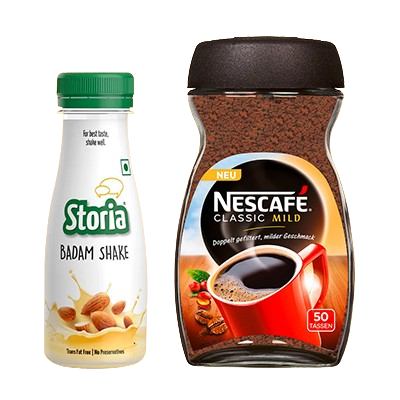










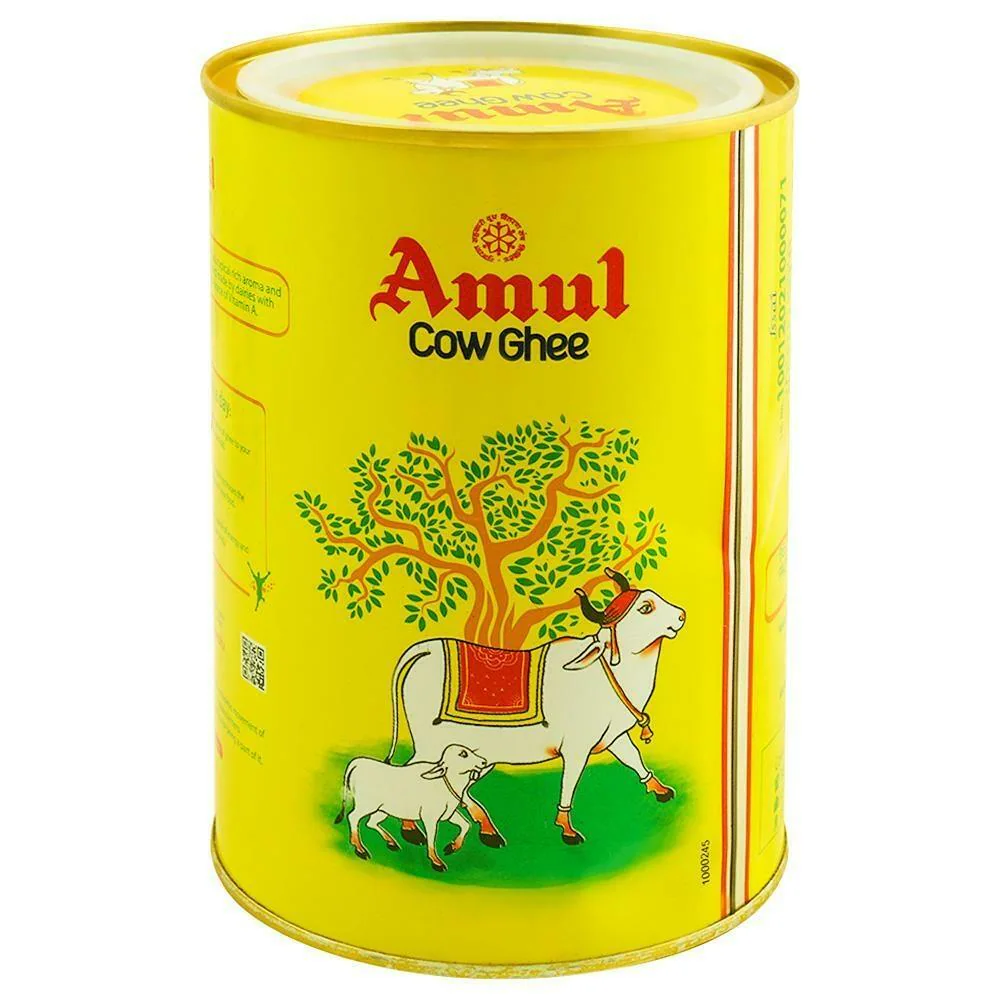




Wide Product Range
Daily-need items under one roof!

Affordable Pricing
Value-conscious pricing strategy!

POS-Enabled Billing System
Modern point-of-sale technology!

Customer Relationship Management (CRM)
Building lasting customer relationships!

Uniform Branding & Store Design
Consistent professional identity!
Localized Product Flexibility
Adapted to local preferences!