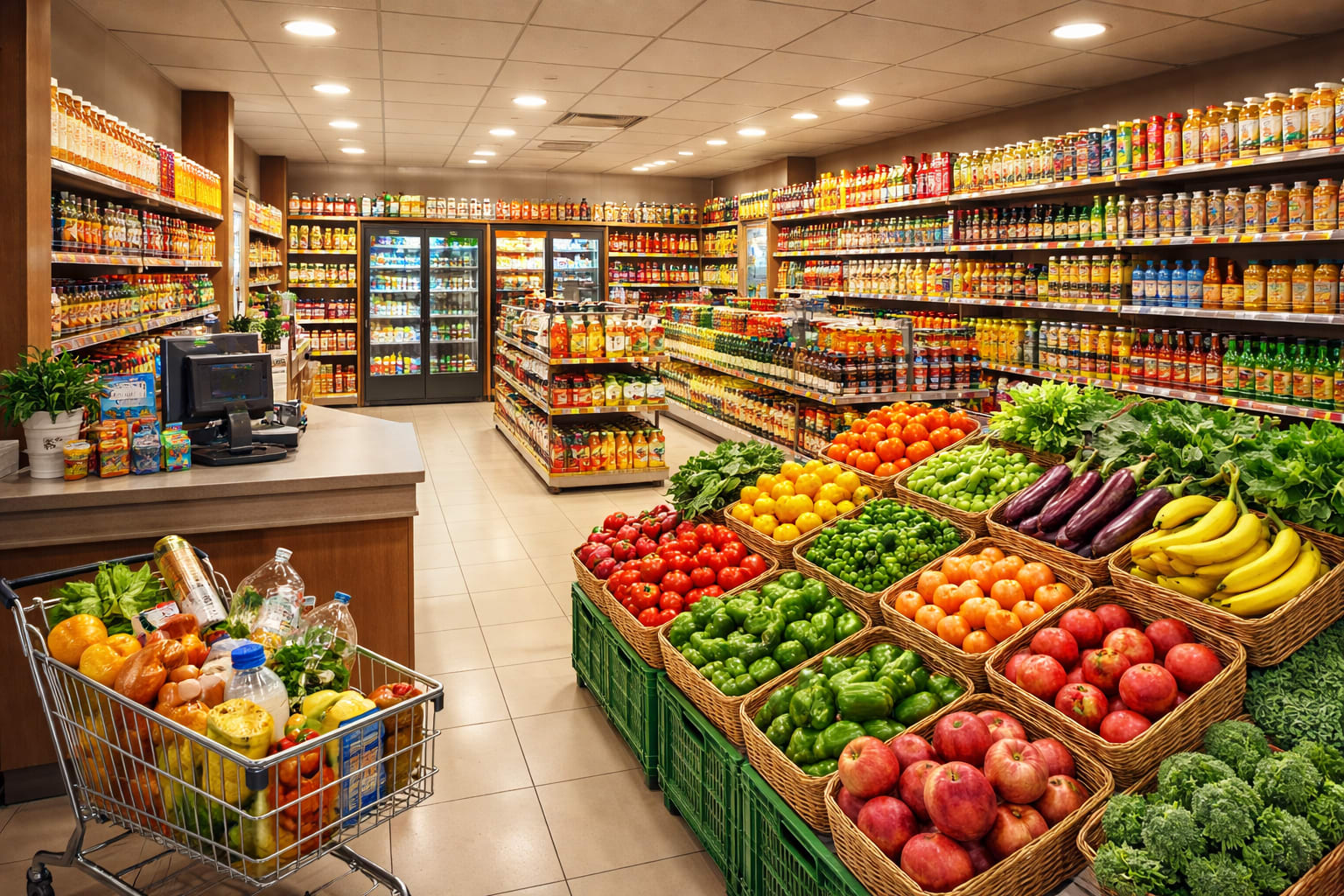
Grocery Franchise Starting from ₹15 Lakh in Varanasi
Grocery Franchise Starting From ₹15 Lakh in Varanasi – A Complete Guide by The Buyzaar Mart
Starting a grocery business no longer means years of trial and error or an unpredictable, unbranded shop. With franchise models now available starting from as low as ₹15.25 lakh, entrepreneurs in Varanasi can step into organized retail with a tested brand, structured systems, and full operational support. This guide breaks down everything you need to know about starting a grocery franchise in Varanasi at this accessible investment level with The Buyzaar Mart — from why the city works, to what's included in the investment, and how to get started.
Why a ₹15 Lakh Entry Point Matters
For many first-time entrepreneurs, the biggest barrier to starting a retail business isn't the idea — it's the capital required. A franchise starting from ₹15.25 lakh changes that equation significantly.
- Makes organized retail accessible to a much wider range of investors, not just those with large capital reserves.
- Reduces the financial risk typically associated with starting an independent store from scratch.
- Allows entrepreneurs to enter the market with a smaller, more manageable format before scaling up later.
- Combines affordability with the credibility and systems of an established brand — something an independent shop at the same budget usually can't match.
- Provides a realistic starting point for local investors in Varanasi who may not have access to larger amounts of capital but still want to build a long-term business asset.
Why Varanasi Is a Strong City for This Investment Level
Varanasi's retail environment makes it particularly well-suited for a grocery franchise at this accessible investment range, thanks to a combination of demand and low organized-retail penetration.
- A large resident population combined with year-round pilgrim and tourist footfall creates steady, high-frequency demand for daily essentials.
- The city's substantial student population, including those linked to Banaras Hindu University, adds a consistent customer base for daily-need shopping.
- Organized retail remains relatively underdeveloped compared to metro cities, meaning most daily grocery purchases still happen at unorganized kirana stores.
- Growing residential development on the city's outskirts is creating new, underserved commercial pockets ideal for a fresh branded store.
- Commercial rental rates in many parts of Varanasi remain comparatively affordable, helping keep total setup costs within a ₹15.25 lakh range for smaller formats.
- Consumers across the city are increasingly showing preference for clean, transparent, and professionally run stores over traditional shops.
What a ₹15 Lakh Grocery Franchise Investment Typically Covers
Understanding where this investment actually goes helps set realistic expectations before signing up.
- Initial stock: Groceries, FMCG, and daily essentials to fill store shelves at launch.
- Interior and store setup: Shelving, basic fixtures, branding, and signage suited to a smaller-format store.
- Security deposit: A refundable amount held as part of the franchise agreement.
- At this investment level, the format is typically a smaller store — such as a Mini Mart around 600 to 1,000 sq. ft. — rather than a large-format supermarket.
- Exact costs can vary based on the specific area chosen, local interior costs, and current stock pricing, so a location-specific quote is always recommended before finalizing.
What The Buyzaar Mart Offers at This Investment Level
The Buyzaar Mart structures its franchise model so that even entry-level investors get a complete, functioning retail business rather than just a brand name.
- Complete store setup: Interior layout, shelving, branding, and signage designed and built by the brand's team.
- Technology included: POS billing and inventory tracking systems deployed and tested before launch.
- Focused product assortment: Staple groceries, FMCG, and daily essentials curated for high-frequency purchases in a compact format.
- Standard Operating Procedures: Covering billing accuracy, restocking schedules, hygiene standards, and customer service tested across the brand's existing network.
- Legal and compliance support: KYC, documentation, and licensing assistance handled with guidance.
- Marketing support for launch: Local promotional activity to help build initial footfall in your neighborhood.
- Ongoing operational guidance: Continued support beyond the launch phase, not just a one-time setup.
Franchise Models to Choose From
Even at this investment level, prospective franchise owners typically have a choice in how involved they want to be in daily operations.
FOCM (Franchise Owned, Company Managed)
- You invest in the store setup and hold the franchise rights.
- The brand's operations team manages daily activities — inventory, staffing, and billing.
- A good fit for investors who want ownership without deep daily involvement.
FOCO (Franchise Owned, Company Operated)
- You provide the investment for setup and location.
- The company runs the store entirely, including staffing and daily operations.
- A revenue-sharing or fixed-return structure is agreed upon in advance.
- Suited to investors who prefer a more passive role, though smaller-format stores are often best managed under FOCM for closer owner involvement.
Step-by-Step Process to Start Your Grocery Franchise
- Step 1 – Initial Enquiry: Submit an inquiry with the franchise brand and receive a prompt response.
- Step 2 – Site Evaluation: Share your proposed Varanasi location — area, footfall, rent, and nearby competition — for feasibility assessment.
- Step 3 – Model and Format Confirmation: Choose FOCM or FOCO, and confirm the store format that fits within your ₹15.25 lakh budget range.
- Step 4 – Investment Breakdown: Get a detailed, location-specific cost breakdown covering stock, interior, software, franchise fee, and deposit.
- Step 5 – Documentation: Complete KYC, legal formalities, and licensing with the brand's compliance support.
- Step 6 – Store Build-Out: Interior work, branding, shelving, and POS installation as per brand standards.
- Step 7 – Training: Owner and/or staff training on billing, inventory handling, and customer service.
- Step 8 – Grand Launch: A structured store opening backed by local marketing to build initial footfall.
Choosing the Right Location Within Your Budget
Since a ₹15.25 lakh investment generally points toward a smaller-format store, location selection becomes especially important to maximize returns from a compact space.
- Prioritize dense residential lanes or colonies where daily footfall is high but organized retail options are limited.
- Consider areas near educational institutions, hostels, or student housing, where quick, convenient shopping is in constant demand.
- Avoid setting up too close to an existing large-format supermarket — a smaller store competes best on convenience and proximity, not product range.
- Look for locations with good visibility and easy walk-in access from the main road or lane.
- Balance rent against expected footfall — a slightly higher rent in a high-density area can often outperform a cheaper, low-footfall location.
Key Factors to Evaluate Before Investing
- Catchment size: Confirm the residential density and existing competition within a 1 to 2 km radius of your proposed site.
- Rental affordability: Ensure your monthly rent aligns realistically with expected revenue from a smaller-format store.
- Supply chain reliability: Confirm restocking timelines and delivery logistics specific to Varanasi.
- Contract terms: Carefully review franchise tenure, renewal conditions, and exit clauses before signing.
- Support scope: Clarify exactly what's included in setup, training, and marketing support at this investment level.
- Break-even expectations: Ask for realistic timelines based on similarly sized outlets in comparable cities.
Why This Investment Range Reduces Risk Compared to Independent Retail
Starting an independent grocery store at a similar budget usually means building everything — brand trust, supplier relationships, systems, and marketing — entirely from scratch, which carries significant risk.
- Established brand identity: Customers trust a recognized name far more quickly than an unfamiliar independent shop.
- Tested systems from day one: No need to figure out billing, inventory, or store layout through trial and error.
- Centralized supplier relationships: Franchise-wide sourcing often results in better margins than an independent store could negotiate alone.
- Structured launch support: A planned grand opening and local marketing push, rather than relying solely on word-of-mouth.
- Ongoing guidance: Continued operational support after launch, helping smooth out early challenges.
Who Should Consider This Investment
- First-time entrepreneurs looking for an accessible, lower-risk entry into organized retail.
- Local property owners in Varanasi with smaller commercial spaces who want to activate them productively.
- Existing small kirana shop owners looking to rebrand and upgrade under an established franchise identity.
- Individuals with limited capital who still want to build a long-term retail business asset.
- Investors wanting to test the franchise model at a manageable investment level before scaling to a larger format later.
Frequently Asked Questions
Can I really start a grocery franchise from ₹15 lakh?
Yes, entry-level investments for smaller store formats can start around this range, depending on location and format.
What store format fits a ₹15 lakh budget?
Typically a smaller format like a Mini Mart, around 600 to 1,000 sq. ft.
What does this investment cover?
Initial stock, interior setup, technology or software fee, franchise fee, and security deposit.
Which franchise model is better for this budget — FOCM or FOCO?
FOCM is generally preferred for smaller formats, allowing closer owner involvement alongside brand support.
Is Varanasi a good city for this investment level?
Yes — steady demand from residents, tourists, and students, combined with low organized retail penetration, makes it favorable.
Does the brand provide training?
Yes, training on billing, inventory, and customer service is included in the onboarding process.
Is prior retail experience necessary?
No, the franchise model is designed to support first-time entrepreneurs with structured guidance.
Start Your Grocery Franchise Journey in Varanasi
Varanasi's everyday retail demand offers a dependable opportunity for a branded grocery store that starts at an accessible investment level.
Join The Buyzaar Mart franchise network and turn a manageable budget into a structured retail business with long-term potential.
Email: info@thebuyzaarmart.com
Phone / WhatsApp: 9217991727
Business Hours: Monday to Saturday, 09:00 AM – 07:00 PM

Store Features & Services
Discover our comprehensive range of services designed to provide the best shopping experience for urban and semi-urban households
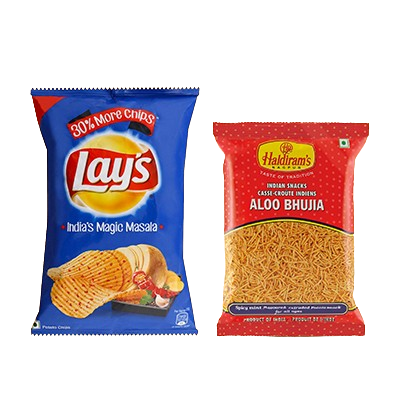
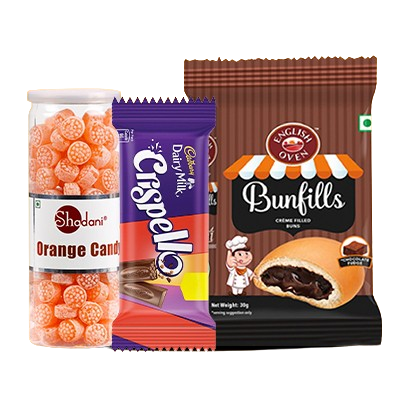
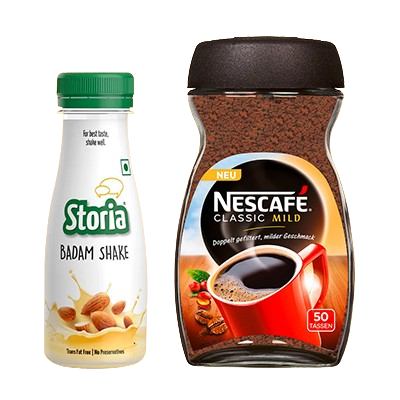
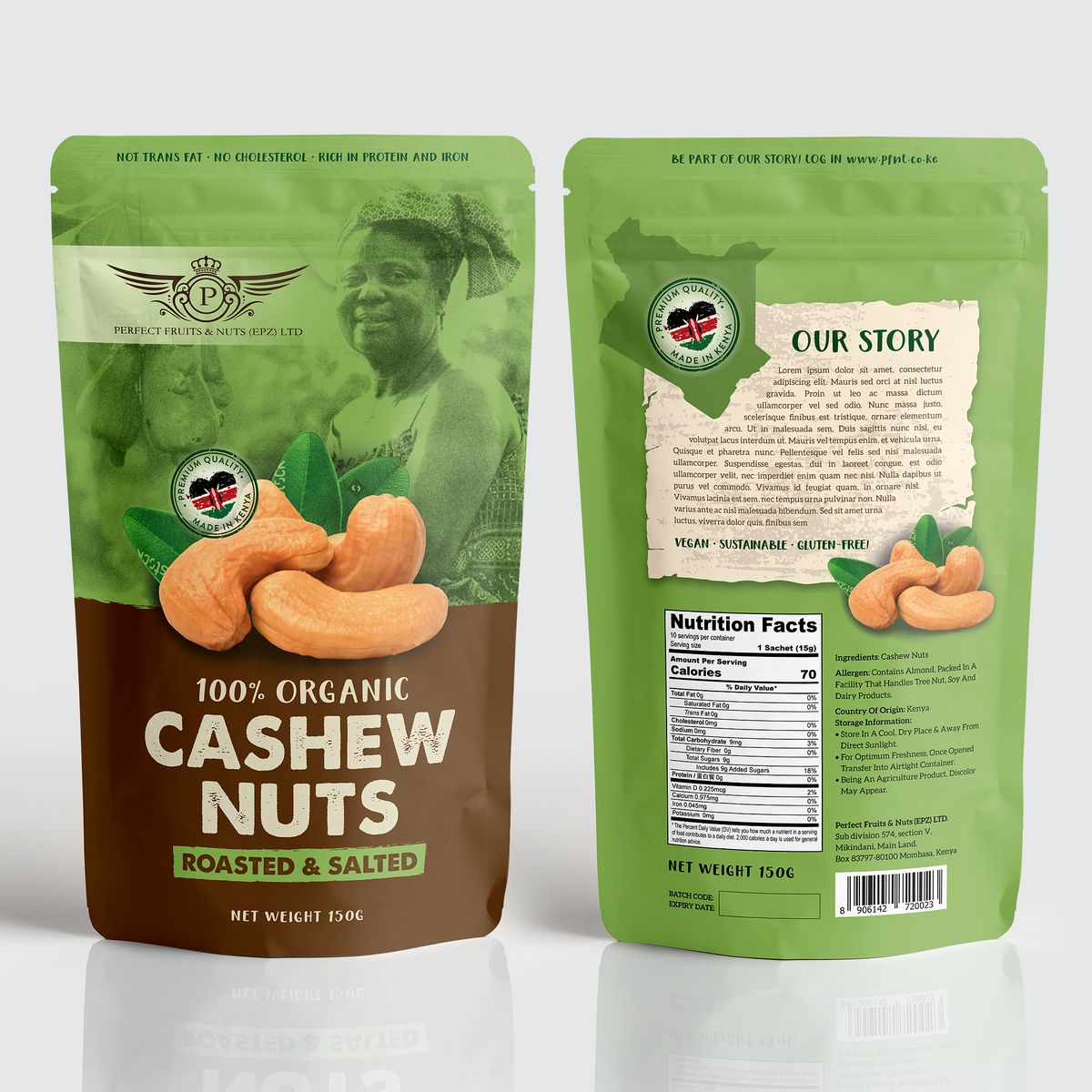
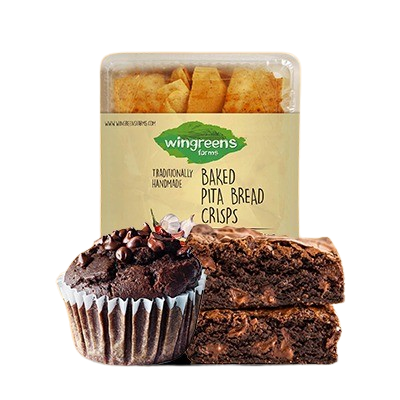

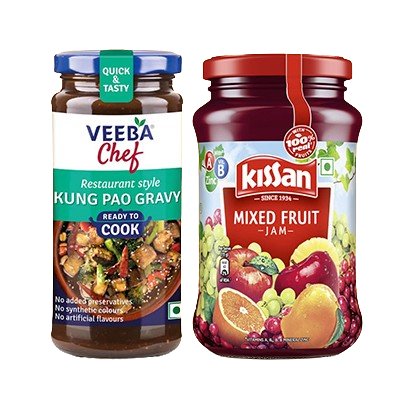
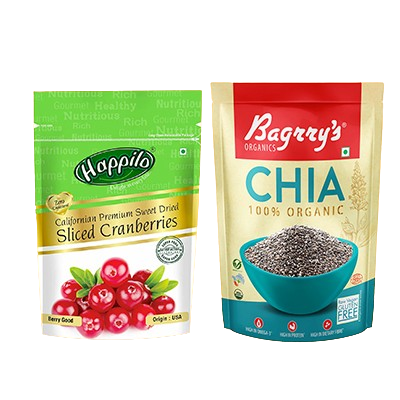




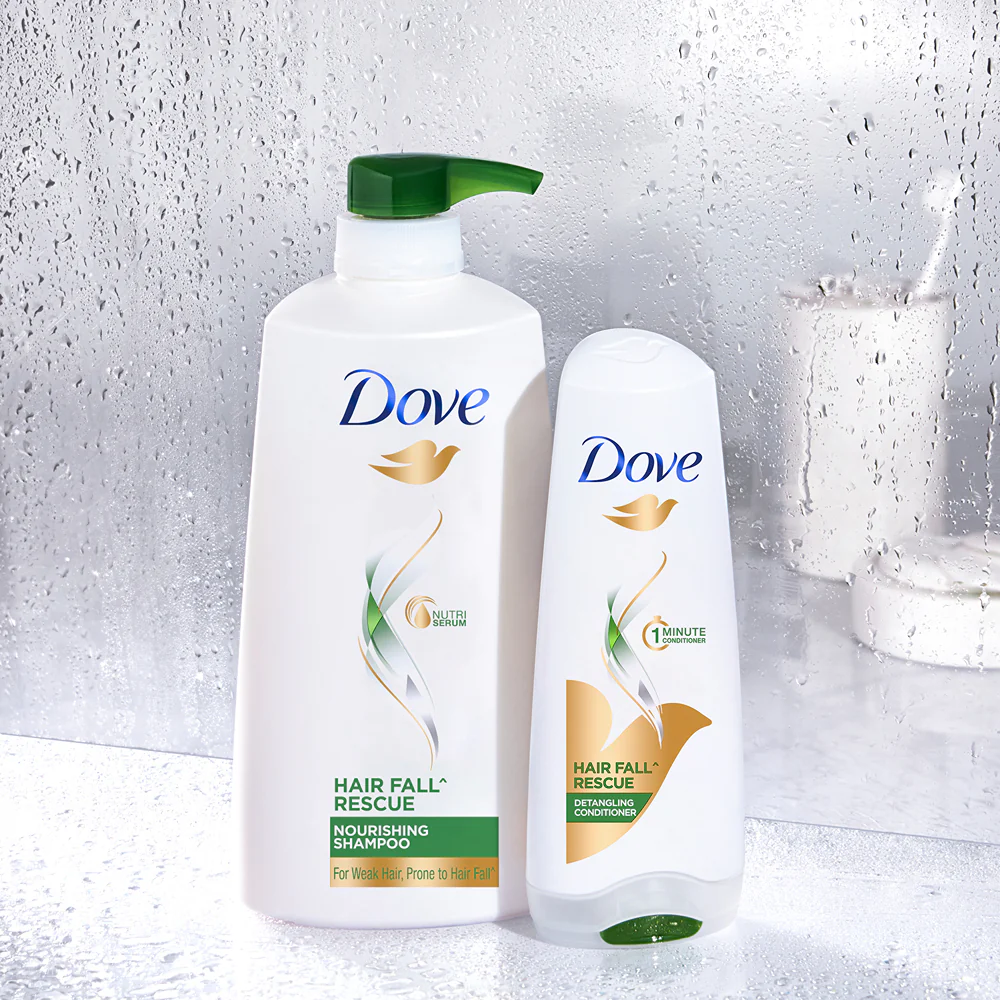

Wide Product Range
Daily-need items under one roof!

Affordable Pricing
Value-conscious pricing strategy!

POS-Enabled Billing System
Modern point-of-sale technology!

Customer Relationship Management (CRM)
Building lasting customer relationships!

Uniform Branding & Store Design
Consistent professional identity!
Localized Product Flexibility
Adapted to local preferences!