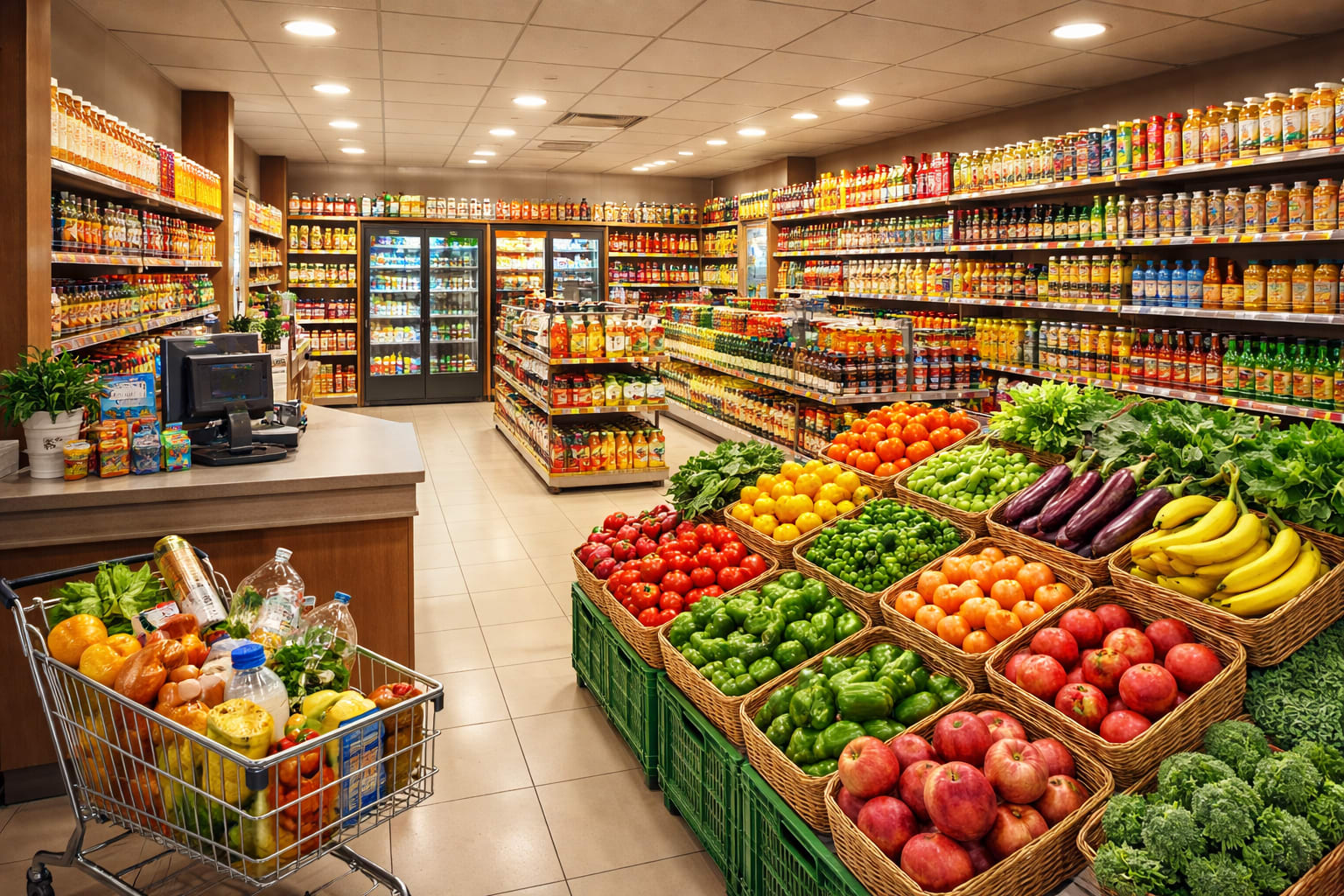
How to Invest in Grocery Franchise in Varanasi
How to Invest in a Grocery Franchise in Varanasi – A Complete Guide by The Buyzaar Mart
- Varanasi, one of India's oldest and most culturally significant cities, is also emerging as a strong retail investment destination in 2026.
- With a growing population, expanding residential neighborhoods, and rising demand for organized daily-need shopping, the city presents a genuine opportunity for entrepreneurs looking to enter the grocery retail space.
- If you've been searching for how to invest in a grocery franchise in Varanasi, this comprehensive guide walks you through everything — from why the city makes sense for grocery business, to franchise models, investment planning, and the step-by-step process — using The Buyzaar Mart as a practical reference model.
Why Varanasi Is a Promising Market for a Grocery Franchise Investment
- Varanasi is no longer just a spiritual and tourism hub — it has grown into a significant urban center with a large resident population, a steady stream of pilgrims and tourists, and rapidly expanding residential colonies on its outskirts.
- This mix creates consistent, high-frequency demand for daily essentials throughout the year, not just during festival seasons.
- Large and growing population with consistent daily-need retail demand for groceries and FMCG products.
- Continuous footfall from pilgrims, tourists, and students, in addition to local residents.
- Organized retail penetration is still relatively low compared to metro cities, leaving room for branded stores to capture market share.
- Expanding residential areas and improved road connectivity are opening up newer commercial pockets for grocery retail.
- Rising consumer preference for clean, branded, and transparent shopping experiences over unorganized kirana stores.
- Presence of educational institutions like Banaras Hindu University and a growing student population adds another steady customer base.
What Investing in a Grocery Franchise Actually Means in Varanasi
- Before diving into numbers, it helps to understand what investing in a franchise like The Buyzaar Mart actually involves.
- Unlike starting an independent store from scratch, a franchise investment gives you a tested business model, brand identity, and operational systems in exchange for your capital and, depending on the model chosen, your involvement.
- You are investing in a proven brand, established systems, and centralized supply chain — not building these from zero.
- Your investment typically covers store interior, stock, technology such as POS and software, franchise fee, and a security deposit.
- Returns depend on store location, footfall, format size, and how well local demand in Varanasi is served.
- The franchise agreement defines your rights, responsibilities, and the level of company support you receive throughout the partnership.
Understanding Franchise Models: FOCM and FOCO Explained
- One of the most important decisions before investing is choosing the right franchise model that suits your goals.
- The Buyzaar Mart typically offers two structured approaches, each suited to different investor profiles and involvement preferences.
FOCM (Franchise Owned, Company Managed)
- You, as the investor, fund the store setup and hold the franchise rights for your Varanasi location.
- The brand's professional operations team manages day-to-day activities — inventory, staffing, supply chain, and billing operations.
- Best suited for investors who want ownership without being involved in daily operations and management.
FOCO (Franchise Owned, Company Operated)
- You provide the investment for store setup and location in Varanasi.
- The company operates the store entirely, including staffing and daily running costs.
- Revenue sharing or a fixed return structure is agreed upon between you and the brand.
- You function essentially as a pure investor in a company-run outlet with minimal involvement.
- Choosing between these depends on how hands-on you want to be, your available time, and whether you prefer active involvement or a more passive investment approach.
Store Formats to Choose From for Your Varanasi Franchise
- Grocery franchises like The Buyzaar Mart typically offer multiple store formats so investors can match their budget and available space.
- Mini Mart – around 600 to 1,000 sq. ft., suited for smaller budgets and compact commercial spaces in residential areas.
- Super Mart – around 1,001 to 3,000 sq. ft., offering a broader product range and moderate investment for growing neighborhoods.
- Hyper Mart – around 3,001 to 8,000 sq. ft., designed for higher-footfall areas with maximum category depth and product variety.
- Selecting the right format for Varanasi depends on the specific locality — busier commercial stretches or dense residential colonies may justify a larger format, while quieter neighborhoods may do better with a Mini or Super Mart.
Estimating the Investment Required for Grocery Franchise in Varanasi
- Grocery franchise investments are typically structured around a few core components, and understanding each helps you plan your capital more accurately.
- Stock: Initial inventory of groceries, FMCG, and daily essentials to fill store shelves from day one.
- Interior and setup: Shelving, branding, signage, refrigeration units, and complete store fit-out as per brand standards.
- Security deposit: Refundable amount held as part of the franchise agreement and returned upon contract completion.
- As a general reference, some grocery franchise brands in India start entry-level investments around ₹15.25 lakh for smaller formats, scaling up significantly for larger store sizes.
- Total investment can vary widely — from roughly ₹15.25 to ₹26.63 lakh for smaller formats to ₹79 lakh or more for larger, high-footfall formats — so it's important to get a location-specific and format-specific quote before committing.
Step-by-Step Process to Invest in a Grocery Franchise in Varanasi
- Investing in a franchise isn't just about writing a cheque — it follows a structured process designed to protect both the brand and the investor.
- Step 1 – Initial Enquiry: Submit an inquiry form with the brand to express interest and receive a prompt response from the franchise team.
- Step 2 – Site Evaluation: Share details of your proposed Varanasi location — size, footfall, nearby competition, and rental cost — for feasibility assessment.
- Step 3 – Choose Your Model and Format: Decide between FOCM or FOCO, and select Mini, Super, or Hyper Mart based on your budget and available space.
- Step 4 – Investment Calculation: Use the brand's investment calculator or request a customized quote covering stock, interior, software, franchise fee, and deposit.
- Step 5 – Documentation: Complete KYC and legal formalities, with the brand's compliance support for smooth registration.
- Step 6 – Store Setup: The interior, branding, shelving, refrigeration, and POS technology are installed as per brand standards.
- Step 7 – Training: Owner and/or staff training on billing systems, inventory handling, and customer service excellence.
- Step 8 – Grand Launch: A structured store opening backed by local marketing support to drive initial footfall and customer awareness.
Key Factors to Evaluate Before Investing in Varanasi
- Not every location or format will perform the same way, so due diligence matters as much as enthusiasm.
- Location catchment: Assess the residential density, foot traffic, and competition within a 1 to 3 km radius of your proposed Varanasi site.
- Rental costs: Compare commercial rents across different areas of the city to optimize your fixed costs and maximize profitability.
- Supply chain reliability: Confirm how the brand handles restocking and delivery timelines specific to Varanasi and surrounding areas.
- Franchise agreement terms: Review contract tenure, renewal conditions, exit clauses, and revenue-sharing terms, especially for FOCO model.
- Support commitments: Clarify what marketing, training, and operational support is included versus what you'll need to arrange locally.
- Break-even expectations: Ask for realistic timelines on when the store is expected to become profitable based on similar-sized outlets elsewhere.
Why a Franchise Model Reduces Investment Risk in Grocery Retail
- Compared to starting an independent grocery store, a franchise investment offers structural advantages that can meaningfully reduce risk for a first-time or part-time investor.
- Established brand trust: Customers are more likely to trust a recognized, branded store over an unfamiliar independent shop in Varanasi.
- Tested operating systems: Standard Operating Procedures refined across multiple stores reduce the trial-and-error that comes with launching from scratch.
- Centralized supply chain: Bulk purchasing and established supplier relationships can support better margins than an independent store could negotiate alone.
- Technology-driven operations: POS and inventory software minimize manual errors in billing and stock management for accurate tracking.
- Ongoing brand support: Continued guidance on marketing and operations after launch, rather than being left to figure things out alone.
Who Should Consider an FMCG Retail Franchise in Varanasi
- First-time entrepreneurs looking to start a business with a proven and structured model for lower risk.
- An FMCG retail franchise offers lower operational risk, established brand support, and comprehensive training, making it an ideal choice for individuals with little or no prior retail experience.
- Local property owners in Varanasi who have vacant or underutilized commercial space and want to generate a steady source of income from their property.
- Converting an existing property into a branded grocery store can unlock its earning potential while benefiting from an organized retail network and customer base.
- Existing kirana store owners who want to modernize their business and compete with organized retail chains effectively.
- Upgrading to a branded FMCG franchise provides access to better product sourcing, improved store design, advanced billing systems, and stronger customer trust.
- Working professionals and investors seeking a passive or semi-passive income opportunity through the FOCO model in Varanasi.
- This option allows franchise owners to invest in a growing retail business while the company manages day-to-day store operations, reducing the need for active involvement.
Frequently Asked Questions
- How much investment is needed for a grocery franchise in Varanasi?
- It varies by format and model, but entry-level investments for smaller formats can start around ₹15.25 lakh, scaling higher for larger stores.
- What is the difference between FOCM and FOCO?
- FOCM means you own the store while the company manages daily operations; FOCO means the company operates the store entirely, and you function as an investor.
- What store formats are typically available?
- Mini Mart, Super Mart, and Hyper Mart, ranging roughly from 600 to 8,000 sq. ft.
- Do I need retail experience to invest?
- No, franchise brands typically provide training and operational support for first-time investors.
- How is the exact investment amount calculated?
- It's based on the chosen format, area, stock requirement, interior costs, software fee, franchise fee, and security deposit.
- What support does the franchise brand provide?
- Store setup, technology, training, supply chain, marketing, and compliance support are usually included.
Start Your Grocery Franchise Journey in Varanasi Today
- Varanasi's everyday retail demand, growing neighborhoods, and low organized retail penetration create a solid environment for a grocery franchise investment.
- Join The Buyzaar Mart franchise network and build a structured retail business with a model designed for long-term growth and profitability.
- Email: info@thebuyzaarmart.com
- Phone / WhatsApp: 9217991727
- Business Hours: Monday to Saturday, 09:00 AM – 07:00 PM

Store Features & Services
Discover our comprehensive range of services designed to provide the best shopping experience for urban and semi-urban households

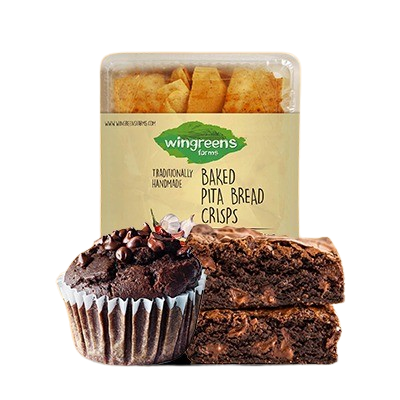

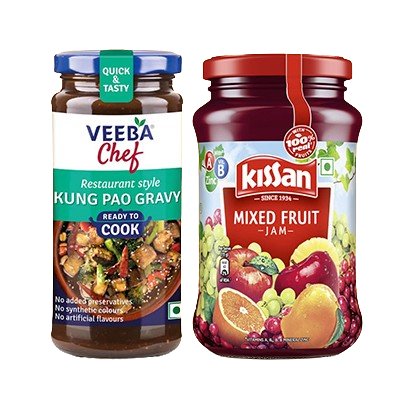
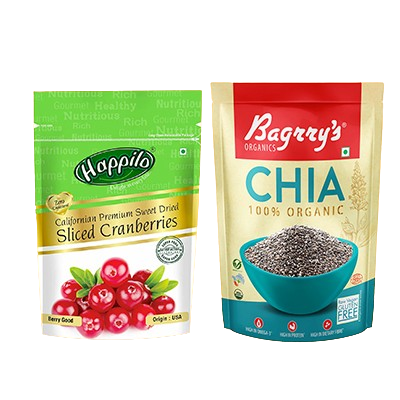
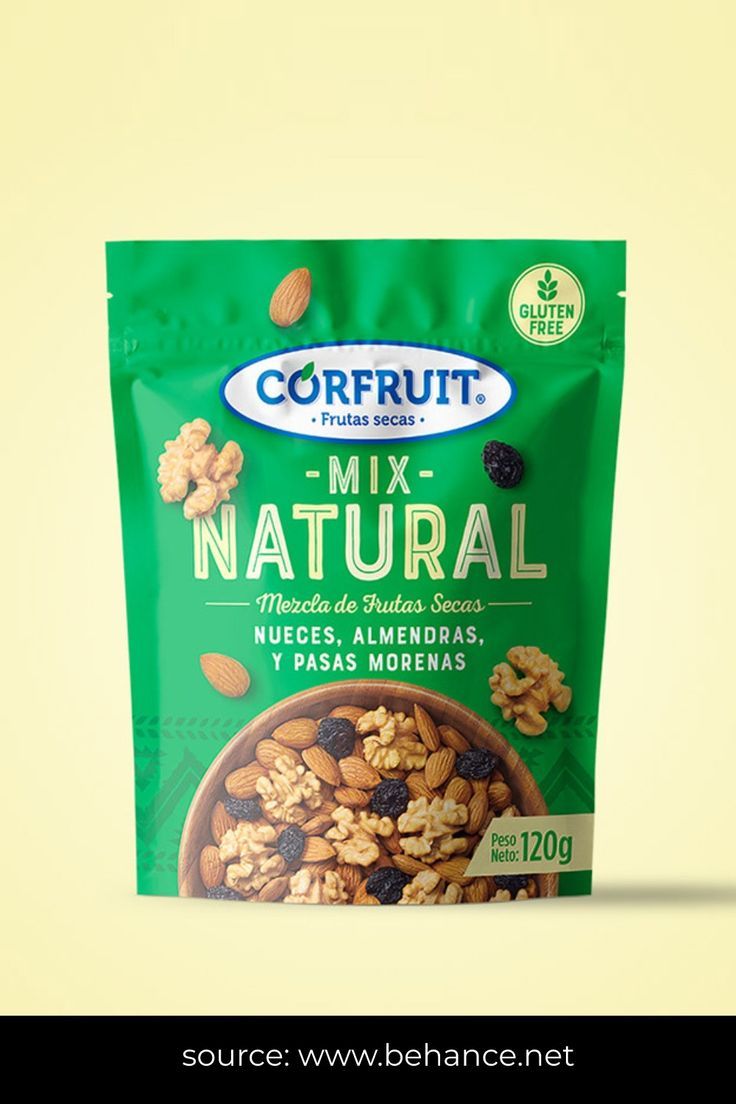

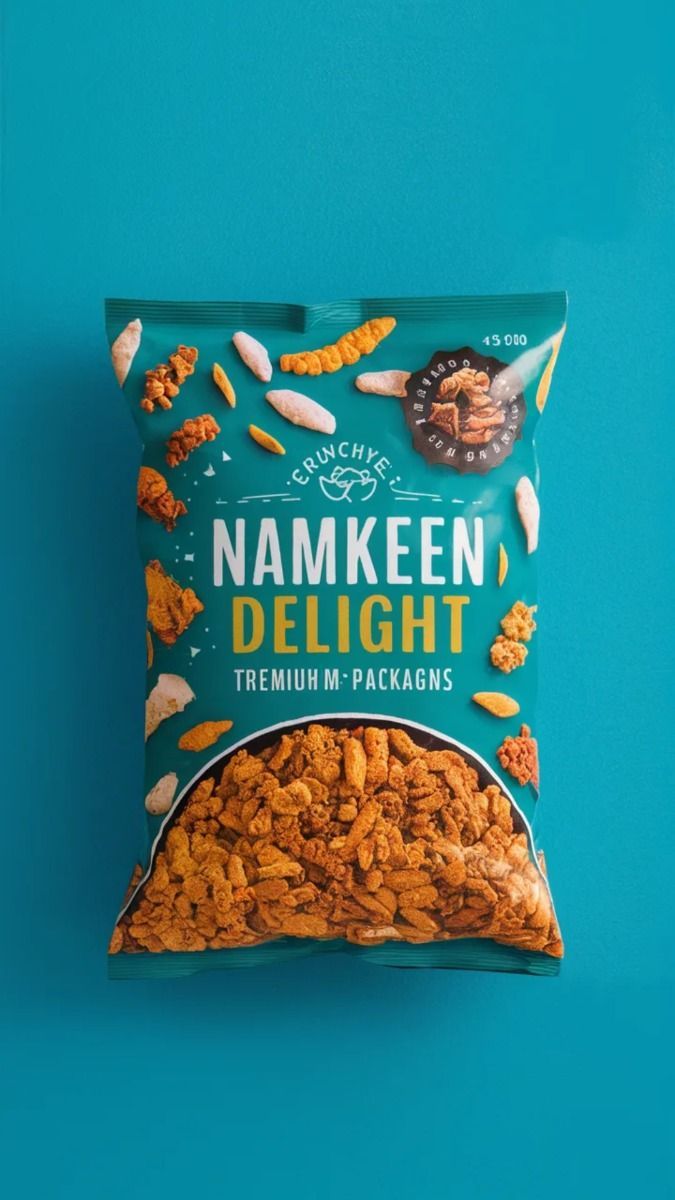


Wide Product Range
Daily-need items under one roof!

Affordable Pricing
Value-conscious pricing strategy!

POS-Enabled Billing System
Modern point-of-sale technology!

Customer Relationship Management (CRM)
Building lasting customer relationships!

Uniform Branding & Store Design
Consistent professional identity!
Localized Product Flexibility
Adapted to local preferences!