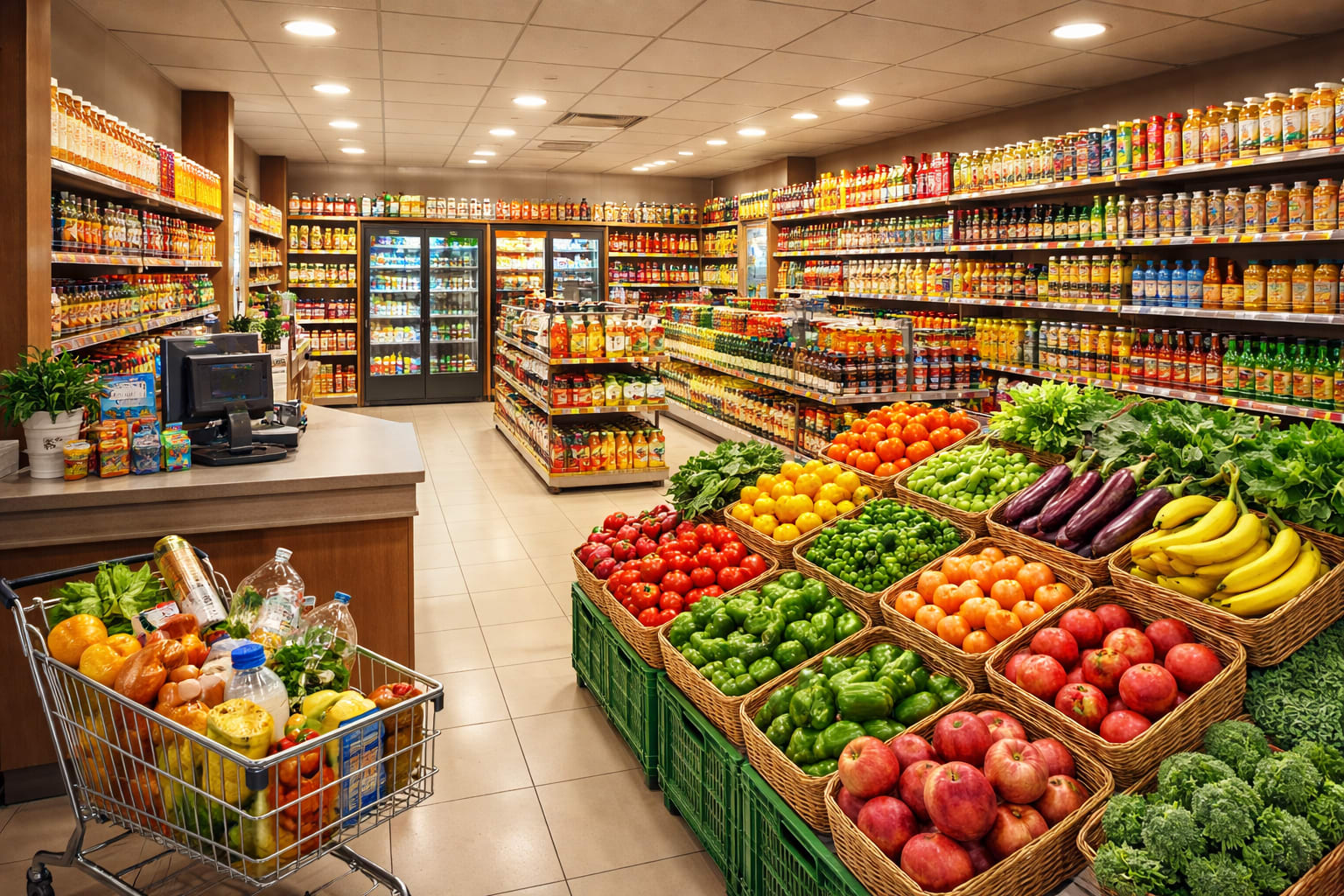
How to Start Grocery Business Franchise Varanasi
A Step-by-Step Guide to Starting a Grocery Business Franchise in Varanasi
Starting a grocery business from scratch can feel overwhelming — sourcing products, managing vendors, setting up billing systems, and building customer trust all take time, capital, and experience that many first-time entrepreneurs simply do not have. A franchise model removes much of this uncertainty by offering a tested business structure from day one. For entrepreneurs exploring how to start a grocery business franchise in Varanasi, The Buyzaar Mart provides a clear, structured pathway from initial planning to store launch.
Varanasi's Growing Appetite for Organized Grocery Retail
Varanasi's retail environment is shifting steadily. The city's economy is supported by a large permanent population, a significant student community linked to Banaras Hindu University, consistent religious and cultural tourism, and expanding commercial development along corridors like the Ring Road. Together, these factors generate dependable, year-round consumer demand.
At the same time, much of the city's grocery shopping still happens through small, unorganized kirana stores. Areas such as Sigra, Lanka, Mahmoorganj, Sundarpur, and the Cantonment region are seeing rising residential growth with limited organized retail presence — creating a clear window of opportunity for entrepreneurs ready to enter the market with a branded, professionally run grocery store.
Evaluating Personal Readiness Before Committing
Before diving into the franchise process, it helps to assess your own readiness honestly. Starting a grocery franchise requires more than capital — it requires time, attention to daily operations, and willingness to manage staff and customer interactions consistently.
Useful questions to consider at this stage include how much time you can realistically dedicate to overseeing store operations, whether this is a full-time commitment or a business managed alongside other responsibilities, whether you have access to the initial investment amount along with a working capital buffer, and whether you are comfortable managing a small team of billing and floor staff. Being clear on these factors early helps determine whether a compact convenience-style format or a larger grocery store format is the better starting point.
Understanding the Franchise Model
A franchise model works differently from an independent grocery store. Instead of building every aspect of the business from scratch, franchise partners operate under an established brand, using systems, processes, and support structures already developed by The Buyzaar Mart.
This typically includes the brand name, logo, and store identity; a standardized store layout and product category structure; vendor and supplier connections for groceries, FMCG, and daily essentials; POS billing software for invoicing, inventory tracking, and sales reporting; staff training programs; and ongoing operational support after the store opens.
This structure significantly reduces the learning curve typically associated with starting a retail business independently.
Selecting the Right Location in Varanasi
Location selection is one of the earliest and most important decisions in this process. A strong grocery store location generally combines high residential density, good road visibility, convenient access, and proximity to schools, colleges, or office areas.
Promising areas to evaluate in Varanasi include Sigra as an established commercial-residential zone with strong purchasing power, Lanka with high student and resident footfall due to proximity to BHU, Mahmoorganj and Sundarpur as growing residential pockets with limited organized retail, Cantonment as a relatively affluent demographic seeking quality grocery options, and the Varanasi Ring Road corridor as an emerging commercial belt with newer housing.
The Buyzaar Mart's team typically assists in evaluating these factors, helping franchise partners avoid locations with weak footfall potential or excessive nearby competition.
Understanding Investment Requirements
Before moving forward, it's important to have a realistic picture of the investment required. This generally includes commercial space, typically ranging from 500 to 1,500 square feet depending on store format; interior setup costs such as shelving, refrigeration, lighting, and checkout counters; initial inventory across grocery, FMCG, and household categories; POS billing hardware and software setup; franchise fees and applicable royalty arrangements; and working capital to support operations through the first few months.
Having a financial cushion beyond the initial setup cost is important, since most new grocery stores take time to build a consistent customer base.
Making the Initial Inquiry
Once you've assessed your readiness and identified a potential location or area, the next step is reaching out to The Buyzaar Mart's franchise team. This initial conversation typically covers your proposed location or target area, available commercial space, and your investment capacity and business goals.
This is also the right stage to ask questions about franchise terms, expected timelines, and the level of support provided during setup and operations.
Site Evaluation and Feasibility Assessment
After the initial inquiry, The Buyzaar Mart's team generally conducts a feasibility review of your proposed location. This assessment typically looks at residential density and the demographic profile of the surrounding area, the presence and strength of nearby competition, both organized and unorganized, visibility and accessibility of the proposed site, and overall footfall potential based on nearby landmarks, transit points, or institutions.
This step helps confirm whether the chosen location is likely to support a sustainable grocery business before any major financial commitment is made.
Reviewing and Signing the Franchise Agreement
Once the location is confirmed as viable, the franchise agreement stage begins. This document typically outlines franchise fees and any royalty or revenue-sharing terms, branding usage rights and obligations, territory rights if applicable, minimum stock or purchase commitments, and terms related to renewal, termination, or exit.
Reviewing this agreement carefully — ideally with professional guidance if needed — is an important step to ensure clarity on both rights and responsibilities before signing.
Planning the Store Layout and Branding
With the agreement finalized, attention shifts to physical store planning. This includes finalizing the store layout based on available space and product categories, planning shelving, refrigeration units if applicable, and checkout counter placement, incorporating The Buyzaar Mart's branding elements including signage and store frontage design, and mapping out customer flow to make browsing convenient and intuitive. A thoughtfully planned layout contributes directly to a smoother shopping experience, which in turn supports customer retention.
Setting Up POS Billing and Technology
Technology setup is a core part of preparing the store for launch. This typically involves installing POS billing software and hardware, including barcode scanners and receipt printers, configuring the system to support multiple payment options such as cash, UPI, and cards, linking the POS system to inventory tracking for real-time stock visibility, and testing the billing process to ensure smooth operation before opening day.
A properly configured POS system reduces billing errors and gives franchise owners ongoing visibility into sales performance from the very first day of operations.
Stocking Initial Inventory
Before opening, the store needs to be stocked with an appropriate initial inventory. This generally includes grocery staples and packaged foods, FMCG products across personal care and household categories, and locally preferred items based on Varanasi's consumer habits.
The Buyzaar Mart typically provides guidance on category mix and recommended stock levels based on store size and target customer base.
Hiring and Training Staff
Before launch, building a capable team is essential. Typical roles include billing counter staff trained on POS operations, floor staff for restocking and shelf organization, and a store supervisor or manager overseeing daily operations.
The Buyzaar Mart generally provides training covering POS billing, customer service standards, and inventory handling, helping new teams become operational quickly.
Planning the Store Launch
A well-planned launch can set the tone for long-term customer loyalty. Effective approaches for a Varanasi launch include distributing flyers in surrounding residential lanes, offering opening-day or opening-week discounts, promoting the launch through local social media channels, building early relationships with nearby housing societies or resident groups, and encouraging referrals through introductory offers for first-time customers.
Operating and Growing the Business
Once the store is up and running, sustained success depends on consistent execution. That includes conducting regular inventory audits to avoid stockouts or overstocking, reviewing POS-generated sales data to understand customer buying patterns, maintaining store cleanliness and organized shelving, building strong relationships with regular customers, and periodically adjusting the product mix based on observed local demand.
The Buyzaar Mart typically continues supporting franchise partners after launch, helping with performance reviews and identifying opportunities for future growth, including the possibility of opening additional outlets.
Why This Opportunity Matters Now
Starting a grocery business franchise in Varanasi involves a structured sequence of decisions — from assessing personal readiness and choosing the right location, to setting up technology, stocking inventory, and planning a strong launch. The Buyzaar Mart's franchise model is designed to guide entrepreneurs through each of these steps, reducing the uncertainty typically associated with starting a retail business from scratch.
For anyone serious about entering Varanasi's growing organized retail market, this structured approach offers a practical and well-supported path forward.
Frequently Asked Questions
How long does the entire process take, from inquiry to store opening?
Timelines vary based on location readiness and store format, but the process from initial inquiry to launch typically spans a few weeks to a couple of months.
Do I need prior retail experience to start this franchise?
No. The Buyzaar Mart's model is designed to support first-time entrepreneurs through training and structured operational guidance.
What is the typical space requirement to start a grocery franchise in Varanasi?
Most formats require between 600 and 8,000 square feet, depending on the store format and target locality.
Is the POS billing system provided as part of the franchise setup?
Yes. The franchise package includes POS billing software and hardware for invoicing, inventory tracking, and sales reporting.
Which areas in Varanasi are recommended for a new grocery franchise?
Localities such as Sigra, Lanka, Mahmoorganj, Sundarpur, and the Cantonment area are generally favorable due to residential growth and limited organized retail presence.
Does The Buyzaar Mart offer support after the store opens?
Yes. Franchise partners typically receive ongoing support, including inventory guidance, performance reviews, and assistance with future growth planning.
Start Your Grocery Franchise Journey in Varanasi
Varanasi's growing residential and commercial areas are creating strong demand for grocery retail backed by reliable support and simple operations.
Join The Buyzaar Mart franchise network and build a business that fits around your responsibilities while creating a meaningful source of income.
Email: info@thebuyzaarmart.com
Phone / WhatsApp: 9217991727
Business Hours: Monday to Saturday, 09:00 AM – 07:00 PM

Store Features & Services
Discover our comprehensive range of services designed to provide the best shopping experience for urban and semi-urban households











Wide Product Range
Daily-need items under one roof!

Affordable Pricing
Value-conscious pricing strategy!

POS-Enabled Billing System
Modern point-of-sale technology!

Customer Relationship Management (CRM)
Building lasting customer relationships!

Uniform Branding & Store Design
Consistent professional identity!
Localized Product Flexibility
Adapted to local preferences!