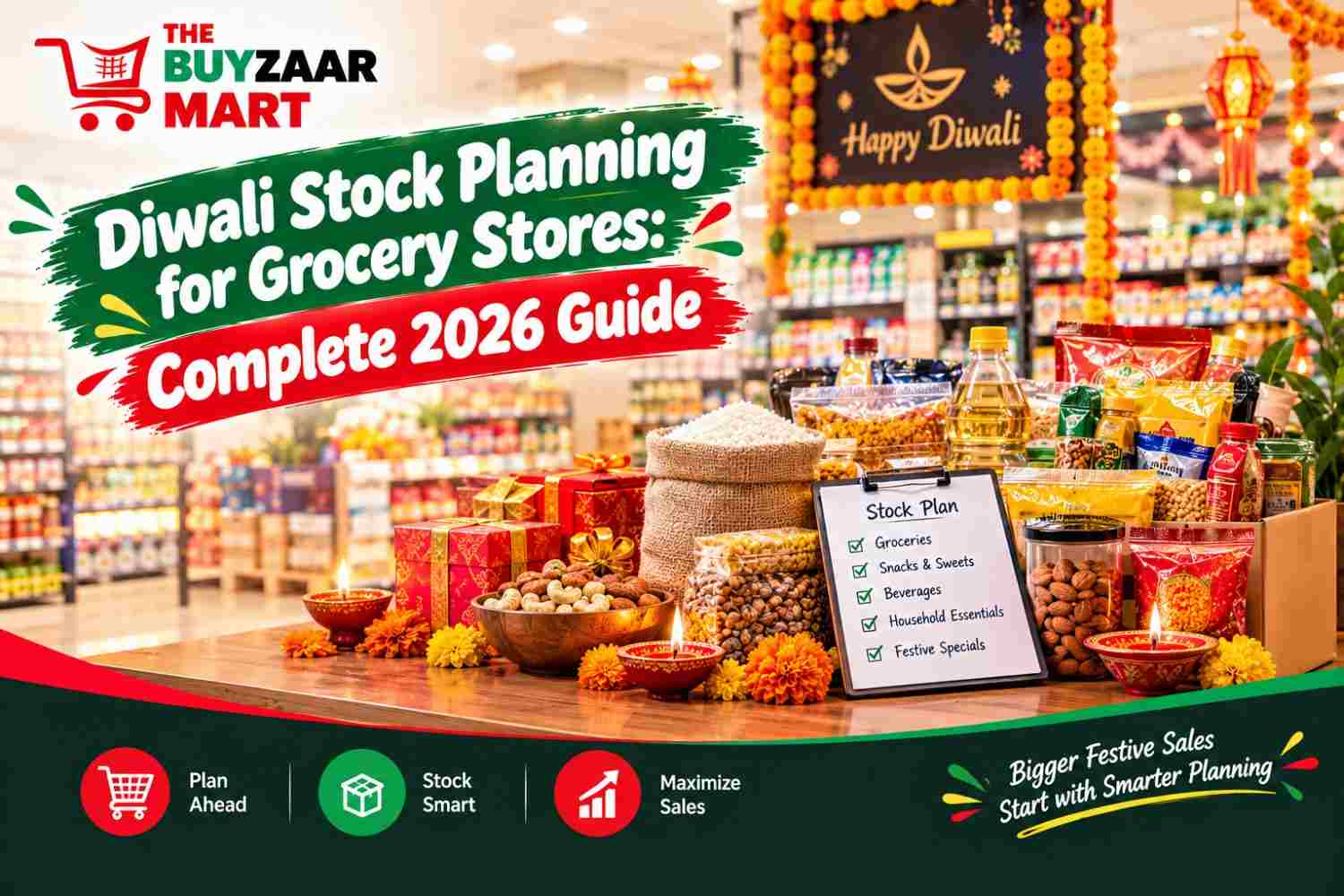
Diwali Stock Planning for Grocery Stores: 2026 Guide
Plan your Diwali 2026 stock with this grocery store guide. Get key dates, category checklists, ordering tips and display ideas to boost festive sales.
Diwali is the biggest shopping season of the year for neighbourhood grocery stores. Families clean their homes, cook festive meals, buy gifts and light up their houses, all within a few days. A store that runs out of ghee, dry fruits or diyas on the busiest evening loses sales it rarely wins back. This guide gives you a practical Diwali stock plan, with key dates, category checklists, ordering tips and display ideas for the 2026 season.
Diwali 2026 at a Glance: Key Dates
- •In 2026, Dhanteras falls on 6 November, Lakshmi Puja (Diwali) on 8 November, Govardhan Puja on 10 November and Bhai Dooj on 11 November.
- •Dates can vary slightly by region and panchang, so confirm them locally before you finalise plans.
- •Dhanteras drives demand for utensils, sweets, dry fruits and puja items.
- •Lakshmi Puja brings the biggest rush for diyas, candles, sweets, flowers and gifts.
- •Govardhan Puja and Bhai Dooj bring cooking staples, dairy, sweets and gift packs.
Why Diwali Needs Its Own Stock Plan
- •Shopping starts days before Dhanteras and continues until Bhai Dooj, so demand is spread over many days.
- •Baskets are larger than usual, with cooking, cleaning, decoration and gifting needs together.
- •Sweets, dry fruits, puja items, snacks, dairy, home care and gift packs all rise in the same window.
- •Without a plan, cash gets stuck in the wrong items.
A Week-by-Week Stock Plan
- •Review last year’s POS sales by category, note stock-outs and set targets.
- •Our guide on festive and gifting products covers early planning and hamper tiers in detail.
- •Confirm orders, delivery dates and backup suppliers, and receive dry goods, puja items and gift packs.
- •Set up the festive zone and signage.
- •Top up fast-moving items daily, and bring in fresh dairy, fruits and sweets.
- •Add staff and billing counters before the rush begins.
- •Check shelves several times a day, and refill popular items at once.
- •Keep gift packs, puja items and sweets in clear view.
- •Clear leftover festive stock with sensible offers, and note which items sold out or stayed unsold.
Category Checklist for Diwali
- •Boxed sweets, dry fruit packs, chocolates, hampers and gift boxes are the main gifting items.
- •Offer three price tiers, from budget to premium, so every shopper finds a fit.
- •Diyas, candles, cotton wicks, matchboxes, camphor, incense, roli, rangoli colours, flowers, lights and torans sell fast.
- •Group them together near the entrance or billing counter.
- •Ghee, oil, sugar, jaggery, flour, sooji, besan, rice, pulses, cardamom and spices see the highest demand.
- •Stock popular brands in several pack sizes, including family packs.
- •Milk, curd, paneer, cream, butter and fresh fruits are needed daily, with spikes before each festival day.
- •Order in smaller lots often to protect freshness.
- •Namkeen, chips, biscuits, soft drinks, juices, tea and coffee suit guests and family gatherings.
- •Multipacks and sharing sizes sell best.
- •Detergents, floor cleaners, glass cleaners, brooms, mops, scrubbers and garbage bags sell before Diwali as families clean their homes.
- •Stock these early, since cleaning starts weeks ahead.
- •Gift sets, grooming kits and festive beauty packs suit family and corporate gifting.
- •Read our guide on personal care display and margins for shelf tips.
How to Estimate Quantities
- •Use POS sales from last Diwali as your base, then adjust for growth in your area.
- •Add a small buffer for items that sell out first.
- •Commit to a base order now, and keep part of the budget for mid-season top-ups.
- •This protects cash if demand is lower than expected.
- •Confirm lead times early, since deliveries often slow down near the festival.
- •Keep backup suppliers for the top 20 fast-moving items, and stagger deliveries to avoid overcrowding the store room.
- •Agree on return or buy-back terms for slow movers and damaged stock before you order.
Display and Layout
- •Place gifts, puja items and sweets in a bright zone near the entrance.
- •Use clear signs, price tags and a simple countdown board.
- •Place dry fruits near sweets, ghee near flour and sooji, and diyas near candles and lights.
- •Related placement lifts basket size without extra effort.
Staffing, Billing and Service
- •Add extra staff and billing counters for Dhanteras evening, Diwali day and the days before.
- •Train the team on where festive items are placed and how to suggest gifts and combos.
- •Offer quick packing, and consider WhatsApp orders or home delivery for busy customers.
Pricing, Offers and Trust
- •Use combos and tiered hampers instead of deep discounts on every item.
- •Keep prices fair, visible and within the printed MRP, since festive shoppers compare closely.
Freshness, Storage and Food Safety
- •Check chiller temperature daily, and keep sweets and dairy cold.
- •Verify batch details and expiry dates on every delivery, and buy from suppliers who follow FSSAI norms.
- •Check seals on gift boxes, and store dry fruits and flours in clean, dry spaces.
Common Mistakes to Avoid
- •Ordering late and missing the first rush.
- •Over-ordering sweets and fresh items that cannot wait.
- •Running out of fast-moving staples on the busiest evenings.
- •Under-staffing billing during peak hours.
- •Skipping the post-festival review, so next year’s plan repeats the same errors.
How a Buyzaar Mart Franchise Supports Festive Planning
- •Uniform store design and layout planning help owners set up a clear festive zone.
- •POS billing and CRM show which items sell fast, so festive ordering follows real demand.
- •Partnerships with leading FMCG brands cover the dependable packaged range, and buy-back support on expired or damaged stock helps reduce festive risk.
- •Training and operational support help teams manage stock, display and customer service.
- •Mini Mart, Super Mart and Hyper Mart formats let you choose a size that fits your market and budget.
Final Thoughts
- •A clear Diwali plan, built on last year’s data and the five-day calendar, protects your sales and your cash.
- •Focus on gifting, puja items, cooking staples, dairy and home care, and review the results after Bhai Dooj.
- •Aspiring store owners who want a proven retail model with these systems can explore the franchise opportunities at The Buyzaar Mart.
Frequently Asked Questions
When should a grocery store start Diwali stock planning?
Ideally four to six weeks before, using last year’s POS sales as the base.
Which items sell most during Diwali?
Sweets, dry fruits, ghee, oil, flour, sugar, puja items, diyas, snacks, dairy, cleaning products and gift packs sell the most.
How much stock should a store buy?
Start from last year’s sales, add a small growth buffer and keep part of the budget for top-ups.
How can a store avoid unsold Diwali stock?
Order perishables in small lots, split orders into base and top-up, and clear leftovers after Bhai Dooj.
What are the Diwali 2026 dates?
Dhanteras is on 6 November, Lakshmi Puja on 8 November, Govardhan Puja on 10 November and Bhai Dooj on 11 November, subject to regional variation.
Related Articles
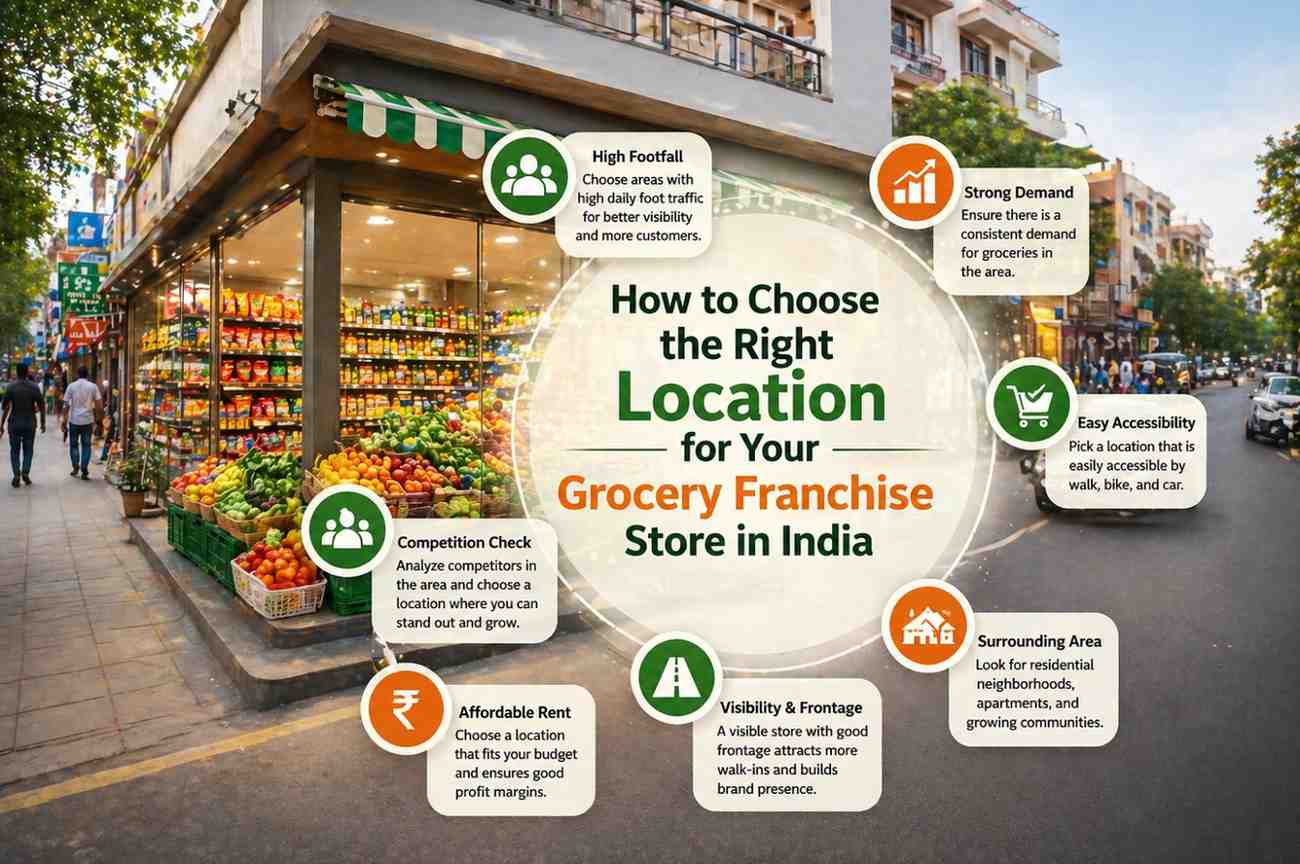
How to Choose the Right Location for Your Grocery Franchise Store in India (2026)
Location can make or break your grocery franchise store. Learn the key factors — footfall, demographics, competition, rent & more — to find the perfect spot for your Buyzaar Mart store in India.
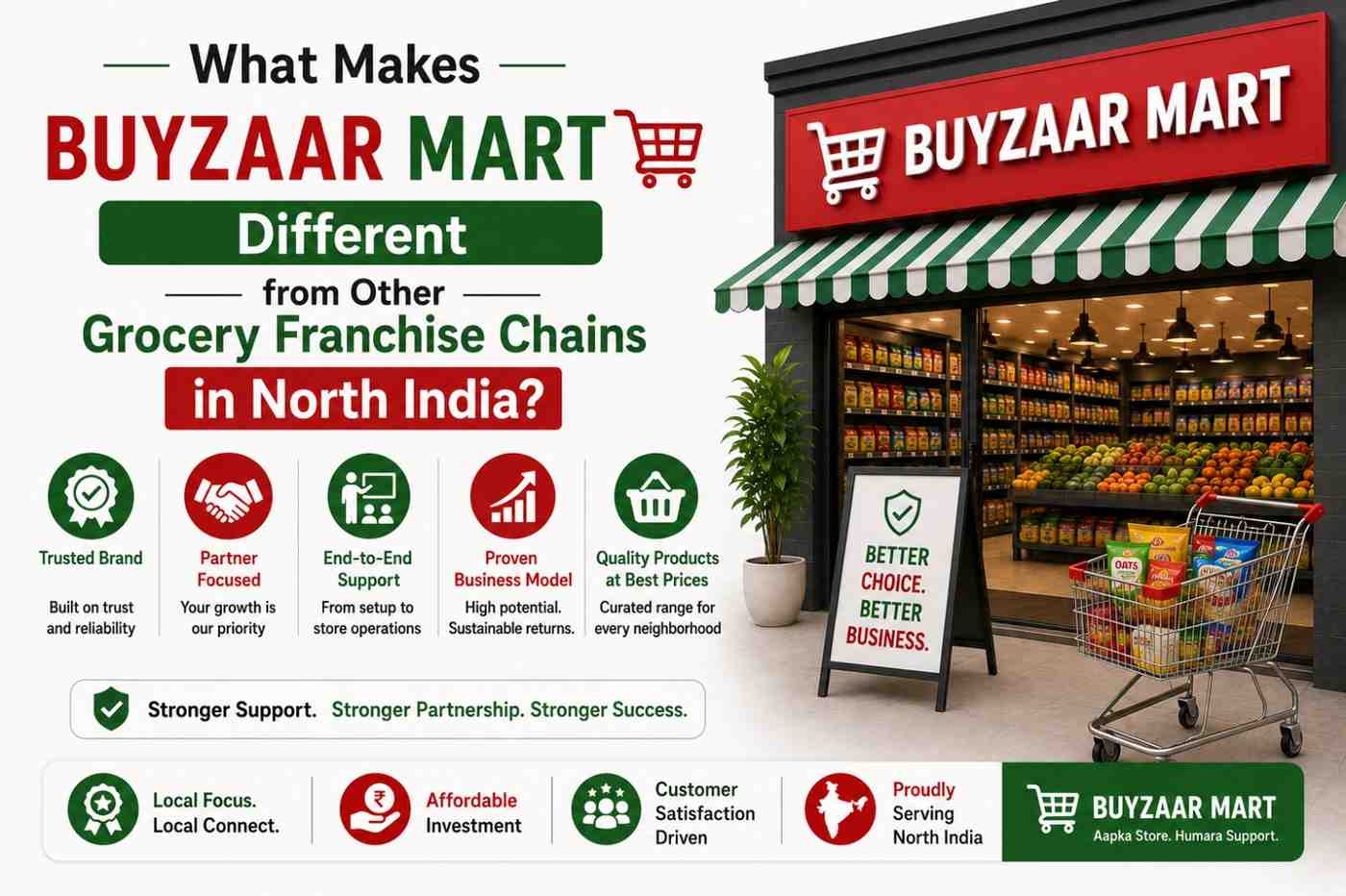
What Makes Buyzaar Mart Different from Other Grocery Franchise Chains in North India? (2026)
Wondering what sets Buyzaar Mart apart from other grocery franchise chains in North India? Discover the key differentiators — from tech-enabled operations and FMCG brand partnerships to franchisee-first support and profit margins.
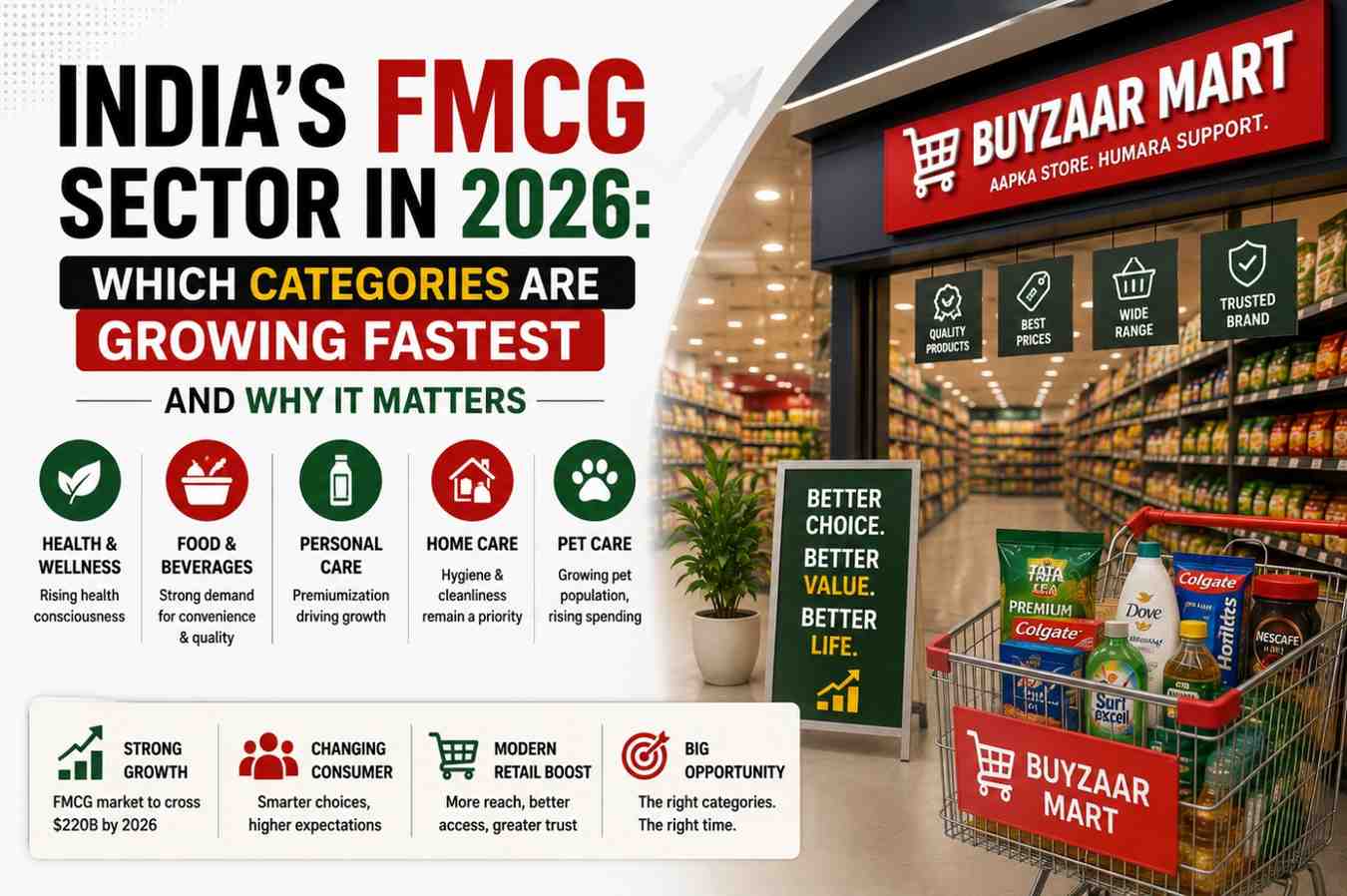
India's FMCG Sector in 2026: Which Categories Are Growing Fastest and Why It Matters
India's FMCG market is projected to hit ₹10.2 lakh crore by 2026. Discover which categories are growing fastest — from health foods to personal care — and what it means for grocery franchise owners across North India.