Festive Season Cash Flow and Staffing for Grocery Stores
Plan festive cash flow and staffing for your grocery store. Learn stock budgets, supplier terms, daily cash checks, hiring, shifts and a week-by-week timeline.
Sales rise fast during festive weeks, but so do costs. Stock, extra staff, packaging, power and promotions all need money before the sales come in. Many grocery stores run short of cash in the middle of the best season, even when sales are strong. The reason is usually poor planning, not poor demand. Staff shortage is the second big problem. Long queues, empty shelves and tired employees can cost more sales than any price cut. A simple plan for cash and staffing, made a few weeks early, keeps the store steady from the first festive rush to the last.
Why Festive Season Puts Pressure on Cash and People
- •Sales rise fast during festive weeks, but so do costs.
- •Stock, extra staff, packaging, power and promotions all need money before the sales come in.
- •Many grocery stores run short of cash in the middle of the best season, even when sales are strong.
- •The reason is usually poor planning, not poor demand.
- •Staff shortage is the second big problem.
- •Long queues, empty shelves and tired employees can cost more sales than any price cut.
- •A simple plan for cash and staffing, made a few weeks early, keeps the store steady from the first festive rush to the last.
Know Your Festive Calendar First
- •List every festival that matters in your area, such as Navratri, Dussehra, Karwa Chauth, Dhanteras, Diwali, Chhath, wedding season and the year-end.
- •Each one has its own peak days.
- •Mark the five or six busiest days on a wall calendar.
- •Plan stock, cash and staff around these days, not around the whole month.
- •Our guides on Dussehra and Karwa Chauth prep, Navratri vrat items and festivals beyond Diwali show what sells in each period.
Build a Festive Cash Flow Plan
- •Look at last year sales for the same festival weeks, then add a realistic growth figure.
- •Your billing software or daily sales book is the best source.
- •Plan for a normal case and a weaker case.
- •If sales fall short, you should still be able to pay suppliers and staff.
- •Decide how much money you can put into festive stock before you place orders.
- •Split it between fast moving staples and seasonal items.
- •Keep a small reserve that is not used for stock.
- •This covers wages, rent and surprise expenses during the busiest week.
- •Add up extra wages, overtime, packaging, bags, decoration, delivery, power backup and festival offers.
- •Small costs add up quickly in a busy week.
- •Include the cost of card or UPI charges if you offer them, so your real margin is clear.
Protect Cash Day by Day
- •Count cash and match it with billing every day.
- •Small gaps found early are easy to fix, but gaps found after Diwali are hard to trace.
- •Bank cash regularly during peak days.
- •Large amounts lying in the store are a risk and make errors harder to spot.
- •Keep enough small notes and coins for change, as running out of change slows every counter.
- •UPI and card payments may reach your bank account after a delay.
- •Check the settlement time with your provider and plan supplier payments around it.
Link Inventory to Cash
- •Rank products by how quickly they sell and how much profit they give.
- •Keep strong stock of the top items such as atta, rice, oil, sugar, dry fruits, sweets ingredients and puja items.
- •Do not lock too much money in slow items, however attractive the festival offer looks.
- •Place a first order for the expected base demand and top up during the season.
- •This keeps cash free and cuts the risk of unsold stock.
- •Talk to suppliers early about delivery time during peak weeks, so that top-ups arrive when you need them.
- •Ask suppliers for reasonable credit periods or staggered payments for large festive orders.
- •Even a few extra days can ease pressure.
- •Pay on time, as this builds trust and helps you get stock first when supply is tight.
- •If you sell on credit to regular customers, set a clear limit before the season starts.
- •Festive demand is not the time to let dues grow.
- •Record every credit sale daily and follow up after the festival.
- •Decide in advance how you will clear leftover seasonal items.
- •Bundles, small discounts and moving stock to the front help.
- •Check with suppliers whether any unsold seasonal goods can be returned or exchanged.
- •Our guide on Diwali stock planning explains how to size festive orders, and our guide on Diwali gift hampers shows how to bundle items without tying up too much cash.
Plan Your Staffing
- •Compare last year busy days with your normal staff count and note where queues formed, shelves emptied or delivery slowed.
- •Add staff only where the need is real, such as billing, shelf filling, packing, home delivery and helpers for hampers.
- •Hire seasonal helpers one to two weeks before the first big rush, not on the day of the rush.
- •New people need time to learn product places and prices.
- •Give a short training on billing, scanning, politeness, product location and handling cash.
- •Our guide on store cleanliness and ambience shows why small habits keep customers returning.
- •Make a weekly shift chart and share it early.
- •Put your strongest billing staff at the busiest hours, usually evenings and weekends.
- •Avoid long double shifts.
- •Tired staff make billing mistakes, and mistakes cost money and goodwill.
- •Teach staff to do more than one job, such as billing and stocking.
- •If someone is absent, the store does not stop.
- •Keep a backup plan for the owner or manager during peak days.
- •A small festival bonus or sales incentive keeps morale high during a hard season.
- •Pay overtime fairly and on time.
- •Follow local labour rules on wages, hours and rest, and keep simple records of attendance and payments.
Keep the Store Running Smoothly at Peak Hours
- •Open extra billing counters during peak hours, and use a dedicated counter for quick purchases of a few items.
- •Pre-pack popular items, such as dry fruit packs and puja kits, before the rush so staff can serve faster.
- •Use your billing and inventory software to watch stock levels, so reorders are not based on guesswork.
A Simple Festive Timeline
- •Review last year sales, set the stock budget, finalise supplier terms and place the first order.
- •Hire and train seasonal staff, prepare the shift chart, arrange packaging and check billing machines and power backup.
- •Count cash daily, bank regularly, top up fast moving stock and review staff schedules every morning.
- •Clear leftover stock, pay suppliers, review what sold and what did not, and thank your team.
- •Save these notes for next year.
Common Mistakes to Avoid
- •Spending most of the cash on stock and leaving none for wages and daily costs.
- •Hiring staff too late, or without any training, and then losing sales to queues and errors.
- •Ignoring small cash differences during the rush, which are hard to trace later.
How Buyzaar Mart Partners Can Prepare
- •Buyzaar Mart is built as an organised neighbourhood grocery model, with support such as centralised procurement, POS billing and inventory software, and staff training, as described by the company.
- •These tools help partners plan stock from sales data, keep billing smooth and train staff before the season begins.
- •To know how this support works for your store, speak directly with the Buyzaar Mart team through the website.
Frequently Asked Questions
When should a grocery store start festive planning?
At least four weeks before the first big festival, so there is time for supplier talks, hiring and training.
How much stock should a store keep for festivals?
It depends on last year sales, store size and cash available. Start with base demand and top up during the season.
How many extra staff does a grocery store need?
Match extra staff to your busiest hours and tasks, such as billing, packing and delivery, using last year queues as a guide.
How can a store avoid cash shortage in the festive season?
Keep a cash reserve, order in smaller lots, agree payment terms and count and bank cash daily.
Related Articles
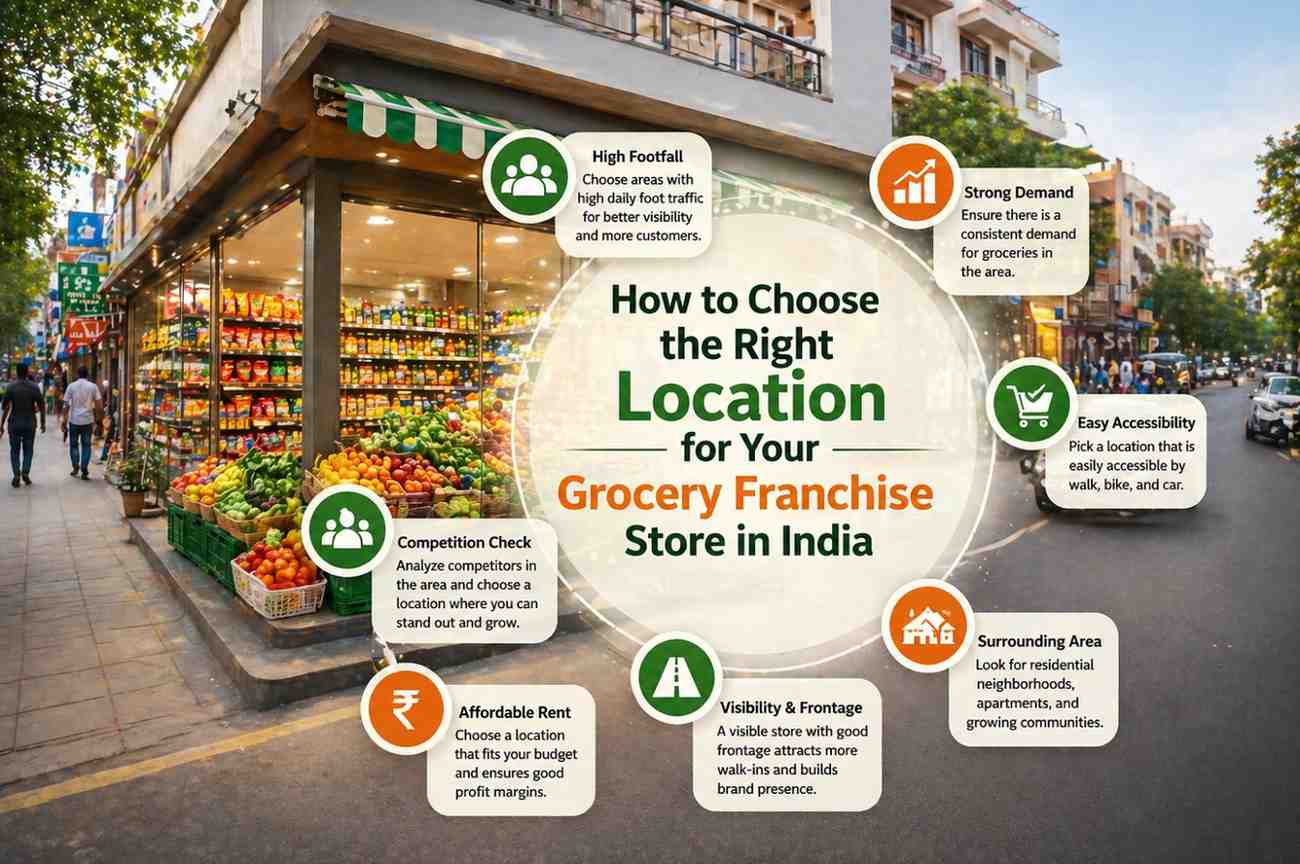
How to Choose the Right Location for Your Grocery Franchise Store in India (2026)
Location can make or break your grocery franchise store. Learn the key factors — footfall, demographics, competition, rent & more — to find the perfect spot for your Buyzaar Mart store in India.
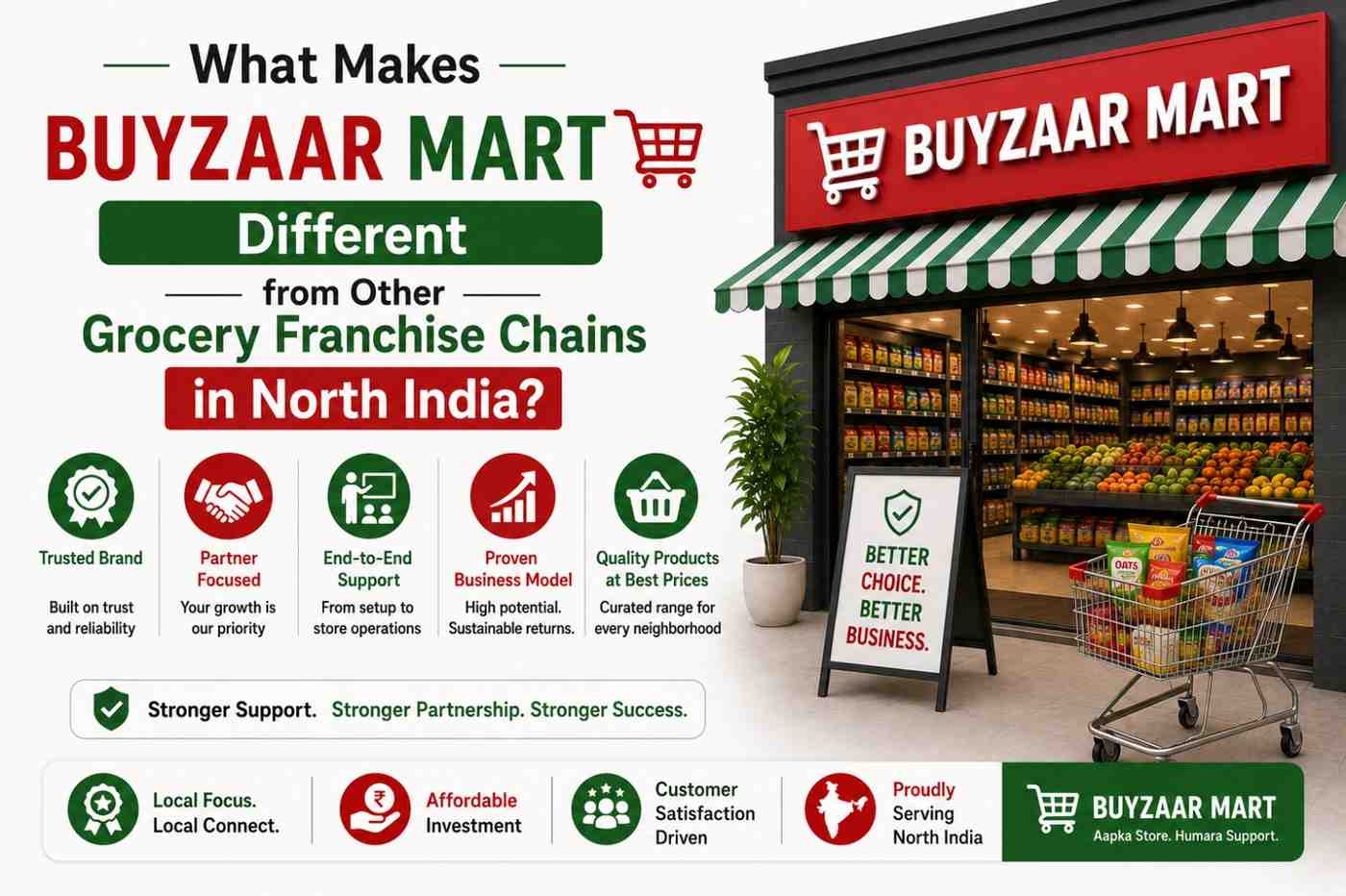
What Makes Buyzaar Mart Different from Other Grocery Franchise Chains in North India? (2026)
Wondering what sets Buyzaar Mart apart from other grocery franchise chains in North India? Discover the key differentiators — from tech-enabled operations and FMCG brand partnerships to franchisee-first support and profit margins.

India's FMCG Sector in 2026: Which Categories Are Growing Fastest and Why It Matters
India's FMCG market is projected to hit ₹10.2 lakh crore by 2026. Discover which categories are growing fastest — from health foods to personal care — and what it means for grocery franchise owners across North India.