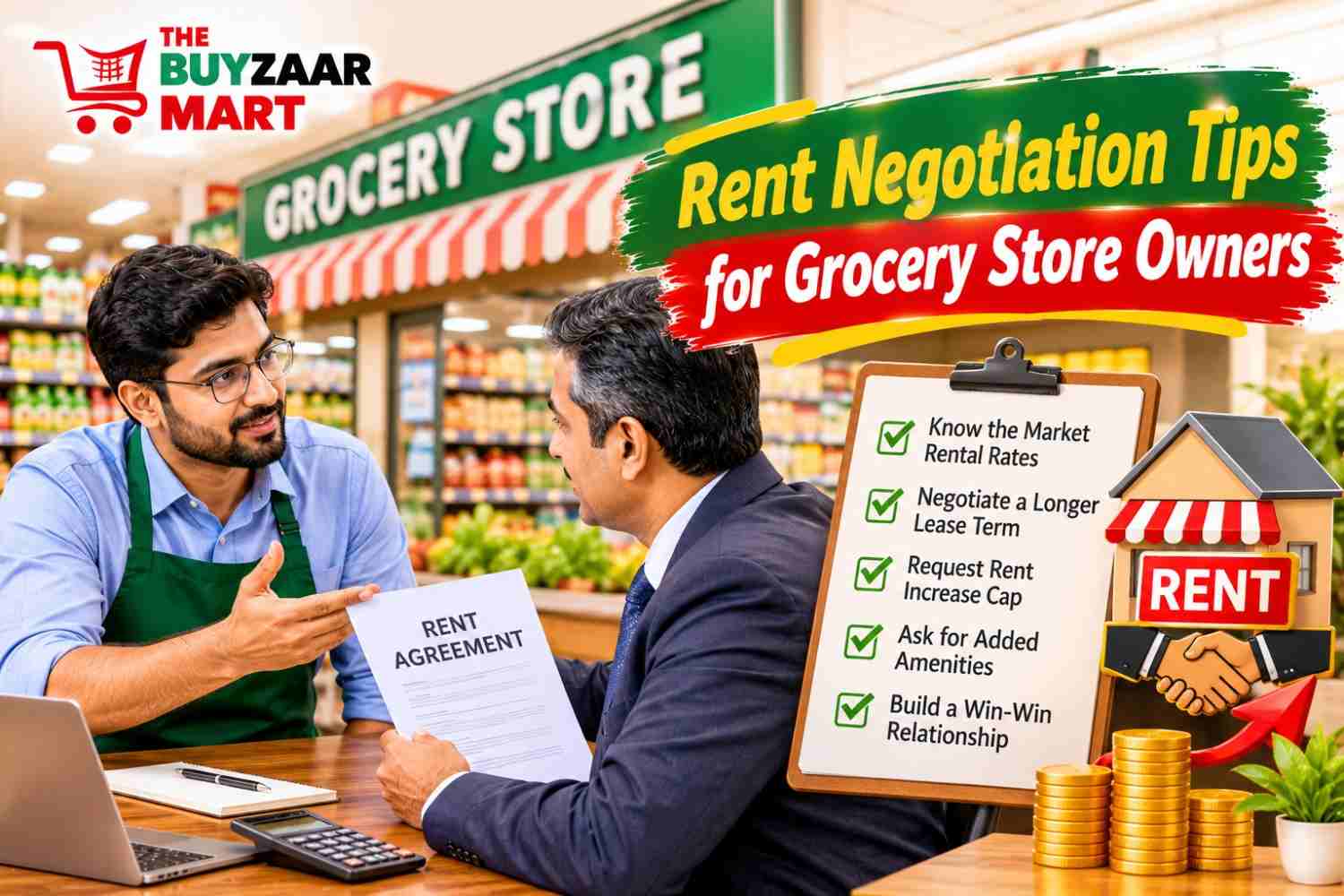
Rent Negotiation Tips for Grocery Store Owners: Cut Costs
Learn practical rent negotiation tips for grocery store owners: research rates, negotiate lease terms, escalation, deposit and lock-in, and protect your profit margins.
Learn practical rent negotiation tips for grocery store owners: research rates, negotiate lease terms, escalation, deposit and lock-in, and protect your profit margins.
Why Rent Matters So Much in Grocery Retail
- •Rent is a fixed cost: Whether sales are strong or weak, the landlord still gets paid on time, so a high rent can quietly eat into profit.
- •Grocery margins are tight: With daily-need products selling on modest margins, even a small reduction in monthly rent can make a visible difference to yearly earnings.
- •Lower rent, better prices: A manageable rent lets you keep staples competitively priced and still stay profitable.
- •Higher rent, harder choices: Heavy rent often forces owners to raise prices or cut service quality, which can push loyal customers away.
Do Your Homework Before You Negotiate
- •Compare nearby shops: Check what similar shops in the same market, colony or main road are paying per square foot, including those with weaker footfall.
- •Ask neighbours and brokers: Other shopkeepers and local property dealers can tell you the real going rates, which are often different from the first number quoted.
- •Calculate rent-to-sales ratio: Estimate how much of your expected monthly sales will go to rent, and set a ceiling you won’t cross.
- •Prepare a simple budget: Include electricity, staff salaries, billing system, shelving and opening stock so you know exactly how much rent you can afford.
- •Check footfall honestly: Visit at morning, evening and weekend hours to see how many people actually pass by and stop.
- •Note the weak points: Poor parking, low visibility, narrow entry or nearby road work are all valid reasons to ask for a better rent.
Choose the Right Timing and Approach
- •Strongest position: Your bargaining power is highest before the agreement is signed, when the landlord is still trying to win a reliable tenant.
- •Avoid emotional attachment: Don’t show that you’ve fallen in love with the shop, as it weakens your leverage.
- •Vacancy helps you: A shop that has stayed empty for months costs the landlord every day, so he is often more open to a lower rent or better terms.
- •Offer certainty: A grocery store is a stable, long-term, daily-use business, which landlords often prefer over short-lived ventures.
- •Respectful tone: Landlords respond better to a courteous, professional tenant than to one who argues or threatens to walk away.
- •Stay ready to walk away: If the terms don’t fit your budget, being willing to look elsewhere keeps your position credible.
Negotiate More Than Just the Monthly Rent
- •Setup time: Ask for a few weeks of free or discounted rent while you build shelves, install billing, arrange stock and complete licences.
- •Why it works: The landlord still earns from a long lease, while you avoid paying for a shop that isn’t yet generating sales.
- •Cap the increase: Annual or periodic rent escalation should be fixed clearly in the agreement, and a lower percentage protects you in later years.
- •Avoid open-ended hikes: Vague wording such as “rent will be revised as per market” can lead to disputes, so ask for a specific figure.
- •Keep it reasonable: Try to reduce the deposit or pay it in instalments, since a large deposit blocks cash you need for inventory.
- •Refund conditions: Write down when and how the deposit will be returned, and under what deductions.
- •Balance flexibility and security: A long lease protects your location investment, but a long lock-in can be risky if the store underperforms.
- •Mutual terms: Ask for fair exit and notice conditions that apply equally to the landlord and to you.
- •Clarify extras: Ask who pays for property tax, society or market maintenance, common area charges, water, parking and repairs.
- •Get it in writing: Hidden charges can quietly raise your effective rent, so every extra cost must be listed.
Build Your Negotiation Case
- •Business plan: Explain your store format, expected opening date and long-term commitment to the location.
- •Proper compliance: Mention that you’ll operate with the required licences such as FSSAI and GST, which signals a serious, legitimate business.
- •Footfall for the area: A well-run grocery store brings regular visitors to the building, which can improve nearby shops’ business and the property’s appeal.
- •Property care: Promise upkeep and timely payments, because landlords value peace of mind as much as rent.
- •Longer lease for lower rent: If you plan to stay, a longer commitment can justify a better monthly figure.
- •Advance payment for discount: Paying a few months upfront can sometimes win a rent reduction, but only if your cash flow allows it.
Protect Yourself in the Agreement
- •No verbal promises: Every agreed point, including rent, escalation, deposit, lock-in and notice period, should appear in a written lease.
- •Legal review: Have a lawyer check the agreement, and follow your state’s rules on registration and stamp duty.
- •Ownership and permissions: Confirm that the landlord has clear ownership and that commercial use is allowed at the premises.
- •No dues or disputes: Ask for proof that there are no pending property taxes, electricity bills or legal disputes.
Common Mistakes to Avoid
- •Accepting the first quote: The first number is rarely the final one, so always counter with data from nearby rentals.
- •Focusing only on rent: A slightly higher rent with a lower deposit, fair escalation and free fit-out period can be cheaper overall.
- •Ignoring location quality: A very cheap shop with weak footfall can cost more through lost sales than a better location with higher rent.
- •Skipping the fine print: Clauses on subletting, renovation, repairs and termination can cause major problems later.
How Smart Location Planning Supports Store Success
- •Right format for the right space: The Buyzaar Mart offers Mini Mart, Super Mart and Hyper Mart formats, so a store owner can match the shop size and rent level to the local market.
- •Location with growth potential: Our neighbourhood-first approach focuses on residential catchments where daily and monthly grocery shopping happens regularly.
- •Support for store owners: With strong FMCG partnerships and the buyback policy on expired or damaged goods, owners can concentrate on managing costs such as rent and growing sales.
- •Brand promise: "अपना बाजार – बचत का साथ, Quality की बात" applies to the owner too: smart savings on fixed costs help deliver better value to customers.
Frequently Asked Questions
How much rent is reasonable for a grocery store?
It depends on your sales, but keep rent within a safe share of expected monthly revenue so it doesn’t squeeze margins.
Can I negotiate rent after signing the lease?
It is possible at renewal, but your leverage is much stronger before signing.
What is the most important clause to negotiate?
Along with the base rent, the escalation clause matters most because it affects costs every year.
Should I choose a cheaper shop with lower footfall?
Not always. Low rent cannot make up for weak sales, so compare rent against likely footfall.
Do I need a registered lease agreement?
A written, properly registered agreement protects both sides, so consult a local lawyer.
Related Articles

Dairy & Bakery Section in a Grocery Store: Profit Guide
Learn how to stock, price and display the dairy and bakery section in a grocery store to cut wastage, lift basket size and boost daily profit.
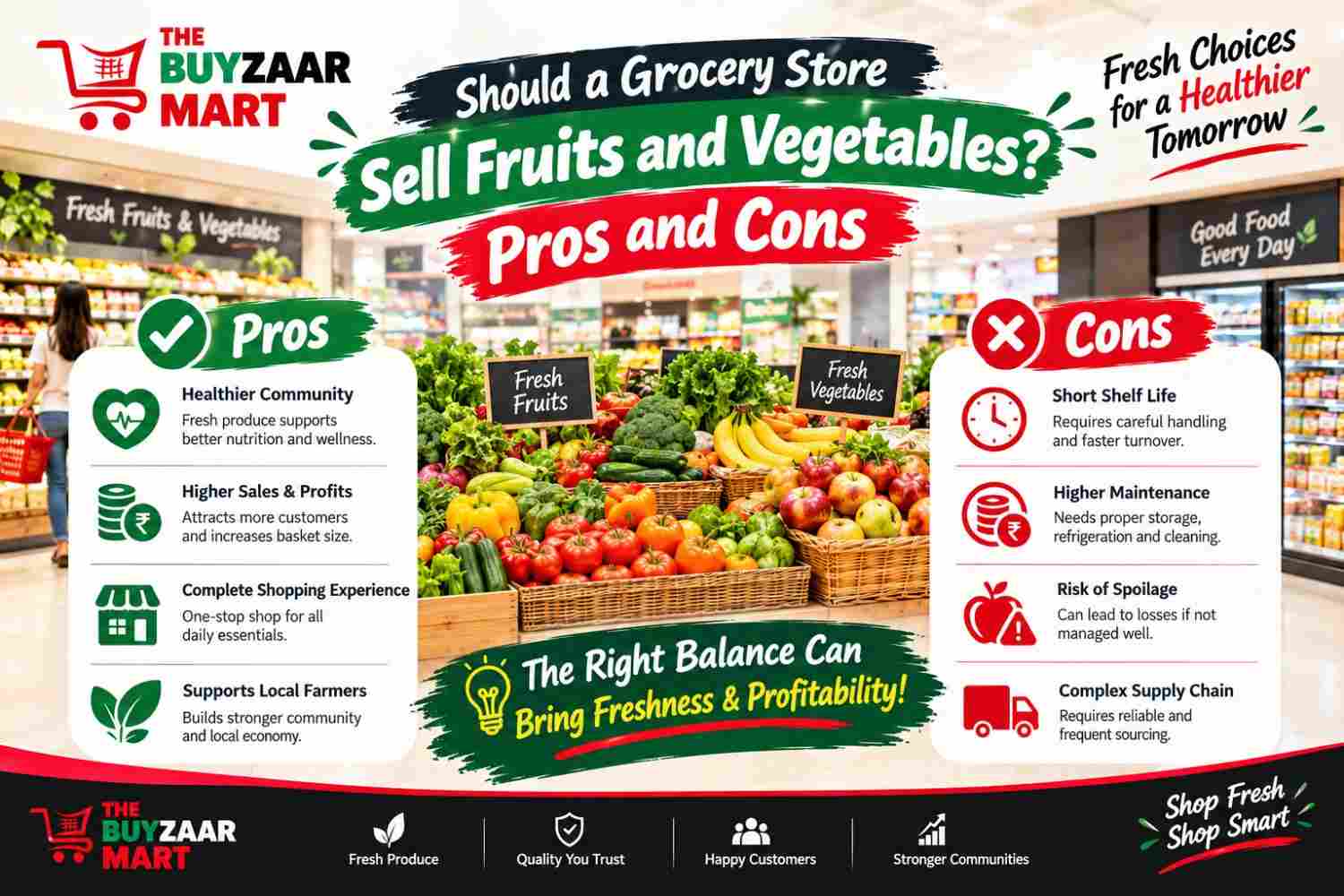
Should a Grocery Store Sell Fruits & Vegetables? Pros & Cons
Should a grocery store sell fruits and vegetables? Compare the pros and cons, from footfall and margins to wastage, and decide what suits your store.
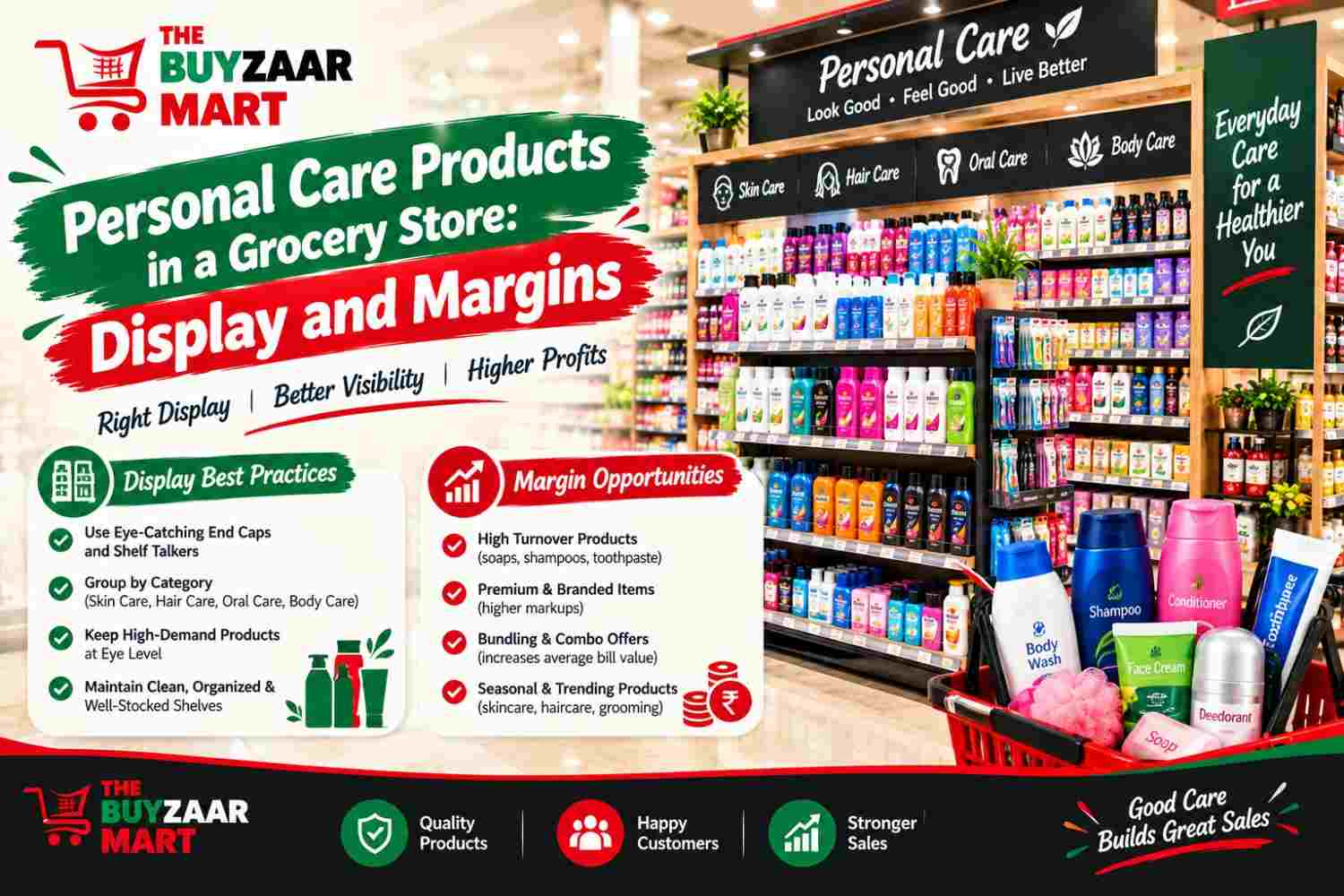
Personal Care Products in a Grocery Store: Display & Margins
Learn how to display, stock and price personal care products in a grocery store. Understand margins, shelf placement and brand mix to lift basket size.